
Information disorder: what it means for journalism
JournalismPakistan.com | Published: 8 March 2026 | JP Staff Report
Join our WhatsApp channel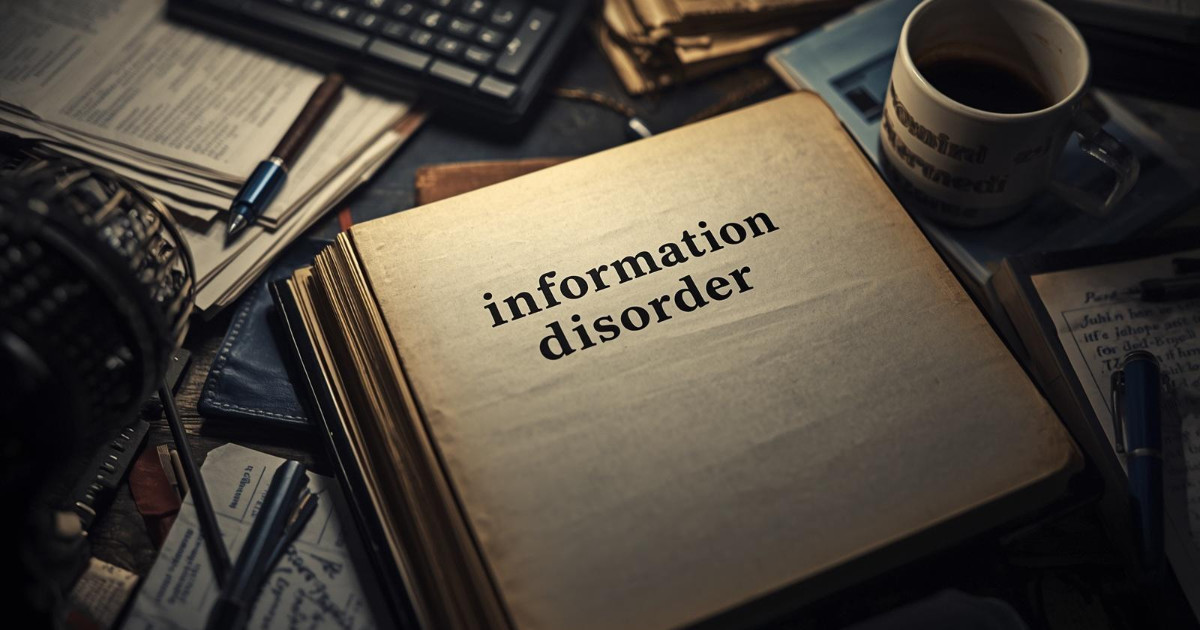
Journalists and policymakers face growing information disorder as false and manipulated content spreads across social, messaging, and legacy media, affecting elections and public health; understanding its forms is essential for reporting and policy.Summary
ISLAMABAD — The global information environment has become increasingly complex, with false or misleading content spreading across social media, messaging platforms, and even traditional media channels. From election campaigns to public health crises, journalists and policymakers are now grappling with what experts broadly call “information disorder.”
The term has gained prominence as governments, media organizations, and technology companies struggle to respond to waves of misleading content online. In Pakistan and around the world, debates over digital speech, fact-checking, and platform accountability have brought the concept into everyday newsroom discussions.
Understanding information disorder is now essential for journalists, media professionals, and audiences trying to navigate a digital ecosystem where accurate reporting competes with rumors, manipulated narratives, and algorithm-driven amplification.
What does information disorder mean?
Information disorder refers to the ecosystem of false, misleading, or manipulated information circulating in the public sphere. The concept was popularized in media research to describe a spectrum of problematic content rather than a single category of falsehood.
At its core, information disorder includes three closely related forms of problematic information. Misinformation involves inaccurate or misleading content that is shared without the intent to deceive. Disinformation, by contrast, refers to deliberately false information created or distributed to mislead audiences. A third category, sometimes called malinformation, involves genuine information used in harmful or misleading ways, such as selectively releasing private data or presenting facts out of context.
The term recognizes that the problem is not simply about “fake news.” Instead, it reflects a broader environment in which inaccurate information spreads quickly through digital networks, often amplified by algorithms, political campaigns, or coordinated influence operations.
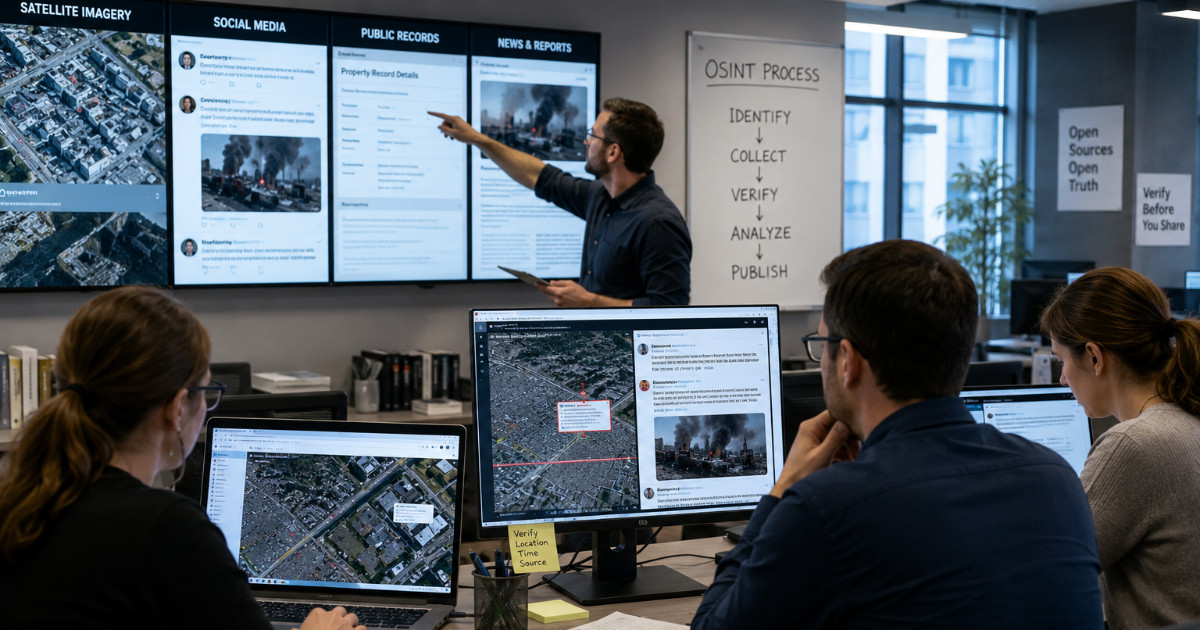
In the newsroom context, information disorder also highlights the challenges journalists face when verifying content circulating online. Viral posts, manipulated videos, and AI-generated images can reach millions of users before fact-checkers or reporters have time to assess their authenticity.
Why it matters now
Information disorder has become a central issue in modern journalism because digital platforms allow content to spread at unprecedented speed and scale. Social media networks, messaging apps, and online video platforms have created an information ecosystem where professional journalism competes with unverified or intentionally misleading narratives.
The rise of artificial intelligence tools has further complicated the situation. AI-generated text, images, and videos can now mimic authentic reporting or public statements, making it harder for audiences to distinguish credible sources from fabricated content. Newsrooms around the world have responded by strengthening verification practices and expanding fact-checking teams.
Governments and regulators have also begun addressing the problem through legislation and policy. In several countries, new digital media regulations aim to curb harmful online content, though critics warn that such measures can sometimes risk restricting legitimate journalism or free expression.
For journalists, the stakes are particularly high. Information disorder can undermine public trust in media institutions, distort democratic debate, and complicate reporting during crises such as elections, conflicts, or natural disasters. When false narratives circulate widely, accurate reporting must compete with viral misinformation that may already have shaped public perception.
Real-world examples
Internationally, concerns about information disorder have surfaced repeatedly during major political events. In the United States and Europe, researchers and election monitors have documented coordinated disinformation campaigns on social media platforms such as X, Facebook, and TikTok during election cycles. Public reports by technology companies and independent research groups have identified networks of accounts spreading misleading narratives aimed at influencing voters or undermining trust in democratic institutions.
Another widely cited example involves misinformation during the COVID-19 pandemic. Health authorities and journalists around the world struggled to counter false claims about vaccines, treatments, and government policies. The World Health Organization described the phenomenon as an “infodemic,” highlighting how rapidly misinformation could spread alongside legitimate reporting.
South Asia has also experienced significant challenges linked to information disorder. In Pakistan, viral rumors and misleading claims frequently circulate on messaging platforms such as WhatsApp and across social media networks, sometimes triggering public confusion or panic. During elections and major political developments, fact-checking organizations and newsrooms have worked to debunk manipulated images, edited videos, and fabricated statements attributed to political figures.
Courts and regulators in the region have increasingly addressed the issue as well. Pakistan’s Prevention of Electronic Crimes Act (PECA) has been used in cases involving online speech and digital content, reflecting the ongoing tension between combating harmful misinformation and safeguarding freedom of expression. Journalists and media watchdog groups have repeatedly emphasized the importance of transparent enforcement and legal safeguards to ensure that anti-misinformation measures do not suppress legitimate reporting.
News organizations across the region have responded by strengthening verification desks and collaborating with independent fact-checking groups. Initiatives focused on media literacy have also emerged, aiming to help audiences identify unreliable sources and understand how misleading narratives spread online.
Looking ahead
As digital communication continues to evolve, the concept of information disorder provides a framework for understanding how false, misleading, or manipulated content moves through modern media systems. For journalists, policymakers, and audiences alike, recognizing these dynamics is increasingly important in an era when the speed of information often outpaces verification.
By identifying and explaining the mechanisms behind misinformation and disinformation, the term helps newsrooms and readers better interpret the complex information landscape shaping public debate today.
Key Points
- Information disorder describes false, misleading, or harmful content circulating in the public sphere.
- Misinformation is unintentional; disinformation is deliberate; malinformation uses truthful content to harm.
- The spread occurs across social networks, messaging apps, and traditional media platforms.
- It affects elections, public health responses, and public trust in journalism and institutions.
- Newsrooms need fact-checking, source verification, and audience education to respond effectively.
Key Questions & Answers
What is information disorder?
Information disorder is the ecosystem of false, misleading, or manipulated information circulating publicly, encompassing misinformation, disinformation, and malinformation.
How does misinformation differ from disinformation?
Misinformation is false or inaccurate content shared without intent to deceive; disinformation is created or spread deliberately to mislead.
Why does information disorder matter for journalism?
It complicates news gathering and audience trust; journalists must verify sources and counter misleading narratives to maintain accuracy and credibility.
What can newsrooms do to combat it?
Adopt robust fact-checking, transparent sourcing, media literacy efforts, and collaboration with platforms and civil society to limit spread and contextually correct falsehoods.
Relevant Topics
Ask AI: Understand this story your way
AI EnabledDig deeper, ask anything — get instant context, background, and clarity.
Disclaimer: This feature is powered by AI and is intended to help readers explore and understand news stories more easily. While we strive for accuracy, AI-generated responses may occasionally be incomplete or reflect limitations in the underlying model. This feature does not represent the editorial views of JournalismPakistan. For our full, verified reporting, please refer to the original article.