.png)
What does media capture mean and why it matters for press freedom?
JournalismPakistan.com | Published: 1 March 2026 | JP Staff Report
Join our WhatsApp channel
As governments and powerful economic actors expand control over advertising, ownership and regulation, media capture reshapes news ecosystems without open censorship. The trend increases reliance on state or allied funding and pressures editorial independence.Summary
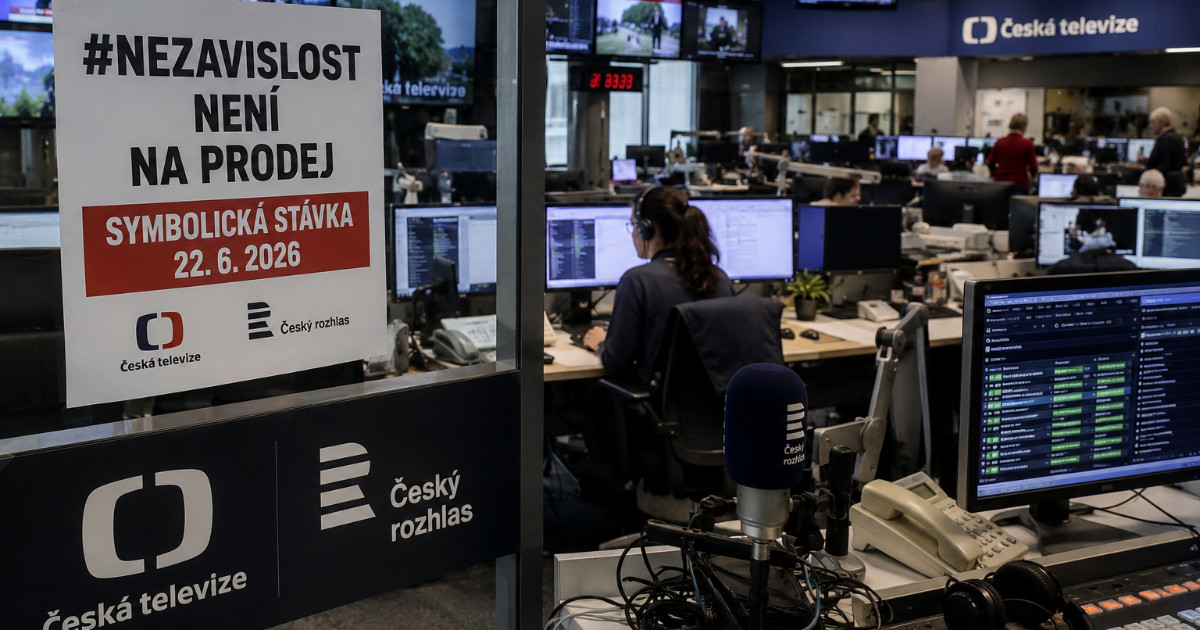
ISLAMABAD — In recent years, debates over press freedom have increasingly included a term that once appeared mainly in academic and policy circles: media capture. From disputes over public broadcasting governance in Europe to concerns about regulatory pressure on private television networks in Pakistan, the phrase is now part of mainstream reporting.
The term has gained traction as governments expand their oversight of digital platforms, consolidate regulatory powers, and influence advertising markets. At the same time, economic pressures on newsrooms have made many outlets more dependent on state advertising, corporate sponsorships, or politically connected investors. Understanding media capture helps explain how these pressures can reshape editorial independence without outright censorship.
What does media capture mean?
Media capture refers to a situation in which news outlets, regulators, or the broader information ecosystem are influenced or controlled by political or economic interests in ways that undermine independent journalism. Unlike direct censorship, which is usually visible and explicit, media capture often operates through structural or financial leverage.
Capture can occur when governments appoint loyalists to oversee public broadcasters, steer state advertising to friendly outlets, or pass regulations that disproportionately burden critical media organizations. It can also take place when powerful business groups with political ties acquire major media companies and shape editorial policies to align with their interests.
The concept is related to regulatory capture, a term used in economics and political science to describe when regulatory agencies serve the industries they are supposed to oversee. In the media context, capture can involve both state and private actors. The common element is the erosion of editorial autonomy and the narrowing of pluralism in public debate.
Importantly, media capture does not necessarily mean that journalists are explicitly told what to write. It may show up as subtle self-censorship, selective coverage, or the consistent promotion of particular narratives. The result is a media environment that appears diverse on the surface but operates within constrained boundaries.
Why it matters now
Media capture has become more relevant in an era of media consolidation and digital disruption. As traditional advertising revenues decline, many newsrooms face financial instability. This vulnerability can make outlets more susceptible to influence from governments, large advertisers, or politically connected investors.
In some countries, public broadcasters have come under scrutiny over governance structures and funding models. For example, debates in Hungary have focused on the independence of media regulators and public service media, particularly after changes to media laws in the 2010s that were documented in publicly available European Union reports. Critics argue that such reforms can create conditions conducive to capture by centralizing oversight and limiting independent checks.
Digital platforms add another layer. Governments around the world are introducing legislation aimed at regulating online content, combating misinformation, or protecting national security. While many of these goals are legitimate, the design and enforcement of such laws can affect independent reporting. When regulatory authorities have broad discretionary powers, the risk of selective enforcement increases.
In Pakistan, discussions around the Pakistan Electronic Media Regulatory Authority and proposed amendments to digital media rules have prompted debate among journalists and civil society groups about regulatory independence and due process. Publicly available notifications and draft rules have been cited by media bodies in raising concerns about potential overreach. Even when reforms are framed as modernization efforts, observers often evaluate them through the lens of media capture.
The rise of artificial intelligence in journalism and content moderation also intersects with capture. If governments or dominant platforms control the tools that prioritize or suppress information, the balance of visibility can shift. While AI systems are often described as neutral technologies, their governance structures and data sources can reflect existing power dynamics.
Real-world examples
Internationally, concerns about media capture have been raised in relation to public broadcasters and regulatory authorities in several countries. In Hungary, changes to media legislation and the restructuring of public media organizations were documented in European Commission rule-of-law reports. Analysts have argued that centralized oversight and appointment processes can limit editorial independence, even without explicit censorship orders.
Another example can be found in debates surrounding Italy’s public broadcaster RAI, where appointments to leadership roles are linked to parliamentary majorities. Although RAI operates under established legal frameworks, critics have periodically questioned whether political appointments influence editorial priorities, particularly during election cycles.
In Pakistan, media capture is often discussed in the context of state advertising and regulatory action. Government advertising remains a significant revenue source for many outlets. When advertising allocations are uneven or delayed, it can create financial strain that affects editorial decision-making. Additionally, actions by the Pakistan Electronic Media Regulatory Authority, including license suspensions or fines referenced in publicly available orders, have fueled debate over the balance between regulation and independence.
South Asia more broadly has seen high-profile acquisitions of media houses by business conglomerates with diverse political and economic interests. When ownership structures concentrate across television, print, and digital platforms, concerns arise about whether editorial lines align with corporate priorities rather than public interest journalism.
Understanding the broader impact
Media capture is not a single event but a gradual process. It can develop through financial dependency, regulatory design, ownership concentration, or political appointments. Unlike overt censorship, it often leaves formal press freedoms intact while reshaping how journalism operates in practice.
For readers, understanding media capture provides a framework for interpreting media controversies, regulatory reforms, and ownership changes. It highlights the importance of transparency in funding, governance, and regulation. As newsrooms adapt to economic and technological change, awareness of media capture helps clarify the stakes in ongoing debates about press freedom and democratic accountability.
Key Points
- Media capture occurs when political or economic forces shape news coverage through financial, regulatory, or ownership leverage.
- Mechanisms include state advertising allocation, appointing loyalists to public broadcasters, onerous regulation, and politically linked buyouts.
- It differs from direct censorship by operating through structural pressures rather than explicit bans on content.
- Consequences include reduced editorial independence, self-censorship, and greater dependence on state or allied funding.
- Recognizing capture helps identify policy and commercial reforms to protect pluralism and journalistic autonomy.
Key Questions & Answers
What is media capture?
Media capture is the process by which political or economic actors exert control over news outlets and information systems through ownership, funding, or regulatory influence.
How is media capture different from censorship?
Unlike direct censorship, which blocks or punishes specific content, media capture shapes incentives and structures so outlets alter coverage voluntarily or indirectly.
How do actors capture the media in practice?
Common methods include steering state advertising to friendly outlets, appointing allied regulators, buying media companies, and imposing rules that burden critical outlets.
Why does media capture matter for press freedom?
It undermines editorial independence and pluralism, leading to self-censorship and reduced public access to diverse, critical reporting.
Relevant Topics
Ask AI: Understand this story your way
AI EnabledDig deeper, ask anything — get instant context, background, and clarity.
Disclaimer: This feature is powered by AI and is intended to help readers explore and understand news stories more easily. While we strive for accuracy, AI-generated responses may occasionally be incomplete or reflect limitations in the underlying model. This feature does not represent the editorial views of JournalismPakistan. For our full, verified reporting, please refer to the original article.