.png)
Understanding shadow banning and its impact on journalism
JournalismPakistan.com | Published: 29 March 2026 | JP Staff Report
Join our WhatsApp channel
Journalists and news organizations that rely on social platforms face growing concerns about shadow banning, the covert deprioritization of posts without notice, which can sharply reduce reach and alter public conversation.Summary
ISLAMABAD — Concerns about how social media platforms shape public discourse have intensified in recent years, as journalists, creators, and news organizations increasingly rely on digital distribution to reach audiences. From algorithm changes to content moderation policies, the visibility of information online is no longer determined solely by editorial judgment or audience demand.
One term that has gained prominence in this evolving landscape is shadow banning. Frequently discussed but often poorly understood, it sits at the intersection of technology, free expression, and media access. For journalists navigating platform-driven ecosystems, understanding shadow banning has become essential to interpreting sudden drops in reach and engagement.
As debates over digital regulation, misinformation, and platform accountability continue globally, including in Pakistan, the concept has moved from online forums into mainstream media conversations.
What shadow banning means
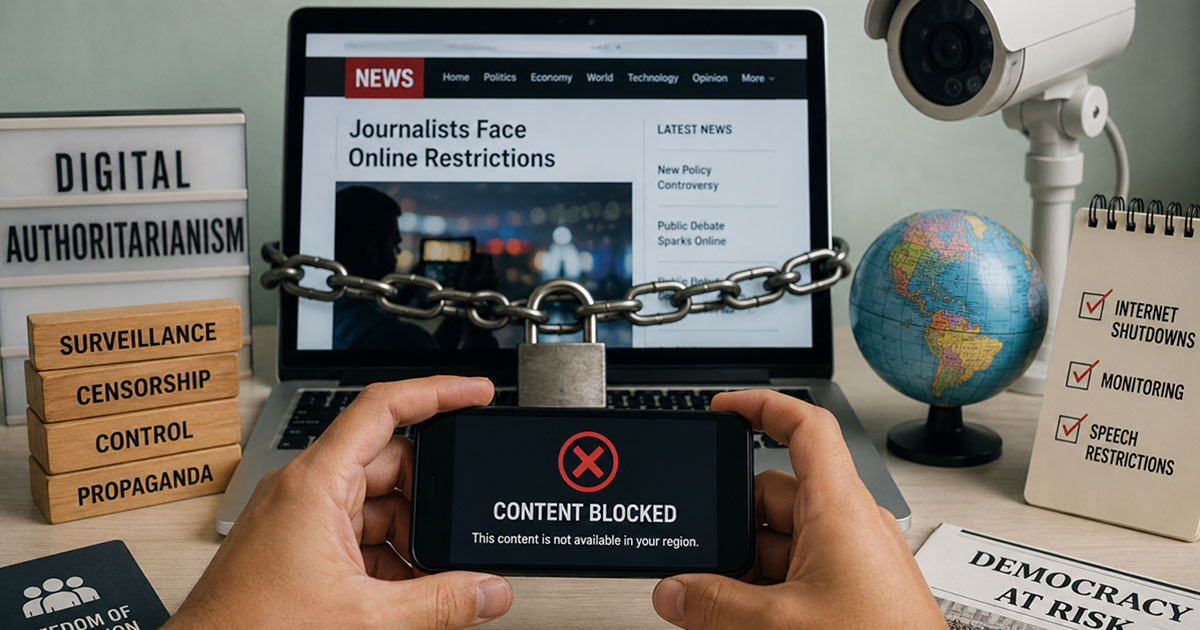
Shadow banning refers to the covert restriction of a user’s content visibility on a digital platform without notifying the user. Unlike outright removal or suspension, the content remains accessible to the person who posted it but is algorithmically deprioritized or hidden from wider audiences.
In practical terms, this means posts may not appear in search results, hashtags, recommendation feeds, or followers’ timelines. The user can continue publishing content, often unaware that its reach has been significantly reduced.
The term is most commonly associated with social media platforms such as Facebook, X (formerly Twitter), Instagram, and TikTok. While these companies maintain that they enforce content moderation policies to manage harmful or misleading material, critics argue that shadow banning lacks transparency and due process.
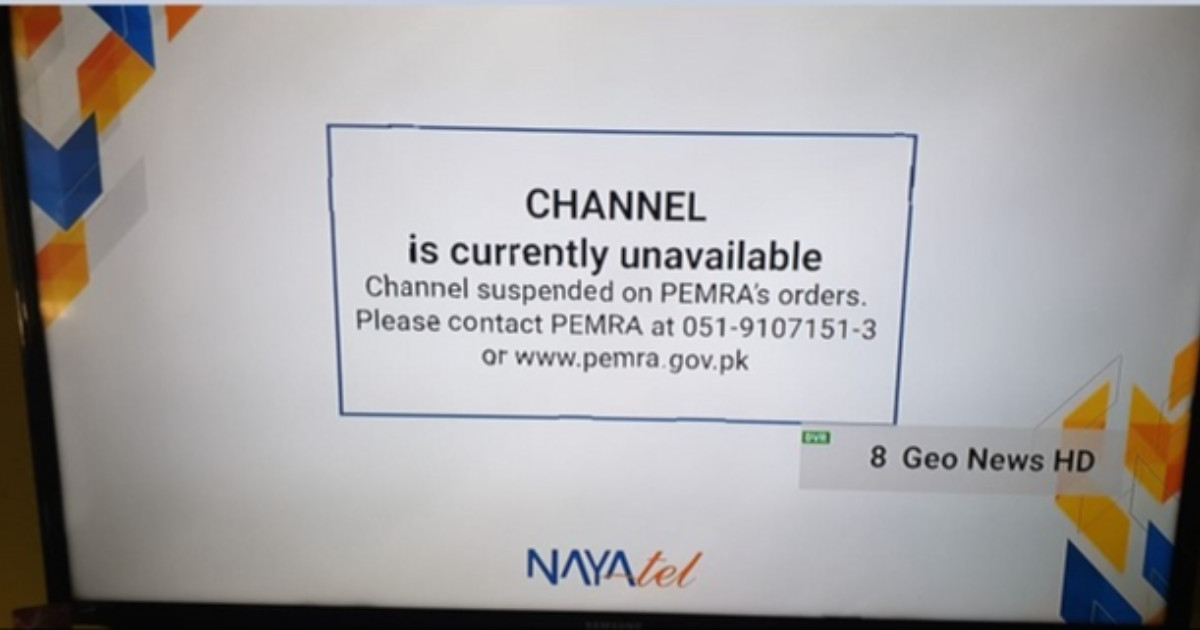
For journalists and media outlets, the distinction is significant. A visible removal can be challenged or appealed through formal channels, but covert suppression is harder to detect and document. This creates uncertainty about whether declining engagement is due to editorial performance, audience behavior, or platform intervention.
Why it matters now
The relevance of shadow banning has grown alongside the increasing influence of algorithms in determining what information reaches the public. News distribution has shifted dramatically toward digital platforms, where automated systems prioritize content based on engagement, relevance, and policy compliance.
This shift raises broader questions about gatekeeping in journalism. Traditionally, editors and newsroom leaders decided what stories would be published and promoted. Today, platform algorithms play a parallel role, often without the same level of transparency or accountability.
The issue is particularly significant in the context of press freedom and digital speech. Journalists covering sensitive topics, such as political dissent, human rights, or conflict, may find their content receiving limited visibility without a clear explanation. This can affect not only individual reporters but also smaller or independent media organizations that rely heavily on social platforms for distribution.
Regulatory scrutiny is also increasing. Governments and international bodies have begun examining how technology companies moderate content and whether their practices align with principles of fairness and transparency. Legislative efforts in regions such as the European Union, including the Digital Services Act, aim to require greater disclosure around algorithmic decision-making and content moderation.
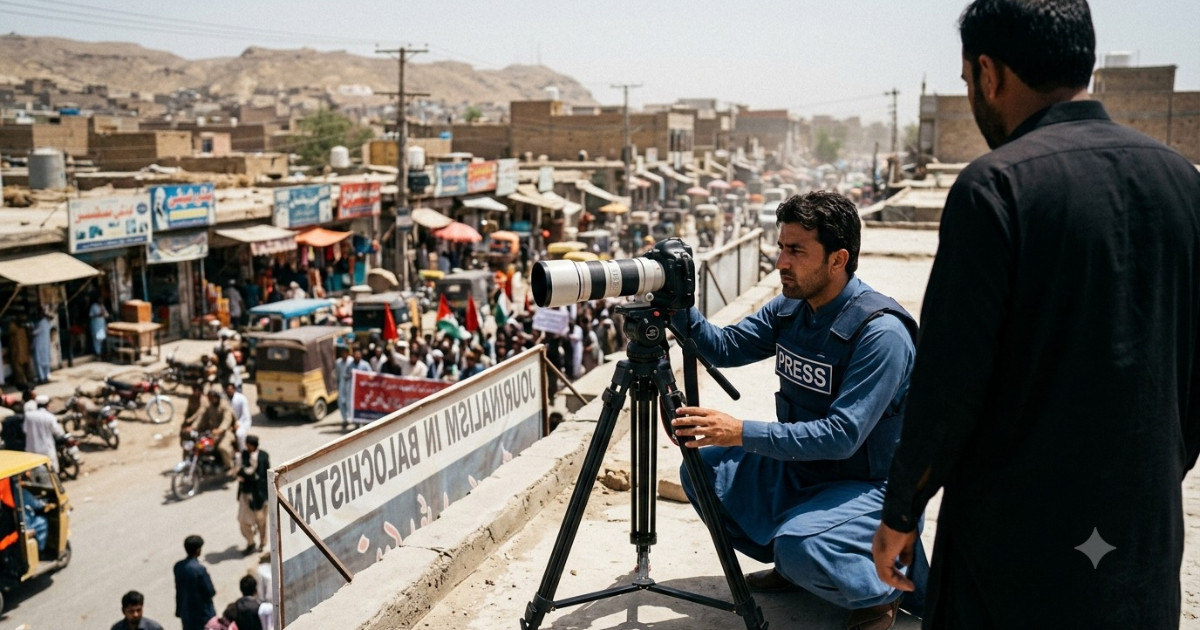
In Pakistan and across South Asia, where social media serves as a primary news source for millions, the stakes are similarly high. Allegations of reduced visibility for certain political or journalistic content have contributed to ongoing debates about digital rights and platform accountability.
Real-world examples
Globally, concerns about shadow banning have surfaced repeatedly in relation to major technology platforms. In the United States, discussions around content visibility intensified after internal documents and public statements from companies such as X and Meta highlighted the use of ranking systems to limit the spread of certain posts. While these measures are often framed as efforts to curb misinformation or harmful content, critics, including journalists and advocacy groups, have called for clearer explanations of how such systems operate.
High-profile users have at times alleged that their posts were being suppressed without notification, pointing to sudden declines in engagement metrics. Platforms typically respond by emphasizing that they do not “shadow ban” users in a blanket sense but do adjust content visibility based on policy enforcement and algorithmic ranking. The lack of a universally accepted definition has further complicated the debate.
In South Asia, similar concerns have emerged in the context of political communication and media reporting. In Pakistan, journalists and digital rights organizations have periodically raised questions about reduced reach for content related to sensitive political developments. While direct evidence of systematic shadow banning is difficult to establish, the perception of covert suppression has fueled calls for greater transparency from platforms.
India has also seen debates around content moderation and visibility, particularly during periods of political tension. Government requests for content removal, combined with platform enforcement policies, have led to scrutiny of how information is filtered or limited online. These cases illustrate how shadow banning, whether confirmed or alleged, intersects with broader issues of regulation, free expression, and platform governance.
The future of media visibility and transparency
As journalism continues to adapt to a platform-driven media environment, understanding concepts like shadow banning is increasingly important. The term highlights the growing influence of algorithms in shaping public access to information and underscores the need for transparency in digital content distribution.
For journalists, editors, and audiences alike, recognizing how visibility can be affected, both openly and covertly, provides critical context for interpreting engagement trends and information flows. As regulatory frameworks evolve and platforms face mounting scrutiny, the conversation around shadow banning is likely to remain central to discussions about the future of media and digital communication.
RELATED JOURNALISM TERMS: Readers may also find the following JournalismPakistan explainers useful:
PHOTO: AI-generated; for illustrative purposes
Key Points
- Shadow banning covertly reduces a user's content visibility without explicit notice.
- Affected content may be hidden from search, hashtags, recommendation feeds, or followers.
- Journalists and newsrooms can see sudden drops in reach and engagement with no clear explanation.
- Platforms' algorithmic and moderation choices shape which reporting reaches audiences.
- Calls for transparency and regulatory oversight have grown alongside concerns about platform power.
Key Questions & Answers
What is shadow banning?
Shadow banning is the covert restriction of a user's content visibility without notifying them; posts remain visible to the poster but are algorithmically deprioritized or hidden from wider audiences.
How does shadow banning affect journalists?
It can cause sudden drops in reach and engagement, hindering distribution of reporting and altering public discourse; journalists may be unaware their visibility has been reduced.
How can users tell if they are being shadow banned?
Common signs include unexplained declines in impressions, posts not appearing in search results or hashtags, and followers not seeing content; platforms rarely send explicit notices.
What actions are being suggested to address the problem?
Experts and news organizations call for greater platform transparency, clearer moderation policies, and regulatory oversight; newsrooms are also advised to monitor analytics and diversify distribution.
Relevant Topics
Ask AI: Understand this story your way
AI EnabledDig deeper, ask anything — get instant context, background, and clarity.
Disclaimer: This feature is powered by AI and is intended to help readers explore and understand news stories more easily. While we strive for accuracy, AI-generated responses may occasionally be incomplete or reflect limitations in the underlying model. This feature does not represent the editorial views of JournalismPakistan. For our full, verified reporting, please refer to the original article.