
Astroturfing in media: How fake grassroots campaigns shape public opinion
JournalismPakistan.com | Published: 22 March 2026 | JP Staff Report
Join our WhatsApp channel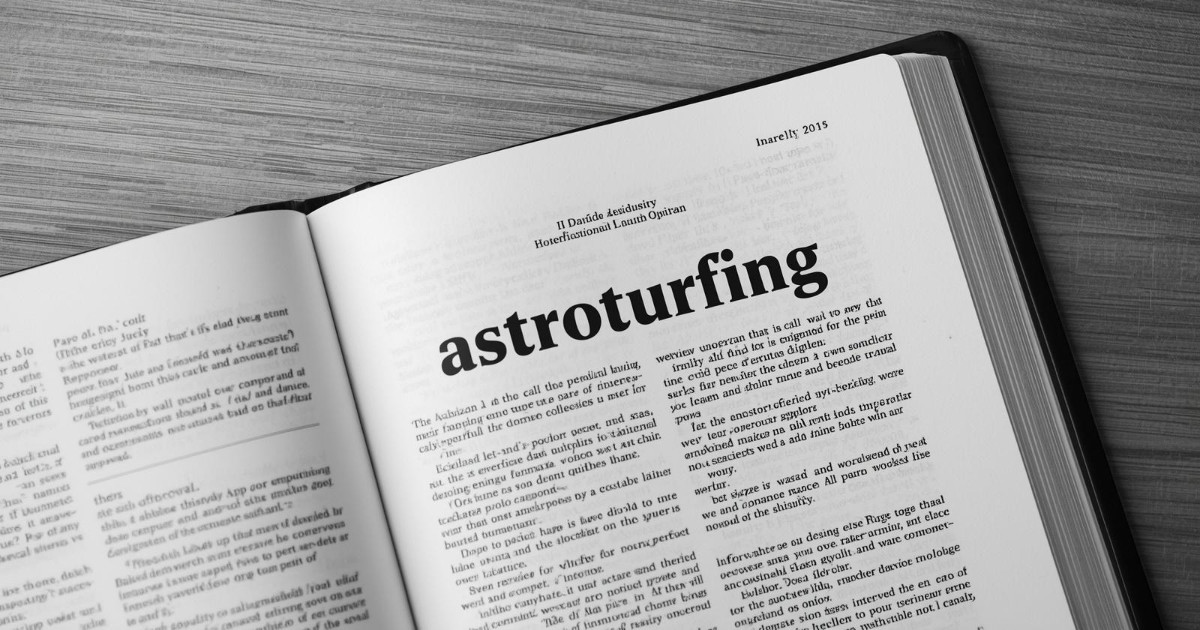
Astroturfing is reshaping digital information as coordinated campaigns mimic grassroots sentiment to influence public debate. Newsrooms and regulators in Pakistan and South Asia face rising challenges in spotting and countering such organized messaging.Summary
ISLAMABAD — Astroturfing, once a niche term in political communication, is increasingly shaping how information spreads across digital platforms and news ecosystems. From coordinated hashtag campaigns to manufactured public sentiment, the tactic has gained renewed attention as journalists and regulators grapple with the growing influence of organized online activity.
In recent months, concerns about manipulated narratives have surfaced globally, including in debates over elections, geopolitical conflicts, and corporate influence. In Pakistan and across South Asia, similar patterns have emerged, where coordinated messaging campaigns attempt to influence public discourse, often blurring the line between genuine public opinion and orchestrated messaging.
As newsrooms face pressure to report quickly in an always-on digital environment, understanding astroturfing has become essential for journalists, editors, and audiences alike.
What astroturfing means
Astroturfing refers to the practice of creating the appearance of spontaneous, grassroots support or opposition when, in reality, the messaging is coordinated and often funded by an organization, political group, or other vested interest. The term is derived from “AstroTurf,” a brand of synthetic grass, highlighting the contrast between artificial campaigns and genuine grassroots movements.
In a media context, astroturfing can take many forms. It may involve coordinated social media posts, the use of fake or duplicate accounts, or organized efforts to amplify specific narratives. These campaigns are designed to appear organic, making it difficult for journalists and audiences to distinguish between authentic public sentiment and manufactured consensus.
Unlike traditional public relations, which is typically transparent about its source, astroturfing relies on concealment. The goal is to create credibility through perceived popularity rather than through open advocacy.
Why it matters now
The rise of digital platforms has made astroturfing more scalable and harder to detect. Social media algorithms often prioritize engagement, which can inadvertently amplify coordinated campaigns that generate high volumes of likes, shares, or comments. This dynamic allows astroturfing efforts to gain visibility quickly, sometimes influencing news coverage itself.
For journalists, the risks are significant. Reporting on trending topics without verifying the authenticity of online engagement can lead to the amplification of misleading narratives. In fast-moving news cycles, particularly during elections or crises, this can distort public understanding and undermine trust in media institutions.
Astroturfing also intersects with broader concerns about information integrity. As artificial intelligence tools make it easier to generate content at scale, coordinated campaigns can produce large volumes of convincing text, images, or videos. This raises new challenges for fact-checking and editorial verification.
Regulators and policymakers are increasingly aware of these risks. In several jurisdictions, authorities have explored measures to address coordinated inauthentic behavior on digital platforms. Technology companies have also introduced policies aimed at identifying and removing such activity, though enforcement remains uneven and often opaque.
In Pakistan, discussions around digital regulation, including frameworks like the Prevention of Electronic Crimes Act (PECA), have highlighted the complexity of balancing free expression with the need to address harmful or deceptive online activity. While not always labeled as astroturfing, coordinated campaigns are part of the broader ecosystem that such laws attempt to regulate.
Real-world examples
Internationally, astroturfing has been documented in various political and corporate contexts. During election cycles in countries such as the United States, investigations by platforms like Facebook and X (formerly Twitter) have identified networks of coordinated accounts promoting specific political narratives while posing as ordinary citizens. Public disclosures by these companies, as well as reports from independent researchers, have shown how such campaigns can shape online discourse.
In the European Union, regulatory scrutiny has increased under frameworks such as the Digital Services Act, which requires large platforms to assess and mitigate systemic risks, including the spread of coordinated inauthentic behavior. Reports submitted by major technology companies under these obligations have acknowledged ongoing challenges in detecting and addressing such campaigns.
In South Asia, similar patterns have emerged. In India, researchers and journalists have reported on coordinated social media campaigns linked to political messaging, particularly during elections and major policy debates. These efforts often involve networks of accounts amplifying specific hashtags or narratives to create the impression of widespread support.
In Pakistan, concerns about coordinated online activity have surfaced in the context of political discourse and media coverage. Journalists and digital analysts have pointed to instances where hashtags trend rapidly with highly uniform messaging, raising questions about whether the activity reflects genuine public engagement or organized amplification. While definitive attribution is often difficult, such patterns illustrate the challenges of identifying astroturfing in real time.
Media organizations themselves are not immune. In some cases, outlets have inadvertently cited social media trends or viral content without recognizing that the underlying activity may have been coordinated. This underscores the importance of verification and context in reporting.
Looking ahead: Navigating authenticity
As digital communication continues to evolve, astroturfing is likely to remain a persistent feature of the media landscape. For journalists, understanding how coordinated campaigns operate is critical to maintaining accuracy and credibility. For audiences, awareness of these tactics can help in evaluating the authenticity of online narratives.
In an era in which visibility can be manufactured as easily as it can be earned, distinguishing genuine public sentiment from orchestrated messaging is essential. Recognizing astroturfing is not just about identifying deception; it is about preserving the integrity of information in a rapidly changing media environment.
RELATED JOURNALISM TERMS: Readers may also find the following JournalismPakistan explainers useful:
PHOTO: AI-generated; for illustrative purposes
Key Points
- Astroturfing creates the appearance of organic public support while being centrally coordinated.
- Common tactics include fake or duplicate accounts, bots, coordinated hashtags and amplified messaging.
- These campaigns can distort news agendas and skew perceived public opinion.
- Pakistan and South Asia have seen growing instances tied to political, geopolitical and corporate debates.
- Robust verification, newsroom protocols and media literacy are vital to detect and mitigate impact.
Key Questions & Answers
What is astroturfing?
Astroturfing is the practice of creating the impression of spontaneous grassroots support or opposition when messaging is actually coordinated and often funded by vested interests.
How does astroturfing operate on social media?
It uses tactics like fake or duplicate accounts, bots, coordinated posting schedules and hashtag amplification to manufacture visibility and apparent consensus.
Why is astroturfing a problem for journalists?
It blurs genuine public sentiment and can mislead reporting; journalists must verify patterns and sources before treating amplified content as representative.
How can audiences spot astroturfing?
Look for sudden spikes in identical messaging, many new or similar accounts, coordinated timing and lack of verifiable sources; cross-check with reputable outlets and original documents.
Relevant Topics
Ask AI: Understand this story your way
AI EnabledDig deeper, ask anything — get instant context, background, and clarity.
Disclaimer: This feature is powered by AI and is intended to help readers explore and understand news stories more easily. While we strive for accuracy, AI-generated responses may occasionally be incomplete or reflect limitations in the underlying model. This feature does not represent the editorial views of JournalismPakistan. For our full, verified reporting, please refer to the original article.