
Why the nut graf is essential in modern journalism
JournalismPakistan.com | Published: 26 April 2026 | JP Staff Report
Join our WhatsApp channel
A nut graf succinctly states a story's central point and explains its significance, appearing shortly after the lead to orient readers. In digital newsrooms in Pakistan, it improves clarity for mobile audiences and helps stories perform on social platforms.Summary
ISLAMABAD — In today’s fast-moving digital news environment, readers often decide within seconds whether to continue reading a story. With shrinking attention spans, homepage competition, and algorithm-driven distribution across platforms like Google Discover and social media, news writing has become more focused on clarity and structure than ever before. One of the most important yet often overlooked elements shaping how stories are consumed is the “nut graf.”
The term frequently appears in journalism training, newsroom editing, and writing guides, especially in major news organizations in the United States and Europe. It is also increasingly relevant in South Asia, including Pakistan, where digital-first newsrooms are adapting storytelling formats for mobile audiences and social distribution. Despite its central role in news writing, the term remains unfamiliar to many outside journalism circles.
What nut graf means
A nut graf, short for “nut paragraph,” is a concise paragraph in a news story that explains the central point of the article and why it matters. It typically appears after the opening paragraph or section, sometimes within the first few paragraphs of a story.
Unlike the headline, which grabs attention, or the lead paragraph, which introduces the event or development, the nut graf answers a deeper question for the reader: why should I care about this story? It connects the immediate news event to its broader context, significance, or consequences.
For example, in a political story about a new media regulation, the nut graf would explain how the rule affects press freedom, journalists’ operations, or public access to information. In a business story, it might clarify how a policy shift could impact advertising revenue or newsroom sustainability.
In essence, the nut graf serves as the story’s “explanatory core.” It distills the importance of the article into a clear, accessible message, ensuring readers understand not just what happened, but why it matters.
Why it matters now
The importance of the nut graf has grown significantly in the digital journalism era. As audiences increasingly consume news through social media feeds, search engines, and mobile alerts, they often encounter only the headline and the first few lines of a story before deciding whether to continue.
This makes structural clarity essential. A strong nut graf helps retain readers by quickly establishing relevance. It also supports editorial transparency by clearly stating the stakes of a story rather than leaving interpretation entirely to the reader.
The rise of artificial intelligence in journalism has also reinforced the importance of structured storytelling. AI-assisted writing tools, content summarization systems, and automated news distribution rely heavily on clear narrative frameworks. The nut graf acts as a stabilizing element that ensures human editorial intent remains visible even in automated environments.
At the same time, concerns around misinformation and fragmented news consumption have made context more important. A well-written nut graf helps prevent misunderstanding by framing facts within their broader implications. This is particularly relevant in coverage of elections, legal rulings, public health updates, and regulatory changes affecting media and digital platforms.
Real-world examples
In international journalism, publications such as The New York Times and The Washington Post routinely use nut grafs to structure long-form reporting. For instance, in coverage of technology regulation in the United States, a story may open with a specific policy announcement and then use the nut graf to explain its impact on companies, consumers, and legal frameworks governing digital speech.
Another example can be seen in coverage of global climate conferences. A report may begin with a statement from a United Nations summit, while the nut graf clarifies how the decisions affect global emissions targets, national policies, and long-term environmental planning.
In Pakistan and broader South Asia, major outlets such as Dawn and Geo News also employ nut grafs in both print and digital formats. For example, a story on changes to Pakistan’s media laws may begin with a legislative development in parliament, while the nut graf explains its implications for newsroom operations, regulatory oversight, and journalist protections.
Similarly, coverage of Pakistan’s digital economy regulations often uses nut grafs to connect policy announcements from bodies like the Pakistan Telecommunication Authority with their impact on online platforms, content creators, and digital advertising markets.
These examples show that while the term may not always be explicitly labeled in editorial rooms, the function of the nut graf is widely practiced across journalism systems globally.
Why structural clarity matters in modern journalism
As journalism continues to evolve under the pressures of digital distribution, platform algorithms, and changing audience behavior, structural clarity in storytelling has become increasingly important. The nut graf remains a foundational tool that helps journalists explain significance quickly and effectively. Understanding it allows readers to better interpret how news is constructed and why certain details are emphasized. In an era where information is abundant but context is often limited, the nut graf plays a critical role in ensuring stories remain meaningful and accessible.
RELATED JOURNALISM TERMS: You may also find the following JournalismPakistan explainers useful:
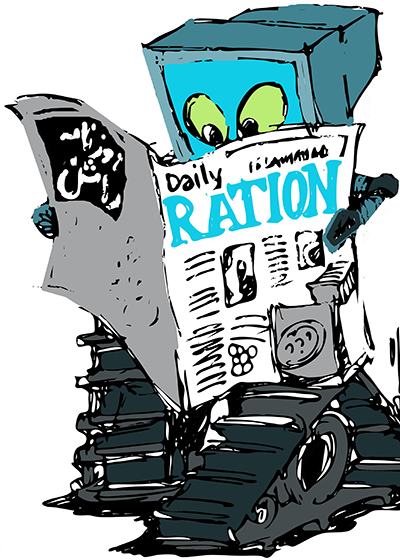
PHOTO: AI-generated; for illustrative purposes
Key Points
- Definition: a short paragraph that explains a story's core point and why it matters.
- Placement: typically appears after the lead to connect the event to broader context.
- Purpose: orients readers quickly and answers why the story deserves attention.
- Digital relevance: essential for mobile-first audiences and algorithm-driven distribution.
- Impact: improves clarity, engagement, and the likelihood of social and discovery visibility.
Key Questions & Answers
What is a nut graf?
A nut graf is a concise paragraph that states a story's central point and explains its significance.
Where should the nut graf appear?
It usually follows the lead paragraph or appears within the first few paragraphs to anchor the reader.
Why is the nut graf important in digital newsrooms?
It helps capture readers with short attention spans and clarifies why a story matters; this aids engagement and distribution on social and discovery platforms.
How long should a nut graf be?
Keep it brief-typically one paragraph of one to three sentences that clearly states the point and context.
Ask AI: Understand this story your way
AI EnabledDig deeper, ask anything — get instant context, background, and clarity.
Disclaimer: This feature is powered by AI and is intended to help readers explore and understand news stories more easily. While we strive for accuracy, AI-generated responses may occasionally be incomplete or reflect limitations in the underlying model. This feature does not represent the editorial views of JournalismPakistan. For our full, verified reporting, please refer to the original article.