.jpg)
The JournalismPakistan Global Media Brief | Edition 19 | May 8, 2026
JournalismPakistan.com | Published: 8 May 2026 | JP News Desk
Join our WhatsApp channel
Edition 19 surveys shifts across global media: Pulitzer-winning investigations, the death of CNN founder Ted Turner, newsroom layoffs, legal crackdowns and mounting AI debates. It highlights press freedom concerns and economic strain on Pakistani newsrooms.Summary
Editor's note
Welcome to the 19th edition of the JournalismPakistan Global Media Brief. This week’s developments reflect a media industry navigating a profound transition. From Pulitzer-winning investigations and the death of CNN founder Ted Turner to newsroom layoffs, legal crackdowns, and intensifying debates over AI, the global journalism landscape continues to evolve under political, technological, and economic pressure.
In South Asia, Pakistan remains at the center of growing concerns over press freedom, cybercrime enforcement, and newsroom sustainability. Across the world, media organizations are confronting shrinking revenues, labor unrest, digital disruption, and renewed scrutiny over access to information during conflict.
At the same time, investigative journalism continues to demonstrate its global relevance and impact, while new digital ventures and personality-led platforms signal changing audience habits and emerging models for international news delivery.
Global media power shifts
AP appoints Mike Balsamo to lead U.S. News — The Associated Press appointed veteran journalist Mike Balsamo as U.S. News director, tasking him with strengthening breaking news coverage and expanding digital and visual storytelling for global audiences (AP, May 4, 2026)
Pulitzer wins spotlight investigative journalism’s power — Reuters and AP won major 2026 Pulitzer Prizes for investigations into political retaliation, Meta’s AI risks, and global surveillance technology, underscoring journalism’s watchdog role amid mounting political and technological pressure on media institutions (Reuters, May 4, 2026; AP, May 4, 2026)
Indian journalists win Pulitzer for cybercrime exposé — Indian reporters secured top honors at the 2026 Pulitzer Prizes for investigations into cyber fraud and global surveillance systems, highlighting the cross-border nature of digital crime and the importance of visual storytelling in complex reporting (Pulitzer Prize Board, May 2026)
Ted Turner dies at 87 — CNN founder Ted Turner, who pioneered the 24-hour television news model, died at 87, marking the end of a defining era in global broadcast journalism and highlighting his lasting influence on real-time news coverage worldwide (Reuters, May 6, 2026)
India Global Review launches globally — Journalist Palki Sharma announced the launch of India Global Review, a digital-first global affairs platform headquartered in India with planned expansion across international markets and connected TV ecosystems, highlighting the rise of personality-led global media ventures in Asia (Public statement on X, May 7, 2026)
Asia Media Watch
Pakistan media debate over mixed-gender gyms escalates online — A social media dispute involving journalist Ansar Abbasi and political and media figures over mixed-gender gyms in Islamabad sparked wider discussion on cultural norms, regulation of public spaces, and online discourse dynamics in Pakistan’s media ecosystem (JournalismPakistan X posts, May 2-3, 2026)
Pakistan press freedom decline — Pakistan’s media landscape deteriorated in 2025 as PECA amendments triggered legal cases against journalists alongside arrests, digital restrictions, and economic pressure on media outlets, contributing to a decline in global press freedom rankings (HRCP report, May 4, 2026)
Pakistan media crisis deepens — An IFJ report documented rising legal pressure, journalist killings, digital crackdowns, and economic strain on newsrooms, highlighting systemic challenges facing independent journalism in Pakistan (IFJ, May 4, 2026)
Press freedom in Pakistan is under increasing pressure — DigiMAP warned of worsening media conditions, citing legal pressures, economic hardship, and journalist safety risks, while urging reforms and broader stakeholder consultation (DigiMAP statement, May 3, 2026)
Pakistan arrests 13 in cybercrime crackdown — Pakistan’s cybercrime agency arrested 13 individuals across Punjab in a crackdown on alleged “anti-state” social media activity, with suspects booked under the Prevention of Electronic Crimes Act. Authorities cited concerns over online content targeting state institutions, adding to wider debates over digital speech regulation and cyber law enforcement in the country (Dawn, May 6, 2026)
Indigenous journalists face rising risks in Asia — A multi-country study covering seven Asian nations found Indigenous journalists remain underrepresented in mainstream media and face censorship, economic exclusion, and heightened risks while reporting on land rights and environmental conflicts, raising concerns about newsroom diversity and press inclusion across the region (Regional research study, May 6, 2026)
Vietnam press freedom scrutiny intensifies — International advocacy groups renewed calls for the release of imprisoned journalist Phạm Đoan Trang following publication of the 2026 World Press Freedom Index, reviving scrutiny of Vietnam’s restrictions on independent journalism and online dissent amid broader regional concerns over media freedom (Reporters Without Borders, May 2026)
Shaheen Sehbai reveals brain surgery recovery — Veteran Pakistani journalist Shaheen Sehbai disclosed that he underwent successful brain tumor surgery in the United States after weeks away from broadcasts and online commentary, saying he plans to resume public engagement soon (X statement by Shaheen Sehbai, May 7, 2026)
Middle East media
EU lawmakers press Israel on Gaza media access — Sixty-one members of the European Parliament urged EU leaders to pressure Israel to allow foreign journalists into Gaza, citing concerns over restricted independent reporting and increasing risks faced by Palestinian journalists covering the war (Reuters, May 7, 2026)
Africa media update
No major Africa-focused media freedom, journalism, or press industry developments met the inclusion criteria for this edition.
Media business and sustainability
Pakistan ad suspension crisis — Media unions demanded restoration of government advertising to Dawn, warning of financial hardship for workers and risks to newsroom sustainability amid prolonged revenue disruption (APNEC statement, April 30, 2026)
NDTV posts 10th straight quarterly loss — Indian broadcaster NDTV reported losses for a tenth consecutive quarter as rising costs and weak advertising demand continued to pressure profitability across traditional television media (NDTV earnings statement, April 2026)
AP Guild buyouts prompt layoff concerns at Associated Press — The Associated Press Guild said 40 union-covered employees who accepted buyouts have left the newsroom, while management indicated further layoffs are expected without a clear timeline, raising concerns over newsroom stability and labor conditions at one of the world’s leading news organizations (Associated Press Guild X post, May 1, 2026)
BBC news cuts deepen — The BBC plans up to 2,000 job losses as part of a £600 million cost-saving drive, with its news division facing cuts of around 15 percent, raising concerns about the future of public service journalism and global news coverage (Reuters, May 2, 2026)
Samaa layoffs fears spark union protest warning — The Punjab Union of Journalists warned Samaa News management against possible layoffs and salary cuts linked to a “third-party evaluation” process, saying the move has created fear among employees and could trigger protests outside network offices. The union also sought financial support for the family of a deceased employee whose death it linked to workplace stress and fears of dismissal (Punjab Union of Journalists statement, May 6, 2026)
Media law and regulation
Pakistan YouTuber arrest disputed — The Counter-Terrorism Department arrested a YouTuber on terrorism-related charges, but family members and colleagues disputed the official account, raising concerns about due process and the treatment of digital media figures (BBC Urdu, May 2026)
Pakistan paper warns of media squeeze — A leading Pakistani newspaper warned of increasing restrictions, intimidation, and pressure on independent media, highlighting risks to democratic accountability and civil liberties (Dawn, May 3, 2026)
Pakistan journalists flag legal pressure shift — Media professionals warned that threats against journalists are increasingly shifting from physical violence to legal, regulatory, and economic tools, highlighting growing risks for independent journalism and digital reporters (Publicly available statements by speakers at the IBA-CEJ event, May 2, 2026)
Argentina eases palace press restrictions — Argentina’s government partially restored journalists’ access to the presidential palace after criticism, but maintained tighter accreditation rules and continued excluding some outlets, raising ongoing concerns over transparency and media independence (Reuters, May 2026)
Pakistan court confirms bail for journalists in PECA case — A district court in Islamabad confirmed bail for journalists Rizwan Ghalzai and Aqil Hussain Bagri in a case under the Prevention of Electronic Crimes Act, underscoring ongoing legal scrutiny of digital journalism and the role of cyber laws in regulating media activity (Pakistan Federal Union of Journalists, May 6, 2026)
NCCIA gains sole role in cybercrime investigations — A Senate subcommittee was informed that cybercrime complaints, including cases involving journalists, are now being routed exclusively through the National Cyber Crime Investigation Agency under PECA 2025 reforms, with police stations no longer authorized to register such FIRs (Pakistan Senate press release, May 7, 2026)
Pakistan considers provincial cybercrime bodies — A Senate subcommittee was informed that provincial governments are exploring dedicated cybercrime units as Pakistan faces a surge in online complaints. NCCIA reported around 154,000 cases in the past year, while officials highlighted challenges involving fake accounts, fraud, and cross-border platform cooperation (Pakistan Senate press release, May 7, 2026)
Platforms and technology
McClatchy reporters withhold bylines over AI — Journalists across the U.S. newspaper chain protested AI tools that rewrite and repurpose their work, raising concerns over attribution, accuracy, and labor rights as newsrooms grapple with automation (Columbia Journalism Review, April 2026)
Pakistan warns fake social media accounts fueling cybercrime risks — A Senate subcommittee was informed that nearly 20 percent of social media accounts in Pakistan may be fake and linked to fraud, harassment, and blackmail, as officials highlighted rising cybercrime complaints, anonymity challenges, and the need for stronger cooperation with global digital platforms (Pakistan Senate press release, May 6, 2026)
Press freedom and journalist safety
Philippines journalist killing sparks probe calls — Community journalist RJ Nichole Ledesma was killed during a Philippine Army anti-insurgency operation in Negros Occidental, prompting the Committee to Protect Journalists to demand an independent investigation amid ongoing concerns over impunity in media killings (CPJ, April 30, 2026)
China urged to grant medical parole to jailed journalist — CPJ called on Chinese authorities to release journalist Dong Yuyu for urgent medical treatment after a lung tumor and heart condition were detected, raising concerns over detainee health and press freedom in China (CPJ, May 5, 2026)
Press freedom incidents are reported in detail in the JP Press Freedom Tracker, published every Sunday. Read our latest Tracker. The next edition will be available on May 17, 2026.
WHY THIS MATTERS: This week’s developments highlight how journalism worldwide is being reshaped simultaneously by political pressure, economic instability, technological disruption, and changing audience behavior. In Pakistan and across Asia, cybercrime laws, legal cases, arrests, and economic strain continue to redefine the risks faced by journalists and independent media organizations. At the same time, newsroom layoffs and revenue pressures at major global organizations such as the BBC, AP, and NDTV reflect an industry still struggling to build sustainable business models in the digital era. The growing role of AI in journalism is also emerging as a defining issue, fueling tensions over labor rights, editorial control, accuracy, and ownership of journalistic work. Meanwhile, the success of Pulitzer-winning investigations demonstrates that accountability reporting remains essential despite increasing political and commercial pressure. Together, these developments show that the future of journalism will increasingly depend on how media organizations balance press freedom, sustainability, technological change, and public trust in a rapidly evolving global information environment.
ATTRIBUTION: Compiled by JournalismPakistan
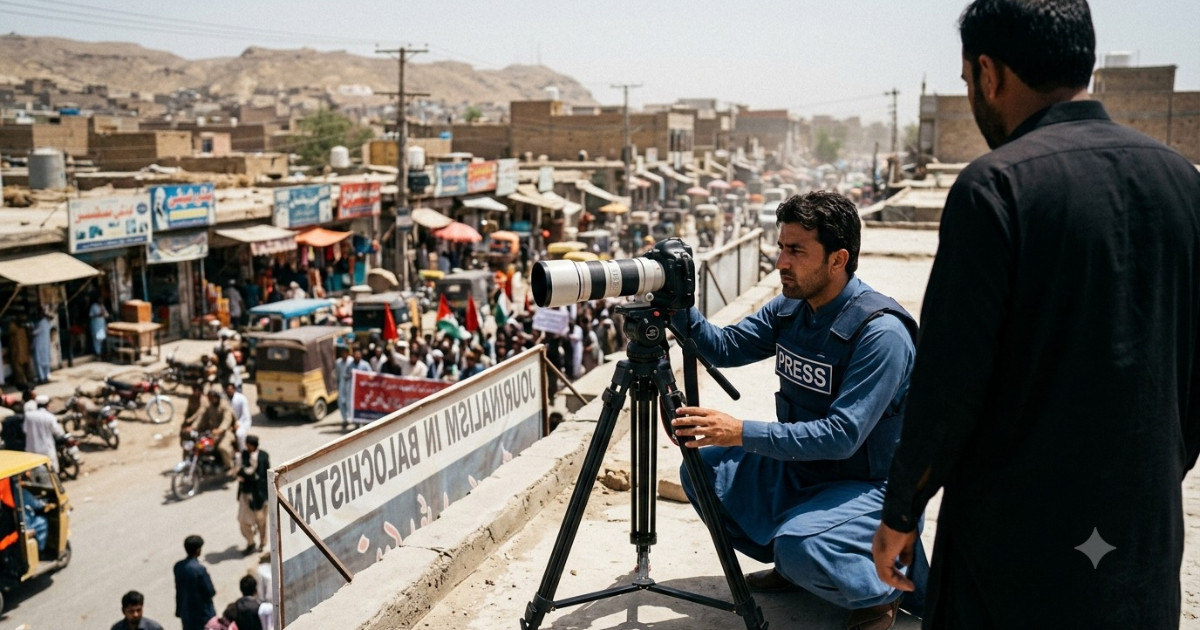
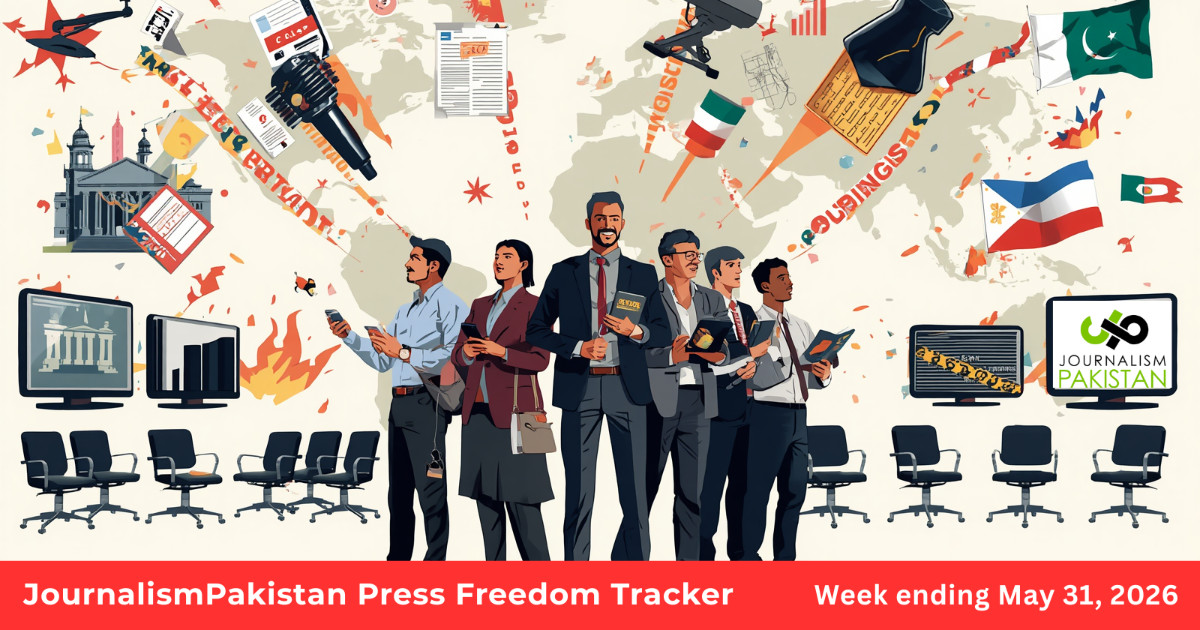
PHOTO: AI-generated; for illustrative purposes
Key Points
- Major Pulitzer wins by Reuters and AP highlight the continued impact of investigative journalism.
- AP names Mike Balsamo as U.S. News director to bolster breaking and visual storytelling.
- The death of CNN founder Ted Turner marks a notable moment in media history.
- Newsroom layoffs and economic pressures are widespread, with Pakistani outlets facing sustainability challenges.
- Legal crackdowns, cyber enforcement and intensifying AI debates are reshaping press freedom and newsroom practices.
Key Questions & Answers
What does this edition cover?
Edition 19 reviews major global media developments, including investigative wins, the death of CNN founder Ted Turner, newsroom layoffs, legal measures and debates over AI's impact on journalism.
Why is Pakistan a focus in the brief?
Pakistan is highlighted due to growing concerns over press freedom, increasing cybercrime enforcement and the financial sustainability challenges facing local newsrooms.
What were the notable Pulitzer-related stories?
Reuters and AP won major Pulitzers for investigations into political retaliation, Meta's AI risks and global surveillance technology, underscoring journalism's watchdog role.
How are AI debates affecting the media?
AI discussions are intensifying around newsroom workflows, content risks and accountability, prompting policy scrutiny and debate over ethical and operational impacts on journalism.
Relevant Topics
Ask AI: Understand this story your way
AI EnabledDig deeper, ask anything — get instant context, background, and clarity.
Disclaimer: This feature is powered by AI and is intended to help readers explore and understand news stories more easily. While we strive for accuracy, AI-generated responses may occasionally be incomplete or reflect limitations in the underlying model. This feature does not represent the editorial views of JournalismPakistan. For our full, verified reporting, please refer to the original article.