.png)
The JournalismPakistan Global Media Brief | Edition 18 | May 1, 2026
JournalismPakistan.com | Published: 1 May 2026 | JP News Desk
Join our WhatsApp channel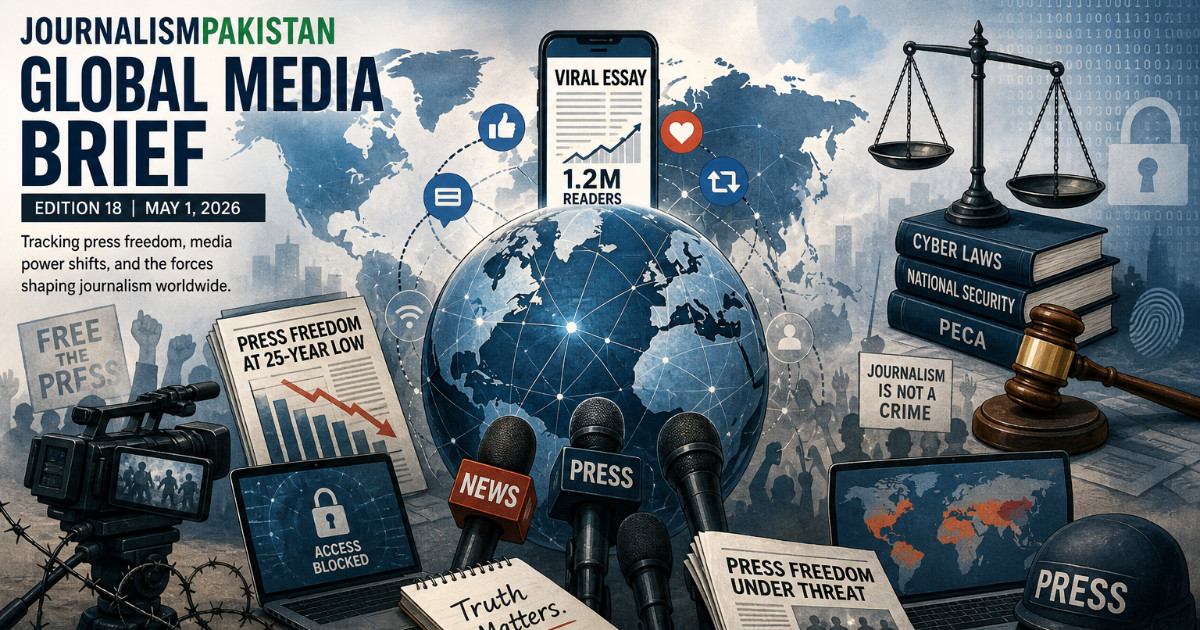
The 18th JournalismPakistan Global Media Brief outlines shifts in media influence, spotlighting Dan Qayyum's viral piece on weakening newsroom gatekeeping, a 25-year low in press freedom, and intensifying legal and digital pressures on journalists.Summary
Editor's note
Welcome to the 18th edition of the JournalismPakistan Global Media Brief, where we track key developments shaping press freedom, newsroom economics, media regulation, and the evolving power dynamics of global journalism. This edition highlights a growing structural shift in how information is produced, distributed, and controlled, alongside renewed legal and digital pressures facing journalists across multiple regions. From rising restrictions under security and cyber laws to debates over editorial authority and platform-driven disruption, the global media landscape continues to fragment under competing forces of control and independence.
Global media power shifts
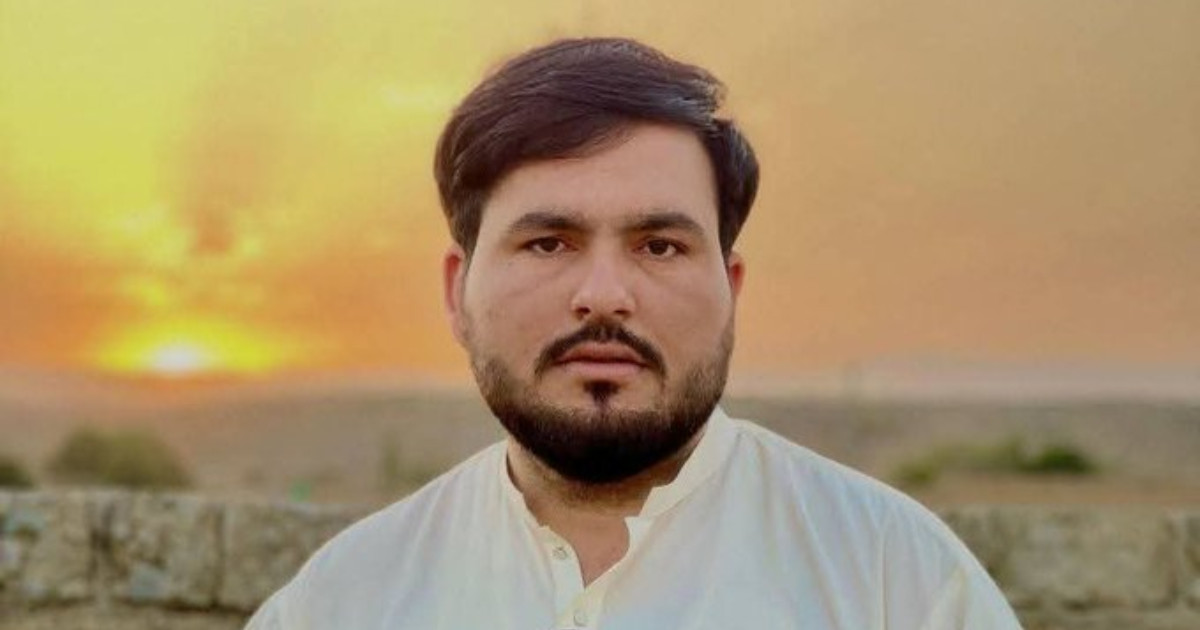
Viral essay fuels debate over newsroom gatekeeping — Journalist Dan Qayyum’s long-form article, reportedly reaching 1.2 million readers in three days, has triggered debate over the declining influence of traditional editorial gatekeeping and the rise of independent digital distribution in global media ecosystems. Qayyum argues that audiences are increasingly bypassing legacy newsroom control, reflecting a broader shift in how journalism circulates outside institutional frameworks (JournalismPakistan, based on publicly available posts by Dan Qayyum on X, April 2026)
Global press freedom falls to 25-year low — Reporters Without Borders’ 2026 World Press Freedom Index finds 52.2% of countries now classified in “difficult” or “very serious” press freedom categories, marking the worst global score since 2001. The report attributes the decline to rising legal pressure, conflict-related risks, and political interference targeting journalism worldwide (Reporters Without Borders, April 30, 2026)
Asia media watch
Journalist Matiullah Jan exits Neo News amid backlash — Senior Pakistani journalist Matiullah Jan has announced an abrupt exit from Neo News following controversy over a private event involving foreign journalists, triggering debate over media ethics, professional boundaries, and press freedom norms (JournalismPakistan, April 28, 2026)
Pakistan journalists’ dispute escalates — A public dispute involving senior journalist Matiullah Jan, press club officials, and journalist unions has intensified through competing statements and social media exchanges, raising concerns over internal divisions within the media community and their impact on collective advocacy (JournalismPakistan, April 30, 2026)
Asia-Pacific press freedom declines — Press freedom conditions have deteriorated across the Asia-Pacific region, with more than half of countries now rated “difficult” or worse. The report highlights increasing use of cybersecurity and national security laws to restrict journalism. Pakistan ranks 153rd in 2026, improving slightly from 158th but remaining under significant pressure (Reporters Without Borders, April 30, 2026)
Middle East Media
No entries were recorded this week in the Middle East Media section.
Africa media update
Zambia cancels RightsCon 2026 — Zambia’s government abruptly canceled the global digital rights conference days before its May 5 opening in Lusaka, disrupting participation by thousands of journalists, activists, and policymakers. The move has raised concerns about restrictions on dialogue surrounding online freedoms (Tech Policy Press, April 2026; Index on Censorship, April 2026)
Media business and sustainability
Pakistan media pressure shifts indirectly — Dawn Media CEO Hameed Haroon says Pakistan’s media sector is increasingly facing indirect economic and institutional pressure, including advertising constraints and financial strain on independent outlets. He notes a shift from overt censorship toward less visible mechanisms that affect newsroom sustainability and editorial independence (Dawn, April 30, 2026)
Media law and regulation
Pakistan arrests suspects in anchor harassment case — Authorities in Pakistan have initiated arrests and legal proceedings after journalist Gharidah Farooqi filed a complaint over a coordinated online harassment campaign. The case underscores enforcement of cybercrime laws and growing concerns about gender-based digital abuse targeting women in media (JournalismPakistan, April 24, 2026)
Pakistan PECA case names journalists, Rehman held — Senior journalist Fakhar ur Rehman was arrested after the NCCIA registered a PECA case on April 20, naming multiple journalists and alleging dissemination of online content. The PFUJ confirmed his detention and expected court appearance (JournalismPakistan, April 25, 2026)
Kuwait frees detained journalist— U.S.-Kuwaiti journalist Ahmed Shihab-Eldin has left Kuwait after nearly two months in detention over social media posts linked to war coverage. The case highlights rising legal risks for digital reporting during regional conflict (Reuters, April 25, 2026)
US media ethics debate intensifies after CBS interview — A 60 Minutes interview featuring Donald Trump sparked controversy after CBS aired excerpts from a manifesto linked to a suspect in a reported shooting near the White House Correspondents’ Dinner. The incident has renewed debate over editorial responsibility in handling extremist content and the risks of amplifying unverified claims (Reuters, April 26, 2026)
Pakistan court grants bail in PECA case — A judicial magistrate in Islamabad granted post-arrest bail to senior journalist Fakhar ur Rehman, arrested by the NCCIA under the Prevention of Electronic Crimes Act over alleged dissemination of “false and misleading information” on X, highlighting ongoing legal scrutiny of journalists’ digital activity (Dawn, April 27, 2026)
Platforms and technology
US-led cyber scam crackdown disrupts reporting channels — A coordinated U.S.-led operation targeting cyber scam networks in Cambodia and Myanmar has led to arrests, sanctions, and the dismantling of online recruitment and communication platforms. The disruption has affected access to digital evidence and investigative leads used by journalists covering transnational crime and trafficking (Reuters, April 25, 2026)
Press freedom and journalist safety
Tunisian journalist detained over judiciary criticism — A journalist in Tunisia was arrested on April 24 after publishing a commentary critical of the judiciary, prompting condemnation from press freedom advocates and the national journalists’ union. The case underscores growing concerns over shrinking media space and increasing legal pressure on opinion journalism under President Kais Saied’s rule since 2021 (Reuters, April 24, 2026)
White House dinner shooting sparks security review — Gunfire near the White House Correspondents’ Dinner in Washington forced the evacuation of senior officials, including the president and vice president, disrupting a major media event and prompting an investigation into security protocols for high-profile journalism gatherings (Reuters, Al Jazeera, April 26, 2026; The Guardian, April 25, 2026)
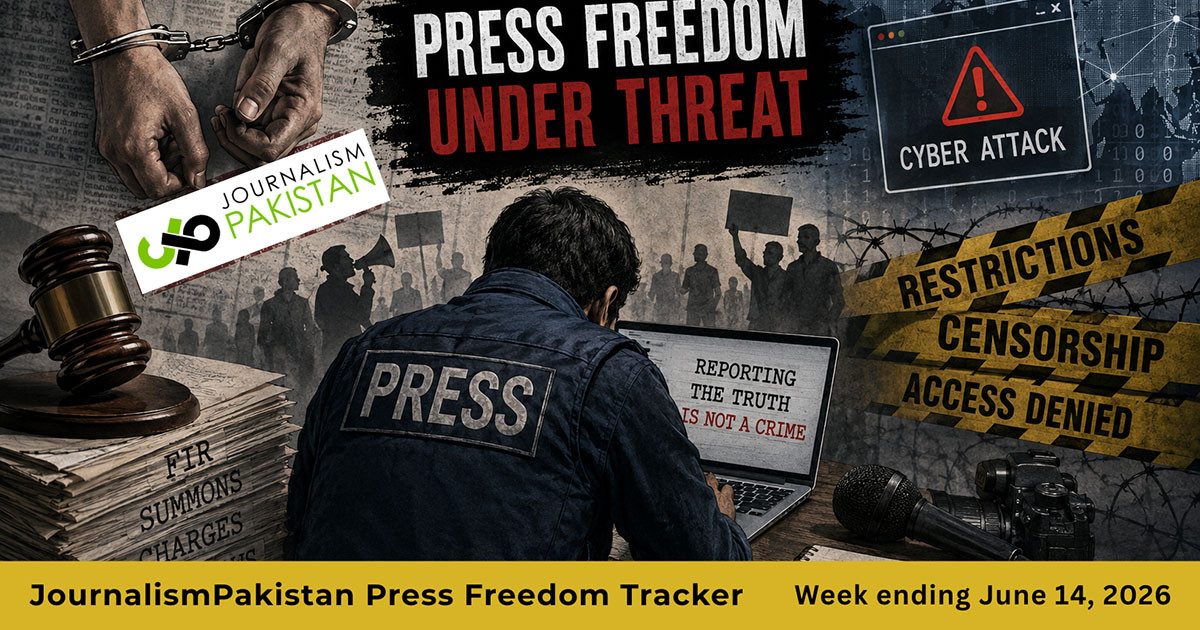
Press freedom incidents are reported in detail in the JP Press Freedom Tracker, published every Sunday. Read our latest Tracker. The next edition will be available on May 10, 2026.
WHY THIS MATTERS: This edition underscores a global journalism ecosystem under simultaneous structural, legal, and technological pressure. Traditional newsroom authority is being challenged by decentralized digital influence, while press freedom indicators continue to decline across multiple regions. At the same time, governments are increasingly relying on legal frameworks, cyber laws, and regulatory tools to shape information flows, often blurring the line between legitimate governance and restrictions on journalistic work. The convergence of these trends signals a defining moment for global media: one in which sustainability, safety, and editorial independence are no longer separate issues, but interconnected pressures reshaping the very foundations of journalism.
ATTRIBUTION: Compiled by JournalismPakistan
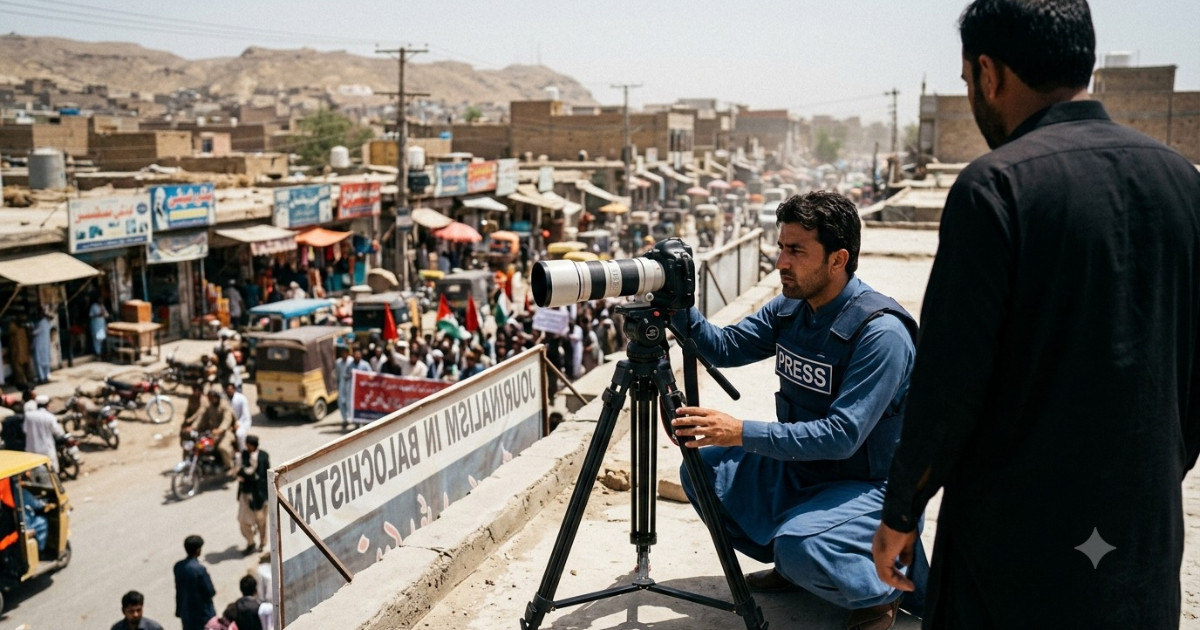
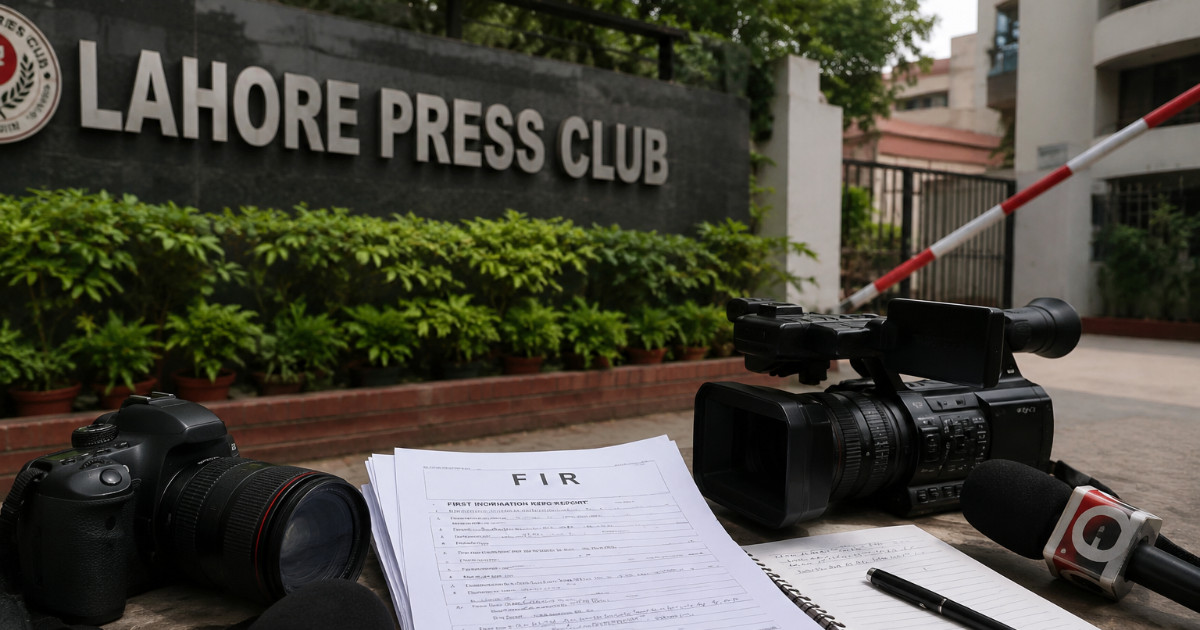
PHOTO: AI-generated; for illustrative purposes
Key Points
- Dan Qayyum's long-form essay reportedly reached about 1.2 million readers and sparked debate on newsroom gatekeeping.
- Reporters Without Borders' 2026 index records the worst global press freedom score since 2001, with 52.2% of countries in difficult or very serious categories.
- Governments are increasingly using security and cyber laws to restrict journalists and online information distribution.
- Independent digital distribution and platform-driven models are challenging traditional editorial control.
- Media regulation and newsroom economics are reshaping journalistic independence and information flows.
Key Questions & Answers
What does this edition focus on?
It examines shifting media power, debates over newsroom gatekeeping, a decline in global press freedom, and growing legal and digital pressures on journalists.
Who is Dan Qayyum and why is he mentioned?
Dan Qayyum is a journalist whose long-form essay went viral, reaching roughly 1.2 million readers and igniting discussion about the declining role of traditional editors.
What did the Reporters Without Borders 2026 index find?
The 2026 World Press Freedom Index reports the worst global score since 2001, noting that 52.2% of countries are now in "difficult" or "very serious" press freedom categories.
What are the main threats to journalism highlighted here?
The brief highlights rising legal restrictions, expanded use of security and cyber laws, economic pressures on newsrooms, and disruption from platform-driven distribution.
Relevant Topics
Ask AI: Understand this story your way
AI EnabledDig deeper, ask anything — get instant context, background, and clarity.
Disclaimer: This feature is powered by AI and is intended to help readers explore and understand news stories more easily. While we strive for accuracy, AI-generated responses may occasionally be incomplete or reflect limitations in the underlying model. This feature does not represent the editorial views of JournalismPakistan. For our full, verified reporting, please refer to the original article.