
HRCP report shows media squeezed by PECA
JournalismPakistan.com | Published: 4 May 2026 | JP Staff Report
Join our WhatsApp channel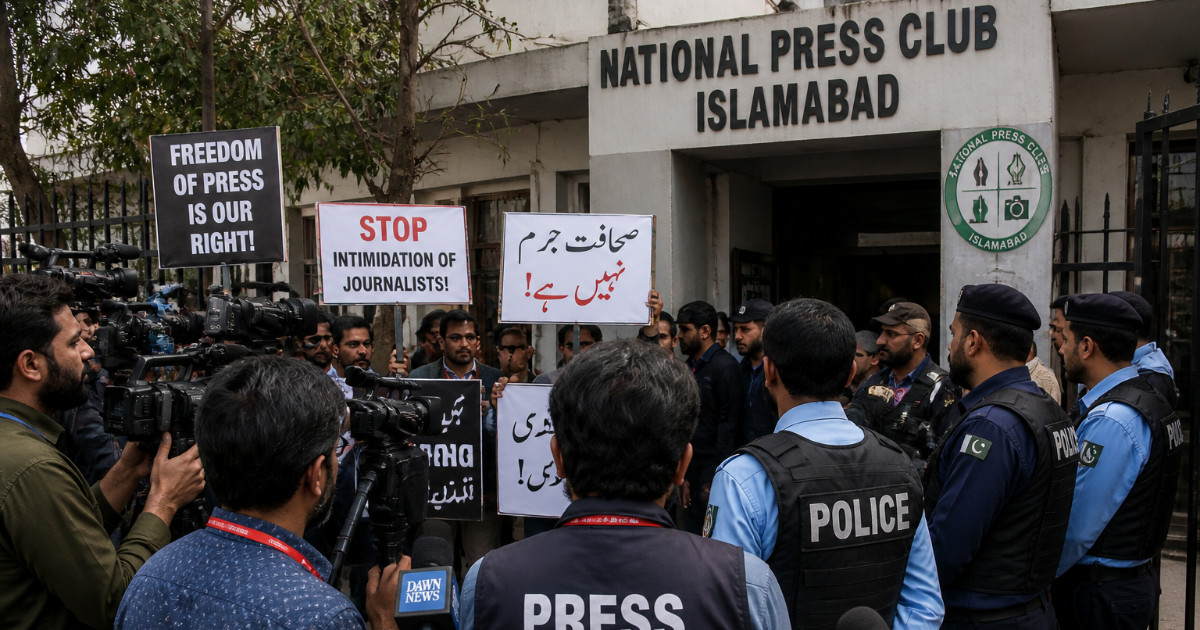
HRCP's State of Human Rights in 2025 says media freedom in Pakistan worsened after PECA amendments, citing legal actions, financial probes, arrests, abductions and digital restrictions used against journalists, activists and critics.Summary
ISLAMABAD — Pakistan’s media environment came under intensified pressure in 2025, with new legal measures, economic coercion, and targeted actions against journalists contributing to a measurable decline in press freedom, according to the Human Rights Commission of Pakistan’s latest annual report released Monday.
The report, titled State of Human Rights in 2025, documents how freedom of expression remained one of the most vulnerable rights during the year, as authorities increasingly relied on legal and administrative tools to curb dissent. It highlights the passage of amendments to the Prevention of Electronic Crimes Act (PECA) as a central development, warning that the law was used to target journalists, activists, and political workers.
Legal changes deepen pressure on journalists
The amended PECA law, passed early in 2025, drew widespread criticism from rights groups and legal experts, who argued that it undermined constitutional protections and international human rights obligations. According to the report, these concerns materialized over the course of the year, with multiple cases filed against journalists accused of spreading “false information” or engaging in “anti-state” activity.
The report notes that individuals critical of state institutions faced investigations, arrests, and restrictions, including the freezing of bank accounts and limits on movement. In several cases, journalists and their family members were affected by financial probes initiated by authorities.
Arrests, abductions, and digital curbs reported
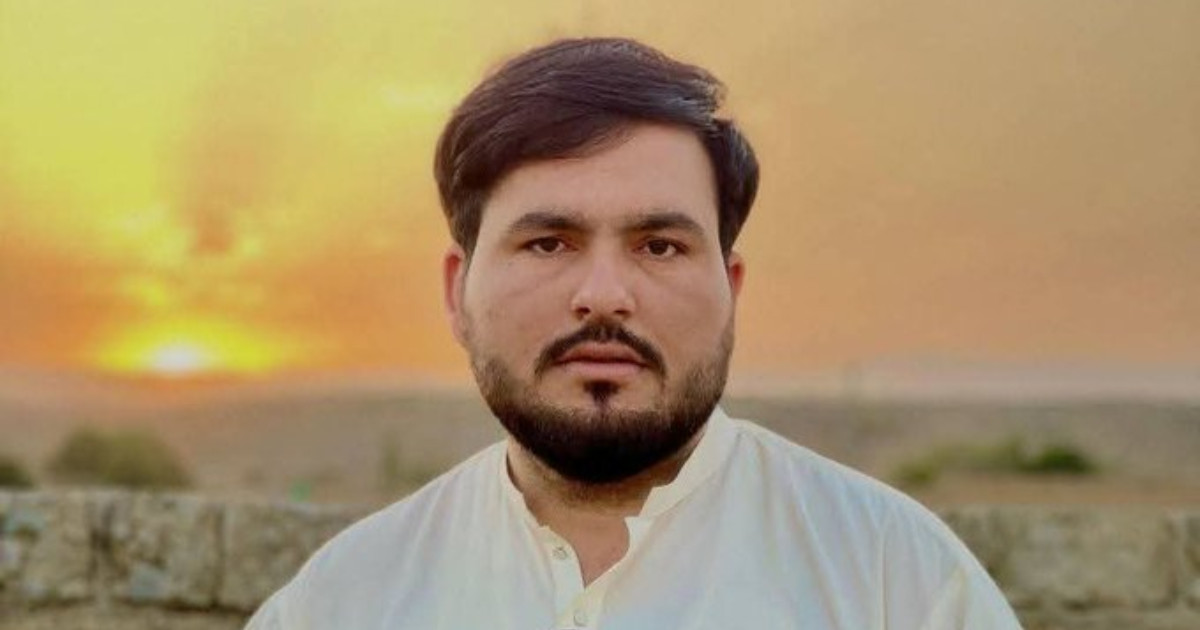
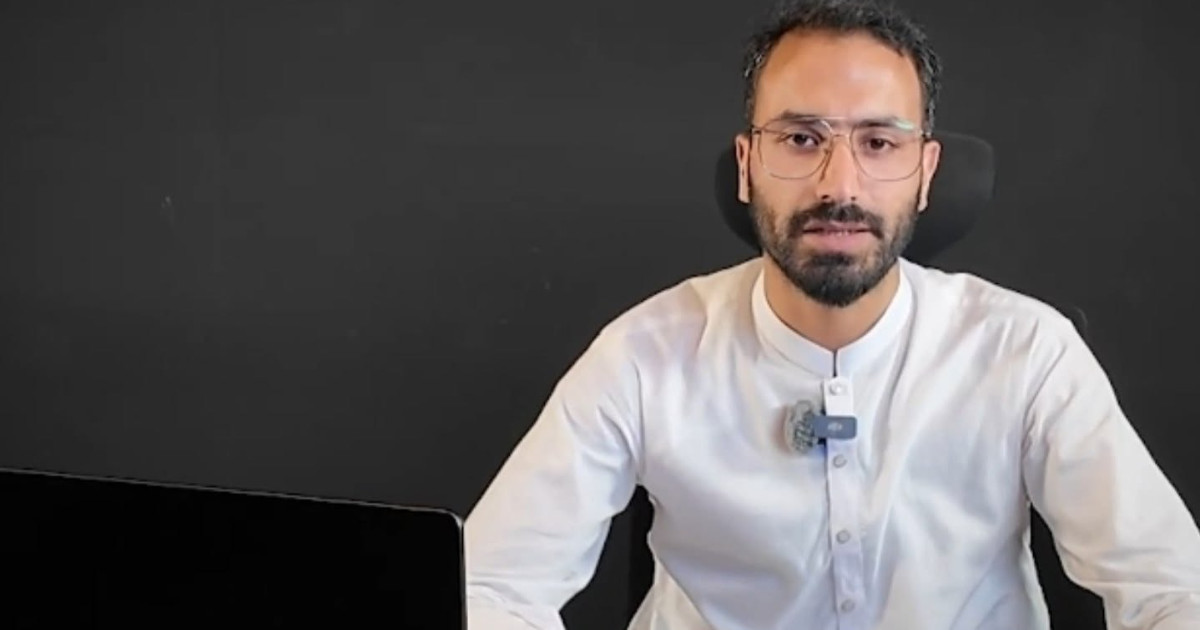
Among documented incidents, journalist Waheed Murad was allegedly taken from his home in Islamabad and later produced in court under PECA-related charges. Journalist Khalid Jamil was arrested and subsequently released, though legal proceedings continued into 2026. Cases were also registered against investigative journalist Ahmad Noorani, while authorities blocked access to his online content within Pakistan.
The report further details the arrest of Sohrab Barkat and continued legal challenges faced by Matiullah Jan, including claims that financial accounts linked to his family were frozen. In addition, at least 27 YouTube channels were temporarily suspended during the year over allegations of disseminating anti-state content.
Beyond legal actions, the report highlights physical risks faced by journalists. Police were reported to have raided the National Press Club in Islamabad in October, allegedly assaulting journalists covering a protest. The Council of Pakistan Newspaper Editors separately recorded five journalist killings, along with multiple cases of harassment, legal action, and attacks on media offices.
Economic pressure and self-censorship rise
The HRCP report also points to economic measures used to influence editorial independence. It specifically cites the denial of government advertising to critical outlets, including Dawn Media Group, as a form of financial pressure that weakened independent journalism.
Such actions, combined with legal risks and physical threats, contributed to a climate of self-censorship. The report states that journalists increasingly avoided sensitive topics, particularly those related to enforced disappearances and state institutions, leading to reduced reporting on human rights violations.
Pakistan’s position in the 2025 World Press Freedom Index fell to 158 out of 180 countries, reflecting what rights groups describe as a worsening environment marked by censorship, legal constraints, and economic challenges.
WHY THIS MATTERS: The findings underscore how legal tools like PECA can reshape newsroom practices, pushing journalists toward self-censorship to avoid legal and financial risks. For Pakistani media professionals, the report highlights the growing importance of legal awareness, digital security, and institutional backing. It also signals a tightening space for investigative reporting, particularly on state-related issues.
ATTRIBUTION: Reporting by JournalismPakistan, based on the Human Rights Commission of Pakistan’s State of Human Rights in 2025 report (May 2026) and publicly documented data from the Council of Pakistan Newspaper Editors (2025).
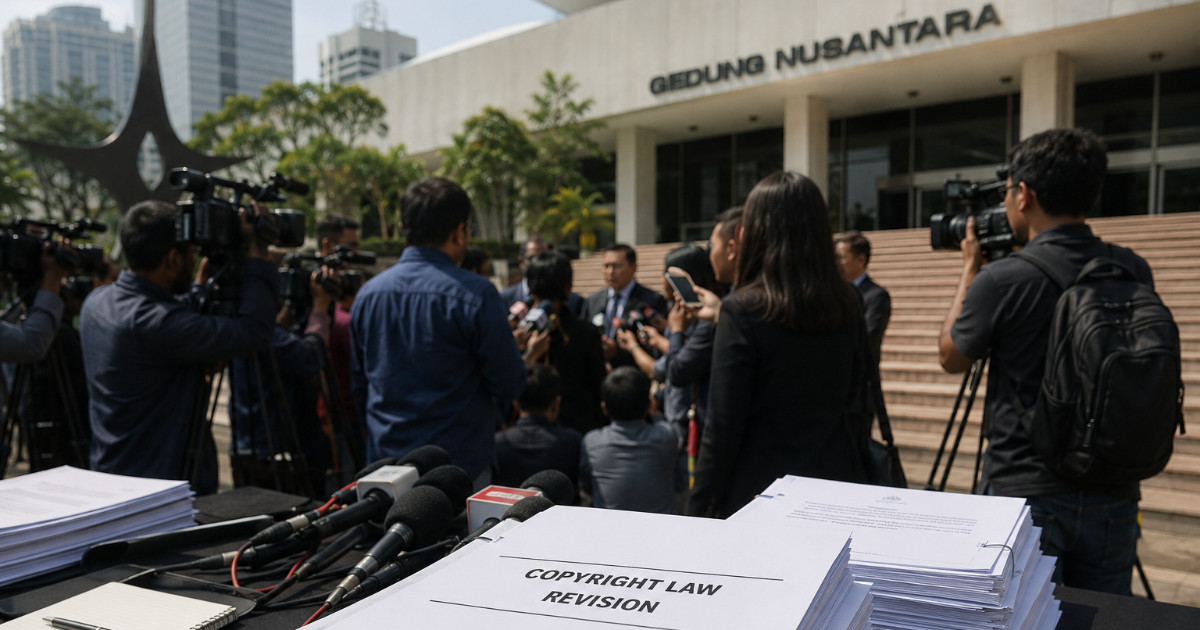
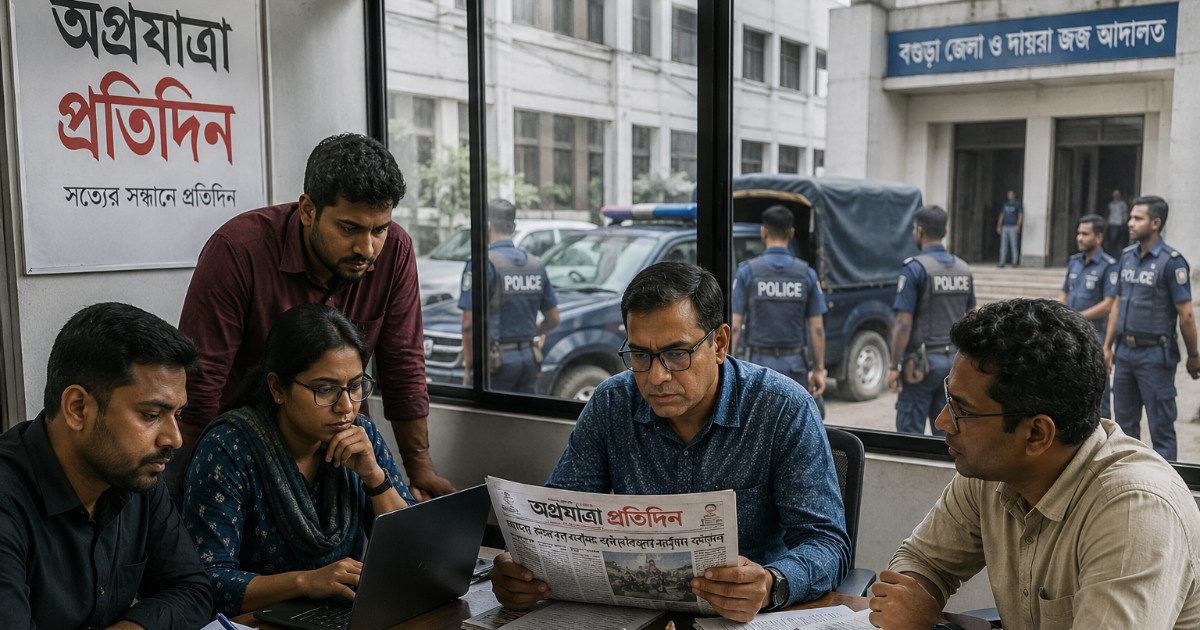
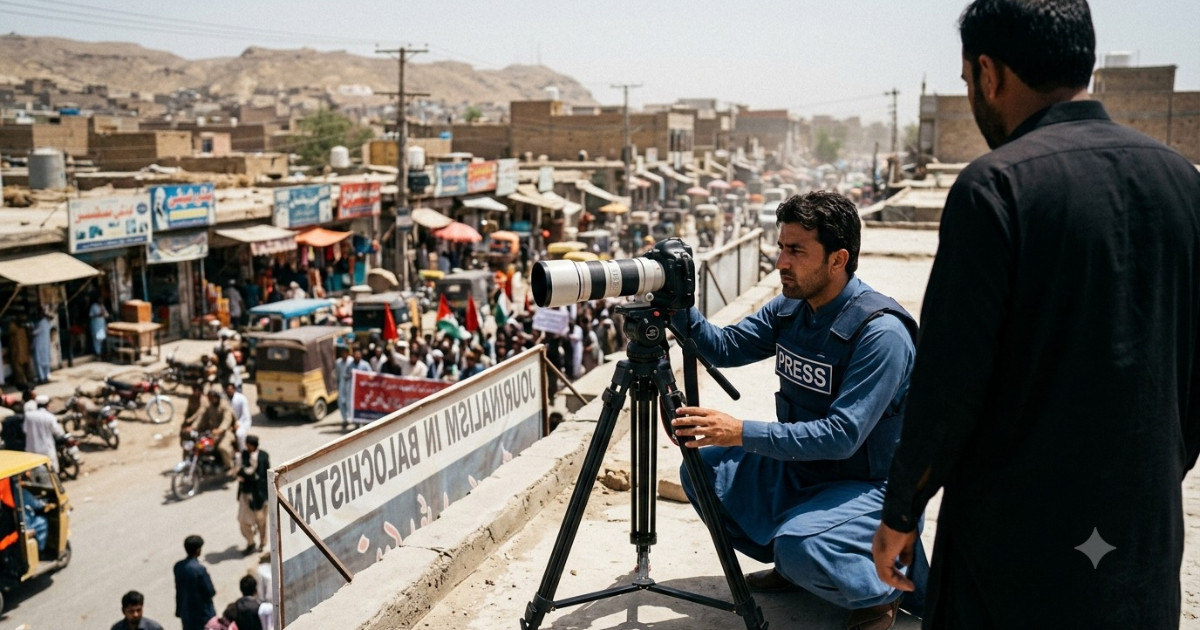
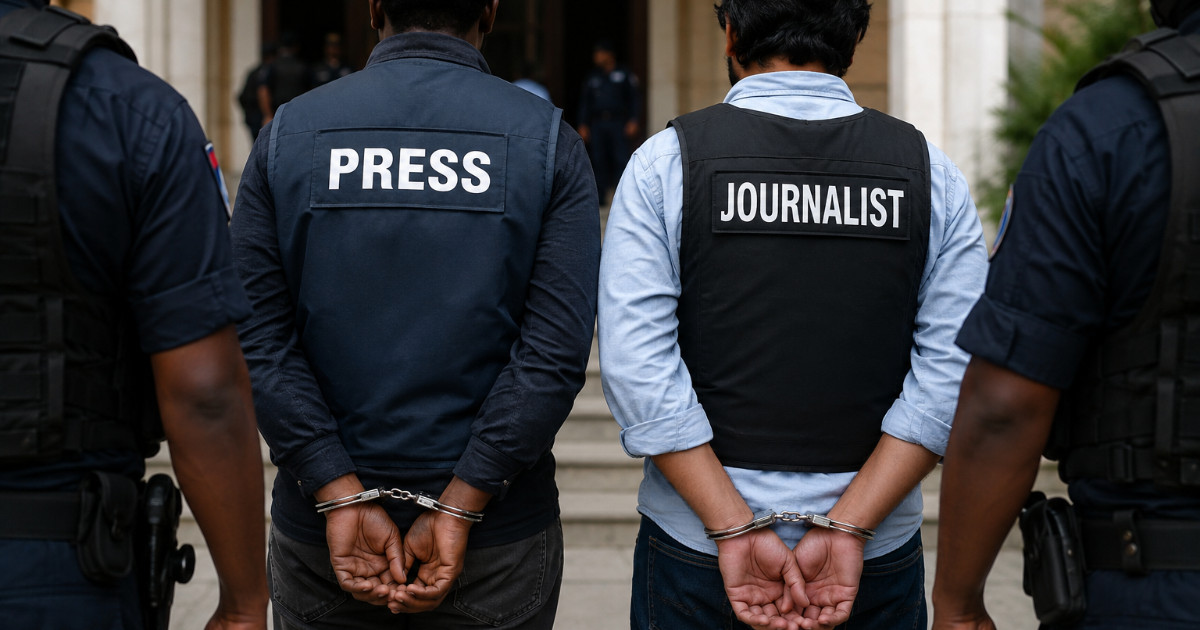
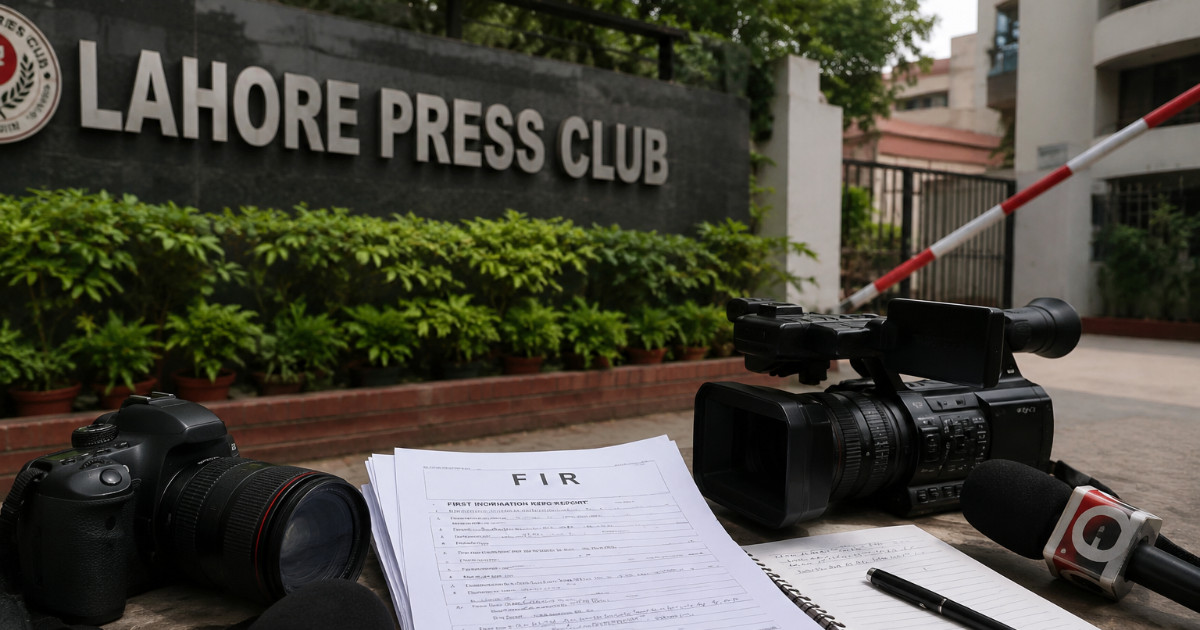
PHOTO: AI-generated; for illustrative purposes only.
Key Points
- HRCP's 2025 report documents increased pressure on media following PECA amendments.
- Legal cases, financial probes and account freezes targeted journalists and critics.
- Arrests, reported abductions and movement restrictions affected media workers and activists.
- Digital curbs and online surveillance were used to curb dissent and reporting.
- Report warns these measures erode constitutional protections and freedom of expression.
Key Questions & Answers
What does the HRCP report say about media freedom?
The report states that media freedom worsened in 2025, citing PECA amendments and a rise in legal, financial and digital measures used against journalists and critics.
How was PECA used according to the report?
The report warns amendments to PECA were invoked to file cases, restrict online speech and target journalists, activists and political workers.
Who were reported to be affected?
Journalists, activists, political workers and sometimes their family members faced investigations, arrests, account freezes and movement limits.
What does HRCP urge authorities to do?
The report urges safeguards for constitutional protections and adherence to human rights obligations to protect freedom of expression and journalism.
Relevant Topics
Ask AI: Understand this story your way
AI EnabledDig deeper, ask anything — get instant context, background, and clarity.
Disclaimer: This feature is powered by AI and is intended to help readers explore and understand news stories more easily. While we strive for accuracy, AI-generated responses may occasionally be incomplete or reflect limitations in the underlying model. This feature does not represent the editorial views of JournalismPakistan. For our full, verified reporting, please refer to the original article.