

IFJ report highlights systemic pressure on Pakistan media
JournalismPakistan.com | Published: 4 May 2026 | JP Global Monitoring
Join our WhatsApp channel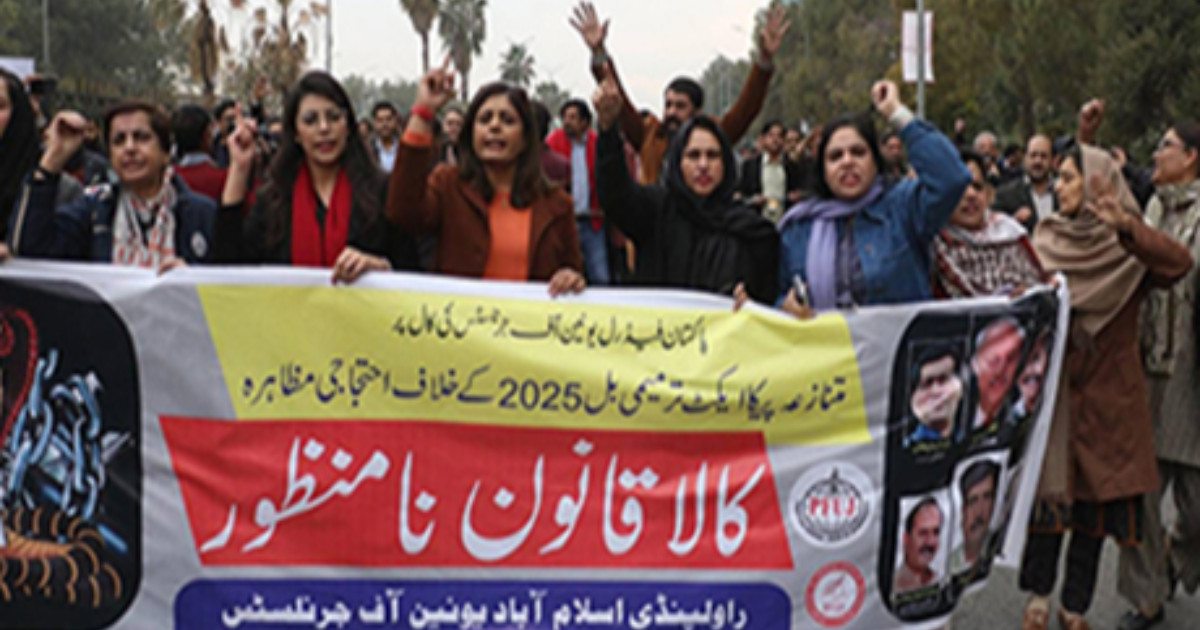
The IFJ's Pakistan Press Freedom Report 2025-26 records a year of deepening restrictions from May 1, 2025 to April 30, 2026, citing PECA 2025 amendments, NCCIA enforcement and increased legal actions, violence and economic pressure on independent media.Summary
ISLAMABAD—Pakistan’s media landscape is facing a sustained and systemic decline, according to the International Federation of Journalists’ (IFJ) Pakistan Press Freedom Report 2025–26, which documents a year marked by intensifying legal pressure, violence against journalists, and worsening economic conditions for news organizations.
Released on May 4, the report covers the period from May 1, 2025, to April 30, 2026, and describes an environment in which independent journalism is under increasing strain from what it calls “digital authoritarianism,” restrictive legislation, and shrinking financial space for media outlets.
PECA amendments tighten state control
Central to the report’s findings is the impact of the 2025 amendments to the Prevention of Electronic Crimes Act (PECA), which the IFJ says have significantly expanded state powers over digital spaces. Authorities have used the amended law to pursue journalists over online content, including cases in which anti-terrorism courts issued life sentences in absentia. The establishment of the National Cyber Crime Investigation Agency (NCCIA) has further intensified enforcement, with increased raids, summons, and blocking of journalists’ digital platforms.
The IFJ report argues that these measures, introduced under the stated objective of combating “fake news” and “digital terrorism,” have instead created a framework that enables surveillance and restricts dissent, particularly in online journalism.
Violence and intimidation persist
The reporting period also saw continued violence against journalists. The IFJ recorded at least three targeted killings: A. D. Shar in Sindh, Abdul Latif Baloch in Balochistan, and Imtiaz Mir in Karachi. Other incidents included a police raid on the National Press Club in Islamabad in October 2025, during which equipment was damaged, and journalists were assaulted, as well as attacks on reporters at a political press conference and gunfire targeting the residence of a television correspondent in March 2026.
These incidents, the report notes, reflect an ongoing climate of intimidation in which journalists face both physical threats and institutional pressure.
Economic pressure and job losses mount
Beyond security concerns, the report highlights growing financial strain within the media sector. The use of government advertising as leverage over editorial policy remains a key concern, with the near-total suspension of ads to the Dawn Media Group cited as an example of economic pressure aimed at influencing coverage.
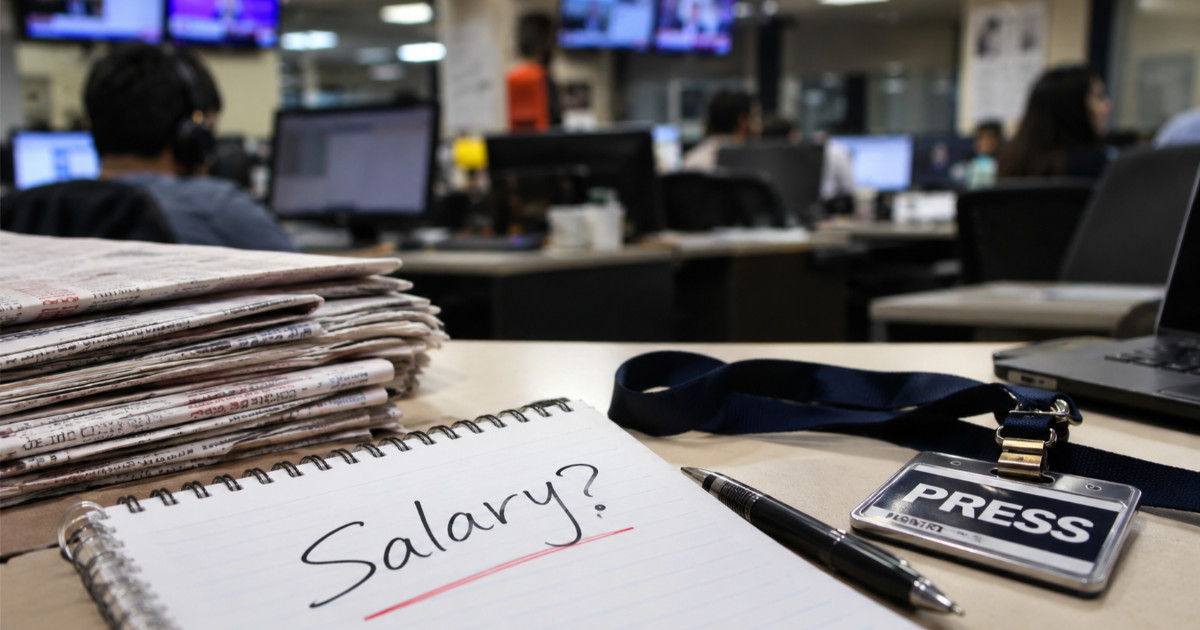
At the same time, media organizations have faced layoffs, wage delays, and increasing reliance on precarious employment. Job losses at outlets such as NewsOne TV, DawnNews.tv, and Samaa TV underscore the broader instability affecting the industry, raising concerns about long-term sustainability and editorial independence.
Women journalists face rising digital threats
Women journalists in Pakistan continue to encounter heightened risks, including online harassment, censorship, and financial restrictions such as the freezing of bank accounts. The report also documents the use of deepfake technology to target women in media, highlighting a growing digital dimension to gender-based harassment.
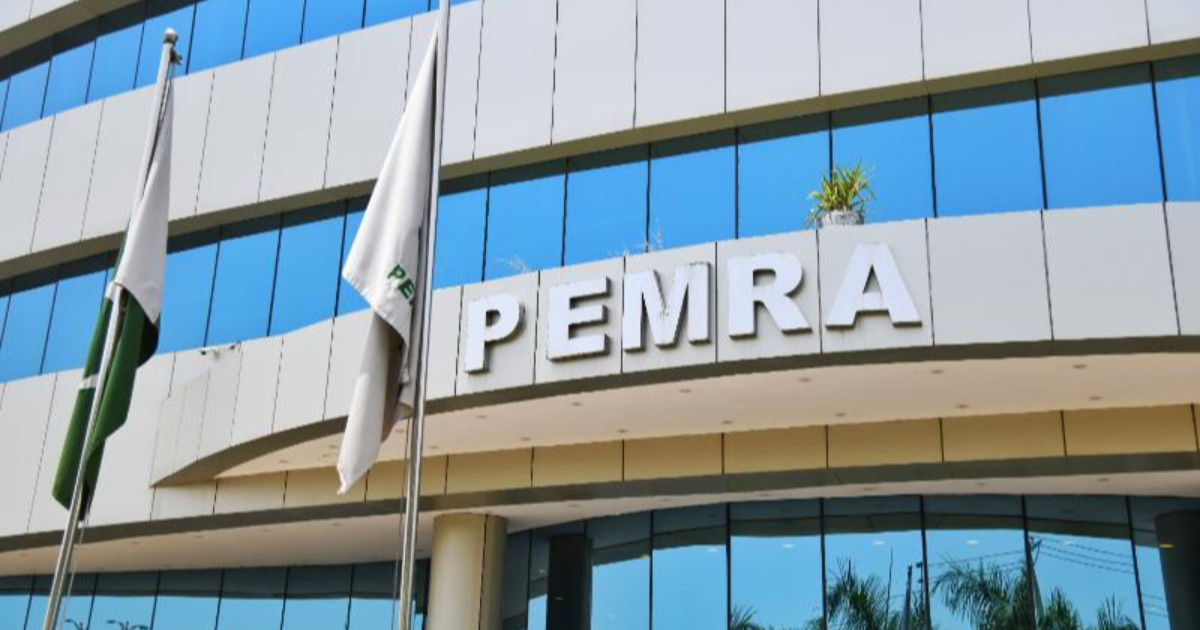
Despite these challenges, the report notes progress in representation, including the appointment of Ambreen Jan as the first woman to head the Pakistan Electronic Media Regulatory Authority (PEMRA) in February 2026, alongside ongoing initiatives to promote women’s leadership in media organizations.
Unions push back amid shrinking space
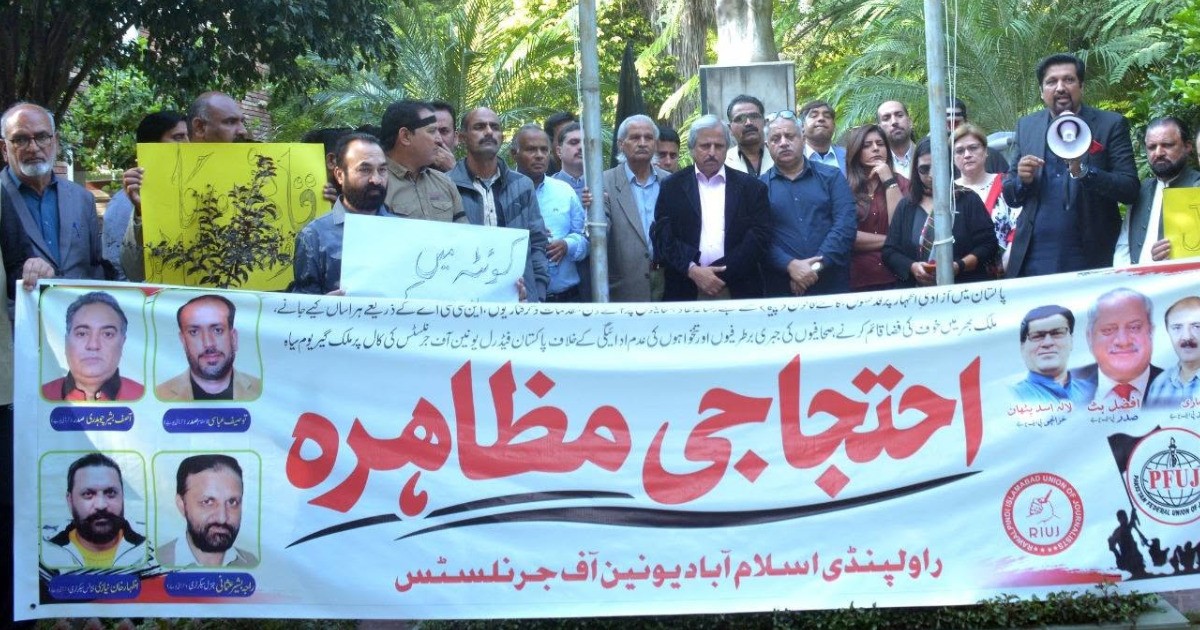
Journalist unions and advocacy groups have continued efforts to address these challenges through organized campaigns and institutional development. Under an IFJ-supported program backed by the National Endowment for Democracy, organizations such as the Pakistan Federal Union of Journalists (PFUJ), the Rawalpindi Islamabad Union of Journalists (RIUJ), the Digital Media Alliance of Pakistan (DigiMAP), and the Karachi Union of Journalists (KUJ) have worked on strategic planning, labor rights advocacy, and strengthening engagement with members.
The IFJ has called on the government to repeal what it describes as “draconian” cybercrime amendments, ensure accountability for attacks on journalists, and end financial pressures on independent media.
WHY THIS MATTERS: The report highlights how legal tools, digital enforcement, and economic pressure can converge to reshape the media environment. For Pakistani journalists and newsroom leaders, it underscores the need to adapt to regulatory risks, diversify revenue streams, and strengthen institutional protections for reporters. It also signals the increasing importance of digital safety and collective advocacy in sustaining independent journalism.
ATTRIBUTION: Reporting by JournalismPakistan, based on the IFJ Pakistan Press Freedom Report 2025–26 released May 4, 2026, and publicly available statements by the International Federation of Journalists (May 2026).
PHOTO: File
Key Points
- Report covers May 1, 2025 to April 30, 2026 and documents a sustained decline in media freedom.
- 2025 PECA amendments are cited as expanding state control over online speech and enabling prosecutions of journalists.
- Establishment and actions of the NCCIA have led to more raids, summons and blocking of digital platforms used by journalists.
- Anti-terrorism courts issued severe sentences in some online-content cases, including life terms in absentia.
- The report highlights ongoing violence, intimidation and worsening economic conditions that strain independent news outlets.
Key Questions & Answers
What period does the IFJ report cover?
The report covers the period from May 1, 2025 to April 30, 2026.
What are the main concerns raised about PECA?
The IFJ says 2025 amendments to PECA expanded state powers over digital spaces and have been used to pursue journalists for online content.
How has the NCCIA affected journalists?
The report finds NCCIA enforcement has increased raids, summons and blocking of journalists' digital platforms, intensifying pressure on online journalism.
What other pressures on media does the report note?
It records increased legal actions, cases in anti-terrorism courts, physical attacks, intimidation and worsening economic conditions for news outlets.
Relevant Topics
Ask AI: Understand this story your way
AI EnabledDig deeper, ask anything — get instant context, background, and clarity.
Disclaimer: This feature is powered by AI and is intended to help readers explore and understand news stories more easily. While we strive for accuracy, AI-generated responses may occasionally be incomplete or reflect limitations in the underlying model. This feature does not represent the editorial views of JournalismPakistan. For our full, verified reporting, please refer to the original article.