
Pakistan journalists warn of rising legal pressure
JournalismPakistan.com | Published: 3 May 2026 | JP Staff Report
Join our WhatsApp channel
At an IBA-CEJ event before World Press Freedom Day, Pakistani journalists and editors warned that threats to journalism are shifting from physical violence to legal, regulatory and economic pressures, fueling self-censorship and undermining independent reporting.Summary
KARACHI — Journalists, editors, and media professionals have warned that threats to journalism in Pakistan are increasingly shifting away from physical violence toward legal, regulatory, and economic pressures, raising concerns about the sustainability of independent reporting.
The warning came during an event hosted by the Institute of Business Administration Karachi’s Centre for Excellence in Journalism (IBA-CEJ) ahead of World Press Freedom Day, where speakers highlighted the growing complexity of risks facing journalists in an evolving media landscape.
Press freedom concerns deepen globally
Opening the event, IBA-CEJ Director Shahzeb Jillani said the gathering was taking place at a critical moment for press freedom worldwide, referencing recent findings by Reporters Without Borders that describe 2026 as one of the most challenging years for journalism on record.
He emphasized the importance of public interest journalism in countering misinformation and ensuring accountability, urging journalists to continue reporting with integrity while prioritizing their safety.
Speakers noted that the rise of misinformation and increasing self-censorship were compounding existing pressures, making independent journalism more vital than ever for democratic discourse.
Economic and legal tools used to curb dissent
In the concluding session, Dawn Media Group editor Zaffar Abbas underscored the importance of editorial independence, warning against compromising journalistic values under pressure.
He argued that reliance on government and private advertising could undermine independence, stressing the need for sustainable models that allow news organizations to operate without undue influence.
During a panel on journalist safety, Freedom Network Executive Director Iqbal Khattak identified regulatory measures and economic constraints as key tools being used to suppress dissent. He said the use of cyber laws and financial pressure had become increasingly common in efforts to silence critical voices.
Fellow panelist Adil Jawad highlighted the growing vulnerability of digital journalists, noting that many face legal challenges under Pakistan’s cybercrime framework, often without adequate training to navigate such risks.
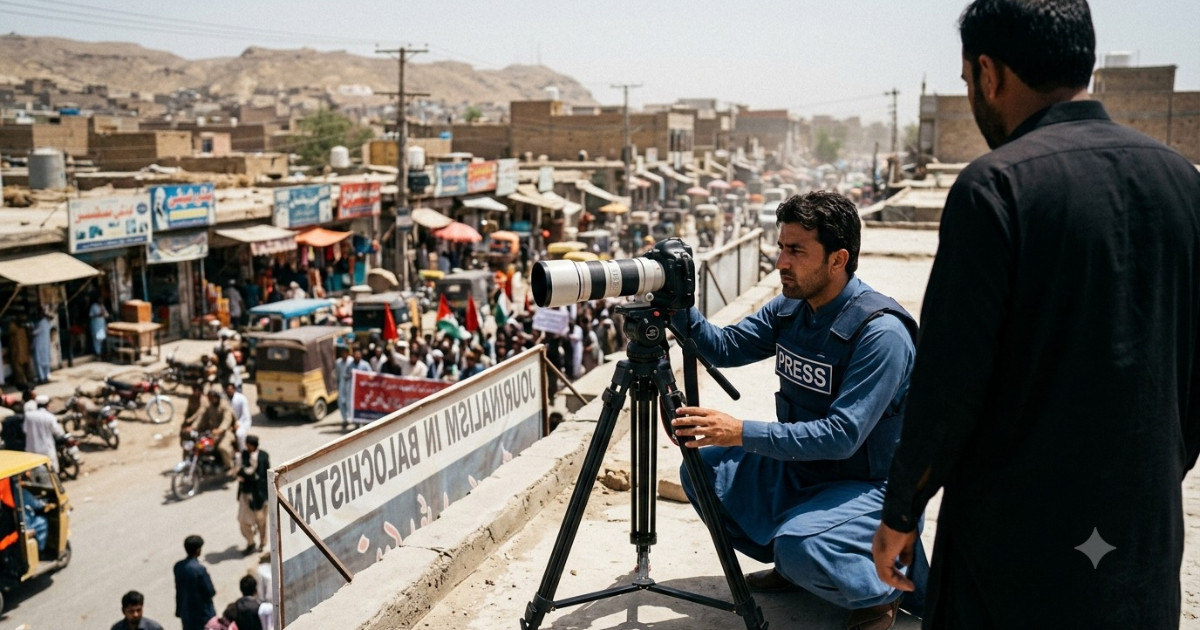
Additional discussions focused on the challenges faced by journalists in conflict zones and regions with limited information access, including Balochistan, which was described as an “information black hole” by senior journalist Shahzada Zulfiqar.
Separate sessions also addressed the pressures faced by women journalists, including online harassment and workplace challenges, with speakers calling for stronger support systems and resilience strategies to navigate these issues.
WHY THIS MATTERS: The shift toward legal and economic pressure signals a more complex and less visible threat environment for Pakistani journalists, requiring stronger legal awareness and institutional safeguards. For media organizations, it underscores the urgency of sustainable business models and digital safety training to protect newsroom independence and staff.
ATTRIBUTION: Reporting by JournalismPakistan, based on publicly available statements made by speakers at the IBA-CEJ event (May 2, 2026) ahead of World Press Freedom Day.
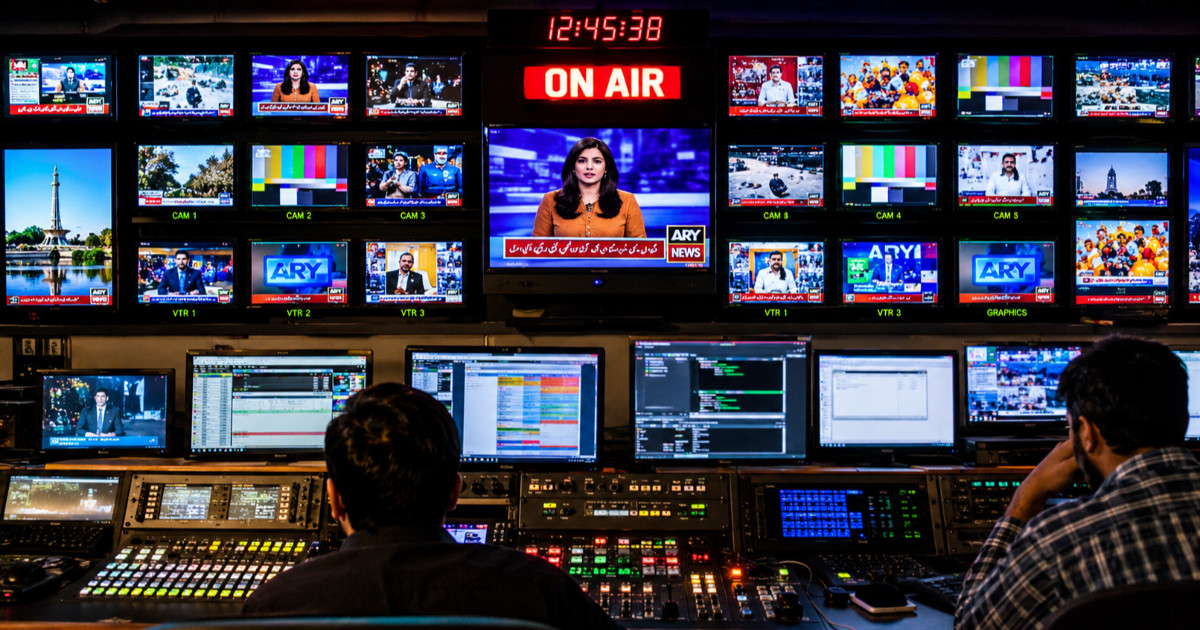
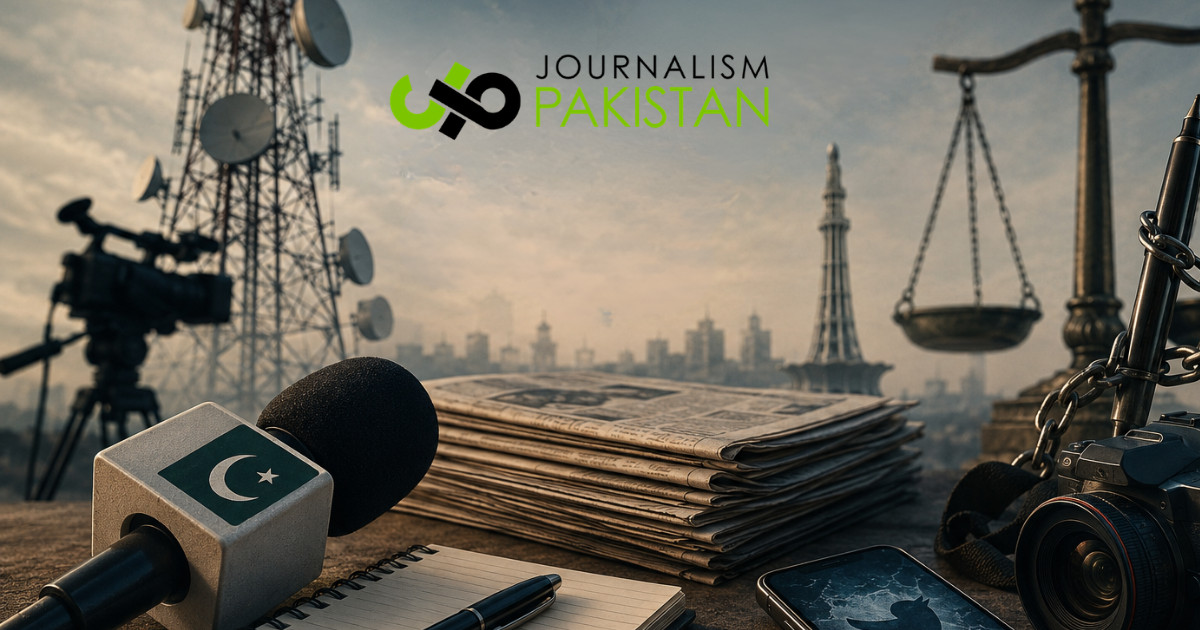
PHOTO: AI-generated; for illustrative purposes
Key Points
- Threats are shifting from physical violence to legal, regulatory and economic pressures.
- The discussion was held at an IBA-CEJ event ahead of World Press Freedom Day.
- Reporters Without Borders has described 2026 as one of the most challenging years for journalism.
- Rising misinformation and self-censorship compound risks to independent reporting.
- Dependence on government and private advertising can undermine editorial independence.
Key Questions & Answers
What pressures are journalists in Pakistan facing?
Speakers said legal, regulatory and economic pressures are increasingly replacing physical threats, affecting the ability to report independently.
Who raised these concerns?
The warnings came from journalists, editors and media professionals at an event hosted by IBA-CEJ.
Why is this shift significant?
Legal and economic tools can encourage self-censorship, reduce editorial independence and hinder public interest journalism.
What examples were cited at the event?
Panelists noted rising misinformation, growing self-censorship and reliance on government or private advertising as factors that threaten independent reporting.
Relevant Topics
Ask AI: Understand this story your way
AI EnabledDig deeper, ask anything — get instant context, background, and clarity.
Disclaimer: This feature is powered by AI and is intended to help readers explore and understand news stories more easily. While we strive for accuracy, AI-generated responses may occasionally be incomplete or reflect limitations in the underlying model. This feature does not represent the editorial views of JournalismPakistan. For our full, verified reporting, please refer to the original article.