.png)
Pakistan warns 20 percent of social media accounts may be fake
JournalismPakistan.com | Published: 7 May 2026 | JP Staff Report
Join our WhatsApp channel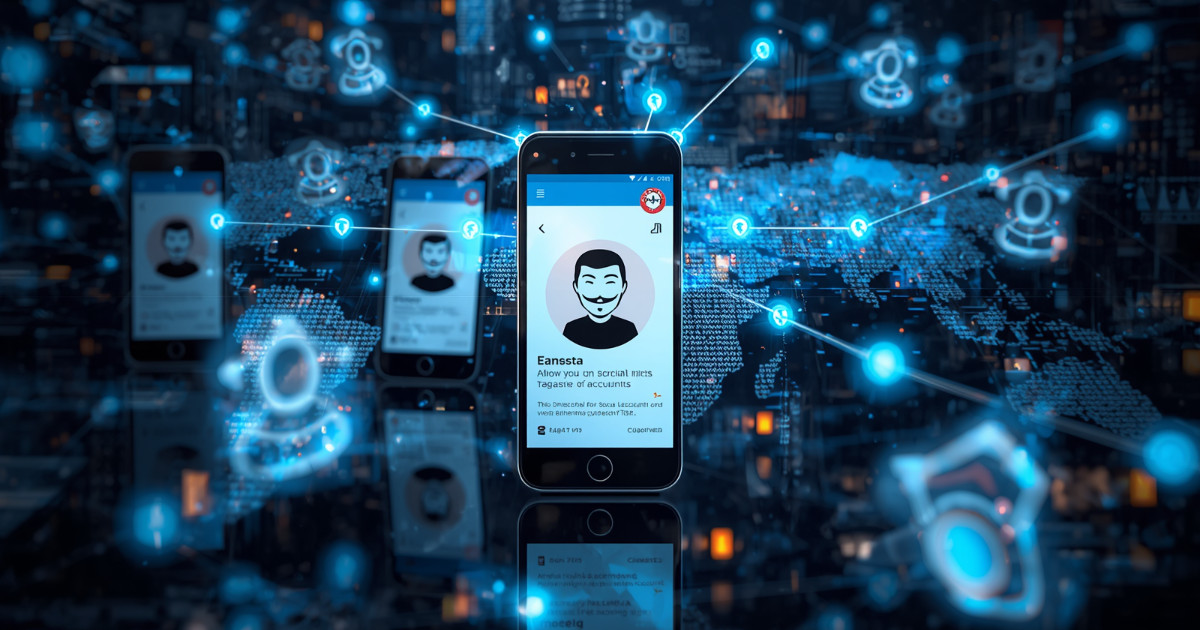
The Senate was told that nearly 20 percent of social media accounts in Pakistan may be fake and are being used for fraud, harassment, and blackmail. NCCIA officials said anonymity, cross-border platforms, and limited evidence complicate investigations and platform cooperation.Summary
ISLAMABAD — Pakistan’s Senate was informed that a significant proportion of social media accounts in the country may be fake, raising concerns over fraud, harassment, and blackmail in an expanding digital ecosystem.
The briefing was held before a Sub-Committee of the Senate Standing Committee on Information and Broadcasting in Islamabad, where officials outlined rising cybercrime trends and enforcement challenges across Pakistan’s online space.
A large share of fake accounts flagged
Officials told lawmakers that nearly 20 percent of social media accounts in Pakistan are estimated to be fake or inauthentic, often used for fraudulent activity, online harassment, and blackmail schemes.
The warning comes amid a rapidly growing digital population, with authorities stating that Pakistan currently has around 140 million active internet users, significantly increasing exposure to online risks and cyber-enabled crimes.
Online fraud and anonymity challenge enforcement
National Cyber Crime Investigation Agency (NCCIA) officials said suspects frequently operate through multiple layers of anonymity, making investigations complex and time-consuming.
They added that identifying perpetrators often requires cooperation with international social media platforms and digital service providers, as many cases involve cross-border digital infrastructure.
Officials also noted that while platforms do respond to data requests, enforcement remains dependent on the availability of sufficient evidence at each stage of investigation.
Rising complaints and platform cooperation issues
The NCCIA informed the committee that it had received approximately 154,000 complaints over the past year, reflecting a sharp increase in cyber-related reporting across the country.
Officials stressed the need for stronger engagement with global technology companies to improve response times and assist in identifying fake or abusive accounts more effectively.
Lawmakers were briefed that cybercrime in Pakistan is increasingly driven by impersonation networks and coordinated online fraud schemes targeting users across multiple platforms.
In concluding remarks, the committee emphasized the need for stronger institutional capacity and improved coordination to address digital threats in an expanding online environment.
ATTRIBUTION: Reporting by JournalismPakistan, based on information posted by the Senate of Pakistan on its Facebook page on May 6, 2026.
PHOTO: AI-generated; for illustrative purposes only
Key Points
- Officials estimate nearly 20 percent of social media accounts in Pakistan may be fake.
- About 140 million active internet users increase exposure to online risks and cybercrime.
- NCCIA says suspects use layers of anonymity, making identification and investigation complex.
- Many cases require cooperation from international platforms and sufficient evidence to proceed.
- Rising complaints highlight enforcement challenges across the country's digital ecosystem.
Key Questions & Answers
How many social media accounts are believed to be fake?
Officials estimate that nearly 20 percent of social media accounts in Pakistan may be fake or inauthentic.
What risks do fake accounts pose?
Fake accounts are often used for fraud, online harassment, blackmail and other cyber-enabled crimes that harm individuals and institutions.
Why are investigations into these accounts difficult?
NCCIA officials cite layered anonymity, use of multiple accounts, and cross-border digital infrastructure, which complicate identification and evidence-gathering.
What can users do to protect themselves?
Report suspicious accounts to platforms and authorities, use privacy settings, verify contacts before sharing personal data, and follow platform safety guidance.
Relevant Topics
Ask AI: Understand this story your way
AI EnabledDig deeper, ask anything — get instant context, background, and clarity.
Disclaimer: This feature is powered by AI and is intended to help readers explore and understand news stories more easily. While we strive for accuracy, AI-generated responses may occasionally be incomplete or reflect limitations in the underlying model. This feature does not represent the editorial views of JournalismPakistan. For our full, verified reporting, please refer to the original article.