
The JournalismPakistan Global Media Brief | Edition 24 | June 12, 2026
JournalismPakistan.com | Published: 12 June 2026 | JP News Desk
Join our WhatsApp channel
This edition covers incidents in Asia and beyond, including a Bangladesh journalist jailed after an apparent identity mix-up and a DDoS attack on Tempo, and outlines wider trends in press freedom, regulatory disputes, AI debates and newsroom sustainability.Summary
Editor's note
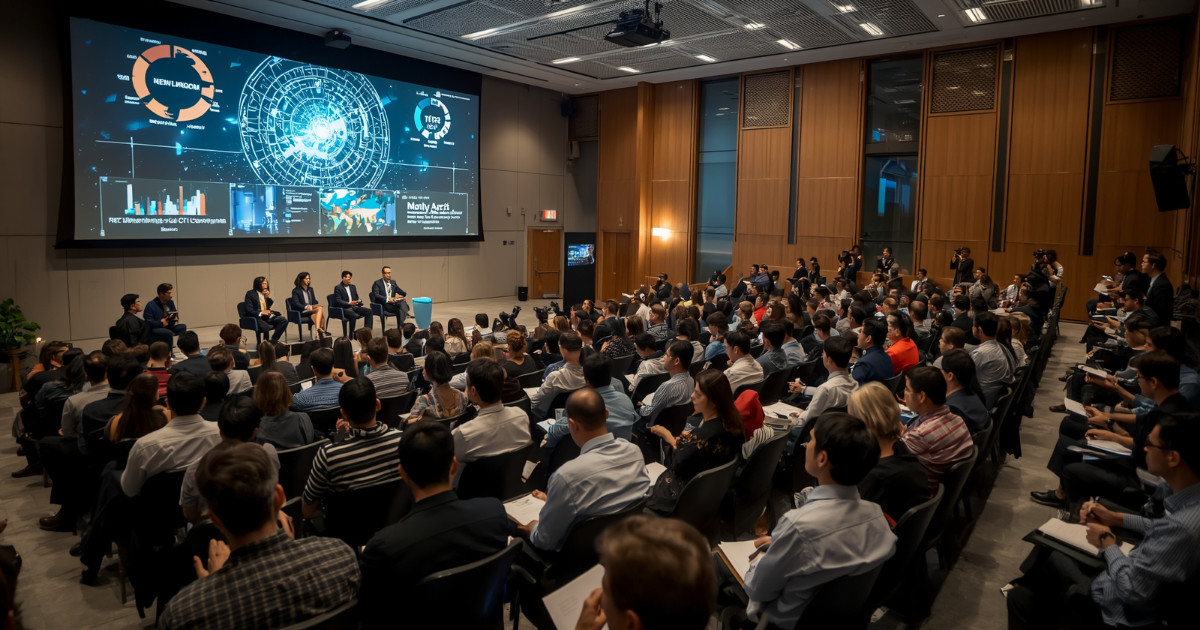
The global media landscape continues to evolve amid mounting pressures on press freedom, accelerating debates over artificial intelligence, and persistent questions about the sustainability of journalism. This edition highlights developments from Asia, the Middle East, Africa, and beyond, including journalist arrests, newsroom security threats, media regulation disputes, and emerging business models reshaping the industry. Together, these stories offer a snapshot of the challenges and opportunities confronting journalists and news organizations worldwide.
Asia media watch
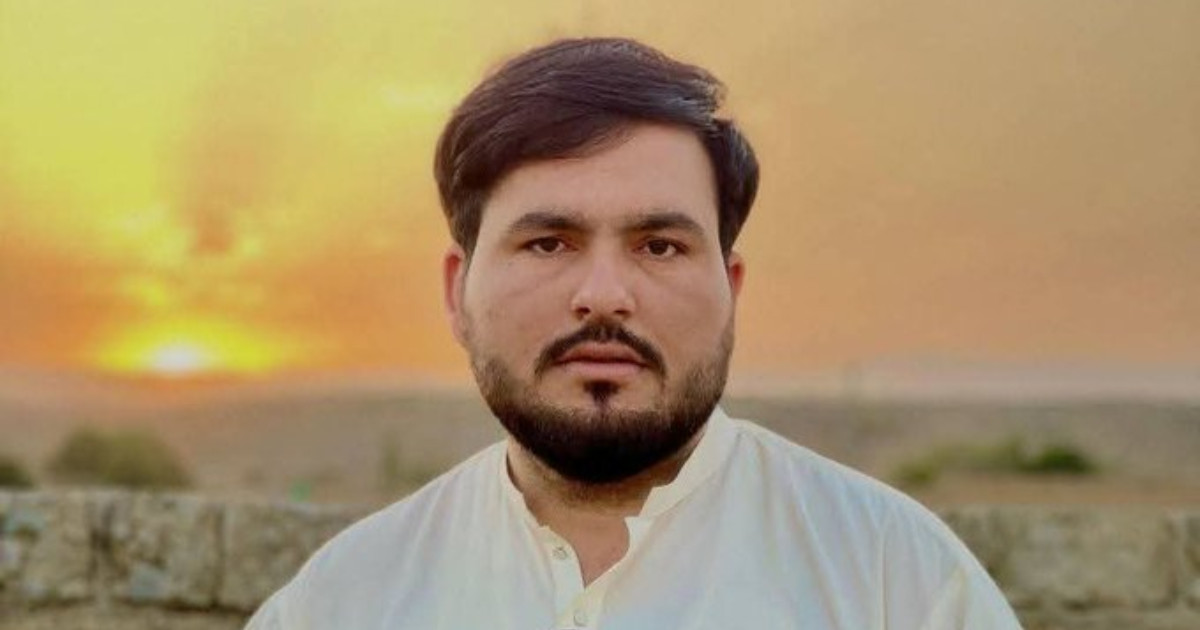
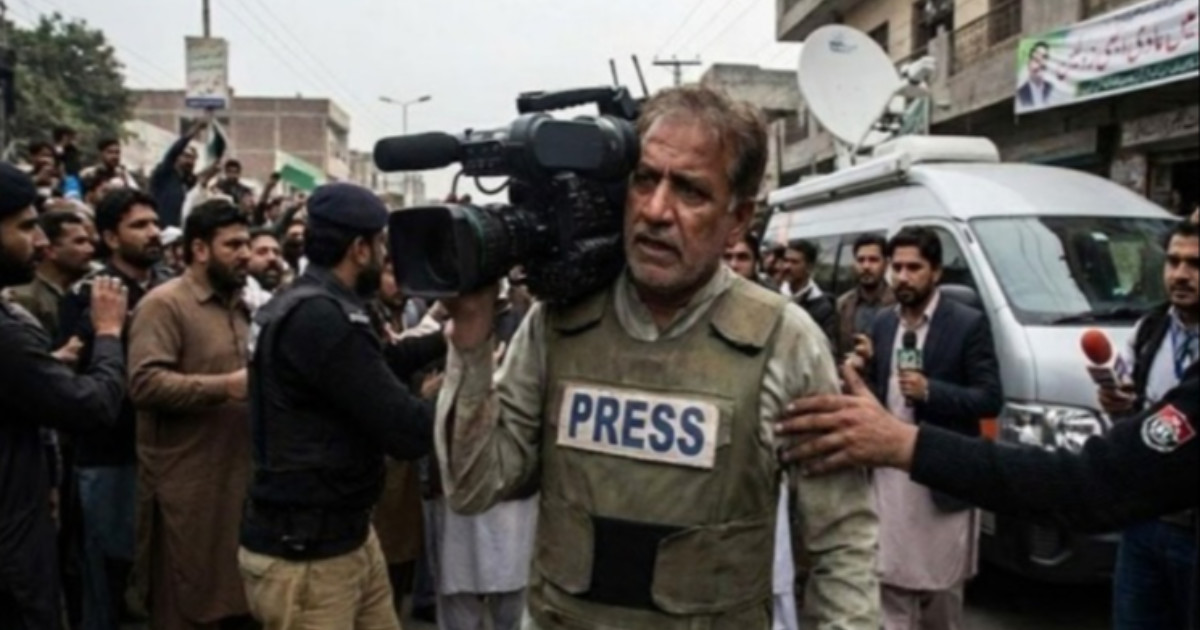
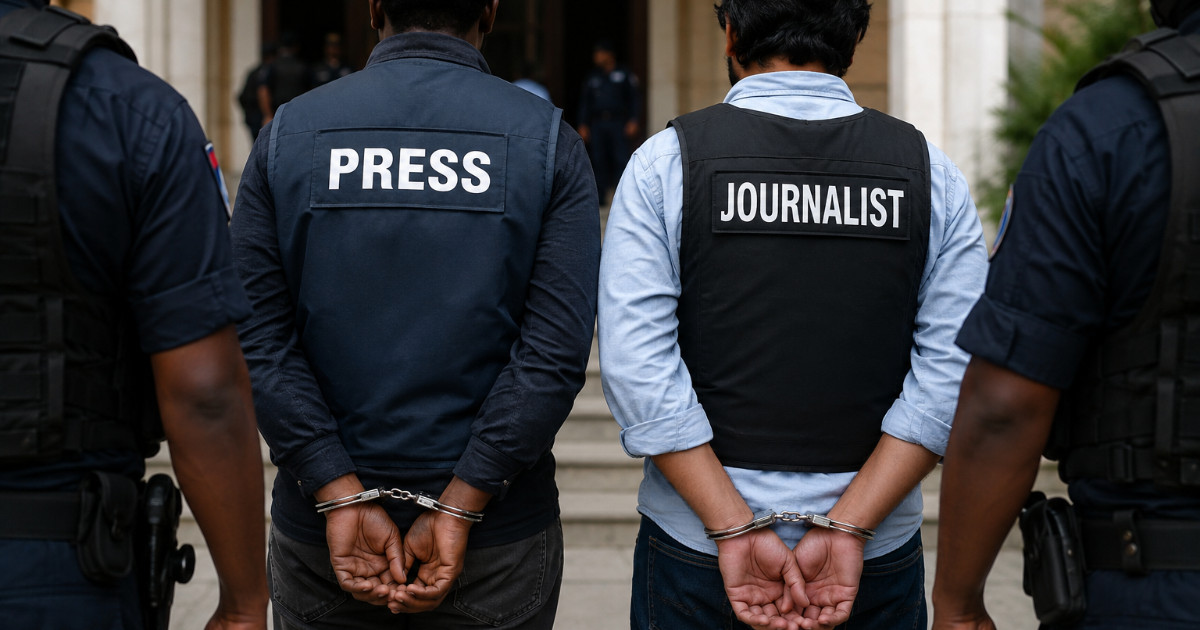
Bangladesh journalist jailed after apparent identity mix-up — Mohammad Asaduzzaman of BDNews24 was arrested during a June 8 raid on his home and detained under the Special Powers Act. The Committee to Protect Journalists (CPJ) said the case appears to stem from confusion with a politician of the same name. After being denied bail, he was sent to Jessore district jail pending a June 11 hearing. CPJ urged authorities to ensure he is not being targeted for his journalism and that due process is respected. (CPJ, June 10, 2026)
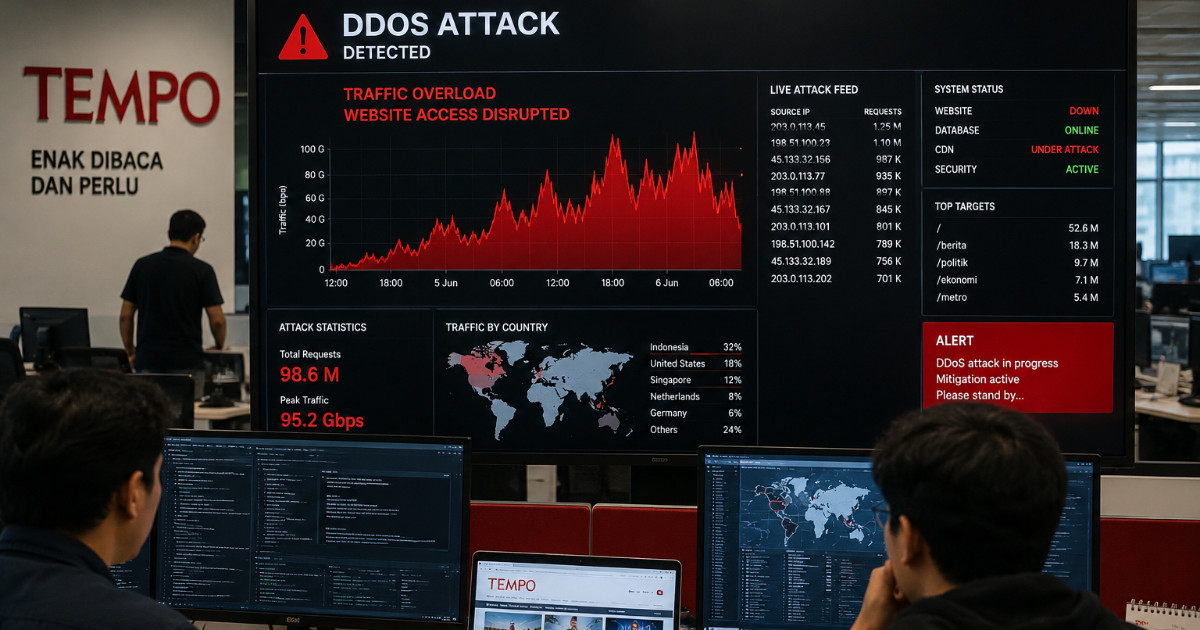
Tempo reports cyberattack that disrupts website access — Indonesian news outlet Tempo says it has been targeted by a large-scale distributed denial of service (DDoS) attack since June 5, causing intermittent disruption to its website. The outlet reported nearly 25 million malicious requests to its servers by June 8 and said the attack may be linked to an earlier hacking attempt involving articles on corruption cases. Tempo said it has strengthened security measures and continues publishing news. (Tempo, June 9, 2026)
Indonesia news site Floresa faces threats after Papua reporting — The Committee to Protect Journalists condemned a series of threats against Indonesian news outlet Floresa after it covered a documentary on deforestation and agribusiness expansion in Papua. The intimidation included rotten chicken heads left outside the outlet’s office and a threatening message sent to Editor-in-Chief Ryan Dagur Flores containing his personal information and demands to remove related content. CPJ urged authorities to investigate and protect press freedom. (CPJ, June 11, 2026)
Middle East media
Israel restricts reporting on missile strike locations — Israeli military censors imposed renewed restrictions on publishing details or imagery that could reveal the locations of missile impacts on sensitive military sites during the escalating confrontation with Iran, raising challenges for domestic and international media coverage. (Media reports, June 9, 2026)
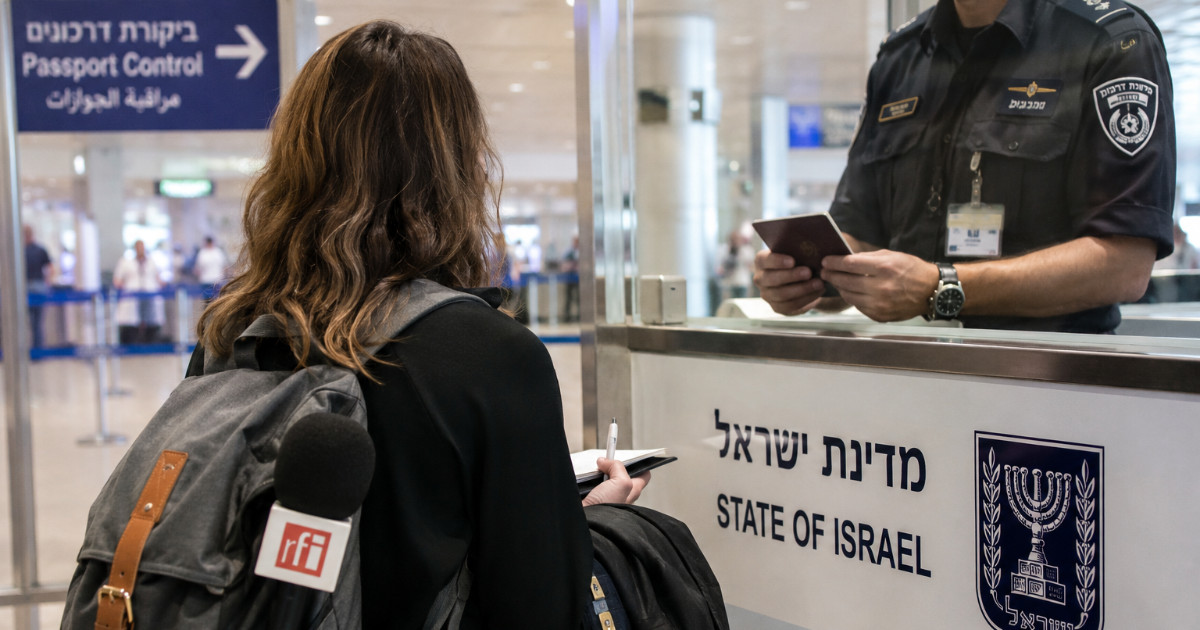
Israel deports French journalist — Israel deported Radio France Internationale journalist Alice Froussard after she attempted to enter the country to report from the West Bank. The International Press Institute, Reporters Without Borders, and the Foreign Press Association condemned the move, warning it restricts independent media access and international reporting. (IPI, RSF, and Foreign Press Association statements, June 2026)
Africa media update
Mali journalist arrests draw international concern — Press freedom organizations condemned the arrests of journalists Abdramane Keita and Chahana Takiou, warning that cybercrime and national security laws are increasingly being used against critical reporting under Mali’s military-led government. The case has renewed concerns about legal pressure on independent media in Africa. (Press freedom organizations, June 2026)
Media business and sustainability
Publishers seek AI payments — News organizations are intensifying demands for compensation from AI companies, arguing that journalism used for AI training and chatbot responses should be licensed and paid for. The debate featured prominently at the World News Media Congress in Marseille as publishers pursue both licensing deals and legal action. (WAN-IFRA World News Media Congress, June 1-3, 2026)
Aik News layoffs spark union intervention — The Karachi Union of Journalists condemned the dismissal of journalists and media workers at Aik News, demanded their reinstatement, raised concerns about delayed salaries, and called for enforcement of labor laws and the Wage Board Award amid growing concerns over employment conditions in Pakistan’s media sector. (KUJ statement, June 5, 2026)
Pakistan government advertising spending tops Rs14bn — Information Minister Attaullah Tarar told the National Assembly that the federal government spent more than Rs14.1 billion on advertising across electronic, print, and social media platforms between 2022 and December 2025. Electronic media received the largest share at over Rs7.2 billion, followed by print media at more than Rs4.5 billion and social media at over Rs3.1 billion. Tarar said the spending supports public information campaigns and helps sustain struggling print and regional media outlets, highlighting the continuing importance of government advertising to Pakistan’s media economy. (National Assembly proceedings, June 11, 2026)
World Cup hydration breaks create new ad inventory — Broadcasters are preparing to monetize FIFA-mandated hydration breaks during the 2026 World Cup, with analysts saying the additional commercial inventory could generate premium advertising revenue and highlight evolving sports broadcasting economics amid industry-wide pressure to diversify revenue streams. (Reuters, June 10, 2026)
Media law and regulation
Journalist raises concerns over FIA warrant process — Pakistani journalist Razi Tahir said on X that an FIA team arrived with an arrest warrant despite him not receiving prior notice, summons, or details of any case, while the Human Rights Council of Pakistan criticized the reported process and called for judicial scrutiny. (Human Rights Council of Pakistan statement and X post by Razi Tahir, June 6, 2026)
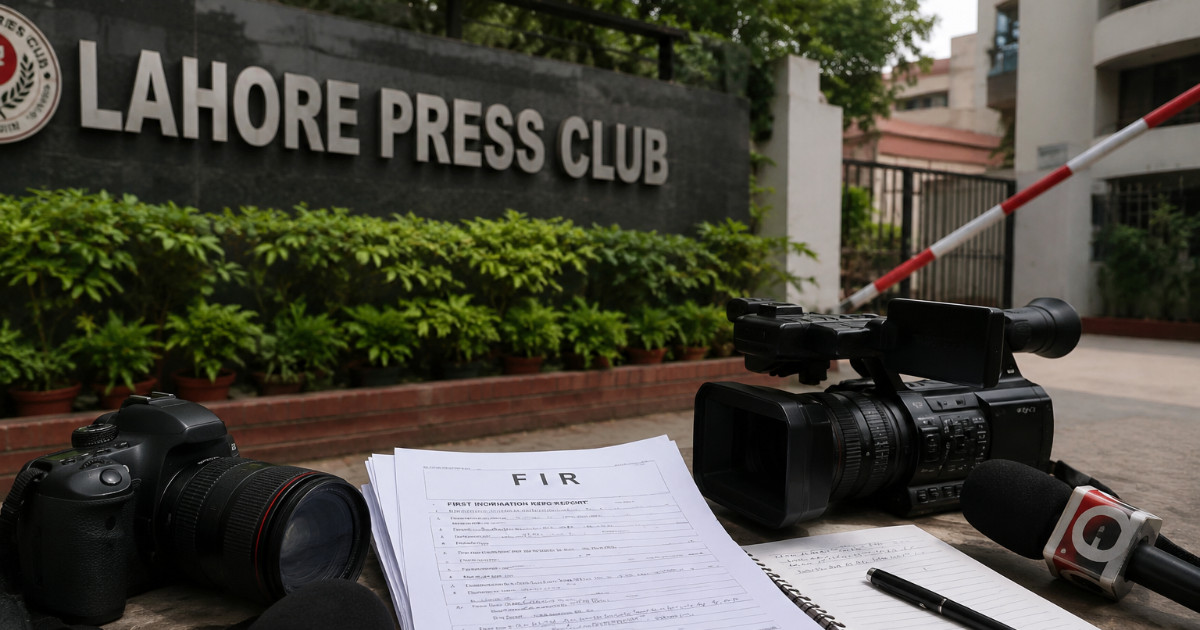
Journalist Sohrab Barkat arrested again in cybercrime case — Pakistani journalist Sohrab Barkat was arrested again after authorities registered a case linked to a June 5 YouTube video. The National Cyber Crime Investigation Authority (NCCIA) alleged in an FIR that the video contained false and misleading information, promoted the narrative of the Jammu Kashmir Joint Awami Action Committee (JAAC), and could incite public unrest and disorder. (Media reports, June 7, 2026)
Punjab government threatens legal action over vlog — The Government of Punjab rejected allegations made by journalist and analyst Irshad Bhatti regarding public spending on official residences and government facilities, calling the claims fabricated and warning of possible legal action under PECA and defamation laws. The dispute highlights continuing tensions over accountability reporting and digital commentary in Pakistan. (Government of Punjab X statement, June 7, 2026)
Pakistan journalist secures bail in PECA case — Pakistani journalist Razi Tahir said a court granted him eight days of bail after the National Cyber Crime Investigation Agency registered a case against him under Sections 20 and 26-A of the Prevention of Electronic Crimes Act (PECA) 2016. The FIR alleges he prepared, posted, and disseminated false and misleading information on social media on May 30, 2026. A day earlier, Tahir claimed authorities had frozen his accounts, sought his arrest, and obtained search and seizure warrants for his office, describing the case as retaliation for reporting news. The case adds to ongoing concerns among press freedom advocates about the use of cybercrime laws against journalists and digital media practitioners in Pakistan. (Razi Tahir posts on X, June 8-9, 2026)
NCCIA notices deepen debate over media oversight — Pakistan’s cybercrime agency summoned three journalists over claims about public spending that were first aired on television and later circulated online, prompting discussion among media observers about whether such cases fall under cybercrime enforcement or broadcast regulation. (Publicly available notices and statements, June 9-10, 2026)
Public News apologizes after disputed spending report — Pakistani broadcaster Public News issued an apology after airing allegations about Punjab government spending that were later challenged by authorities, prompting NCCIA notices to journalists and renewed debate over verification standards, media accountability, and the boundaries between regulation and editorial oversight. (JournalismPakistan, June 11, 2026)
Platforms and technology
New York legislature approves AI transparency rules for newsrooms — New York lawmakers have passed the New York Fundamental Artificial Intelligence Requirements in News Act (NY FAIR News Act), sending the measure to Governor Kathy Hochul for consideration. The legislation would require news organizations operating in the state to clearly disclose when content is substantially or entirely generated by artificial intelligence and would establish protections aimed at preventing AI systems from accessing journalists’ confidential sources and materials. (TheWrap, June 9, 2026)
Global fact-checking awards spotlight AI verification efforts — Finalists for the 2026 Global Fact-Checking Awards include projects focused on combating online disinformation, identifying AI-generated content, and addressing election-related falsehoods, reflecting the growing role of verification as a core newsroom function worldwide. (Global Fact-Checking Awards, June 2026)
Press freedom and journalist safety
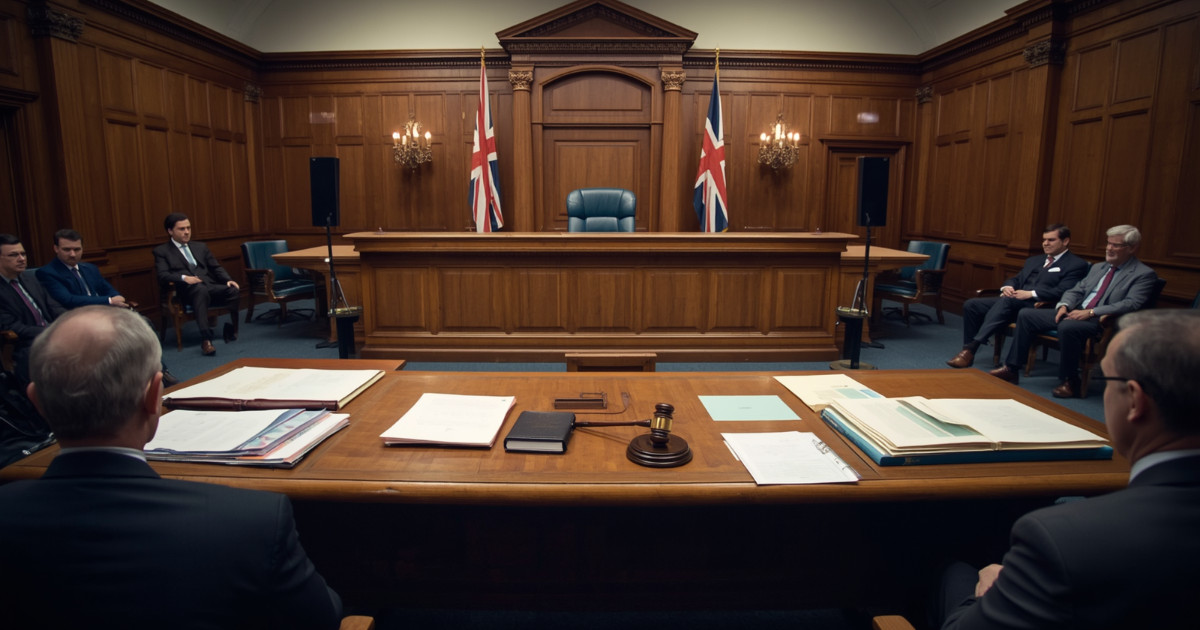
UK court convicts attackers of Iran International presenter — A London court convicted two men over the 2024 stabbing of Iran International presenter Pouria Zeraati. Prosecutors said the attack was carried out on behalf of the Iranian government, a claim Tehran denies. The verdict has renewed attention on threats facing exiled journalists and accountability for cross-border attacks targeting media workers. (Reuters/UK court reporting, June 5, 2026)
Journalists demand probe into reporter’s killing — The Balochistan Union of Journalists condemned the killing of journalist Lala Asrafeel in Musa Khel and called for a transparent investigation, warning that the incident has deepened concerns about journalist safety in the province. (BUJ statement, June 6, 2026)
Journalist reported missing in Islamabad — Pakistani television channel GNN filed a police complaint after journalist Yasir Ayaz Khan reportedly went missing following his departure from home. The broadcaster said repeated attempts to contact him failed, while Islamabad’s Aabpara Police began investigating the case. (BBC Urdu, June 7, 2026)
Journalists’ union condemns reported attack on reporter at Islamabad courts — The Rawalpindi-Islamabad Union of Journalists condemned a reported attack on journalist Raja Shaukat at the Islamabad courts, where his mobile phone was allegedly snatched and broken. Union leaders called the incident an attack on press freedom and urged greater protection for media workers performing their professional duties. The incident has renewed concerns about the safety of journalists covering courts and other public institutions in Pakistan. (RIUJ statement, June 5, 2026)
World Cup visa delays concern media — Media access and press freedom advocates warned that visa processing delays are affecting journalists seeking accreditation and travel arrangements for the 2026 FIFA World Cup and urged early action to prevent reporting barriers during the tournament. (Media advocacy groups, June 7, 2026)
Missing GNN journalist reappears in Swabi — Pakistani journalist Yasir Ayaz Khan of GNN TV, who was reported missing in Islamabad, reappeared in Swabi district and was later handed over to Islamabad police. Authorities have not publicly explained the circumstances of his disappearance, and questions remain about the events leading to his recovery. (PFUJ statement, June 9, 2026)
CPJ urges Pakistan to release journalist Sohrab Barkat — The Committee to Protect Journalists called on Pakistani authorities to immediately release journalist Sohrab Barkat, who remains in custody after being arrested over reporting on protests in Pakistan-administered Kashmir. CPJ said the case reflects growing concerns about the use of the Prevention of Electronic Crimes Act (PECA) against journalists covering politically sensitive issues. (CPJ, June 11, 2026)
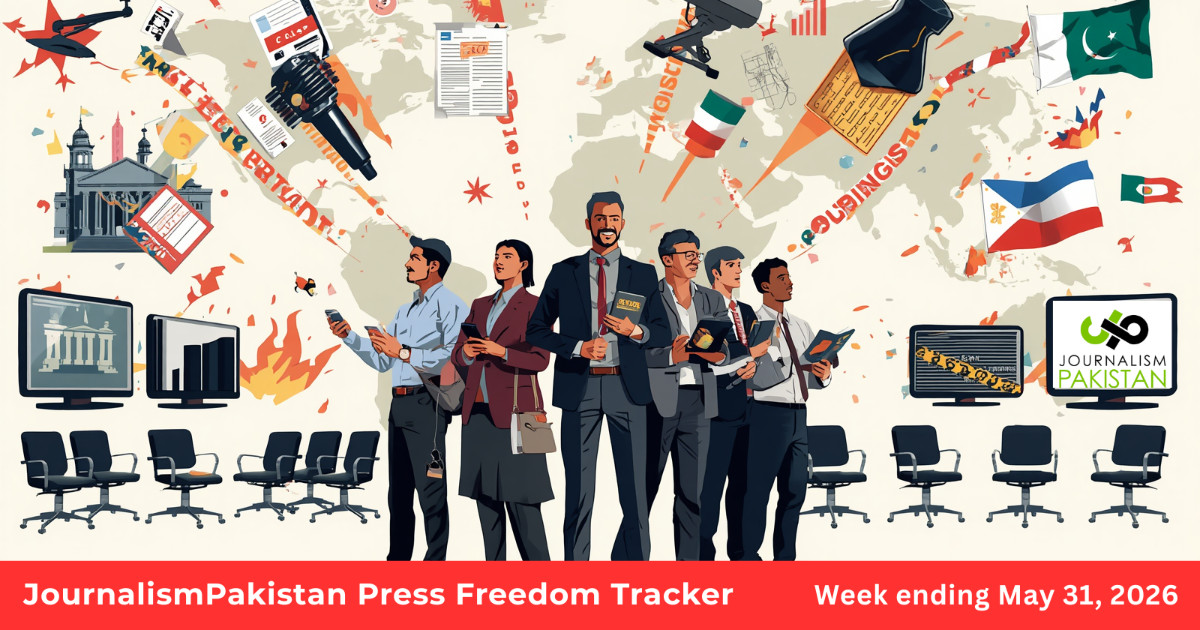
Many of the incidents highlighted in this briefing are covered in greater detail in the JournalismPakistan Press Freedom Tracker, published every Sunday. The next edition (June 14) will provide updated documentation and analysis of recent attacks, arrests, legal actions, and other developments affecting journalists and media organizations worldwide.
WHY THIS MATTERS: Journalism is facing a period of profound transformation. Governments continue to test the boundaries of media regulation and online speech, while journalists in many countries confront arrests, legal pressure, harassment, and physical threats. At the same time, artificial intelligence is reshaping newsroom workflows, prompting new debates over transparency, copyright, and compensation for original reporting. Economic pressures remain intense, forcing news organizations to seek new revenue sources and business models. The developments in this edition underscore a common reality: independent journalism remains essential to public accountability, yet its future increasingly depends on legal protections, financial sustainability, technological adaptation, and continued public trust.
ATTRIBUTION: Compiled by JournalismPakistan
PHOTO: AI-generated; for illustrative purposes
Key Points
- Bangladesh reporter Mohammad Asaduzzaman was arrested amid an apparent identity confusion and detained under the Special Powers Act.
- Indonesian outlet Tempo experienced a large-scale DDoS attack disrupting its website and prompting stronger security measures.
- CPJ and other groups urged due process and protections for journalists facing legal action.
- The brief highlights growing concerns over newsroom security, regulatory disputes and debates on AI's role in journalism.
- Stories underscore the financial and structural pressures driving discussions about sustainable business models for news organizations.
Key Questions & Answers
What prompted the Bangladesh arrest?
Authorities detained Mohammad Asaduzzaman during a June 8 raid and charged him under the Special Powers Act; reports indicate the case may stem from confusion with a politician of the same name.
Why was Tempo targeted?
Tempo reported a sustained DDoS campaign from June 5 that sent millions of malicious requests and disrupted access, possibly linked to prior hacks around corruption coverage.
What broader trends does the brief identify?
The edition flags increasing legal and cyber threats to journalists, contested media regulation, debates over artificial intelligence, and pressures on business models and newsroom safety.
How are press freedom groups responding?
Organizations like the Committee to Protect Journalists have urged authorities to respect due process, protect detained reporters, and investigate attacks on media outlets.
Relevant Topics
Ask AI: Understand this story your way
AI EnabledDig deeper, ask anything — get instant context, background, and clarity.
Disclaimer: This feature is powered by AI and is intended to help readers explore and understand news stories more easily. While we strive for accuracy, AI-generated responses may occasionally be incomplete or reflect limitations in the underlying model. This feature does not represent the editorial views of JournalismPakistan. For our full, verified reporting, please refer to the original article.