
New study reveals risks facing Indigenous journalists in Asia
JournalismPakistan.com | Published: 7 May 2026 | JP
Join our WhatsApp channel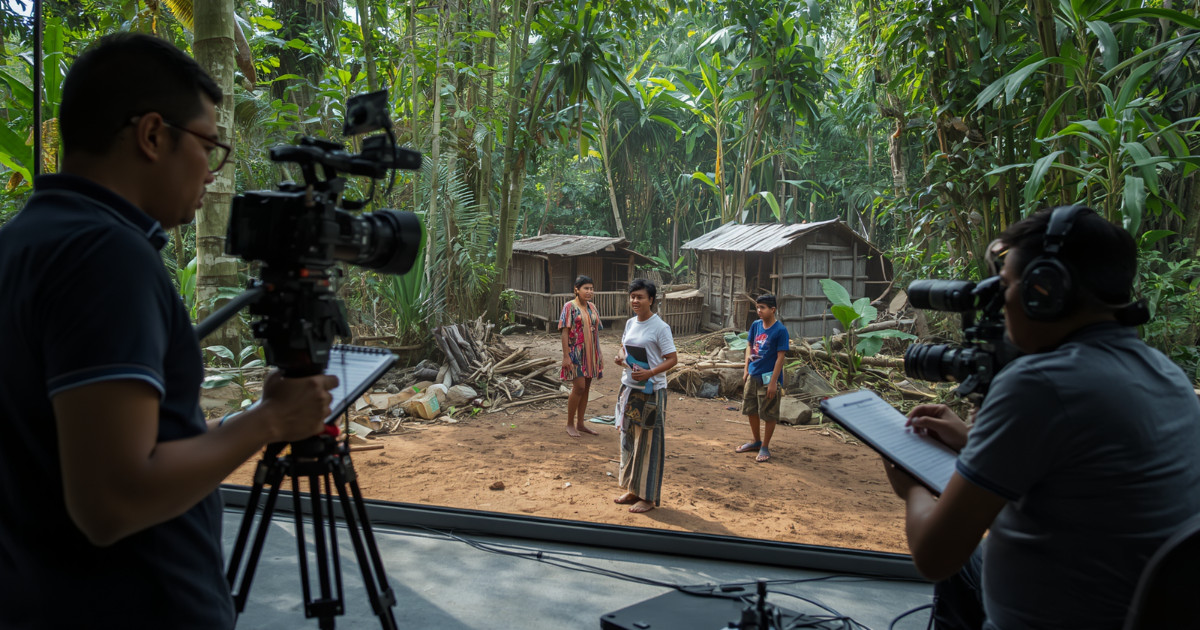
A May 6 study finds Indigenous journalists in several Asian countries are underrepresented, often confined to junior posts with little editorial influence, and face discrimination, threats and economic insecurity when covering land and environmental conflicts.Summary
SINGAPORE — A newly published multi-country study has found that Indigenous journalists across several Asian countries remain significantly underrepresented in mainstream media and face persistent threats, censorship, and economic exclusion while reporting on sensitive issues such as land rights, environmental degradation, and Indigenous identity.
The report, released May 6, examined newsroom conditions and media representation in Cambodia, Bangladesh, India, Malaysia, Nepal, the Philippines, and Thailand. Researchers documented structural barriers that continue to limit Indigenous participation in journalism, including restricted career advancement, lack of editorial influence, and financial insecurity.
Indigenous reporters face newsroom barriers
According to the study, many Indigenous journalists are confined to junior or temporary newsroom roles despite years of experience. Researchers said Indigenous perspectives remain largely absent from editorial decision-making processes across major media organizations in the countries surveyed.
The report also highlighted concerns over unequal access to journalism education, limited institutional support, and language barriers that affect Indigenous communities seeking representation in national media ecosystems. In several cases, Indigenous journalists reported facing discrimination within newsrooms and pressure to avoid reporting on politically sensitive community issues.
Environmental reporting linked to higher risks
Researchers found that journalists covering land disputes, mining projects, deforestation, and environmental conflicts faced heightened risks, including intimidation, censorship, surveillance, and economic retaliation. The study noted that Indigenous reporters often operate in regions where local communities are involved in disputes with corporations or state authorities over natural resources.
The publication added new documentation on the intersection between Indigenous rights and media freedom in Asia, an area that researchers said remains underreported despite growing regional attention to environmental governance and climate-related displacement.
Media analysts involved in the study said the lack of Indigenous representation in mainstream journalism contributes to gaps in public understanding of land rights conflicts and cultural issues affecting marginalized communities. They also warned that economic instability in the media sector has further reduced opportunities for community-based and independent Indigenous reporting initiatives.
Diversity gaps remain across Asian media systems
The report arrives as several Asian news organizations continue to face wider scrutiny over diversity, newsroom inclusion, and representation of minority voices. Researchers said improving Indigenous participation in journalism would require stronger newsroom policies, targeted training programs, and greater editorial independence for local and community media.
Advocates cited in the study called for expanded protections for journalists covering environmental and Indigenous rights issues, particularly in rural regions where reporters may have limited institutional backing or legal support.
WHY THIS MATTERS: The findings are relevant for Pakistani media organizations as newsrooms across South Asia increasingly confront questions about representation, regional inequality, and inclusion in journalism. The study also highlights the growing risks linked to environmental and land-rights reporting, areas that may become more prominent for Pakistani journalists covering climate change, displacement, and resource conflicts.
ATTRIBUTION: Reporting by JournalismPakistan, based on publicly available findings from the multi-country Indigenous media study released May 6, 2026, and supporting reporting and statements from regional media researchers published on May 6-7, 2026.
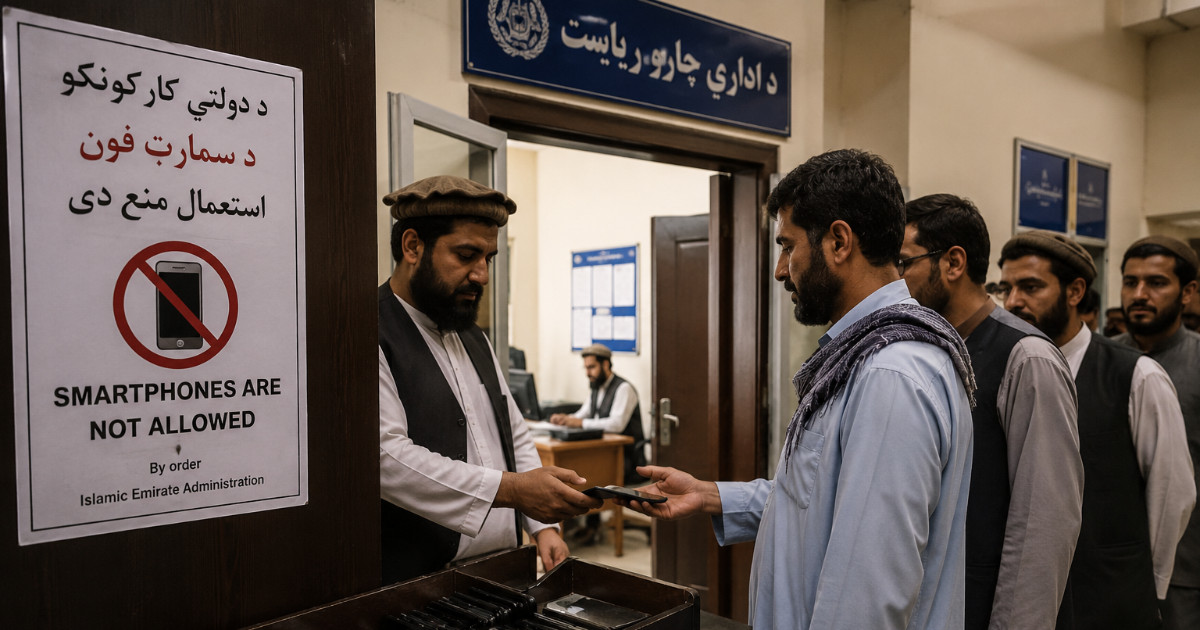
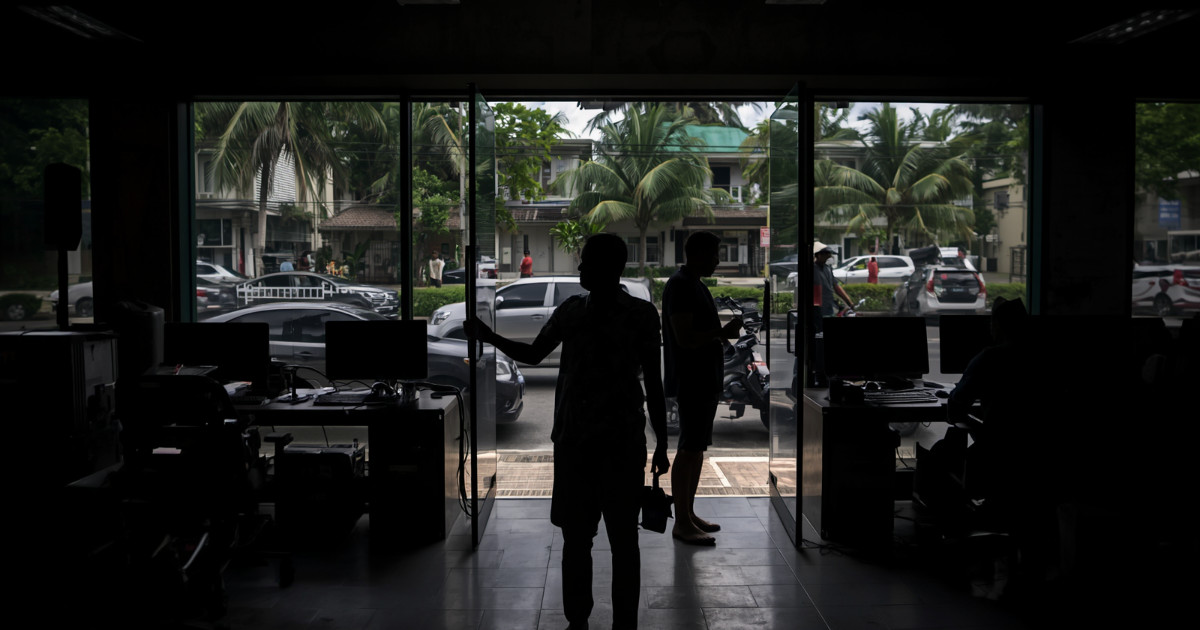
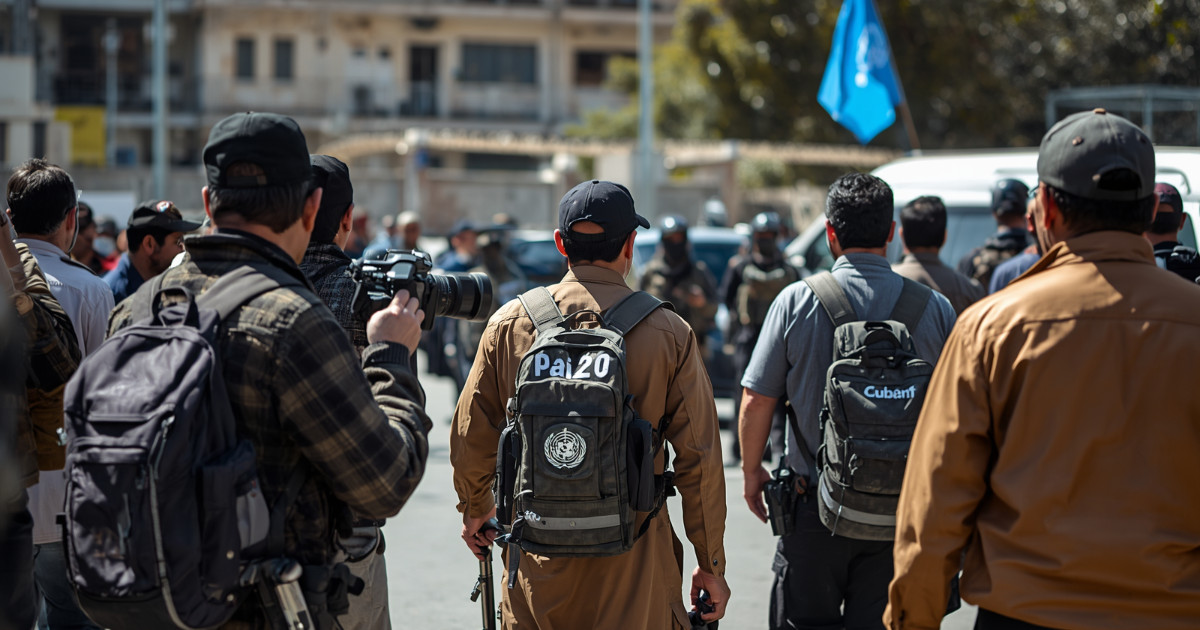
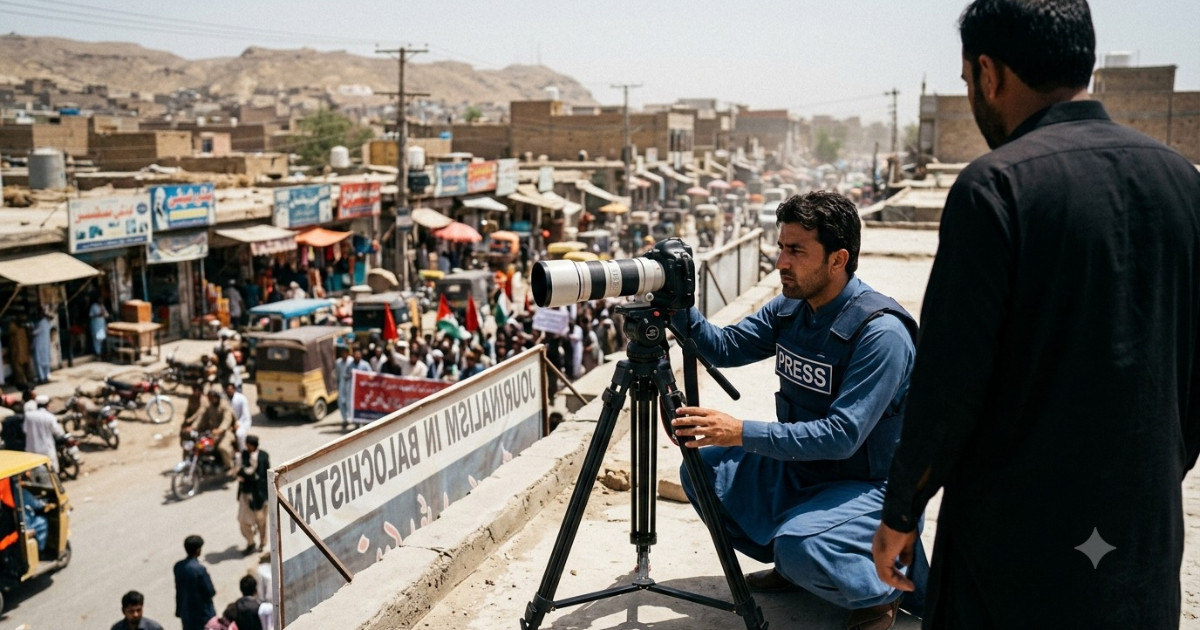
PHOTO: AI-generated; for illustrative purposes only.
Key Points
- Indigenous reporters are underrepresented across the seven surveyed countries.
- Many are confined to junior or temporary newsroom roles despite experience.
- Limited editorial influence, unequal access to education and language barriers hinder participation.
- Reporting on land, mining and deforestation carries higher risks, including threats and censorship.
- Financial insecurity and lack of institutional support further restrict Indigenous journalism.
Key Questions & Answers
Which countries did the study examine?
The report examined newsroom conditions in Cambodia, Bangladesh, India, Malaysia, Nepal, the Philippines and Thailand.
What are the main barriers Indigenous journalists face?
Researchers documented underrepresentation, confinement to junior roles, lack of editorial influence, unequal access to education, language barriers and workplace discrimination.
Which topics increase risks for Indigenous reporters?
Covering land disputes, mining projects, deforestation and other environmental issues was linked to higher risks of threats, censorship and hostility.
Does the report note economic challenges for Indigenous journalists?
Yes, the study highlights financial insecurity and limited institutional support as factors that exclude Indigenous reporters from sustained participation in journalism.
Relevant Topics
Ask AI: Understand this story your way
AI EnabledDig deeper, ask anything — get instant context, background, and clarity.
Disclaimer: This feature is powered by AI and is intended to help readers explore and understand news stories more easily. While we strive for accuracy, AI-generated responses may occasionally be incomplete or reflect limitations in the underlying model. This feature does not represent the editorial views of JournalismPakistan. For our full, verified reporting, please refer to the original article.