
BBC strike highlights pressure from newsroom cuts
JournalismPakistan.com | Published: 18 May 2026 | JP Global Monitoring
Join our WhatsApp channel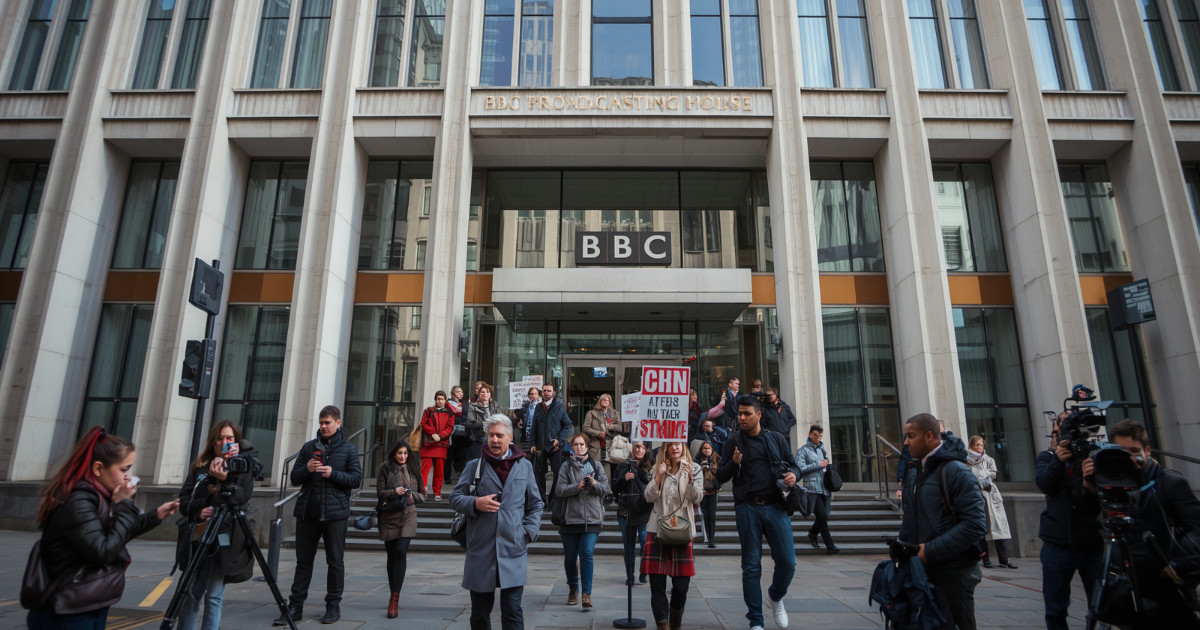
BBC international radio and current affairs journalists staged a one-day strike over proposed shift and workload changes. The walkout, on new Director-General Matt Brittin's first day, highlights union warnings of newsroom strain, low morale and job cuts.Summary
LONDON — Journalists at the British Broadcasting Corporation’s international radio and current affairs programs staged a one-day strike Monday, escalating tensions over staffing pressures and cost-cutting measures at one of the world’s largest public broadcasters.
The walkout involved staff working on BBC World Service’s “Newshour” and BBC Radio 4’s “The World Tonight,” with the National Union of Journalists accusing management of imposing shift and workload changes that would intensify pressure on already stretched teams. The dispute came as the BBC entered a new leadership phase under recently appointed Director-General Matt Brittin.
Union warns of growing newsroom strain
Union representatives said proposed changes would require staff to work additional shifts and adopt revised schedules without adequate safeguards against burnout. Journalists involved in the strike argued that newsroom morale had already deteriorated amid years of restructuring and repeated rounds of budget reductions across the BBC.
The strike coincided with Brittin’s first day in office. In an internal message reported by British media outlets, he reportedly warned staff that “tough choices are unavoidable” as the broadcaster moves forward with cost-saving plans that could include up to 2,000 job cuts across operations.
Cost-cutting plans deepen industry concerns
The BBC has faced sustained financial pressure in recent years due to inflation, declining traditional broadcast revenues, and debates over the future funding structure of the UK’s television license fee system. The broadcaster has increasingly shifted resources toward digital operations while reducing spending in some legacy programming areas.
Media analysts said the dispute reflects wider tensions affecting public-service broadcasters globally, where management teams are balancing digital transformation goals against newsroom staffing concerns and audience expectations for reliable reporting. The BBC World Service, in particular, has long been viewed internationally as a benchmark for public-interest journalism and global news coverage.
The National Union of Journalists said the industrial action was intended to signal concern over the long-term sustainability of newsroom operations if staffing demands continue to rise without additional support. As of Monday evening, there was no public indication of a negotiated settlement between union representatives and BBC management.
Public broadcasters face wider transformation pressures
The strike also highlights broader labor tensions emerging across international media organizations confronting shrinking budgets, changing audience behavior, and increased competition from digital platforms. Public broadcasters in several countries have announced restructuring plans in recent years as news consumption increasingly shifts online.
For journalists working within international broadcasting, the dispute underscores the growing challenge of maintaining editorial output while adapting to cost constraints and evolving newsroom workflows. Industry observers note that labor disputes within prominent global broadcasters often resonate beyond domestic markets because of their influence on editorial standards and international journalism practices.
WHY THIS MATTERS: The BBC dispute offers an important case study for media organizations facing similar pressures from declining revenues, digital transition costs, and newsroom restructuring. Broadcasters and newsrooms may increasingly confront comparable debates over staffing levels, workload management, and balancing cost reductions with editorial quality as the media economy continues to evolve.
ATTRIBUTION: Reporting by JournalismPakistan, based on publicly available reporting by The Guardian on May 18, 2026, and publicly available statements from the National Union of Journalists reported by UK media outlets on May 18, 2026.
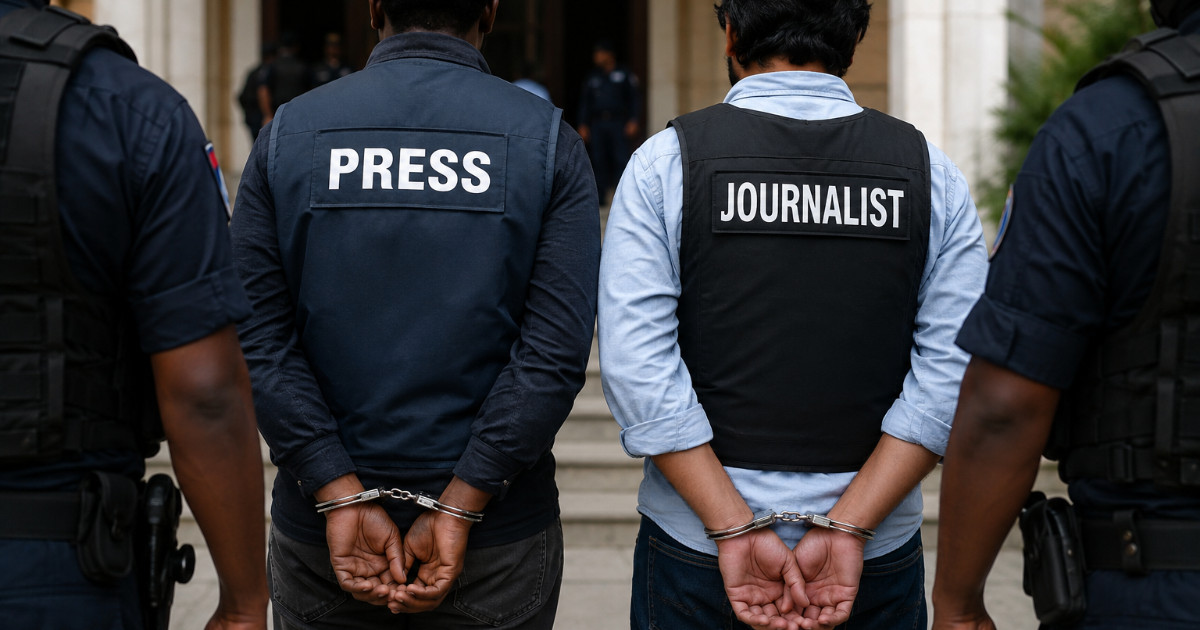
PHOTO: AI-generated; for illustrative purposes only.
Key Points
- Journalists on BBC World Service 'Newshour' and Radio 4's 'The World Tonight' staged a one-day strike.
- The National Union of Journalists says proposed shift and workload changes risk increased pressure and burnout.
- The walkout coincided with Matt Brittin's first day as Director-General of the BBC.
- Management has warned of 'tough choices' as part of cost-cutting that could include significant job losses.
- Longstanding budget cuts and restructuring have contributed to falling newsroom morale and staffing strains.
Key Questions & Answers
Why did BBC journalists go on strike?
They protested proposed shift and workload changes that the union says would increase pressure and risk burnout amid ongoing cost-cutting.
Which programmes were affected?
The walkout involved staff working on BBC World Service's 'Newshour' and BBC Radio 4's 'The World Tonight'.
What did BBC management say?
The new Director-General warned that tough choices are unavoidable as the broadcaster pursues cost savings that could include large-scale job reductions.
Which union represented the striking staff?
The National Union of Journalists organized the action and raised concerns about staffing, schedules, and newsroom morale.
Ask AI: Understand this story your way
AI EnabledDig deeper, ask anything — get instant context, background, and clarity.
Disclaimer: This feature is powered by AI and is intended to help readers explore and understand news stories more easily. While we strive for accuracy, AI-generated responses may occasionally be incomplete or reflect limitations in the underlying model. This feature does not represent the editorial views of JournalismPakistan. For our full, verified reporting, please refer to the original article.