
Pakistan cybercrime complaints top 77,000 in 2026
JournalismPakistan.com | Published: 20 May 2026 | JP Staff Report
Join our WhatsApp channel
NCCIA logged 77,023 cybercrime complaints in the first five months of 2026; 58,286 were verified leading to 8,048 inquiries, 457 registered cases, 520 arrests and only eight convictions amid 25 acquittals. The agency was restructured and given new forensic labs.Summary
ISLAMABAD — Pakistan’s National Assembly was informed that the National Cyber Crime Investigation Agency (NCCIA) received 77,023 cybercrime complaints during the first five months of 2026, resulting in 457 registered cases, 520 arrests, and only eight convictions, highlighting continuing challenges in cybercrime prosecution and digital law enforcement.
Minister for Interior and Narcotics Control Senator Mohsin Naqvi shared the figures while responding to a question from Member of the National Assembly James Iqbal about measures being taken to strengthen law enforcement agencies against rising cybercrime threats. According to the minister, 58,286 complaints were verified, leading to 8,048 formal inquiries during the period.
Cybercrime enforcement under scrutiny
The minister also disclosed that courts recorded 25 acquittals in cybercrime-related cases during 2026, underscoring concerns about weak prosecution outcomes despite growing enforcement activity. The NCCIA, established in May 2024, replaced the Federal Investigation Agency’s Cyber Crime Wing and now operates independently under the Ministry of Interior.
Naqvi told lawmakers the agency had undergone what he described as a major institutional overhaul, giving it expanded authority to investigate and prosecute cybercrime cases. He said the NCCIA had been equipped with modern digital forensic laboratories designed to handle encrypted communications, social media-related offences, and online financial fraud investigations.
The data presented in parliament showed that cybercrime complaints remain consistently high in Pakistan. The government recorded 161,828 complaints in 2024, 157,465 in 2025, and 134,710 in 2023. While complaint volumes fluctuated, the number of registered cases rose sharply in 2025, reaching 2,256 cases compared to 1,667 in 2024 and 1,375 in 2023.
PECA amendments draw criticism
The minister said the Prevention of Electronic Crimes Act (PECA) 2016 was amended in 2025 to address emerging digital threats, including deepfakes and large-scale misinformation campaigns. The amendments also established the Social Media Protection Regulatory Authority and introduced specialized Social Media Protection Tribunals comprising legal, technical, and media experts.
Naqvi said the changes aimed to strengthen technical adjudication and improve enforcement capacity in digital cases. He also referred to the introduction of Section 26-A, which criminalizes the deliberate spread of false information causing public panic, carrying penalties of up to three years in prison.
However, the amendments have faced sustained criticism from journalists, civil society groups, and opposition parties, who argue that the provisions could be used to suppress dissent and restrict freedom of expression. Media organizations and digital rights advocates have repeatedly raised concerns over vague definitions surrounding misinformation and the broader implications for online speech and independent journalism.
The latest figures presented in parliament reflect the growing scale of Pakistan’s cybercrime landscape at a time when authorities are expanding digital surveillance, online regulation, and enforcement powers amid increasing political and social tensions online.
WHY THIS MATTERS: The figures highlight the widening gap between cybercrime complaints, prosecutions, and convictions in Pakistan, raising important questions about investigative standards, digital evidence handling, and judicial capacity. For journalists and media organizations, the expansion of PECA-related powers and misinformation laws carries significant implications for online reporting, newsroom digital security, and freedom of expression in an increasingly regulated digital environment.
ATTRIBUTION: Reporting by JournalismPakistan, based on publicly available statements made in Pakistan’s National Assembly on May 18, 2026, and official remarks by Interior Minister Mohsin Naqvi reported by parliamentary proceedings.
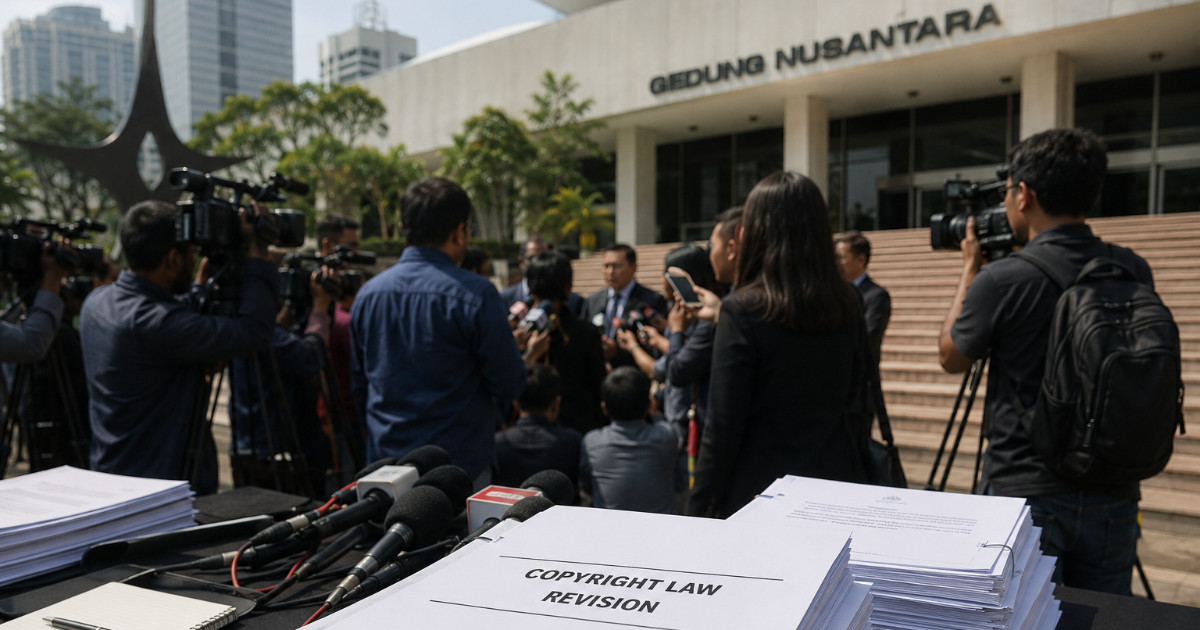
PHOTO: AI-generated; for illustrative purposes only.
Key Points
- National Cyber Crime Investigation Agency received 77,023 complaints in the first five months of 2026.
- 58,286 complaints were verified, triggering 8,048 formal inquiries.
- 457 cases were registered, resulting in 520 arrests but only eight convictions.
- Courts recorded 25 acquittals, raising concerns about prosecution quality.
- NCCIA was restructured and equipped with modern digital forensic laboratories.
Key Questions & Answers
What is the NCCIA?
The National Cyber Crime Investigation Agency (NCCIA) is Pakistan's independent federal body, established in May 2024, to investigate and prosecute cybercrime.
How many complaints did the agency receive in early 2026?
The NCCIA received 77,023 cybercrime complaints during the first five months of 2026.
Why are convictions low despite many arrests?
Officials cited weak prosecution outcomes and court acquittals; authorities say reforms and enhanced forensic capacity aim to improve case outcomes.
What reforms have been made to strengthen cyber enforcement?
The agency underwent restructuring, gained expanded authority, and was equipped with modern digital forensic labs to handle encrypted communications and online fraud cases.
Relevant Topics
Ask AI: Understand this story your way
AI EnabledDig deeper, ask anything — get instant context, background, and clarity.
Disclaimer: This feature is powered by AI and is intended to help readers explore and understand news stories more easily. While we strive for accuracy, AI-generated responses may occasionally be incomplete or reflect limitations in the underlying model. This feature does not represent the editorial views of JournalismPakistan. For our full, verified reporting, please refer to the original article.