
Press freedom review: Detentions, digital control, and industry upheaval
JournalismPakistan.com | Published: 19 April 2026 | JP News Desk
Join our WhatsApp channel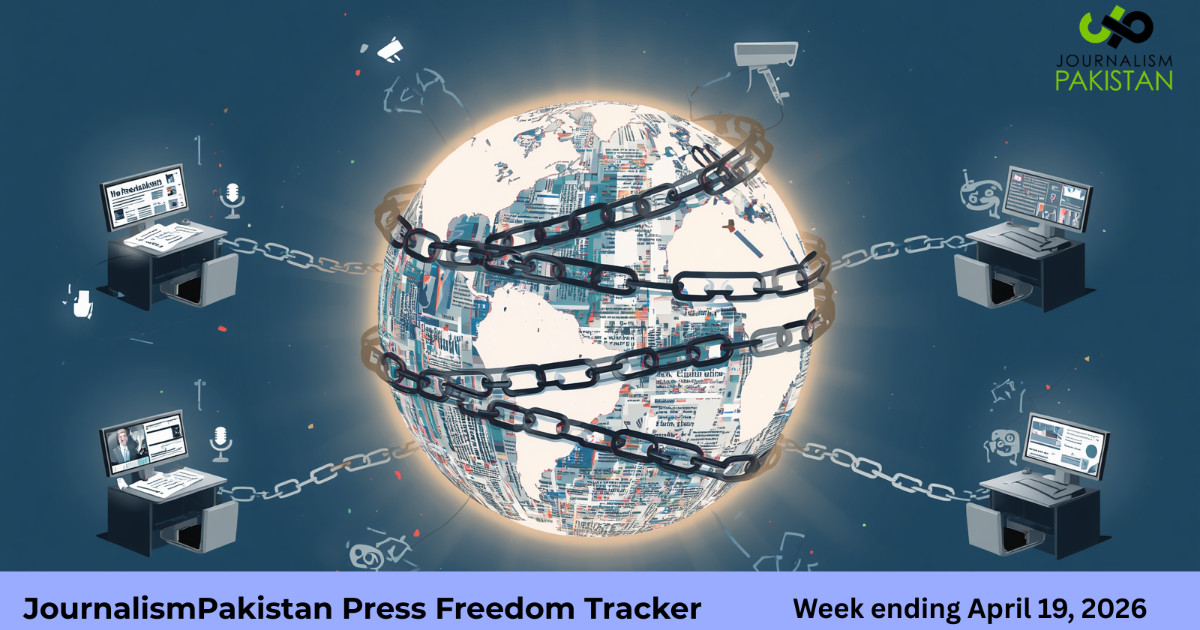
The Tracker finds a pattern of pressure on journalists and media outlets - arrests, detentions, legal notices, digital surveillance, and physical attacks across regions. It highlights regulatory enforcement and the growing economic strain on newsrooms.Summary
Editor's note
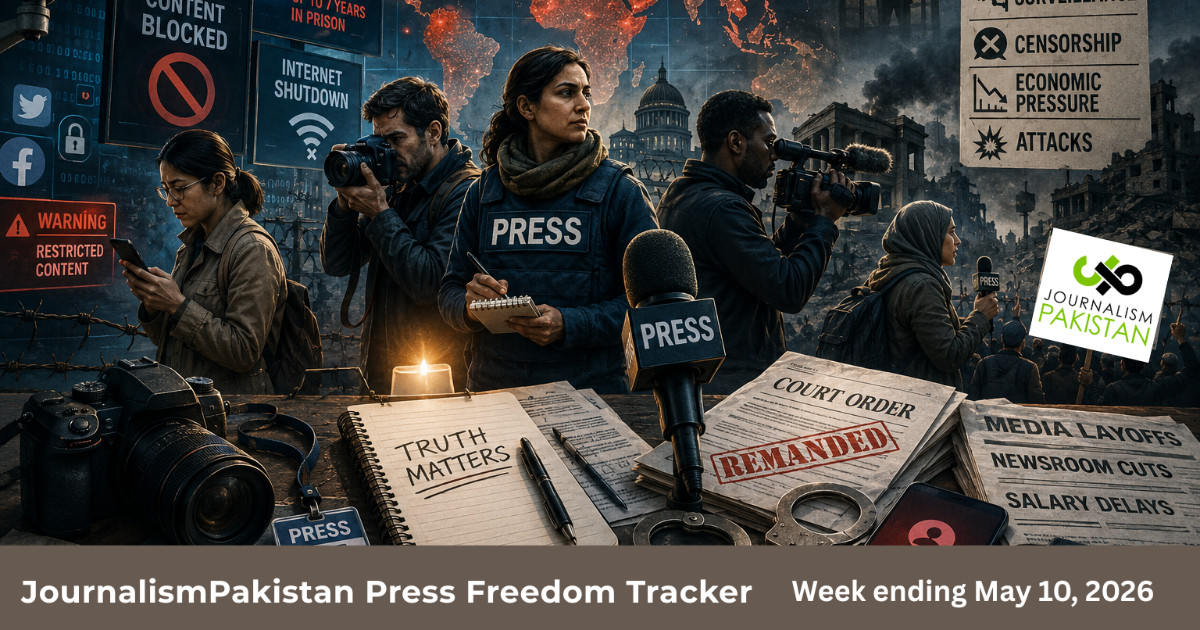
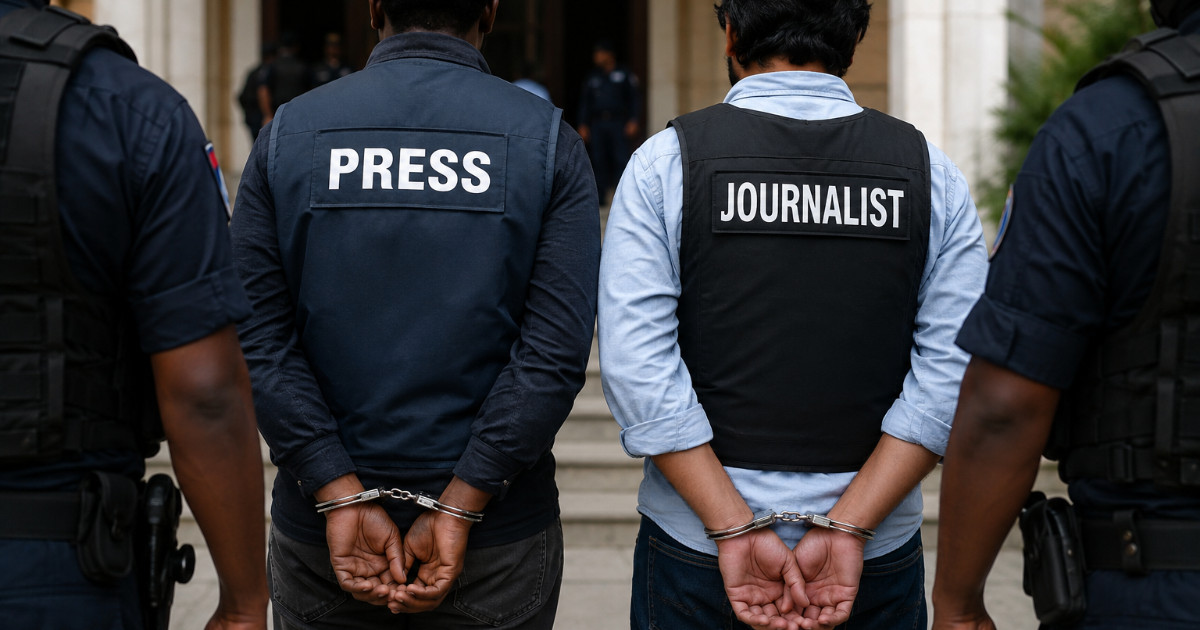
This week’s press freedom tracker highlights a continuing pattern of pressure on journalists and media institutions across multiple regions, ranging from arrests and legal action to physical attacks, digital surveillance, and deepening economic strain within newsrooms. The cases reflect how both state and non-state actors are increasingly shaping the boundaries of reporting through formal regulations, judicial processes, and informal intimidation. Together, these developments underscore a global environment where press freedom is being tested not only through direct censorship but also through legal ambiguity, financial vulnerability, and rising safety risks for journalists.
Arrests, detentions, and kidnappings
KUWAIT — Journalist Ahmed Shihab-Eldin was detained after sharing footage of a reported military incident online. Rights groups have raised concerns over the use of national security laws to restrict reporting amid heightened regional tensions. (Reuters, April 2026)
Legal and regulatory pressure
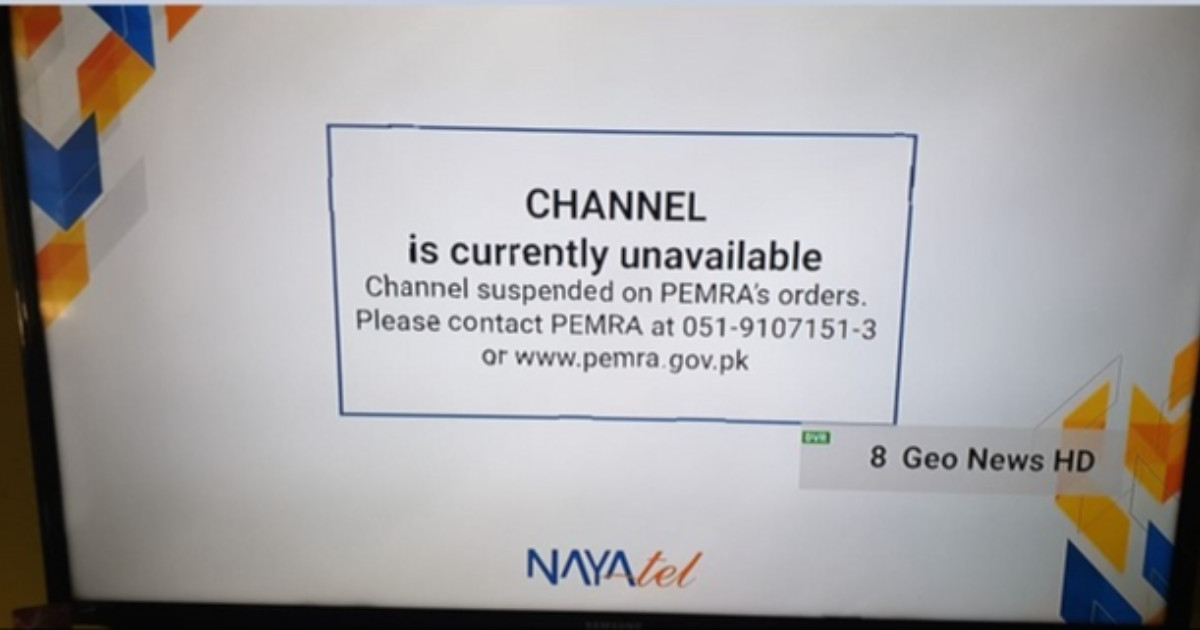
PAKISTAN — Media regulator PEMRA issued a show-cause notice to Geo News over the broadcast of Indian songs and visuals during coverage of Asha Bhosle’s death, citing violations of Supreme Court restrictions on airing Indian content. (PEMRA statement, April 12, 2026; Geo News managing director’s public statement, April 13, 2026)
KAZAKHSTAN — International press freedom groups have called on authorities to drop criminal cases against journalists, citing a broader pattern of arrests, house detentions, and digital restrictions targeting independent media. (JournalismPakistan, based on publicly available statements, April 2026)
Attacks, threats, and harassment
PAKISTAN — Social media reports claim a violent attack on broadcast journalist Jameel Farooqui in Islamabad, with allegations that he was seriously injured. Authorities had not issued an official confirmation at the time of reporting. (JournalismPakistan, April 16, 2026)
UNITED KINGDOM — Three men were arrested following an arson attack targeting Iran International’s London premises, where incendiary devices were thrown near the broadcaster’s studios. Police are investigating the incident alongside other recent arson cases in northwest London. (Committee to Protect Journalists; Iran International statements, April 16, 2026)
INDIA — The office of Assamese daily Asomiya Pratidin was attacked, prompting condemnation from the Committee to Protect Journalists and renewed calls for an investigation amid concerns over journalist safety in the northeastern region. (Committee to Protect Journalists statement; regional media reports, April 16–17, 2026)
Censorship and digital restrictions
VIETNAM — Authorities have expanded digital surveillance and online policing systems, increasing state monitoring of online activity and raising concerns over potential restrictions on independent reporting and source protection. (Reuters, April 15, 2026)
Policy and court developments
UNITED STATES — A federal judge dismissed Donald Trump’s $10 billion defamation lawsuit against The Wall Street Journal, ruling that the complaint failed to meet the “actual malice” standard required in cases involving public figures. (BBC News, April 13, 2026)
HUNGARY — The incoming government under Péter Magyar announced plans to suspend state news broadcasts and introduce legal reforms aimed at dismantling political control over public media. (Reuters, April 2026)
Media labor and industry pressures
PAKISTAN — Journalists’ unions report widespread layoffs, salary arrears, and cuts to essential benefits across multiple media organizations, highlighting increasing economic pressure on newsrooms and media workers. (JournalismPakistan; RIUJ, April 15, 2026)
PAKISTAN — A viral clip from a 24 News entertainment program prompted public criticism from senior journalist Ansar Abbasi, who called for action against those involved, sparking wider debate on broadcast conduct and regulatory standards for television content. (Public statements by Ansar Abbasi on X and Fiza Ali on Instagram, April 13–15, 2026)
UNITED KINGDOM — The BBC announced plans to cut up to 2,000 jobs as part of cost-saving measures, with unions warning of significant impacts on journalism capacity and workforce stability. (BBC News, April 16, 2026)
PAKISTAN — ARY News host Irar ul Hassan Syed resigned after 21 years, citing his decision to join a political movement, highlighting ongoing career shifts within the media industry. (JournalismPakistan, April 16, 2026)
Press freedom and journalist safety
PAKISTAN — The International Federation of Journalists has elected Pakistani journalist Javeria Siddique as regional coordinator for its Asia Pacific Gender Council for the 2026–2029 term, strengthening regional efforts to promote safer and more inclusive newsrooms. (International Federation of Journalists, April 12, 2026)
SOUTH ASIA — A regional journalists’ body reported more than 250 press freedom violations over the past year, including killings, arrests, assaults, and threats across multiple countries, warning of a deteriorating safety environment for media professionals. (SAJF statement, April 2026)
Global context
Across regions covered in this week’s tracker, press freedom challenges continue to manifest in multiple forms, from legal enforcement and regulatory pressure to physical attacks and digital surveillance. While some developments involve formal judicial rulings and policy shifts, others reflect informal or violent pressures that directly impact journalists’ ability to report freely. The combination of economic strain in major media markets, expanding state oversight of digital spaces, and ongoing safety risks underscores a fragmented but intensifying global environment for journalism.
For additional context, please review last week’s Tracker.
(This Press Freedom Tracker is produced by JournalismPakistan, which verifies, curates, and synthesizes reporting from credible international media outlets, press freedom organizations, and official statements. Where applicable, JournalismPakistan’s original reporting is included alongside external sources. The Tracker provides a clear, accurate, and accountable record of developments affecting journalists and media worldwide.)
Key Points
- Reports show arrests, detentions and kidnappings of journalists in several countries, often linked to national security claims.
- Regulatory actions include PEMRA issuing a show-cause notice to Geo News over broadcast content amid court restrictions.
- International press freedom groups have urged authorities to drop criminal cases and end house detentions, notably in Kazakhstan.
- Digital surveillance and legal ambiguity are increasingly used to restrict reporting and limit online dissemination.
- Newsrooms face mounting economic strain, compounding risks from legal pressure and physical threats to journalists.
Key Questions & Answers
What does the tracker document?
It records a cross-regional pattern of pressure on journalists and media outlets, including arrests, regulatory actions, digital restrictions and economic challenges.
Which specific incidents are cited?
Examples include the detention of a journalist in Kuwait after posting footage and PEMRA's show-cause notice to Geo News in Pakistan.
Are international groups involved?
Yes; international press freedom organizations have called for charges to be dropped and for limits on house detentions, particularly in Kazakhstan.
What broader risks does the review highlight?
The review points to legal ambiguity, increased surveillance, and financial pressures as factors reshaping the boundaries of reporting and newsroom viability.
Relevant Topics
Ask AI: Understand this story your way
AI EnabledDig deeper, ask anything — get instant context, background, and clarity.
Disclaimer: This feature is powered by AI and is intended to help readers explore and understand news stories more easily. While we strive for accuracy, AI-generated responses may occasionally be incomplete or reflect limitations in the underlying model. This feature does not represent the editorial views of JournalismPakistan. For our full, verified reporting, please refer to the original article.