
Vietnam expands surveillance, raising media concerns
JournalismPakistan.com | Published: 15 April 2026 | JP Asia Desk
Join our WhatsApp channel
Vietnam is expanding state surveillance modeled on China's approach, integrating data platforms and stepped-up online monitoring. Observers say the measures could deter sources, hamper whistleblowing and constrain independent journalism.Summary
HANOI—Authorities in Vietnam are expanding state-backed policing and surveillance systems modeled in part on governance approaches seen in China, prompting concern among media observers about the future of digital freedoms and independent reporting.
Recent policy moves indicate a growing reliance on technology-driven monitoring, including data integration platforms and enhanced tracking of online activity. While officials have framed the measures as tools for public security and administrative efficiency, analysts say they also point to a broader tightening of state oversight in the information space.
Rising reliance on digital monitoring
The expansion reflects a longer-term strategy to centralize data flows and strengthen state visibility over online communication. Experts note that such systems can enable authorities to identify trends, track narratives, and respond quickly to content deemed sensitive or destabilizing.
Although there is no indication in this instance that journalists are being directly targeted, the implications for the media are significant. Increased surveillance capacity may deter whistleblowers and limit the willingness of sources to engage with reporters, particularly on politically sensitive topics.
Regional pattern of information control
Vietnam’s approach mirrors wider trends across parts of Asia, where governments are investing in sophisticated surveillance infrastructure to manage digital ecosystems. Observers frequently point to China’s model of integrating governance with real-time data monitoring as an influential framework shaping such policies.
For media organizations, this evolving environment presents operational challenges. Newsrooms may need to reassess digital security practices, encryption use, and methods for protecting confidential sources as state capabilities expand.
The developments also raise broader questions about the balance between national security and freedom of expression. International watchdogs have previously highlighted Vietnam’s regulatory framework for online content, noting that increased monitoring could reinforce existing restrictions.
WHY THIS MATTERS: For Pakistani journalists, Vietnam’s trajectory underscores how rapidly digital surveillance tools can reshape reporting conditions. As governments worldwide adopt similar technologies, Pakistani newsrooms may need to strengthen cybersecurity protocols and source protection strategies to operate safely in increasingly monitored environments.
ATTRIBUTION: Reporting by JournalismPakistan, based on publicly available policy discussions and regional media reporting on surveillance developments in Vietnam (April 2026).
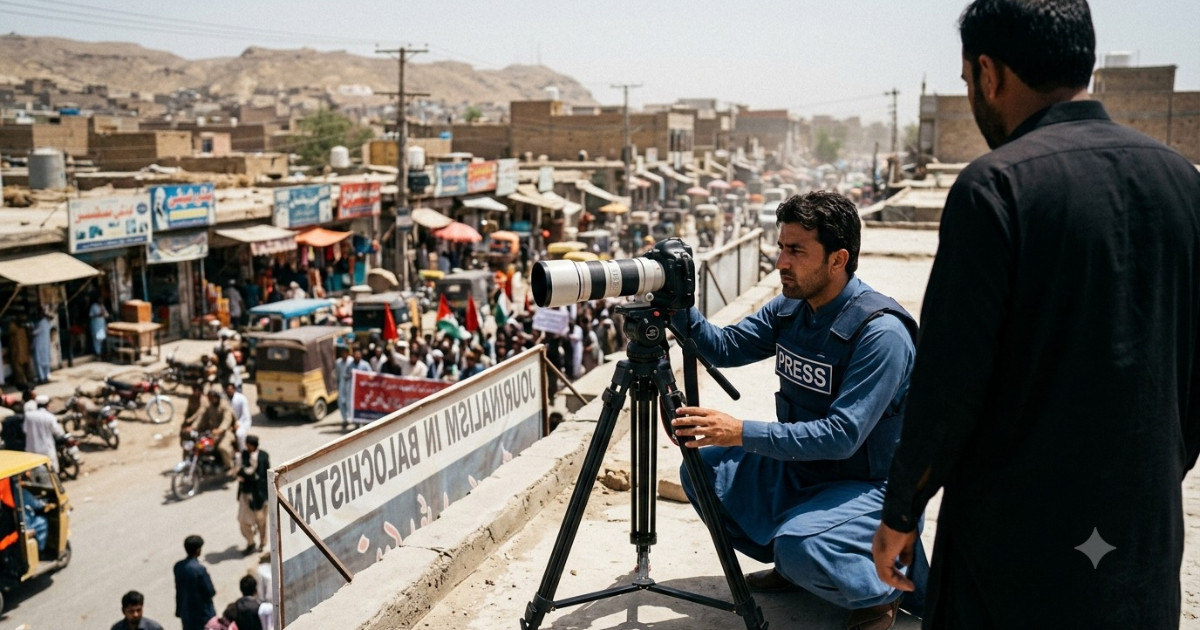
PHOTO: AI-generated; for illustrative purposes only.
Key Points
- Authorities are broadening state surveillance with technology-driven systems and data integration platforms.
- Policing and monitoring efforts are influenced in part by governance models seen in China.
- Enhanced tracking of online activity aims to centralize information flows and increase state visibility.
- No clear evidence of direct journalist targeting yet; however, the measures may deter sources and whistleblowers.
- The approach reflects a regional trend toward sophisticated surveillance and tighter information control.
Key Questions & Answers
Are journalists being directly targeted?
There is no clear indication of direct targeting in this instance; however, increased surveillance can indirectly affect reporting by deterring sources.
Is Vietnam copying China's system?
Officials cite efficiency and security aims, while analysts note that some elements-like integrated data monitoring-are influenced by approaches used in China.
What are the main risks for press freedom?
Expanded monitoring can chill whistleblowers and make sources less willing to share sensitive information, thereby constraining investigative reporting.
How does this fit regional trends?
Vietnam's moves mirror patterns across parts of Asia where governments invest in sophisticated surveillance to manage digital ecosystems and information flows.
Relevant Topics
Ask AI: Understand this story your way
AI EnabledDig deeper, ask anything — get instant context, background, and clarity.
Disclaimer: This feature is powered by AI and is intended to help readers explore and understand news stories more easily. While we strive for accuracy, AI-generated responses may occasionally be incomplete or reflect limitations in the underlying model. This feature does not represent the editorial views of JournalismPakistan. For our full, verified reporting, please refer to the original article.