.png)
Attack on Assamese newspaper deepens press safety concerns
JournalismPakistan.com | Published: 17 April 2026 | JP Asia Desk
Join our WhatsApp channel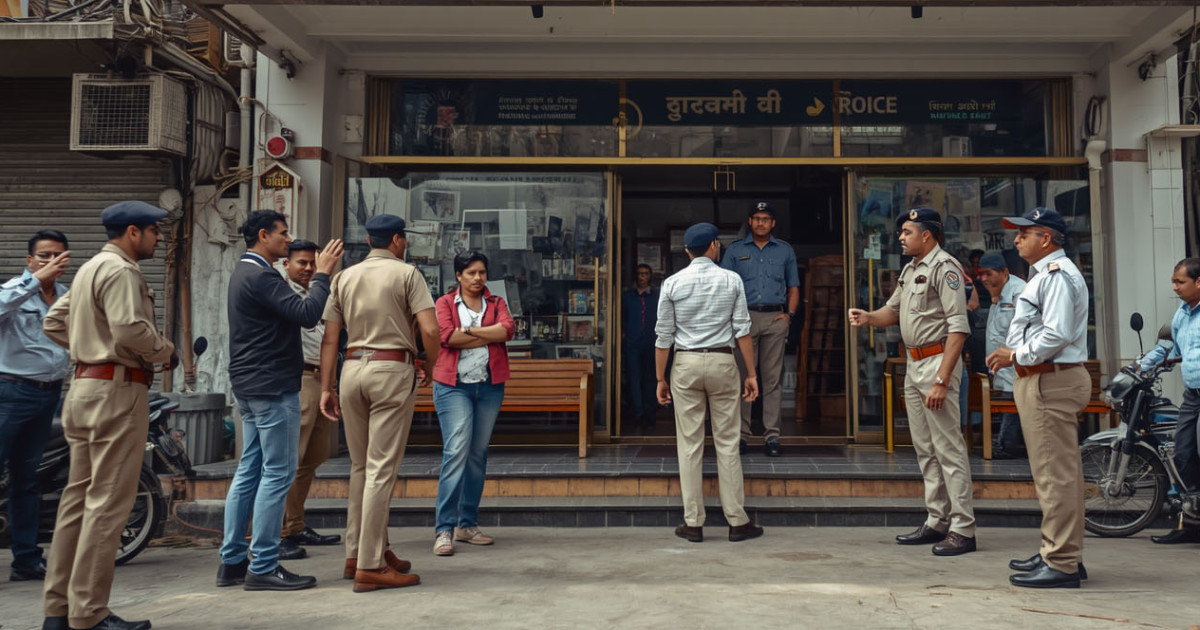
An attack on Asomiya Pratidin's office in Assam has been condemned and prompted the Committee to Protect Journalists to seek a transparent probe; the case highlights risks to regional media in northeast India and concerns about intimidation.Summary
ASSAM, INDIA—An attack on the office of Assamese newspaper Asomiya Pratidin has drawn strong condemnation from press freedom advocates and renewed concerns over the safety of journalists in India’s northeastern region, where media outlets have increasingly faced localized intimidation linked to political and social tensions.
The incident, which occurred just before April 16, prompted immediate attention from the Committee to Protect Journalists, which called for a transparent investigation and accountability for those responsible. While details of the attack remain limited in publicly available reporting, the episode has intensified scrutiny of risks faced by regional media organizations operating in politically sensitive environments.
Press freedom concerns in the northeast
The northeastern states of India have long been identified by press freedom monitors as areas where journalists can face heightened pressure, including threats, harassment, and episodic violence. The attack on Asomiya Pratidin adds to a pattern of incidents that raise questions about the adequacy of protection mechanisms for media workers and newsrooms outside major metropolitan centers.
Authorities have been urged to ensure that the investigation is not only prompt but also transparent, particularly given concerns that such incidents may discourage critical reporting at the local level. Media watchdogs argue that unresolved cases of intimidation can contribute to self-censorship, especially in regions where political influence over local institutions is perceived to be strong.
Calls for accountability and protection
Press freedom groups have emphasized that attacks on media offices represent a direct challenge to journalistic independence and public access to information. They have also highlighted the importance of safeguarding newsroom infrastructure, which is increasingly vulnerable to both physical and digital threats in politically charged contexts.
While no group has publicly claimed responsibility for the attack, the absence of accountability in similar past cases has been cited by advocates as a key concern undermining trust in enforcement systems and deterrence measures.
Regional media under pressure
The incident underscores broader pressures facing regional-language newspapers in India, which often operate with limited resources while covering complex political and social issues. Analysts note that such outlets are frequently the first point of contact for local communities seeking information, making them particularly sensitive to intimidation attempts.
WHY THIS MATTERS: For Pakistani journalists and media professionals, the incident highlights how regional media in South Asia face similar vulnerabilities, especially when reporting on politically sensitive issues outside major urban centers. It underscores the importance of newsroom safety protocols, legal protection frameworks, and solidarity across borders in responding to threats against press freedom.
ATTRIBUTION: Reporting by JournalismPakistan, based on publicly available statements from the Committee to Protect Journalists (April 2026) and reports on the Asomiya Pratidin office attack published across regional media on April 16–17, 2026.
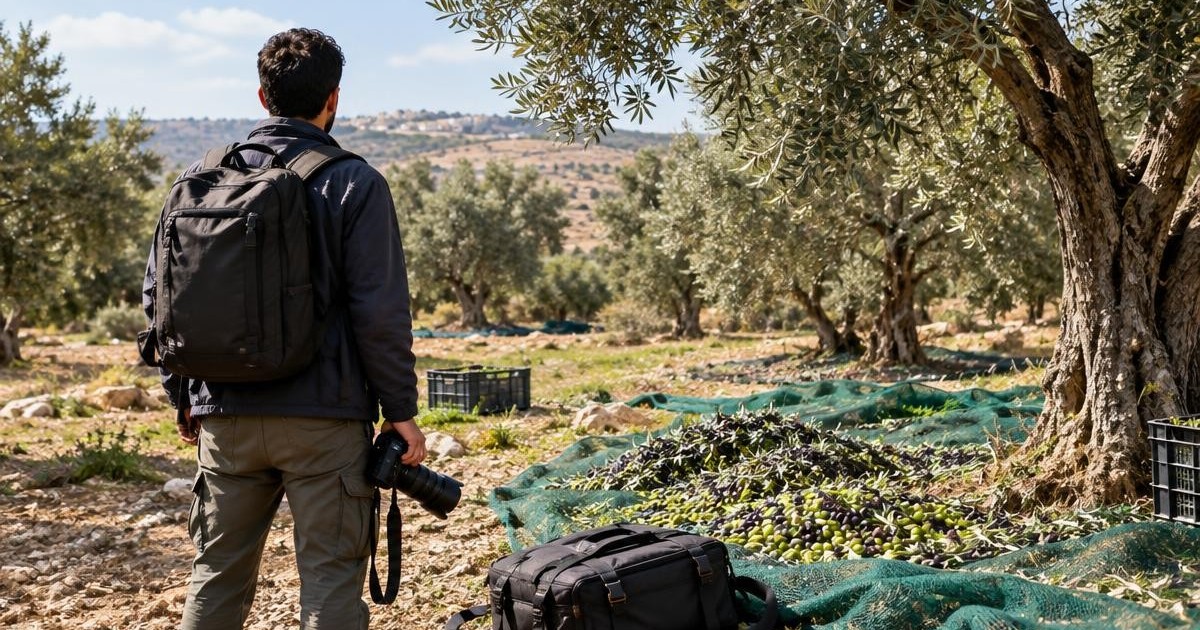
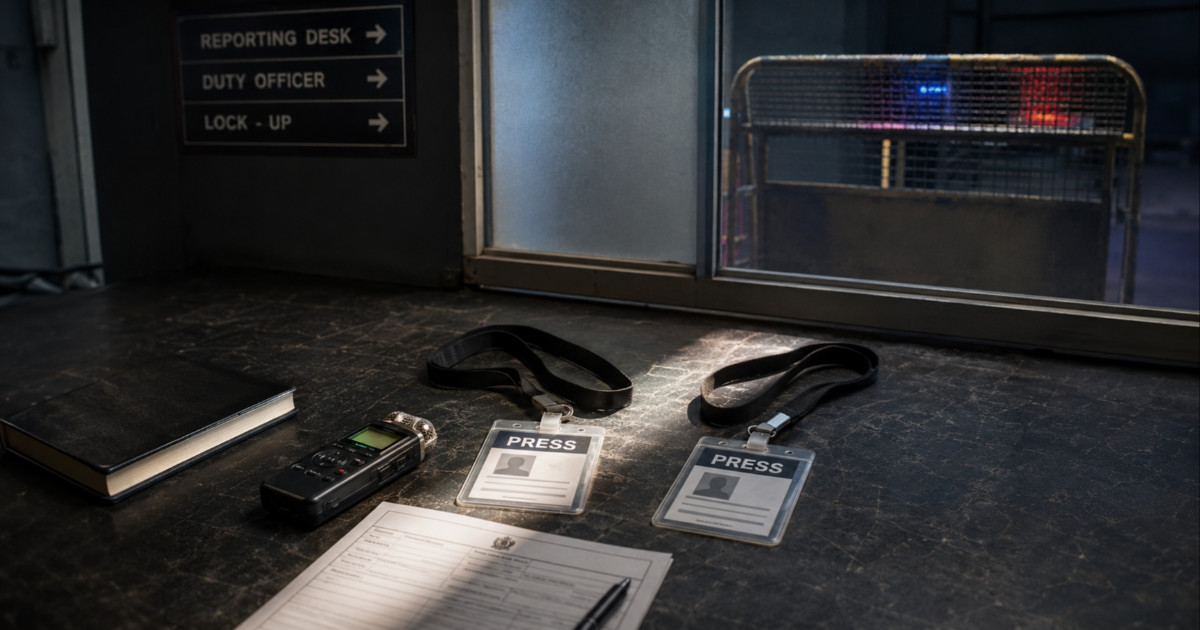
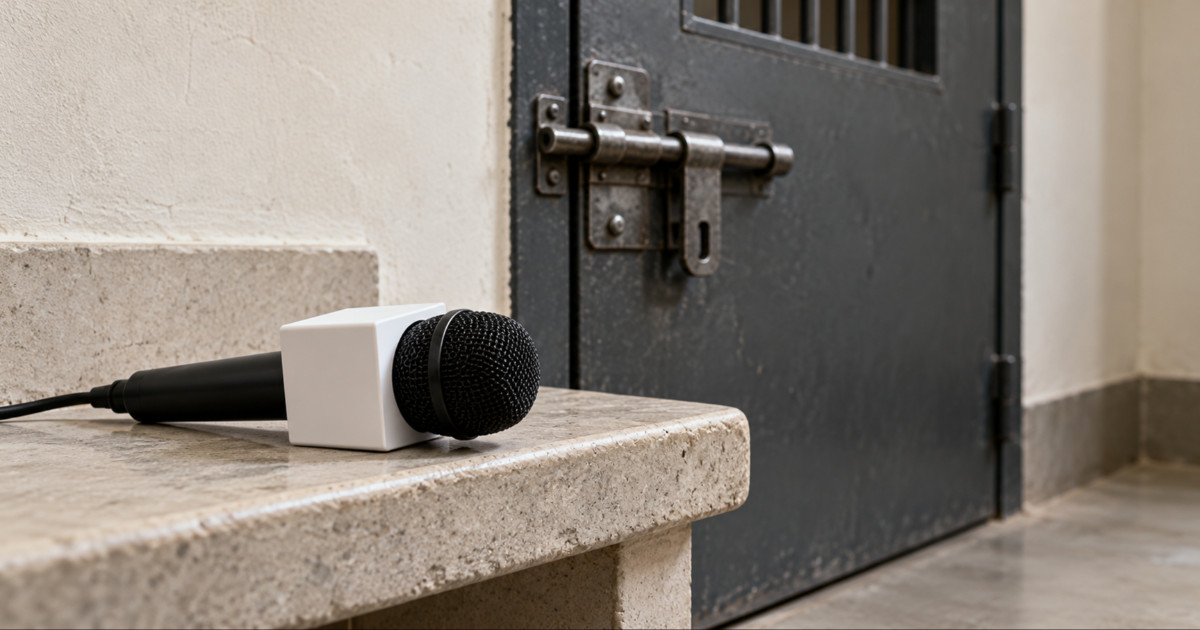
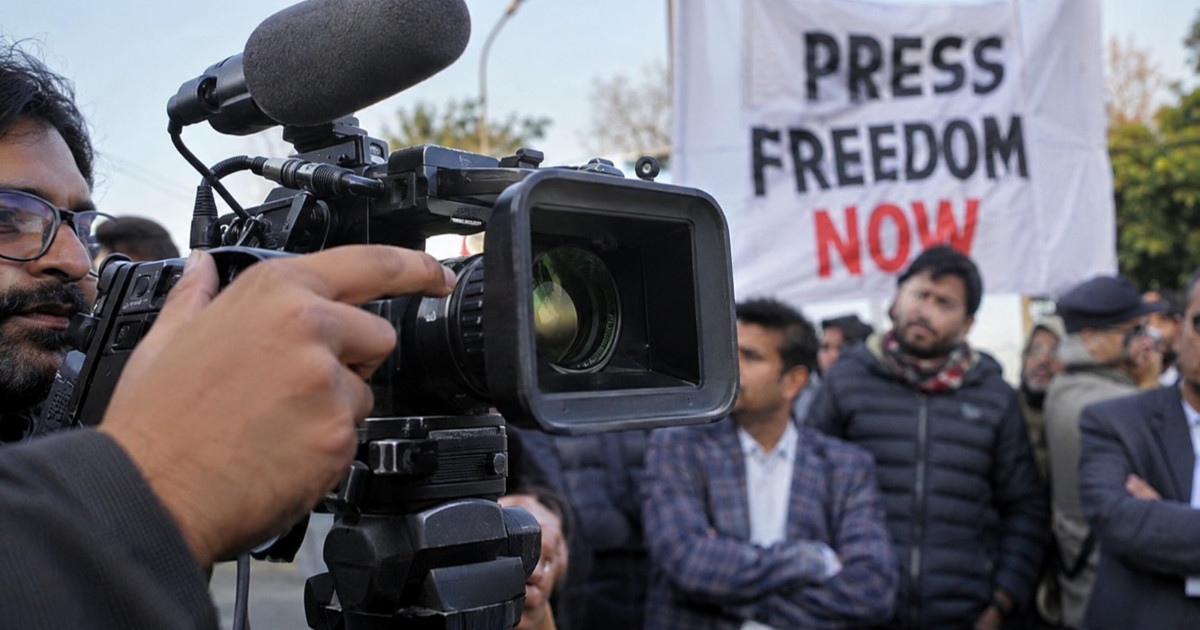
PHOTO: AI-generated; for illustrative purposes only.
Key Points
- Asomiya Pratidin's office in Assam was attacked, drawing condemnation from press freedom advocates.
- The Committee to Protect Journalists urged a prompt and transparent investigation into the incident.
- Details of the attack remain limited in public reporting, raising calls for accountability.
- The episode underscores persistent risks for regional media in India's northeast, including threats and harassment.
- Watchdogs warn unresolved intimidation can foster self-censorship and weaken local reporting.
Key Questions & Answers
What occurred in this incident?
The office of Assamese newspaper Asomiya Pratidin was attacked in Assam; publicly available details are limited but the incident has drawn condemnation.
Who has responded to the attack?
The Committee to Protect Journalists and media watchdogs condemned the attack and called for a transparent investigation and accountability.
Why does this matter for regional journalism?
The attack highlights risks faced by regional media in northeast India, where threats and harassment can undermine reporting and encourage self-censorship.
What are watchdogs urging authorities to do?
Observers urge a prompt, transparent investigation and accountability for those responsible to protect journalists and deter future intimidation.
Ask AI: Understand this story your way
AI EnabledDig deeper, ask anything — get instant context, background, and clarity.
Disclaimer: This feature is powered by AI and is intended to help readers explore and understand news stories more easily. While we strive for accuracy, AI-generated responses may occasionally be incomplete or reflect limitations in the underlying model. This feature does not represent the editorial views of JournalismPakistan. For our full, verified reporting, please refer to the original article.