
South Asia sees 250 media rights violations in a year
JournalismPakistan.com | Published: 18 April 2026 | JP Asia Desk
Join our WhatsApp channel
SAJF reports more than 250 media rights violations in the past year across South Asia, including at least 20 journalist killings, arrests, assaults and threats; the federation cites legal pressure, raids and rising digital censorship that undermine reporting.Summary
ISLAMABAD — The South Asia Journalists Federation (SAJF) has raised alarm over what it describes as a sharp and sustained deterioration in press freedom across the region, citing a surge in attacks, legal pressure, and censorship targeting journalists in multiple countries.
In a strongly worded statement, SAJF said recent assessments show more than 250 violations of media rights in the past year alone, including killings, arrests, assaults, and threats. At least 20 journalists were killed during this period, while many others faced imprisonment, harassment, or intimidation.
Shrinking space for independent journalism
The federation pointed to broader global indicators reinforcing the trend, including the latest World Press Freedom Index, which categorizes several South Asian countries, such as India, Pakistan, and Bangladesh, as facing a “very serious” press freedom situation.
According to SAJF, the threats facing journalists vary across the region but reflect a consistent pattern of shrinking democratic space. In Pakistan, journalists continue to face violence, enforced disappearances, and a culture of impunity. In Bangladesh, media outlets have been attacked, and journalists threatened, particularly in politically sensitive periods.
The organization also highlighted increasing use of legal tools and regulatory pressure in India and elsewhere, where journalists face raids, restrictive laws, and institutional scrutiny that critics say undermine independent reporting.
Digital censorship and regional risks
Beyond physical threats, SAJF underscored the rise in digital censorship and surveillance. Nepal has witnessed social media restrictions, while journalists in several countries report online harassment and monitoring.
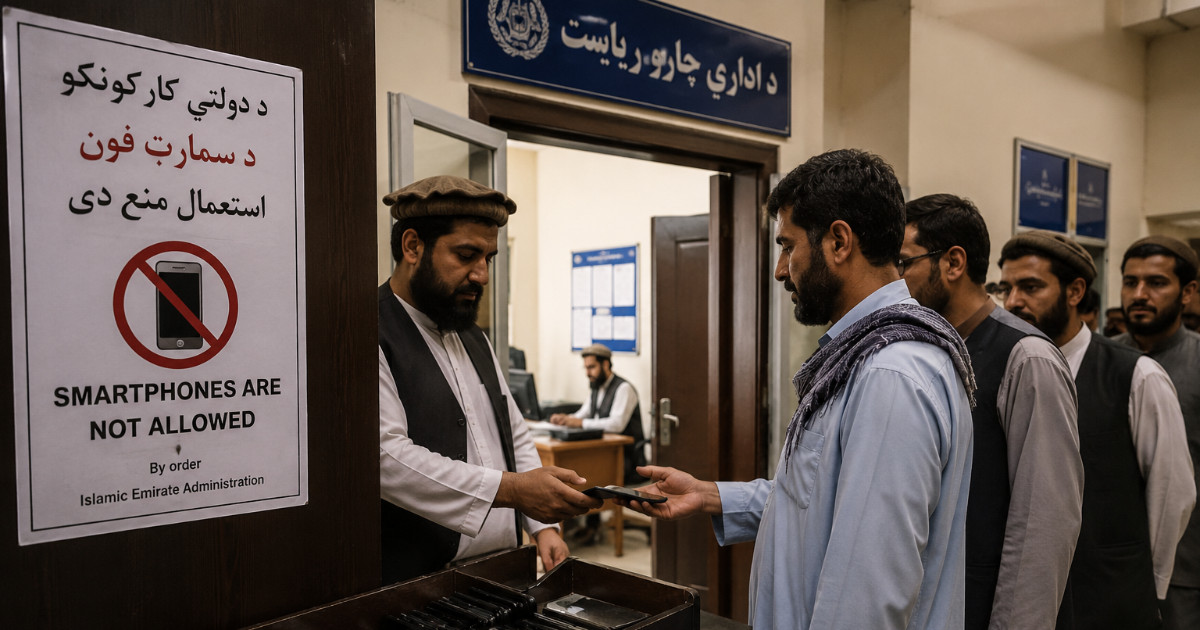
In conflict-affected areas such as Afghanistan, journalists continue to operate under extreme risk due to political instability and security threats, further complicating efforts to sustain independent media.
SAJF warned that these developments are not isolated incidents but part of a broader regional pattern where journalism is increasingly treated as a threat rather than a democratic necessity.
Calls for accountability and reform
SAJF President Geetartha Pathak said the decline in press freedom represents a direct challenge to democratic values. He emphasized that silencing journalists through violence or coercion undermines the public’s right to information and weakens accountability.
Secretary General Shakeel Ahmed described the situation as a “systemic and coordinated” threat environment, calling on governments across South Asia to act urgently. The federation has demanded stronger protection mechanisms for journalists, independent investigations into attacks, and the repeal or review of laws used to suppress media freedom.
SAJF also called for an end to arbitrary arrests, surveillance, and harassment, along with greater regional cooperation to safeguard press freedom as a fundamental right.
WHY THIS MATTERS: The regional trend highlighted by SAJF reflects risks that directly affect Pakistani journalists, particularly around safety, legal exposure, and digital surveillance. Newsrooms in Pakistan may need to strengthen safety protocols, legal preparedness, and cross-border collaboration to respond to similar pressures. The report also signals the importance of collective advocacy by media bodies to push back against systemic restrictions.
ATTRIBUTION: Reporting by JournalismPakistan, based on publicly available statements issued by the South Asia Journalists Federation (April 2026) and contextual data from the International Federation of Journalists’ South Asia Press Freedom Report and Reporters Without Borders (2025).
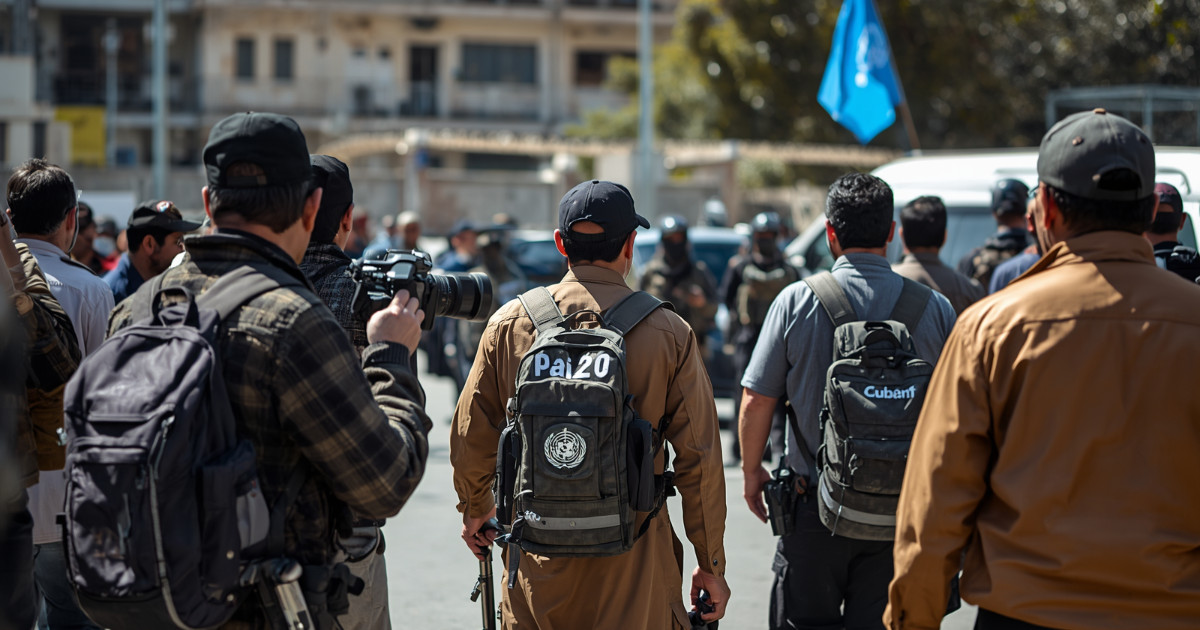
PHOTO: AI-generated; for illustrative purposes only.
Key Points
- SAJF documents over 250 media rights violations across South Asia in the past year.
- At least 20 journalists were killed during this period, with many others arrested, assaulted or threatened.
- Violations include physical attacks, enforced disappearances, legal harassment and institutional raids.
- Federation highlights increasing digital censorship and regulatory pressure undermining independent reporting.
- Countries cited include Pakistan, Bangladesh and India, reflecting a regional pattern of shrinking democratic space.
Key Questions & Answers
What did SAJF report?
SAJF reported more than 250 violations of media rights across South Asia over the past year, including killings, arrests, assaults and threats.
How many journalists were killed?
The federation said at least 20 journalists were killed during the reported period.
Which countries are highlighted?
SAJF singled out Pakistan, Bangladesh and India among the countries facing very serious press freedom concerns.
What forms of censorship and pressure are cited?
The statement cites physical attacks, legal harassment, institutional raids and increasing digital censorship that restricts reporting.
Relevant Topics
Ask AI: Understand this story your way
AI EnabledDig deeper, ask anything — get instant context, background, and clarity.
Disclaimer: This feature is powered by AI and is intended to help readers explore and understand news stories more easily. While we strive for accuracy, AI-generated responses may occasionally be incomplete or reflect limitations in the underlying model. This feature does not represent the editorial views of JournalismPakistan. For our full, verified reporting, please refer to the original article.