
RIUJ report exposes Pakistan media layoffs crisis
JournalismPakistan.com | Published: 15 April 2026 | JP Staff Report
Join our WhatsApp channel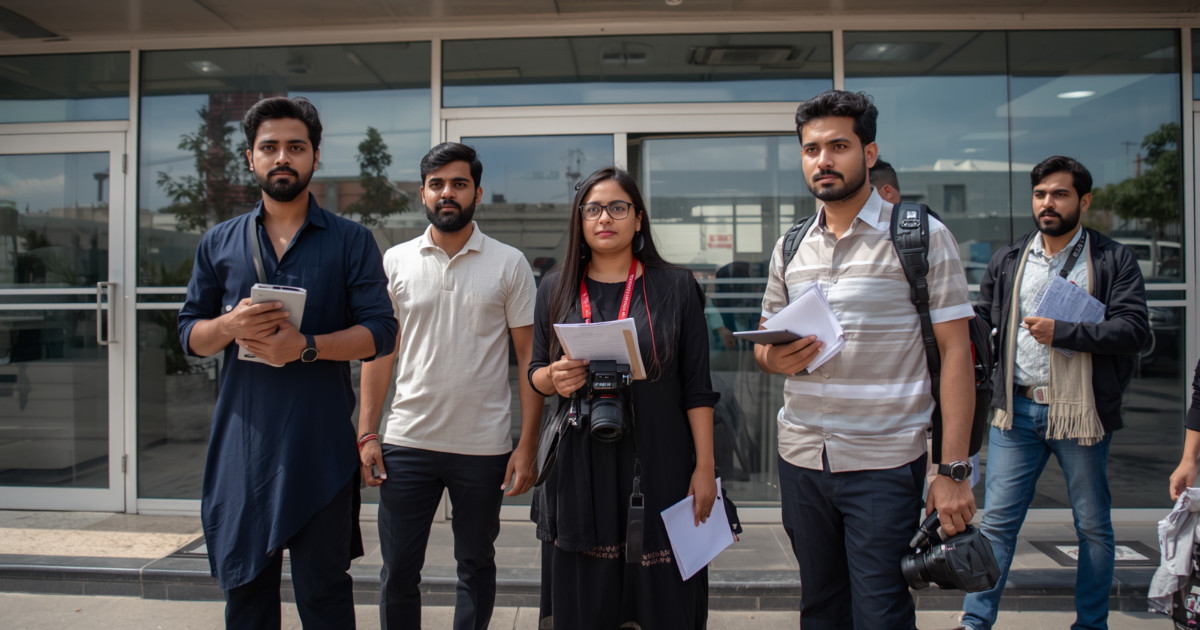
RIUJ's situational analysis documents widespread forced terminations, salary delays and cuts, and weakening employment protections for journalists and technical staff across television, print and digital outlets in Islamabad, Rawalpindi, and other centers.Summary
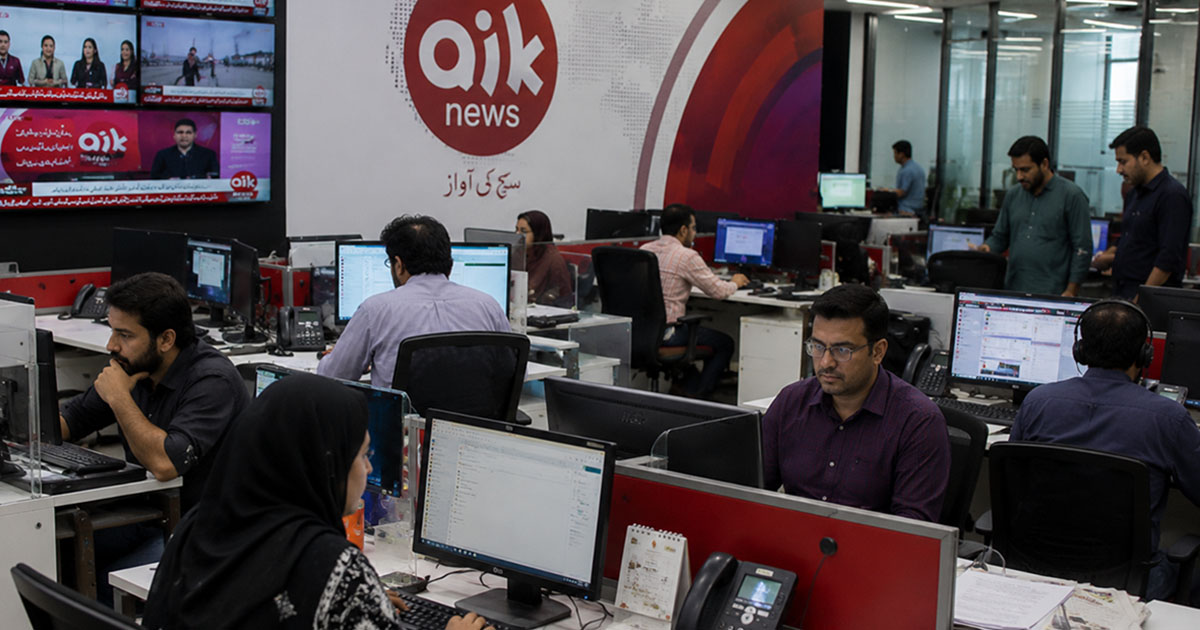
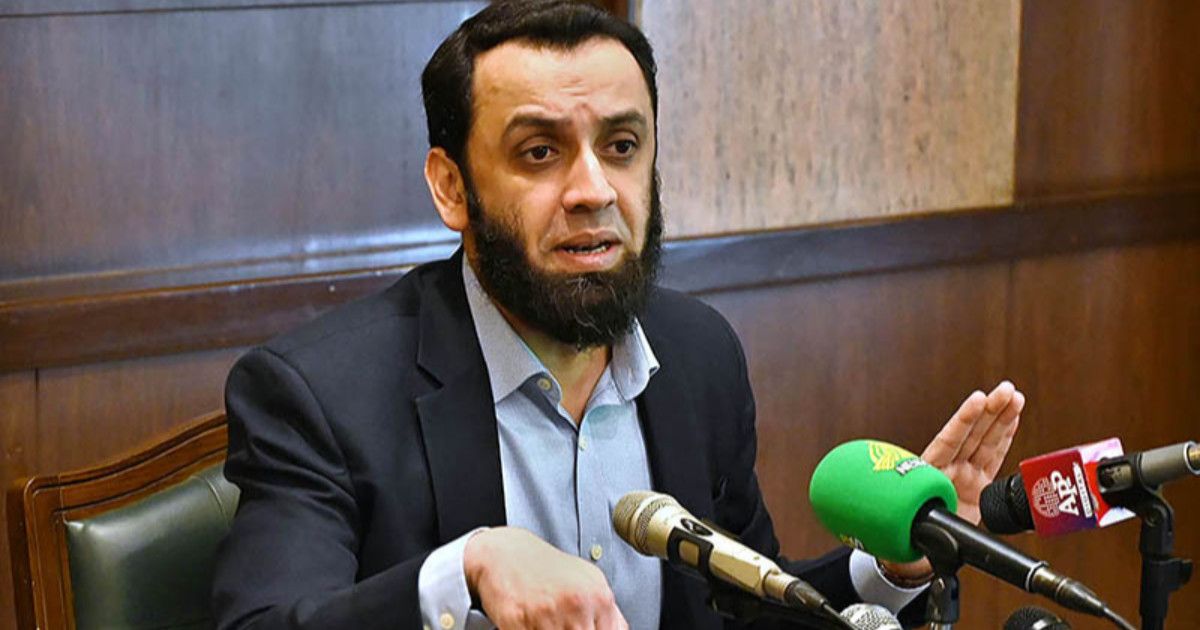
ISLAMABAD — A new situational analysis issued by the Rawalpindi-Islamabad Union of Journalists (RIUJ) has highlighted a deepening crisis in Pakistan’s media industry, pointing to widespread forced terminations, salary delays, and the erosion of basic employment protections amid an ongoing economic downturn. The report describes a sustained pattern of downsizing across television, digital, and print outlets, particularly affecting journalists and technical staff in Islamabad and Rawalpindi.
The RIUJ document states that media houses have increasingly resorted to forced redundancies and salary cuts, creating significant financial insecurity for media workers across the country. It adds that the findings are based on direct verification with affected employees and will be updated as new information emerges.
Forced layoffs and restructuring across media outlets
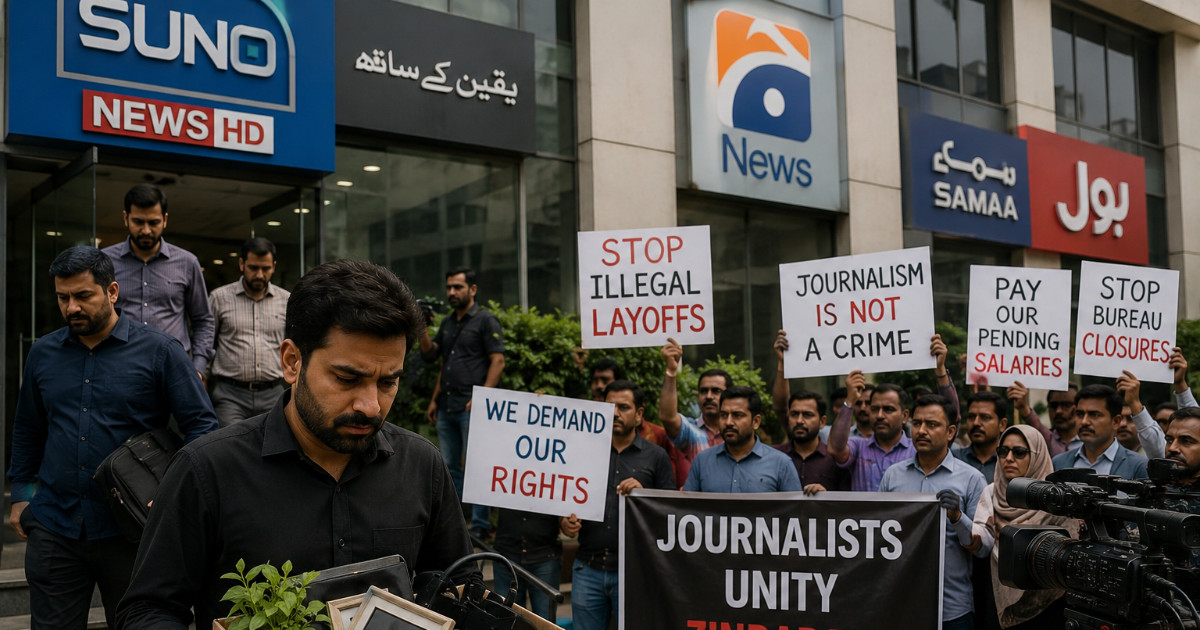
The report identifies multiple television channels and digital platforms undergoing major workforce reductions. It notes that Such TV has reportedly terminated around 50 percent of its workforce, closed its Lahore bureau, and dismissed staff in Islamabad without clearing dues. Aaj TV is also cited as implementing nationwide downsizing affecting reporters, camera operators, and technical teams.
The analysis further states that digital media platform Nukta has dismissed dozens of employees without prior notice, while Abb Takk News has terminated several staff members in Islamabad and significantly reduced bureau operations. NewsOne is also reported to have carried out multiple dismissals across city offices, and both Urdu News and Independent Urdu have eliminated senior journalistic positions. GTV is similarly mentioned in reports of ongoing employee terminations.
Salary arrears and financial instability
The RIUJ report highlights that salary delays have become a recurring issue across several outlets, with Neo News and GTV reportedly experiencing delays of two to three months. Suno News is also cited for irregular and inconsistent salary payments, further compounding financial stress for employees.
Print media sector under pressure
In the print media landscape, the report points to continued unpaid dues, particularly at Daily Jang and other outlets, where staff reportedly face long-standing salary arrears. The situation reflects broader financial strain within traditional media organizations struggling to adapt to declining revenues.
Cuts in essential staff benefits
Beyond layoffs and salary issues, the report notes that several outlets have reduced or eliminated essential employee benefits. Field staff allowances, including petrol and maintenance support, have reportedly been cut, limiting operational mobility for journalists. Additionally, pick-and-drop services for women employees have been discontinued at multiple organizations, raising concerns over workplace accessibility and safety.
WHY THIS MATTERS: The findings highlight growing instability in Pakistan’s media labor market, where financial pressures are directly impacting newsroom capacity and journalist welfare. For media professionals, the trend underscores the need for stronger contractual protections and transparent labor practices in news organizations. It also raises broader concerns about editorial independence as financially strained outlets restructure operations.
ATTRIBUTION: Reporting by JournalismPakistan, based on a situational analysis issued by the Rawalpindi-Islamabad Union of Journalists (RIUJ).
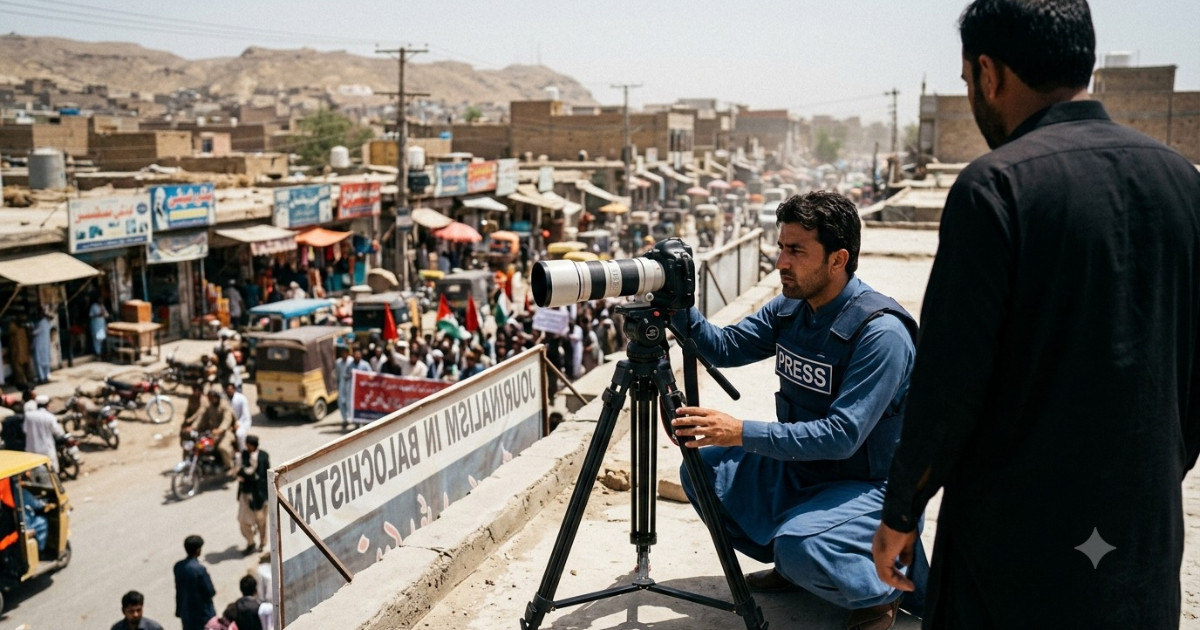
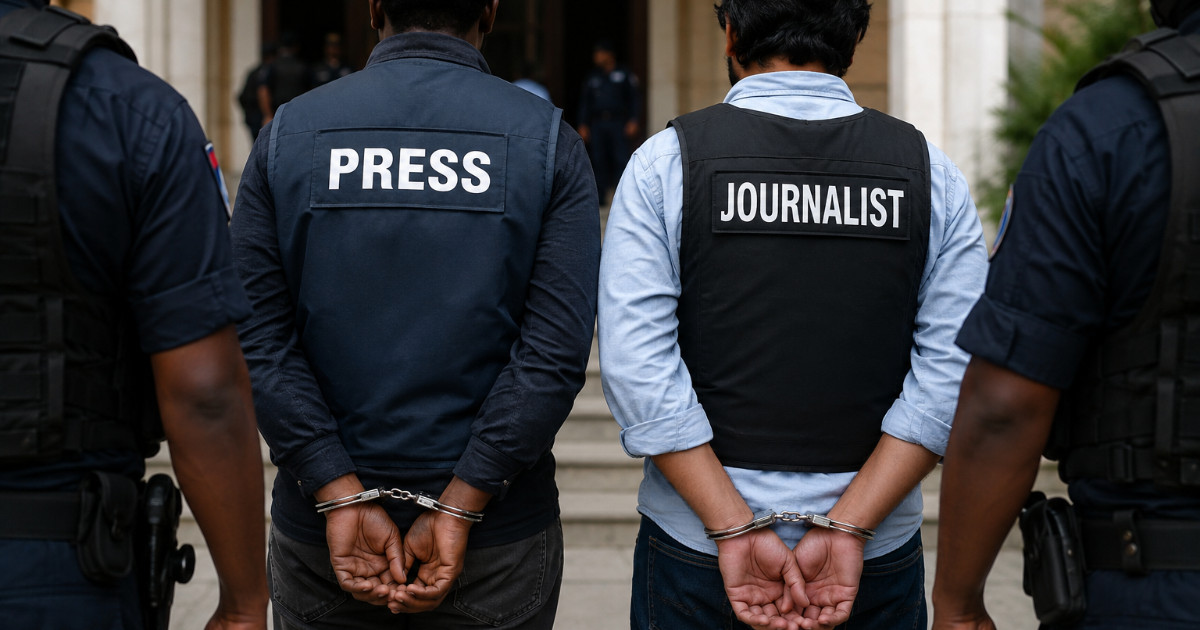
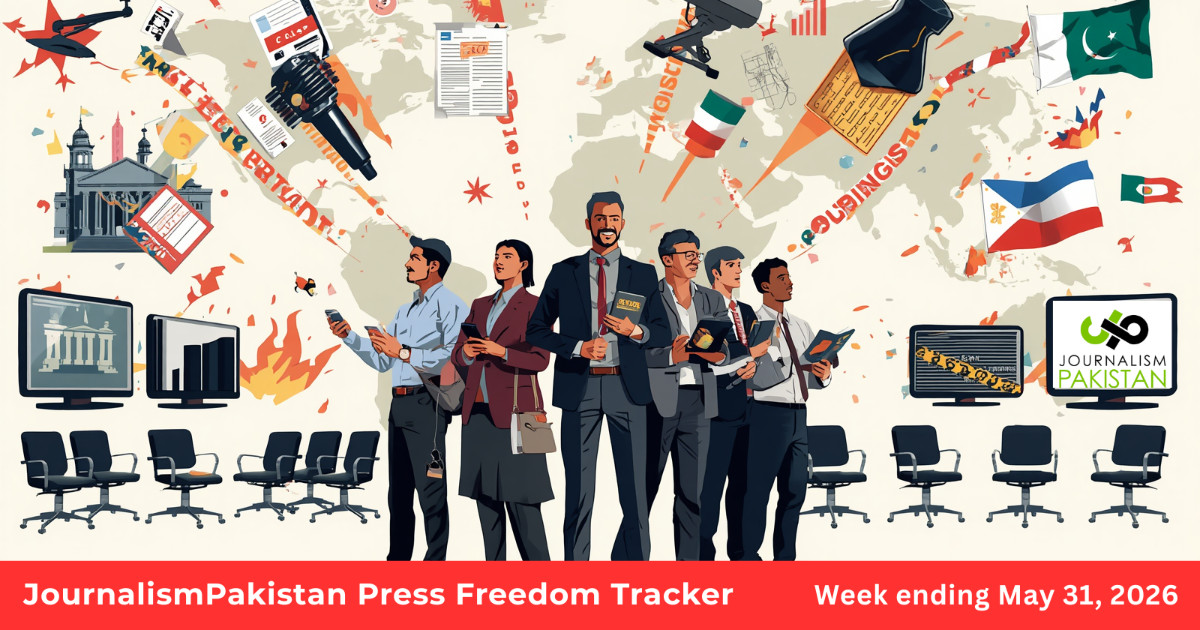
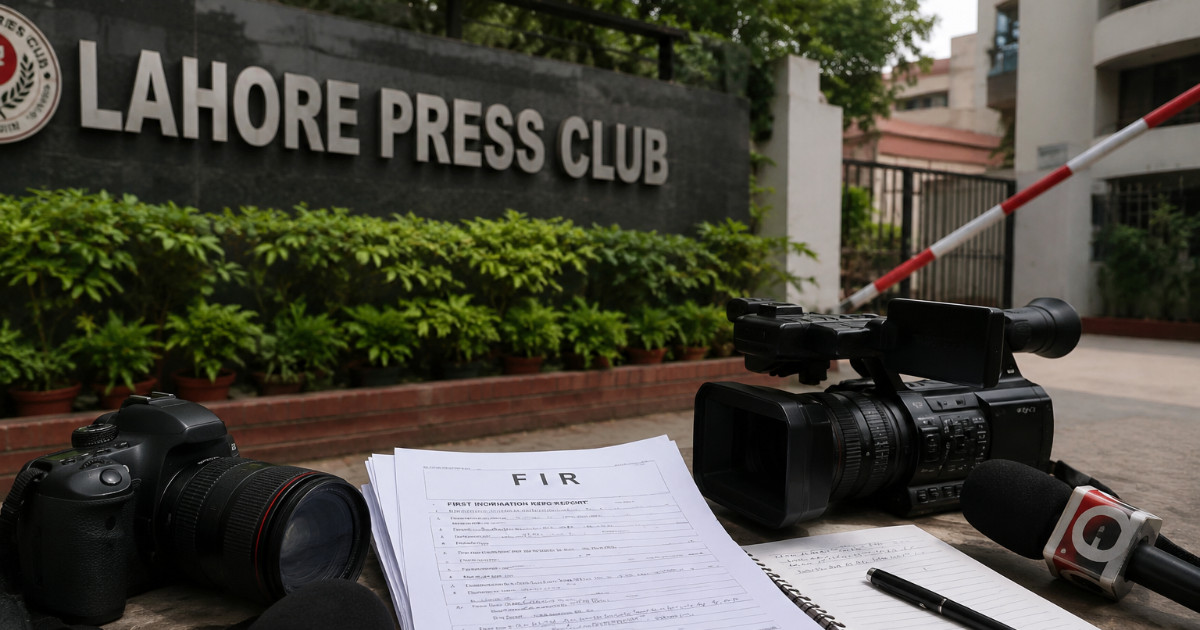
PHOTO: AI-generated; for illustrative purposes only.
Key Points
- RIUJ analysis documents forced terminations, salary delays and erosion of employment protections for media workers.
- Major downsizing reported across television, digital and print outlets, especially in Islamabad and Rawalpindi.
- Specific outlets cited include Such TV, Aaj TV, Nukta, Abb Takk and NewsOne.
- Reports include bureau closures, unpaid dues and large workforce reductions affecting reporters and technical staff.
- Findings are based on direct verification with affected employees and the report will be updated as new information emerges.
Key Questions & Answers
What does the RIUJ report say?
It documents widespread forced layoffs, salary delays and the erosion of employment protections across multiple media outlets.
Which media outlets are named?
The report cites outlets including Such TV, Aaj TV, Nukta, Abb Takk and NewsOne; several are reported to have reduced staff or closed bureaus.
Which areas are most affected?
Islamabad and Rawalpindi are highlighted as hotspots, though the analysis notes impacts across television, print and digital media nationwide.
How were the findings verified?
RIUJ says the findings are based on direct verification with affected employees and will be updated as new information becomes available.
Relevant Topics
Ask AI: Understand this story your way
AI EnabledDig deeper, ask anything — get instant context, background, and clarity.
Disclaimer: This feature is powered by AI and is intended to help readers explore and understand news stories more easily. While we strive for accuracy, AI-generated responses may occasionally be incomplete or reflect limitations in the underlying model. This feature does not represent the editorial views of JournalismPakistan. For our full, verified reporting, please refer to the original article.