
Hungary plans sweeping reforms to dismantle state media control
JournalismPakistan.com | Published: 15 April 2026 | JP Global Monitoring
Join our WhatsApp channel
Péter Magyar's incoming administration will suspend state-run news bulletins and push laws to dismantle centralized editorial control in Hungary's public media. Reforms aim to install independent oversight, transparent appointments and funding to rebuild trust.Summary
BUDAPEST—Hungary’s incoming leadership under Péter Magyar has pledged a far-reaching overhaul of the country’s state media system, including suspending state-run news broadcasts and introducing new laws aimed at restoring editorial independence and impartiality.
The proposed reforms mark a significant shift after years of criticism that public broadcasters in Hungary operated as extensions of government messaging, drawing concern from European institutions and global press freedom organizations. The new administration has framed the changes as a structural reset to rebuild public trust in journalism.
Efforts to unwind entrenched control
Officials close to the transition say the plan includes dismantling centralized editorial control, revising governance structures, and establishing independent oversight mechanisms. Suspending state news bulletins is expected to be a temporary step while new frameworks are put in place to prevent political interference.
Analysts caution that reversing years of institutional capture will be complex. Public media organizations have deeply embedded management systems, staffing patterns, and funding dependencies that may resist rapid transformation. Legal challenges and bureaucratic inertia could also slow implementation.
Legal reforms and oversight mechanisms
The incoming government has indicated it will introduce legislation designed to guarantee transparency in appointments, funding, and editorial processes. Independent regulatory bodies are expected to play a larger role in ensuring compliance with public service broadcasting standards.
Media experts note that Hungary’s case could become a test model for how democratic systems attempt to reverse media capture. However, they stress that durable reform will depend on safeguards that outlast political cycles, including constitutional protections and strong civil society oversight.
Global implications for media freedom
For the global media community, the developments represent a rare instance of a government publicly committing to dismantling politically aligned media structures. Observers say the outcome will be closely watched by countries where public broadcasting independence has come under pressure.
WHY THIS MATTERS: The Hungarian case offers a practical example of how governments might attempt to reverse media capture, a challenge that resonates in many countries, including Pakistan. It highlights the importance of legal safeguards, independent regulators, and transparent funding models, areas where Pakistani media stakeholders continue to debate reforms. The process also underscores that structural change is slow and requires sustained institutional commitment.
ATTRIBUTION: Reporting by JournalismPakistan, based on publicly available statements from Hungarian government representatives (April 2026) and analysis by international press freedom organizations (April 2026).
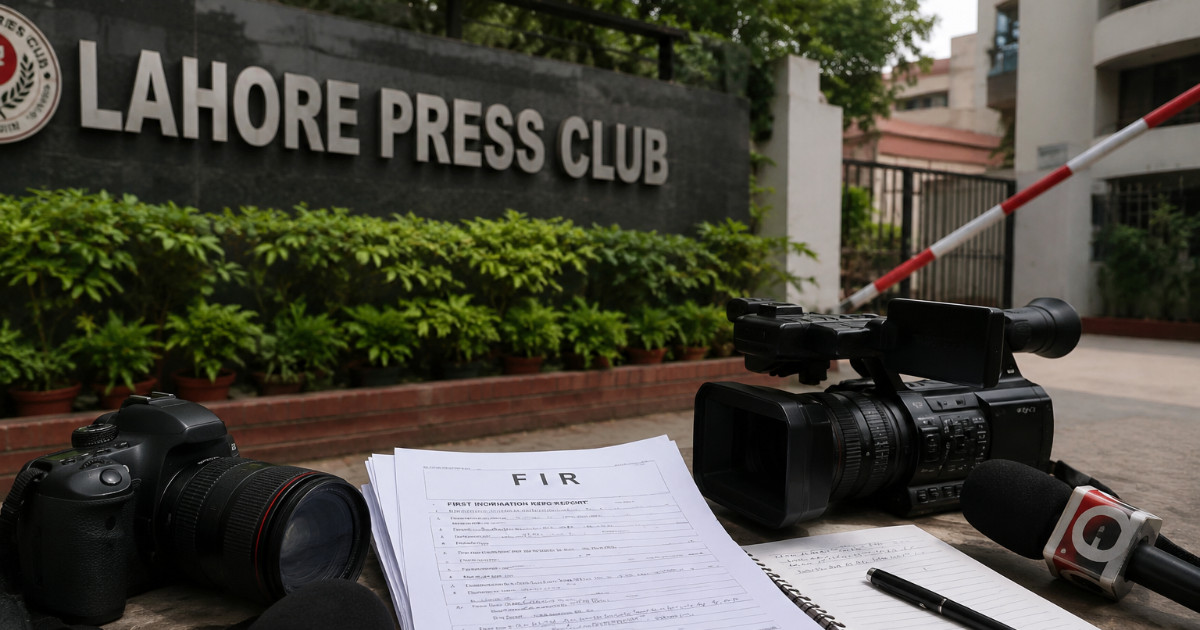
PHOTO: AI-generated; for illustrative purposes only.
Key Points
- Incoming administration will suspend state news broadcasts while reforms are designed.
- Plans aim to dismantle centralized editorial control and revise governance structures.
- Legislation will focus on transparency in appointments, funding and editorial processes.
- Independent oversight bodies are proposed to reduce political interference in public media.
- Analysts warn legal challenges, staffing patterns and funding dependencies may slow implementation.
Key Questions & Answers
What will happen to state news broadcasts?
State news bulletins will be suspended while new frameworks and oversight mechanisms are established.
What legal changes are being proposed?
The government plans laws to guarantee transparent appointments, funding and editorial independence for public media.
How will editorial independence be protected?
By dismantling centralized control, revising governance and creating independent regulatory oversight to limit political influence.
What obstacles could slow the reforms?
Legal challenges, entrenched management systems, staffing patterns and funding dependencies could delay implementation.
Relevant Topics
Ask AI: Understand this story your way
AI EnabledDig deeper, ask anything — get instant context, background, and clarity.
Disclaimer: This feature is powered by AI and is intended to help readers explore and understand news stories more easily. While we strive for accuracy, AI-generated responses may occasionally be incomplete or reflect limitations in the underlying model. This feature does not represent the editorial views of JournalismPakistan. For our full, verified reporting, please refer to the original article.