
Kuwait detains journalist over post on military incident
JournalismPakistan.com | Published: 14 April 2026 | JP Middle East Desk
Join our WhatsApp channel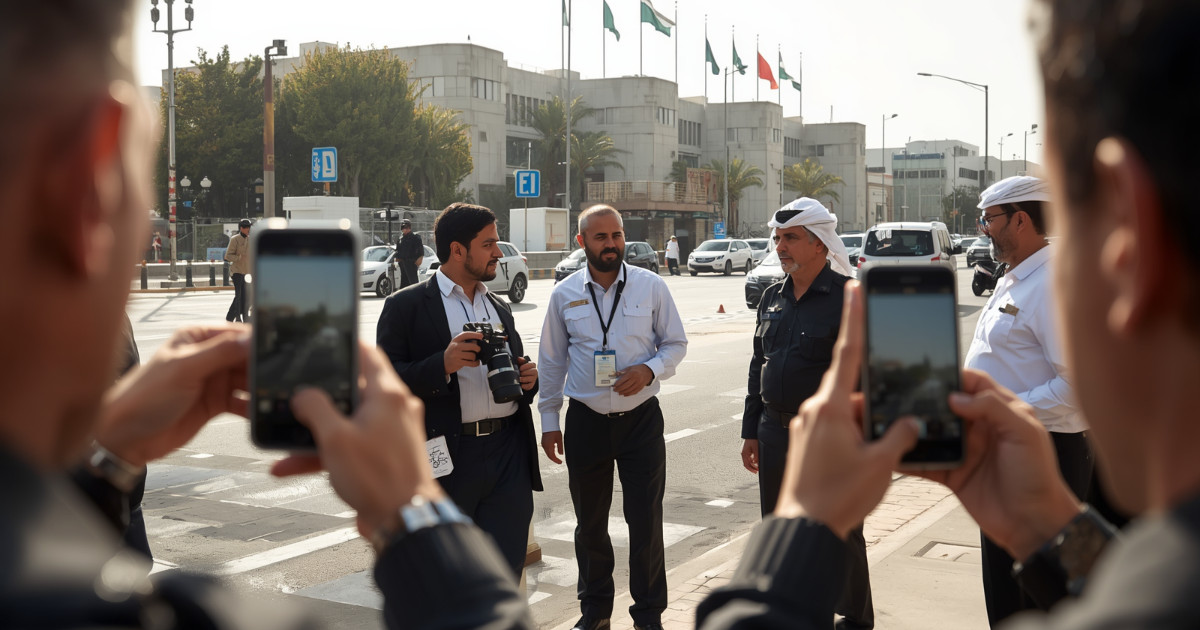
Kuwaiti authorities detained journalist Ahmed Shihab-Eldin after he posted footage linked to a military incident; officials have not disclosed charges. Rights groups say national security laws are being used to justify the detention and urge transparency and due process.Summary
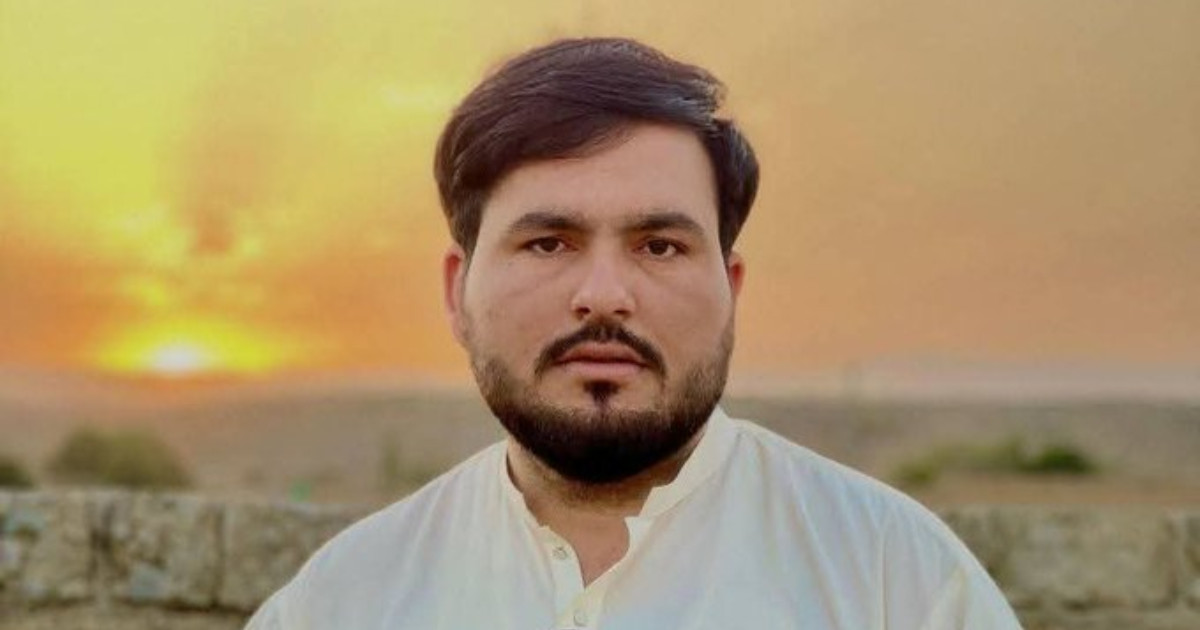
KUWAIT CITY — Kuwaiti authorities have detained prominent journalist Ahmed Shihab-Eldin after he shared footage online related to a reported military incident, raising concerns among press freedom groups about increasing restrictions on wartime reporting in the region.
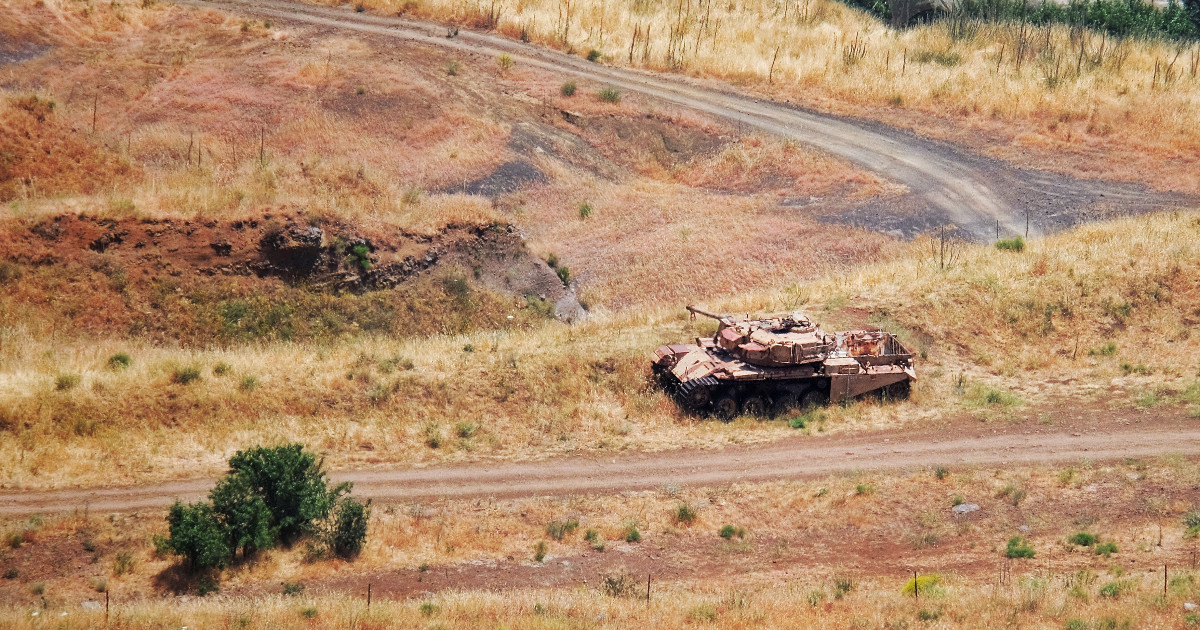
The arrest reportedly followed the publication of video content that referenced a possible friendly fire episode, a sensitive subject amid heightened regional tensions linked to the Iran-related conflict. Officials have not publicly detailed the charges, but rights advocates say national security provisions are being used to justify the detention.
Arrest linked to sensitive wartime reporting
Media watchdogs warn that the case reflects a broader pattern in parts of West Asia, where governments are tightening control over information flows during periods of military escalation. Journalists covering defense or security issues are increasingly at risk of legal action, particularly when reporting intersects with classified or politically sensitive material.
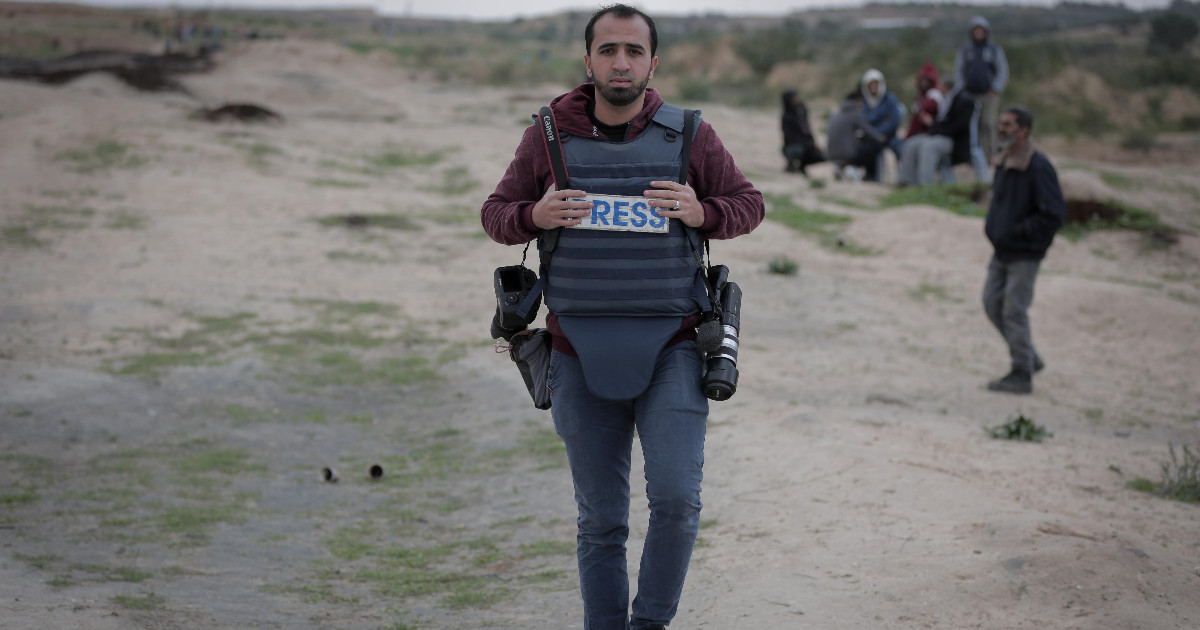
Ahmed Shihab-Eldin, known for his international reporting and digital journalism work, has previously covered conflict zones and geopolitical developments. His detention has prompted calls for transparency and due process, with advocacy groups urging Kuwaiti authorities to clarify the legal basis for the arrest.
Regional trend raises press freedom concerns
Analysts note that wartime environments often lead to expanded use of emergency or national security laws, which can blur the line between legitimate security concerns and suppression of independent journalism. The rise of social media as a primary distribution channel has further complicated this dynamic, exposing journalists to rapid legal repercussions for real-time reporting.
The incident underscores the risks faced by journalists operating in volatile regions, where digital content can quickly become the focus of state scrutiny. Observers caution that such actions may deter reporters from covering critical issues, ultimately limiting public access to verified information during crises.
WHY THIS MATTERS: The case highlights how national security laws can be invoked to restrict journalism during conflict, a trend Pakistani media professionals should closely monitor. As digital reporting expands, journalists in Pakistan may face similar pressures when covering sensitive security or regional issues, making legal awareness and editorial caution increasingly important.
ATTRIBUTION: Reporting by JournalismPakistan, based on a publicly available Reuters report and statements from press freedom organizations.
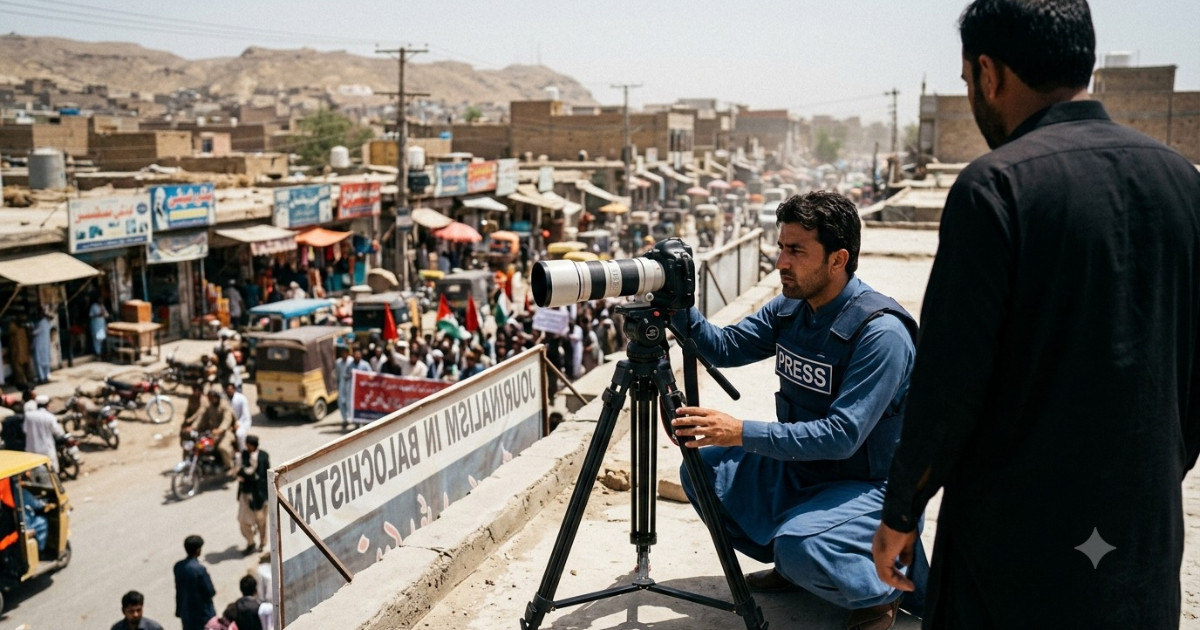
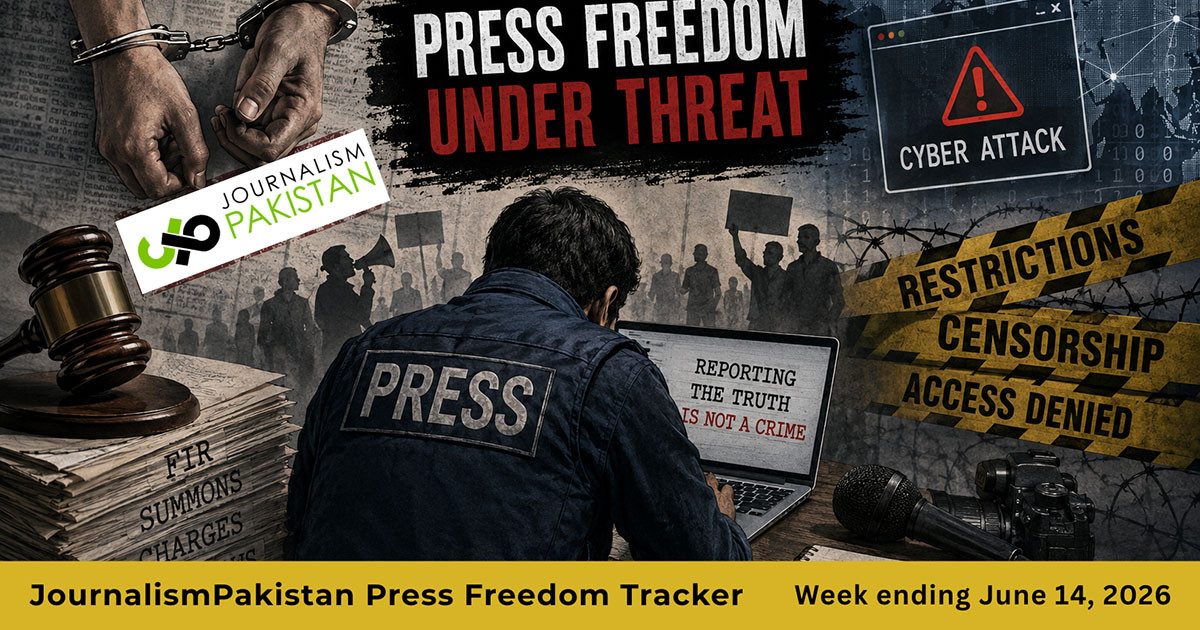
PHOTO: AI-generated; for illustrative purposes only.
Key Points
- Journalist Ahmed Shihab-Eldin was detained after sharing online footage related to a reported military incident.
- The published content reportedly referenced a possible friendly fire episode amid heightened regional tensions.
- Authorities have not publicly detailed charges, prompting calls for clarity from advocacy groups.
- Media watchdogs warn national security provisions are increasingly used to restrict wartime reporting.
- Rights groups urge transparency, due process, and protection for independent journalism.
Key Questions & Answers
Why was Ahmed Shihab-Eldin detained?
He was detained after sharing online footage linked to a reported military incident; officials have not publicly disclosed formal charges.
Have authorities stated the charges?
No, officials have not detailed the charges; rights groups say national security provisions appear to be cited in the detention.
What are rights groups saying about the case?
They warn the arrest reflects tighter control over wartime reporting and call for transparency, independent oversight, and due process.
Does this case reflect a wider trend?
Media watchdogs say governments in parts of West Asia are increasingly using emergency and security laws during military escalations to limit independent reporting.
Relevant Topics
Ask AI: Understand this story your way
AI EnabledDig deeper, ask anything — get instant context, background, and clarity.
Disclaimer: This feature is powered by AI and is intended to help readers explore and understand news stories more easily. While we strive for accuracy, AI-generated responses may occasionally be incomplete or reflect limitations in the underlying model. This feature does not represent the editorial views of JournalismPakistan. For our full, verified reporting, please refer to the original article.