
U.S. judge dismisses Trump's $10bn WSJ lawsuit
JournalismPakistan.com | Published: 14 April 2026 | JP Global Monitoring
Join our WhatsApp channel
U.S. federal judge dismissed Donald Trump's $10bn defamation lawsuit against The Wall Street Journal and Rupert Murdoch, concluding the complaint did not meet the legal standard for public figures to prove 'actual malice.' It underscores press protections.Summary
WASHINGTON — A U.S. federal judge has dismissed a defamation lawsuit filed by President Donald Trump against The Wall Street Journal and media executive Rupert Murdoch, marking a significant legal setback in a high-profile case involving press freedom and media accountability.
The lawsuit, reportedly seeking billions of dollars in damages, centered on claims that the newspaper’s reporting caused reputational harm. However, the court found that the case did not meet the stringent legal standards required to prove defamation under US law, particularly the requirement to demonstrate “actual malice” in reporting involving public figures.
Legal experts note that US defamation law sets a high bar for public officials, requiring clear evidence that journalists knowingly published false information or acted with reckless disregard for the truth. In this instance, the judge concluded that the threshold had not been met, effectively ending the case at this stage.
High bar for defamation cases involving public figures
The ruling reinforces long-standing legal protection for news organizations in the United States, especially when reporting on powerful political figures. Courts have consistently upheld that robust, even critical, reporting is protected unless there is compelling evidence of intentional falsehood.
The case is part of a broader pattern of legal challenges brought by political figures against media outlets, often drawing attention to tensions between reputational concerns and the role of a free press. While such lawsuits can attract significant attention, many struggle to proceed due to constitutional safeguards.
Implications for media and legal landscape
Media analysts say the dismissal underscores the resilience of legal protections that allow investigative journalism to operate without undue fear of litigation. However, they also caution that frequent high-value lawsuits can still exert financial and psychological pressure on news organizations, even when unsuccessful.
The outcome is likely to be cited in future legal disputes involving media organizations, particularly in cases where public figures attempt to challenge critical reporting. It also highlights ongoing debates about whether existing defamation standards strike the right balance between accountability and press freedom.
WHY THIS MATTERS: The ruling highlights how strong legal protections for journalists can shield newsrooms from powerful political actors. For Pakistani media, it underscores the importance of legal clarity around defamation and the need for safeguards that allow critical reporting without fear of excessive litigation. It also offers a comparative lens for evaluating Pakistan’s own legal framework governing media freedom.
ATTRIBUTION: Reporting by JournalismPakistan, based on publicly available reporting by BBC News (April 13, 2026).
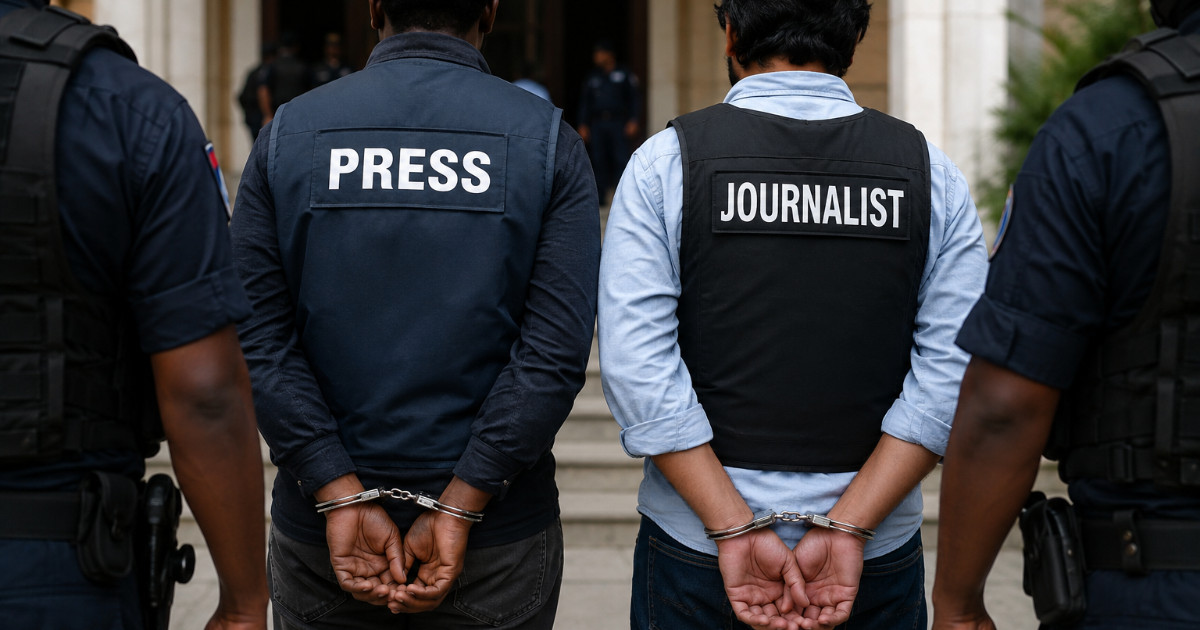
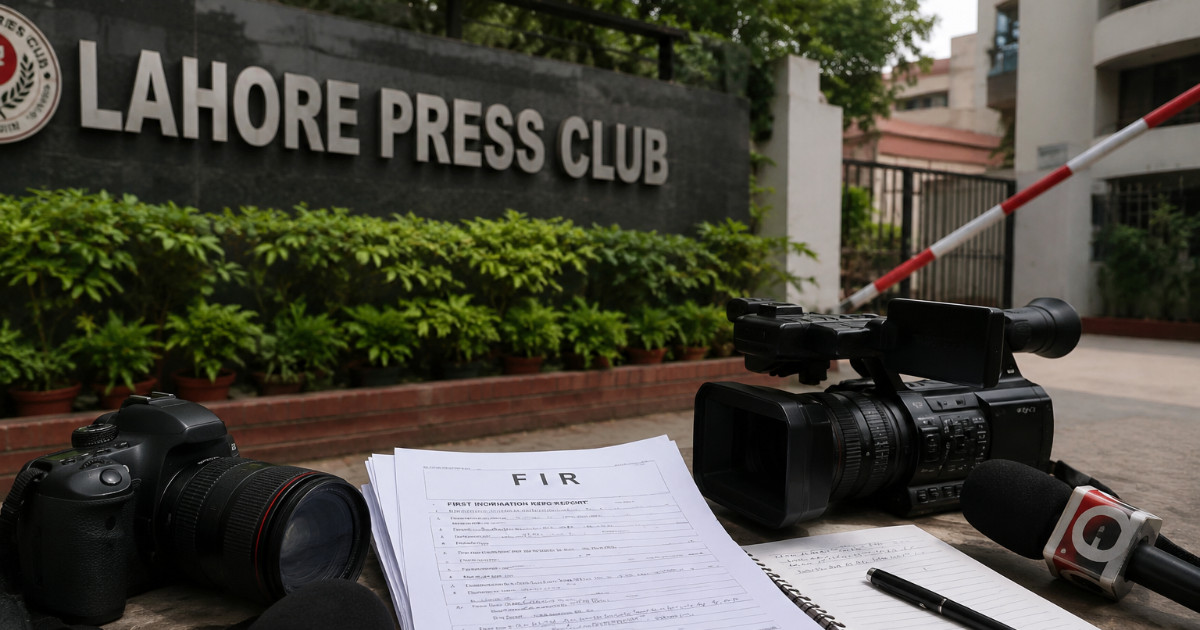
PHOTO: AI-generated; for illustrative purposes only.
Key Points
- A federal judge dismissed Trump's $10bn defamation suit against The Wall Street Journal and Rupert Murdoch.
- The court found the complaint failed to meet the "actual malice" standard required for public figures.
- The ruling highlights the high legal bar for defamation claims involving public officials.
- The decision reinforces legal protections for robust and critical journalism in the absence of compelling evidence of intentional falsehood.
Key Questions & Answers
What did the judge decide?
The judge dismissed the defamation lawsuit, concluding the complaint did not establish the required "actual malice" standard for public figures.
What is the "actual malice" standard?
It requires clear evidence that journalists knowingly published false information or acted with reckless disregard for the truth.
Does this ruling end the case?
The judge ended the case at this stage; the parties may pursue further legal options such as appeal or additional filings.
What does the ruling mean for the press?
The decision reinforces legal protections for news organizations when reporting on public figures, absent compelling evidence of intentional falsehood.
Relevant Topics
Ask AI: Understand this story your way
AI EnabledDig deeper, ask anything — get instant context, background, and clarity.
Disclaimer: This feature is powered by AI and is intended to help readers explore and understand news stories more easily. While we strive for accuracy, AI-generated responses may occasionally be incomplete or reflect limitations in the underlying model. This feature does not represent the editorial views of JournalismPakistan. For our full, verified reporting, please refer to the original article.