
Press freedom review: Detentions, attacks, and censorship escalate globally
JournalismPakistan.com | Published: 15 March 2026 | JP News Desk
Join our WhatsApp channel
The Press Freedom Tracker documents escalating risks to journalists worldwide, citing arrests and brief detentions at Pakistan's Aurat March, convictions amid red-tagging in the Philippines, and jailed reporters in Bangladesh after the July 2024 uprising; it also records missing foreign journalists in Syria.Summary
Editor’s note
This week’s Press Freedom Tracker highlights growing risks for journalists globally, including detentions, legal harassment, online threats, and censorship. Entries focus on verified incidents, with information drawn from publicly available statements, reputable news outlets, and press freedom organizations.
Arrests, detentions, and kidnappings
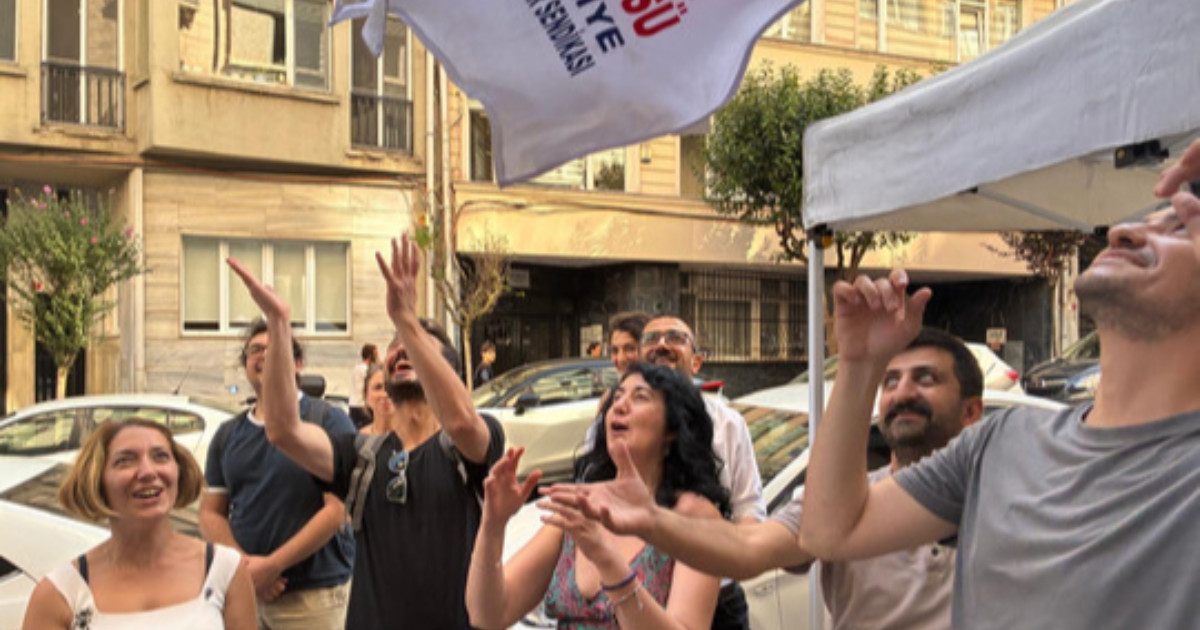
Pakistan — Three women journalists covering the Aurat March, Sehrish Qureshi, Farhat Fatima, and Ismat Jabeen, were briefly detained by police enforcing Section 144, which bans public assemblies. They were released later the same day. Dozens of other participants, including 25 men, were also reportedly taken into custody. Rights groups condemned the arrests as harassment of peaceful demonstrators and press personnel. (JournalismPakistan, March 9, 2026; statements from march participants)
Philippines — Two journalists convicted on financing terrorism charges amid persistent red-tagging have prompted UN human rights experts to call for their immediate release, citing prolonged pre-trial detention and potential due process violations. (Publicly available UN statements, March 6, 2026)
Bangladesh — Press freedom groups urged authorities to review cases involving journalists jailed after the July 2024 uprising, citing repeated bail denials and concerns that legal proceedings are prolonging detention and discouraging critical reporting. (Dhaka Tribune, March 11, 2026)
Syria — Two foreign journalists, a German reporter and a Turkish-Kurdish journalist, went missing while covering conflict developments in Raqqa. The Committee to Protect Journalists called on authorities and armed groups to clarify their whereabouts and ensure their safety, noting the persistent dangers faced by reporters in the region. (Turkish Minute, March 11, 2026; CPJ statement, March 11, 2026)
Vietnam — On March 9, authorities arrested journalist Le Anh Hung at a friend’s house in central Dak Lak province. He faces charges under Article 117 of the penal code for “propagandizing against the state,” which carries penalties of up to 20 years in prison. (Tuoi Tre; Project 88; CPJ)
Legal and regulatory pressure
Belarus — A Minsk court on March 9 convicted journalist Pavel Dabravolski of “treason” and sentenced him to nine years in a maximum-security prison after a closed-door trial. Advocates say the charges relate to his reporting on political protests and represent an escalation in the government’s crackdown on independent media. (AP, March 9, 2026)
India — Authorities detained Republic TV journalists C.G. Shankar and S. Mani on March 7 in Kochi and opened an investigation under the Official Secrets Act after accusing them of filming the Iranian naval vessel IRIS Lavan from a restricted port area. Bail pleas are pending. (CPJ, March 10, 2026; The Indian Express, March 9, 2026)
Sri Lanka — Editor Sandaruwan Senadheera of the exile news website Lanka-e-News was detained at Colombo’s Bandaranaike International Airport on February 11 over a long-standing contempt of court case linked to reporting on the 2009 assault of journalist Upali Tennakoon. CPJ urged authorities to release him and ensure legal proceedings do not undermine press freedom. (CPJ, March 12, 2026)
Attacks, threats, and harassment
Palestine — Amal Shamaly, a Palestinian journalist for Qatar Radio, was killed in an Israeli strike on a tent camp for displaced civilians in central Gaza on March 9. Two other civilians were killed and several were injured. Press freedom groups condemned the killing and called for accountability. (CPJ; Reuters, March 9, 2026)
India — Women journalists covering political issues have faced coordinated online harassment and threats, raising serious concerns about their safety and press freedom. (Reporters Without Borders, March 6, 2026)
Censorship and digital restrictions
United Arab Emirates — Authorities charged about 20 people, including a British tourist, for filming and sharing videos of Iranian missile strikes over Dubai under cybercrime laws that ban the distribution of content deemed harmful to national security. (The Guardian, March 12, 2026)
India — The government blocked the YouTube channel 4PM News, citing national security and public order, leaving the outlet inaccessible to Indian viewers. Editor Sanjay Sharma said the notice did not specify which content violated the rules. Press freedom groups warned that such vague directives threaten independent journalism and digital media freedom. (Reuters; The Wire, March 12, 2026)
Policy and court developments
Pakistan — Law Minister Azam Nazeer Tarar warned journalists and commentators not to cross constitutional “red lines” when discussing Pakistan’s foreign policy, stating that legal action could follow if commentary harms relations with friendly countries. Critics argued that the warning could discourage legitimate debate on diplomatic issues. (JournalismPakistan, March 10, 2026)
Media labor and union activity
No significant entries reported this week.
Press freedom and journalist safety
Pakistan — Afghan journalist Abdul Ahad and his family were released from Adiala Jail after Interior Minister Mohsin Naqvi intervened. Journalists on X had highlighted that they remained detained despite a March 11 court order for their release. (Public statements by journalists Mubarak Zeb Khan and Hamid Mir, March 14, 2026)
Global context
This week’s entries illustrate ongoing threats to press freedom worldwide, including arbitrary detention, harassment, and digital censorship. While some governments cite national security or legal restrictions, press freedom advocates argue that these measures often serve to suppress critical reporting. For additional context, readers can review last week’s Press Freedom Tracker.
Key Points
- Verified reports show arrests and brief detentions of journalists at Pakistan's Aurat March under Section 144 enforcement.
- Two Filipino journalists were convicted on terrorism financing charges amid red-tagging, prompting UN experts to call for their release.
- Press freedom groups warn that legal proceedings in Bangladesh after the July 2024 uprising have led to prolonged jailings of reporters.
- Two foreign journalists went missing while covering conflict in Syria, raising concerns about correspondent safety in conflict zones.
- Incidents of online threats, censorship, and legal harassment are rising globally, constraining critical reporting.
Key Questions & Answers
What does the Press Freedom Tracker report highlight?
It highlights verified incidents of arrests, detentions, legal harassment, online threats, censorship, and threats to journalists' safety worldwide.
Which countries are specifically mentioned in this update?
The update cites recent incidents in Pakistan, the Philippines, Bangladesh, and Syria, among broader global concerns.
What actions have international bodies taken?
UN human rights experts have called for the release of detained journalists in some cases; rights groups have urged legal reviews and protections.
How can the public support press freedom?
Support credible press freedom organizations, follow verified reporting, and advocate for legal protections and safety measures for journalists.
Relevant Topics
Ask AI: Understand this story your way
AI EnabledDig deeper, ask anything — get instant context, background, and clarity.
Disclaimer: This feature is powered by AI and is intended to help readers explore and understand news stories more easily. While we strive for accuracy, AI-generated responses may occasionally be incomplete or reflect limitations in the underlying model. This feature does not represent the editorial views of JournalismPakistan. For our full, verified reporting, please refer to the original article.