
The JournalismPakistan Global Media Brief | Edition 27 | July 3, 2026
JournalismPakistan.com | Published: 3 July 2026 | JP News Desk
Join our WhatsApp channel
This briefing outlines legal, political and technological pressures on journalism worldwide, including AI copyright disputes and debates over editorial language. It highlights South Asian cases and journalist welfare and safety concerns.Summary
Editor's note
This week's developments highlight a defining challenge for journalism worldwide: the growing intersection of politics, regulation, technology, and media sustainability. From new legal pressures and newsroom disruptions to debates over editorial language, AI copyright disputes, and journalist safety, the stories in this edition illustrate how governments, courts, technology companies, and media organizations continue to reshape the global information landscape. At the same time, initiatives supporting journalists' welfare demonstrate that positive developments can emerge even amid mounting pressures.
Asia media watch
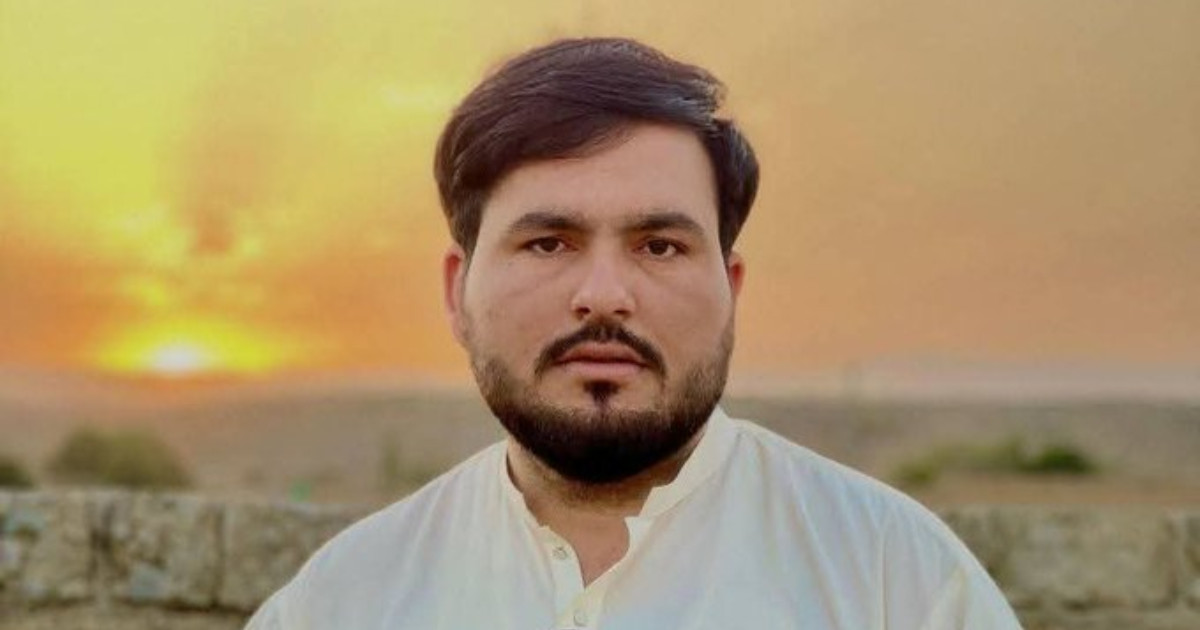
Indian press bodies back veteran journalist — The Indian Women's Press Corps and the Press Association condemned what they described as the administrative victimization of veteran journalist R. Rajagopal following difficulties renewing his passport, saying the case raises broader concerns about bureaucratic pressure on independent journalists. (NewsClick, June 2026)
Pakistan minister challenges TRT World's wording — Pakistan's Information Minister Ataullah Tarar criticized TRT World for describing those behind the June 27 Karachi Rangers attack as "militants" rather than "terrorists," reigniting debate over the editorial language used in conflict reporting. (Dawn, June 30, 2026; Reuters, June 27, 2026)
KP announces journalist welfare package — The Khyber Pakhtunkhwa government announced a package of welfare and development measures for journalists, including interest-free loans of up to PKR 10 million, funding for a new Peshawar Press Club building, rehabilitation of district press clubs, a journalists' welfare endowment fund, and directives to ensure the timely payment of government advertisement dues. The measures were highlighted by Freedom Network in a Facebook post summarizing the provincial government's announcements. (Freedom Network Facebook, July 1, 2026)
Africa media update
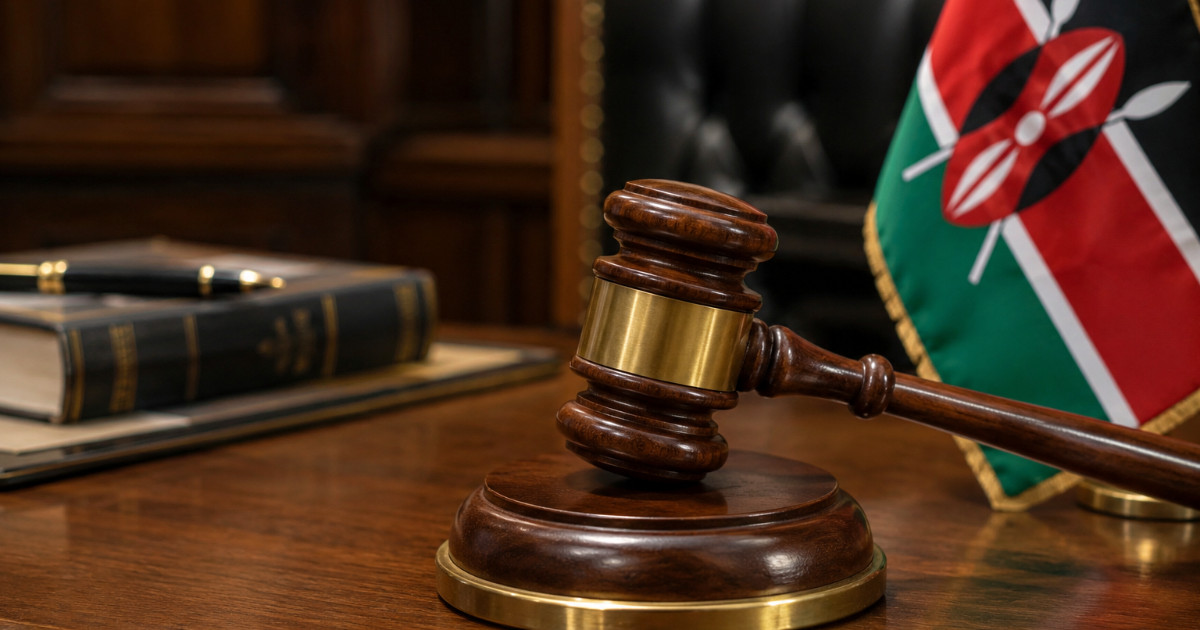
Kenya court ruling keeps Arshad Sharif case in focus — Kenya's Supreme Court ruled that the killing of Pakistani journalist Arshad Sharif by police was an unlawful violation of his right to life, but, according to his widow, Javeria Siddique, declined to order prosecutions or an official apology. Siddique said the absence of arrests means justice remains elusive nearly four years after his death, with the case now returning to the Court of Appeal. (JournalismPakistan/X statement by Javeria Siddique, July 3, 2026)
CPJ urges end to siege of Nation Media Group after military shutdown — The Committee to Protect Journalists (CPJ) called on Ugandan authorities to immediately lift the security forces' blockade of the privately owned Nation Media Group-Uganda (NMG-U) and allow the company to resume normal operations. Security personnel occupied the broadcaster's headquarters and transmission facilities on June 28, forcing its newspapers, television, and radio services off the air while its digital platforms continued operating. CPJ said the action followed social media posts by military chief Gen. Muhoozi Kainerugaba threatening NTV Uganda, the Daily Monitor, and Managing Director Susan Nsibirwa. The incident has intensified concerns about media repression in Uganda. (Committee to Protect Journalists, June 30, 2026)
Media business and sustainability
Aaj News strike disrupts key news bulletin — Employees of Pakistan's Aaj News went on strike after alleging they had not received salaries for April, May, and June 2026, forcing the channel's scheduled 3 p.m. news bulletin off the air. Staff also demanded payment of outstanding dues and gratuity for employees affected by earlier downsizing. (Material circulated by protesting employees, July 1, 2026)
Media law and regulation
Cambodia's court upholds journalists' treason sentences — Cambodia's Supreme Court rejected the final appeal of journalists Phorn Sopheap and Pheap Pheara, leaving intact their 14-year prison sentences over photographs taken near the Thai border. Press freedom organizations argue that the case reinforces the criminalization of journalism and should have been handled under the country's press law rather than criminal statutes. (Reuters, June 25, 2026)
Turkish journalists denied NATO summit access — Dozens of journalists from independent Turkish media outlets were denied accreditation for the July 7-8 NATO summit in Ankara, prompting criticism from press freedom organizations. NATO said accreditation for domestic journalists at summits hosted outside Brussels is determined by the host government. (Reuters, June 25, 2026)
Indonesia copyright bill draws press freedom concerns — Indonesia's proposed Copyright Law revision is drawing criticism from the Legal Aid Institute for the Press, which warns the draft could expose journalists to lawsuits, create legal uncertainty, and discourage investigative reporting by overlapping with existing press protections. (Asian News Network, June 26, 2026)
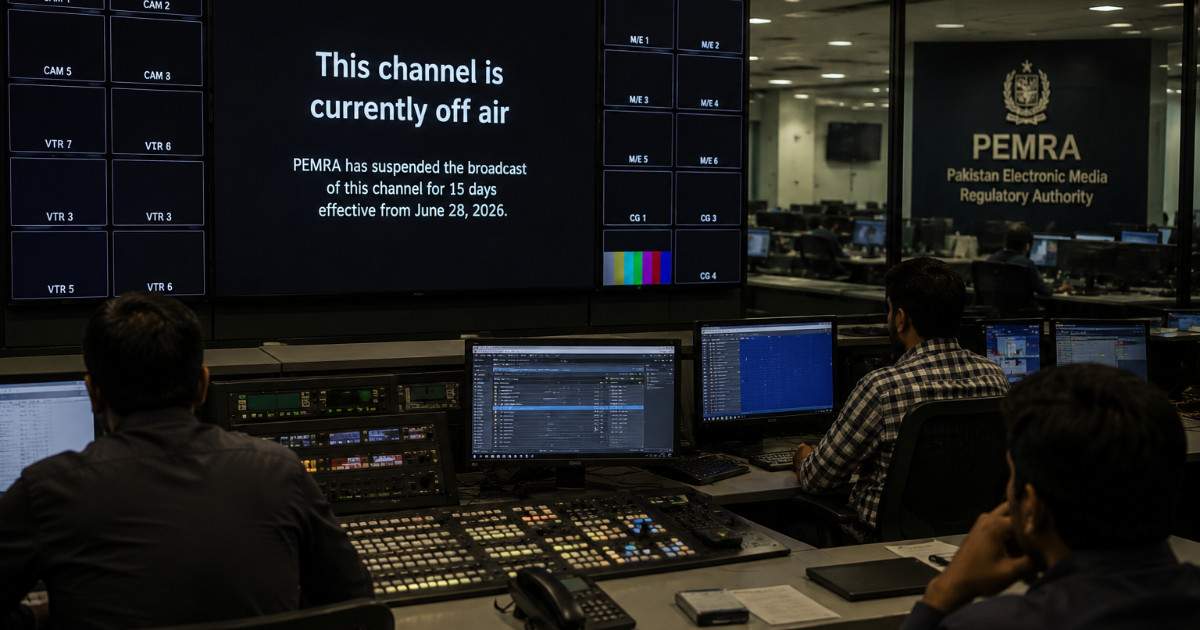
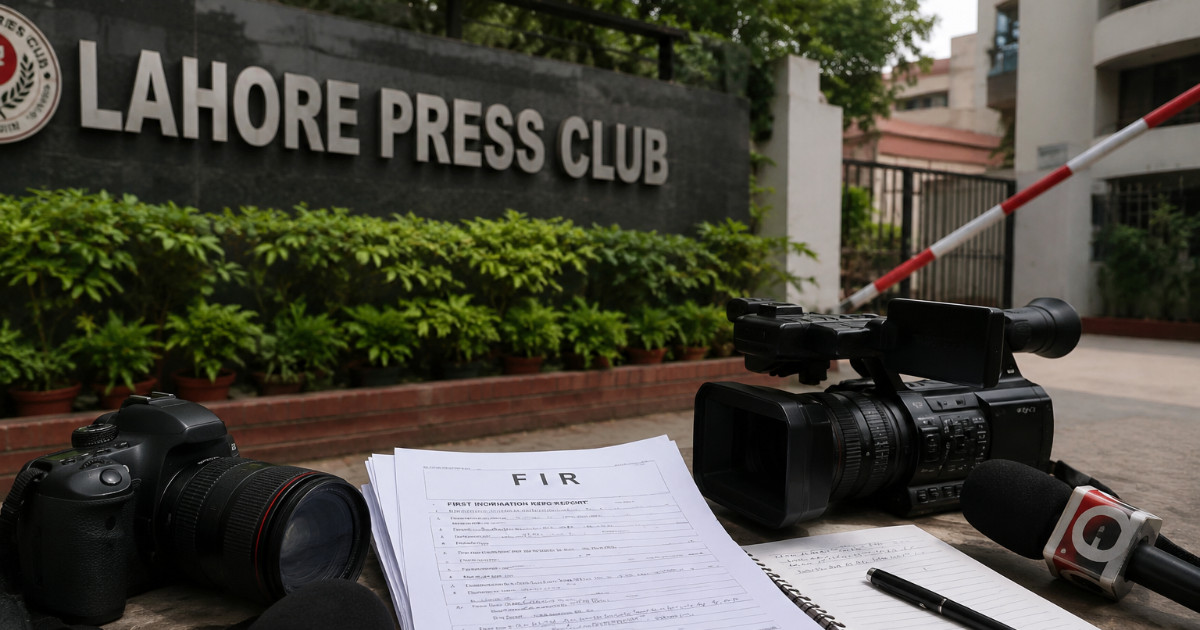
Pakistan suspends Geo News transmission — Pakistan's electronic media regulator suspended Geo News' transmission for 15 days after ruling that its Muharram documentary Safar-e-Ishq contained religious visualizations that violated broadcasting regulations. The broadcaster apologized, withdrew the documentary, and launched an internal inquiry. (JournalismPakistan; PEMRA order; Geo News statement, June 27, 2026)
CPJ urges Pakistan to lift Geo News suspension — The Committee to Protect Journalists urged Pakistan's media regulator to reverse its 15-day suspension of Geo News, describing the action as a serious escalation in government interference with the news media. The case highlights continuing tensions between media regulation, religious sensitivities, and press freedom in Pakistan. (CPJ, July 3, 2026)
Platforms and technology
Local publishers escalate AI copyright fight — More than 30 U.S. newspaper companies representing nearly 400 titles have sued OpenAI and Microsoft, alleging the unauthorized use of copyrighted journalism to train ChatGPT and Microsoft Copilot, significantly expanding the news industry's legal challenge to generative AI. (Bloomberg Law, June 25, 2026)
Public backs influencer tax with fairness safeguards — A Press Network of Pakistan survey found broad public support for taxing social media influencers under the proposed 5% withholding tax in the Finance Bill 2026 while calling for exemptions and incentives to protect smaller creators. Respondents identified YouTube as the platform likely to be most affected. (Press Network of Pakistan, June 27, 2026)
Press freedom and journalist safety
Yemen TV correspondent killed in car bombing — Yemeni journalist Mohammed Aydah, a correspondent for Saudi-owned Al Arabiya and Al Hadath, was killed in a car bombing in Mukalla. Yemen's Presidential Leadership Council ordered an investigation after reports that authorities had previously warned him about threats to his life, underscoring the continuing dangers faced by journalists covering conflict. (Reuters, June 25, 2026)
Fear and self-censorship dominate journalism in Balochistan — A new JournalismPakistan report examines the increasingly hostile environment for journalists in Balochistan, where threats from armed groups, political actors, tribal leaders, and state institutions have created a culture of fear and self-censorship. Drawing on interviews with reporters, editors, legal experts, and government officials, the report shows how many stories are delayed, altered, or never published because journalists fear for their lives and the safety of their families. It also references Freedom Network's findings documenting rising attacks on journalists nationwide and the province's long-standing dangers for media workers. (JournalismPakistan, June 29, 2026)
Belarus sentences journalist Kiryl Pazniak to 3½ years in prison — Belarus has sentenced independent journalist Kiryl Pazniak, founder of the YouTube channel Platform 375, to three-and-a-half years in prison after convicting him on charges related to creating an "extremist formation" and "discrediting" the state. His daughter, Yanina Pazniak, also received a prison sentence over allegations linked to registering the outlet's TikTok account. Reporters Without Borders (RSF) condemned the verdict and called for the immediate release of both journalists, saying the case reflects Belarus' continuing crackdown on independent media and digital journalism. (Committee to Protect Journalists, June 26, 2026; Reporters Without Borders, X, June 29, 2026)
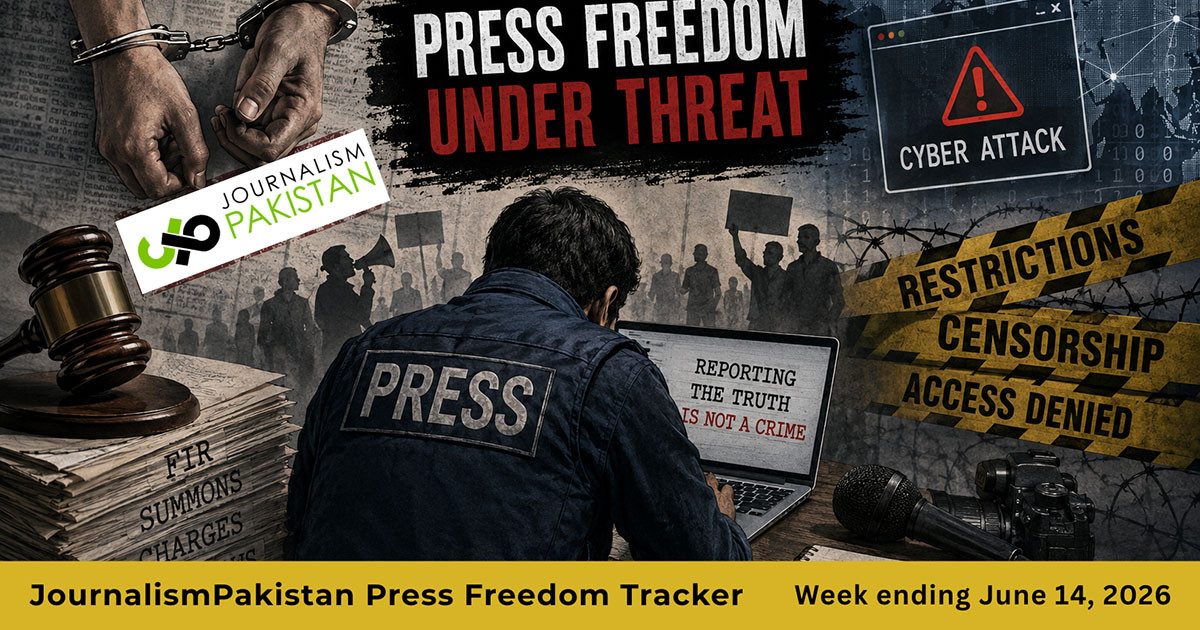
Press freedom incidents are reported in detail in the JP Press Freedom Tracker, published every Sunday. For context, see last week’s Tracker. The new edition will be available on July 5.
WHY THIS MATTERS: This week's developments reveal how journalism is being shaped by multiple and often overlapping forces. Governments continue to use regulatory, legal, and administrative powers that affect newsroom independence, while courts around the world are increasingly determining the boundaries of press freedom. At the same time, economic pressures remain acute, with labor disputes and newsroom sustainability challenges persisting alongside growing legal battles over artificial intelligence and copyrighted journalism. Yet the week's news also shows that support for journalists, from welfare initiatives to international advocacy, remains vital. Together, these stories illustrate that the future of journalism will depend not only on defending press freedom but also on ensuring the financial, legal, and technological conditions necessary for independent news organizations to survive and thrive.
ATTRIBUTION: Compiled by JournalismPakistan
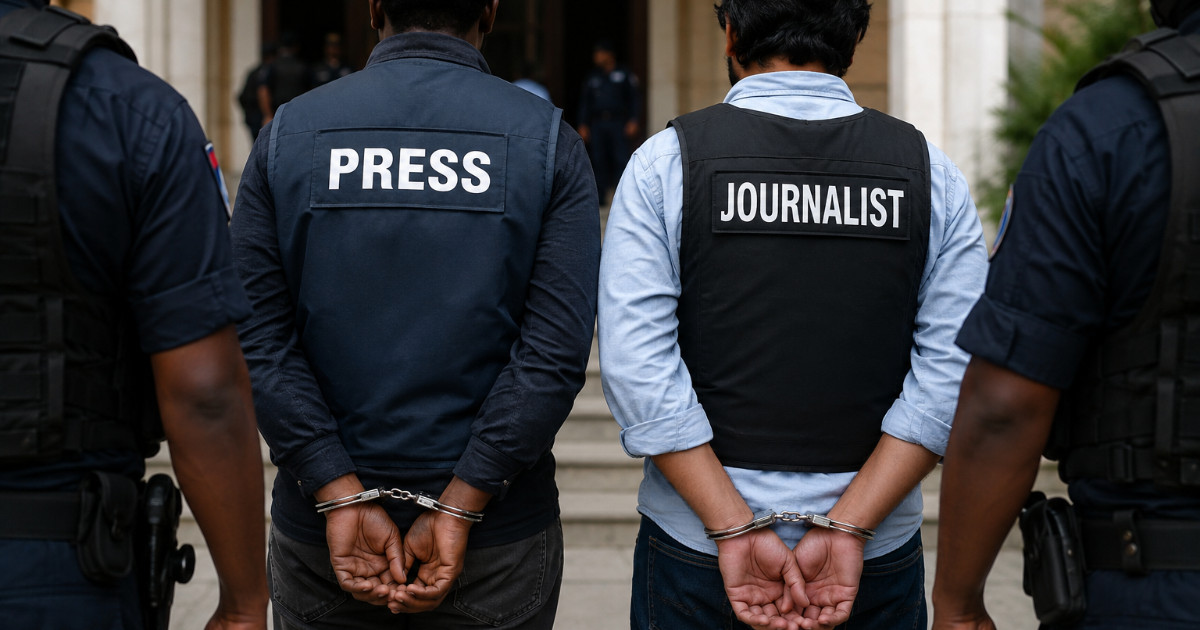
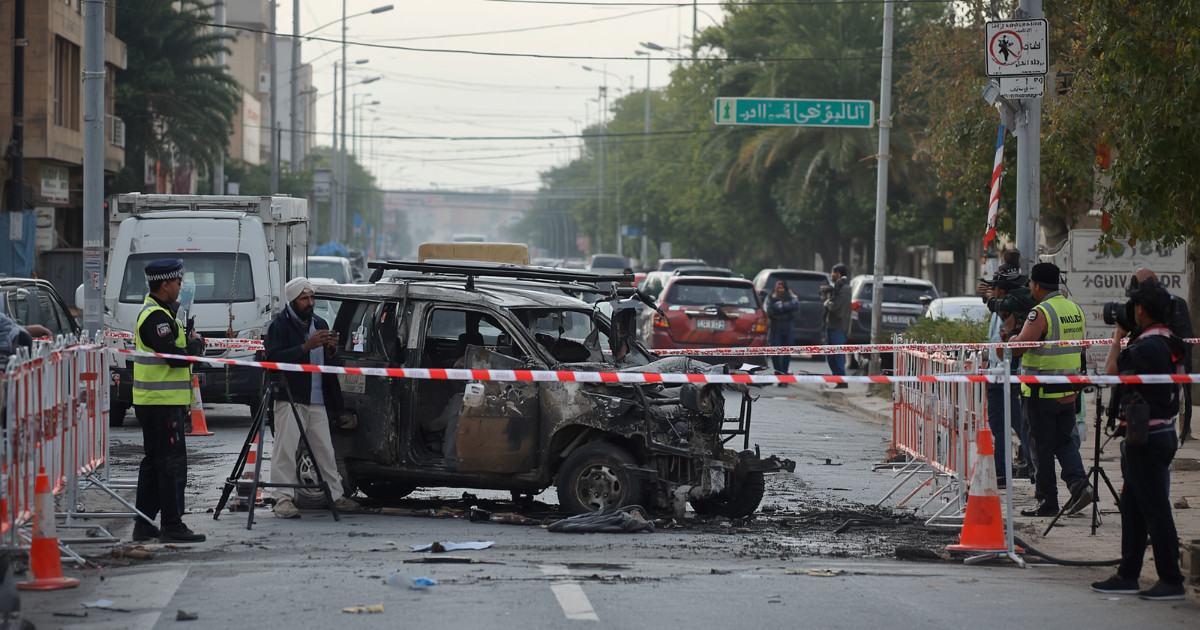
PHOTO: AI-generated; for illustrative purposes.
Key Points
- Edition highlights intersection of politics, regulation, technology and media sustainability.
- Indian press bodies protested alleged administrative pressure in R. Rajagopal's passport renewal case.
- Pakistan's information minister criticised TRT World over wording used for a Karachi attack.
- Khyber Pakhtunkhwa announced a welfare package for journalists, including financial support measures.
- Coverage includes rising AI copyright disputes and broader concerns about reporter safety and newsroom resilience.
Key Questions & Answers
What is the main focus of this edition?
The edition examines how political, legal and technological forces are reshaping journalism, with attention to editorial language debates, AI copyright issues and journalist welfare.
Who is R. Rajagopal and why is he mentioned?
R. Rajagopal is a veteran Indian journalist whose reported difficulties renewing his passport prompted criticism from Indian press bodies about administrative pressure on independent journalists.
What was the TRT World controversy?
Pakistan's information minister criticised TRT World for referring to suspects in a Karachi Rangers attack as "militants" rather than "terrorists," sparking debate over editorial language in conflict reporting.
What welfare measures were announced for journalists?
The Khyber Pakhtunkhwa government announced a package of welfare and development measures for journalists, including financial support and other assistance aimed at improving reporter welfare.
Relevant Topics
Ask AI: Understand this story your way
AI EnabledDig deeper, ask anything — get instant context, background, and clarity.
Disclaimer: This feature is powered by AI and is intended to help readers explore and understand news stories more easily. While we strive for accuracy, AI-generated responses may occasionally be incomplete or reflect limitations in the underlying model. This feature does not represent the editorial views of JournalismPakistan. For our full, verified reporting, please refer to the original article.