
Journalists question closed-door fuel price briefing
JournalismPakistan.com | Published: 18 July 2026 | JP Staff Report
Join our WhatsApp channel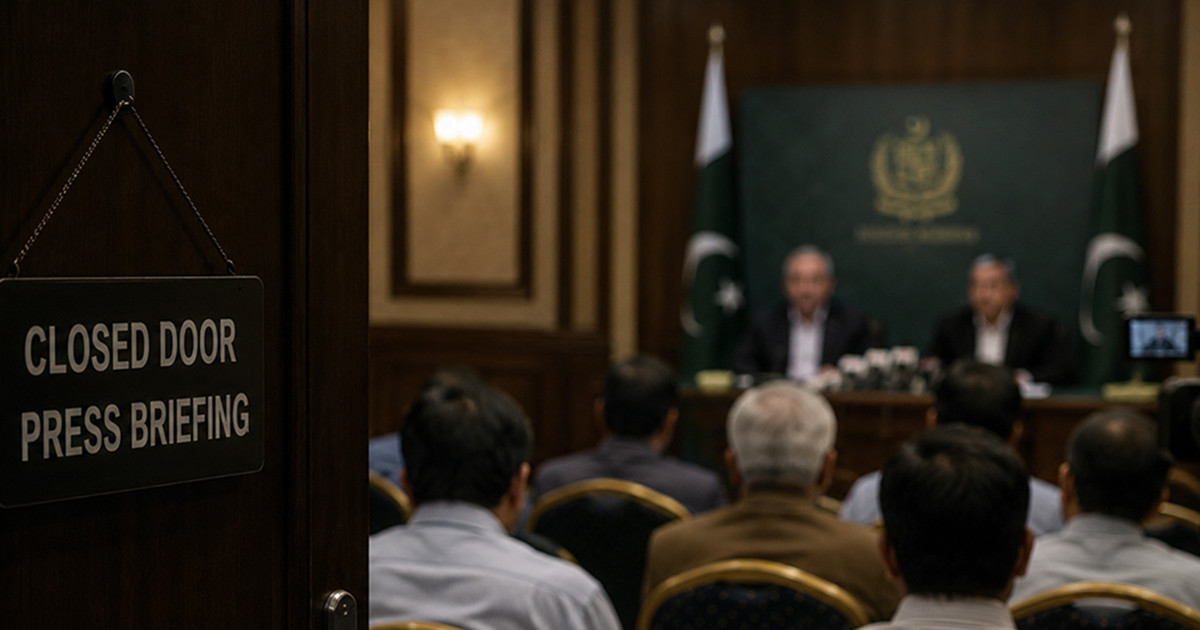
Senior journalists criticised a government briefing after ministers announced shifting petroleum price-setting to OGRA and proposed daily adjustments. Energy reporters said they were not invited, prompting calls to reveal who attended the briefing.Summary
ISLAMABAD — Pakistan’s decision to announce a major change in the petroleum pricing mechanism has sparked criticism from senior journalists after reporters covering the energy sector said they were not invited to the government's press conference.
The controversy emerged after Petroleum Minister Ali Pervaiz Malik and Information Minister Ataullah Tarar announced that the government would shift petroleum price determination to the Oil and Gas Regulatory Authority (OGRA), with prices to be set daily in line with international market movements. Within hours, however, the government indicated it was reconsidering the daily pricing proposal following public reaction.
Energy reporters question access
Several senior journalists publicly questioned why reporters assigned to the energy beat were not informed of or invited to the briefing, despite its significance for consumers and the economy.
Dawn's veteran economic correspondent, Khaleeq Kiani, challenged the government to disclose the identities and media organizations of those present at what he described as an "alleged press conference." In posts on X, he argued that if federal ministers could not face questions from reporters in Islamabad, they should consider resigning. He also questioned why the briefing was held without notifying journalists who regularly cover the petroleum sector.
Journalist Saqib Bashir similarly questioned who was seated before the ministers during the event, saying he could not identify any of the attendees as members of the press. In a separate post, he suggested it should be clarified whether some attendees were government employees rather than journalists.
Calls for greater transparency
Economic journalist Shahbaz Rana said the announcement represented a significant policy shift that warranted an open press conference where journalists could ask questions. He argued that a decision affecting fuel pricing nationwide should not have been communicated through what appeared to be a pre-recorded presentation from Pakistan Television headquarters.
The criticism reflects broader concerns within Pakistan's media community over access to official information and opportunities to question policymakers directly, particularly on issues with major public and economic implications. While the government has publicly promoted transparency in the revised pricing mechanism, journalists argued that transparency should also extend to media access and official briefings.
WHY THIS MATTERS: Open press conferences allow journalists to scrutinize government decisions, seek clarification, and hold public officials accountable. Limiting access to reporters covering specialized beats risks undermining transparency and reducing opportunities for informed public questioning on policies with widespread national impact.
ATTRIBUTION: Reporting by JournalismPakistan, based on publicly available statements by journalists on X on July 17, 2026, and official reporting on the government's petroleum pricing announcement.
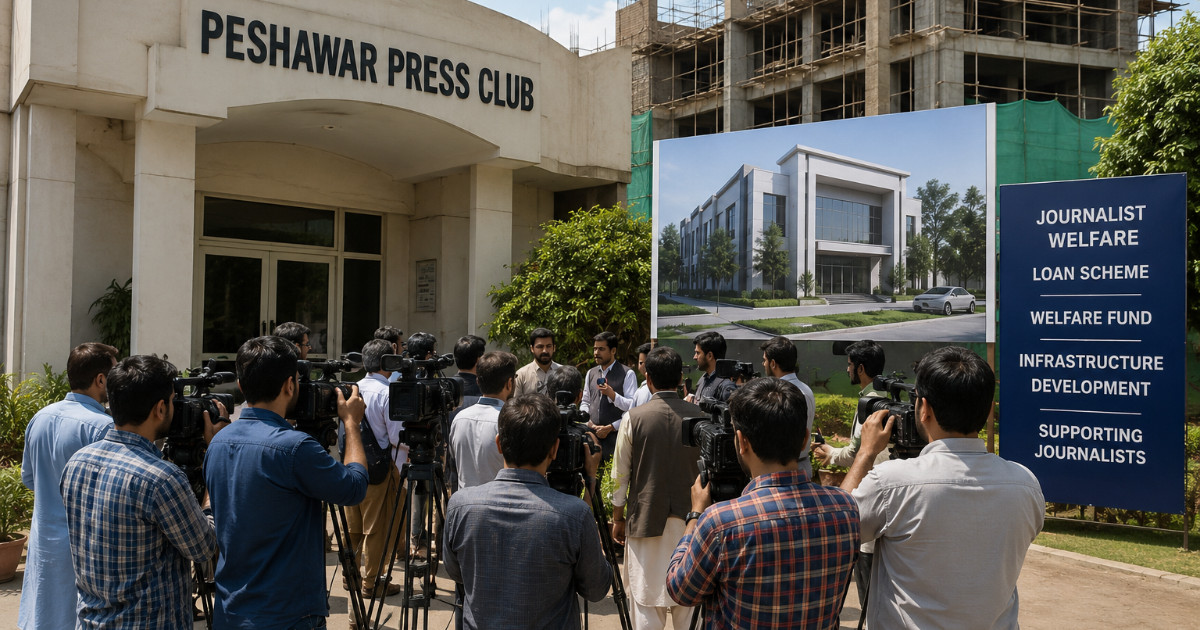
PHOTO: AI-generated; for illustrative purposes only.
Key Points
- Ministers announced a proposal to transfer petroleum price-setting to OGRA and consider daily adjustments.
- The briefing was held behind closed doors and energy reporters say they were not invited.
- Senior journalists demanded disclosure of who attended the event and questioned media access.
- The government indicated it might reconsider the daily pricing proposal after public reaction.
- Reporters and editors called for greater transparency and ministers to face questions from the press.
Key Questions & Answers
What was announced at the briefing?
Ministers said the government would shift petroleum price-setting to OGRA and proposed setting prices daily in line with international market movements.
Why did journalists object to the event?
Energy reporters and senior journalists said they were not invited to the closed-door briefing and demanded disclosure of the attendees and answers to their questions.
How did the government respond to the reaction?
Within hours the government indicated it was reconsidering the proposal for daily pricing following public and media reaction.
Relevant Topics
Ask AI: Understand this story your way
AI EnabledDig deeper, ask anything — get instant context, background, and clarity.
Disclaimer: This feature is powered by AI and is intended to help readers explore and understand news stories more easily. While we strive for accuracy, AI-generated responses may occasionally be incomplete or reflect limitations in the underlying model. This feature does not represent the editorial views of JournalismPakistan. For our full, verified reporting, please refer to the original article.