.png)
Belarus jails journalist Pavel Dabravolski for nine years
JournalismPakistan.com | Published: 9 March 2026 | JP Global Monitoring
Join our WhatsApp channel
A Minsk court convicted journalist Pavel Dabravolski of treason on March 9 and sentenced him to nine years after a closed trial. Press advocates say the case is part of a wider campaign that has left dozens of independent journalists detained.Summary
MINSK, BELARUS — A Minsk court on March 9 convicted Belarusian journalist Pavel Dabravolski of treason and sentenced him to nine years in a maximum‑security prison, marking a stark escalation in the government’s crackdown on independent media professionals.
The closed‑door trial at Minsk City Court, widely condemned by press‑freedom advocates, makes Dabravolski one of several journalists imprisoned in recent weeks amid intensifying repression.
The Belarusian Association of Journalists, which has documented the case, said Dabravolski’s reporting on mass protests against the widely denounced 2020 presidential election was central to the charges, though specifics from the sealed trial have not been made public. Critics and opposition figures have characterized the treason charges as fabricated and aimed at silencing dissent.
Press freedom under siege in Belarus
Activists noted that Dabravolski is the fifth media worker to be jailed in just two weeks amid a broader campaign by President Alexander Lukashenko’s government to suppress independent reporting. According to the journalists’ association, at least 28 journalists are currently held in custody, underscoring the perilous environment for independent media in the country.
Dabravolski, 36, previously worked with both domestic and international outlets, including the now‑designated “extremist” BelaPAN news agency, and has been detained in Minsk since January 2025. His sentencing coincides with ongoing human rights concerns in Belarus, where critics say authorities continue to target journalists, activists, and opposition figures under broad political charges.
International rights groups have condemned the harsh sentence, warning that it signals deeper erosion of civil liberties in a country already burdened with sanctions and international isolation over its human rights record. Despite recent releases of some political prisoners, major rights organizations estimate that there remain more than a thousand individuals incarcerated on political grounds, including journalists and media workers.
WHY THIS MATTERS: The nine‑year sentence handed to Pavel Dabravolski highlights the intensifying global trend of authoritarian pressure on independent journalism, a cautionary signal for newsrooms worldwide. For Pakistani journalists, this underscores the critical need for safety protocols, solidarity networks, and awareness of legal risks when reporting on politically sensitive issues under restrictive regimes.
ATTRIBUTION: Based on reporting by the Associated Press (March 9, 2026).
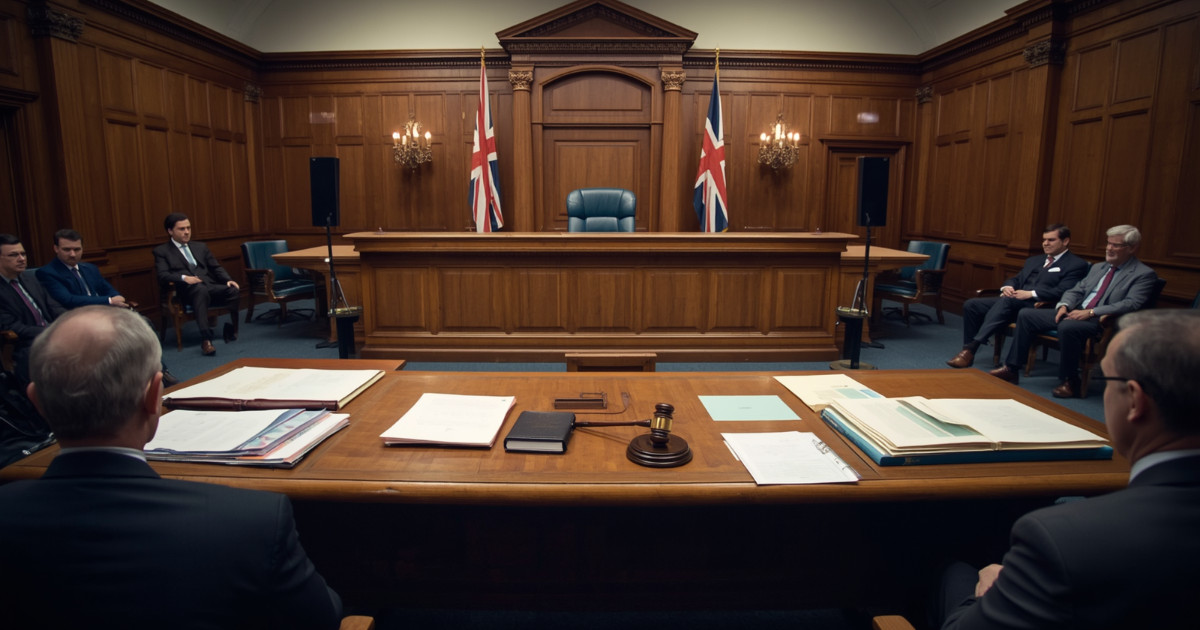
PHOTO: AI‑generated; for illustrative purposes only.
Key Points
- Minsk City Court convicted Pavel Dabravolski of treason and sentenced him to nine years in a maximum-security prison.
- The trial was held behind closed doors; the sealed proceedings and detailed charges were not disclosed.
- Authorities cited his reporting on mass protests in 2020 as central to the case, according to the Belarusian Association of Journalists.
- Dabravolski, 36, has been detained in Minsk since January 2025 and worked for domestic and international outlets, including BelaPAN.
- Press groups say he is among several reporters jailed recently; at least 28 journalists are reported to be in custody amid the crackdown.
Key Questions & Answers
What was Pavel Dabravolski convicted of?
He was convicted of treason and sentenced to nine years in prison following a closed trial.
Were trial details made public?
No; the proceedings were held behind closed doors and the specific evidence was not disclosed.
What do rights groups say about the case?
Press and human rights groups say the charges are part of a broader campaign to silence independent media in Belarus.
How many journalists are detained in Belarus?
Journalists' organizations report that at least 28 journalists are currently held in custody amid intensified repression.
Relevant Topics
Ask AI: Understand this story your way
AI EnabledDig deeper, ask anything — get instant context, background, and clarity.
Disclaimer: This feature is powered by AI and is intended to help readers explore and understand news stories more easily. While we strive for accuracy, AI-generated responses may occasionally be incomplete or reflect limitations in the underlying model. This feature does not represent the editorial views of JournalismPakistan. For our full, verified reporting, please refer to the original article.