
Philippines red‑tagging escalates as UN urges journalists' release
JournalismPakistan.com | Published: 9 March 2026 | JP Asia Desk
Join our WhatsApp channel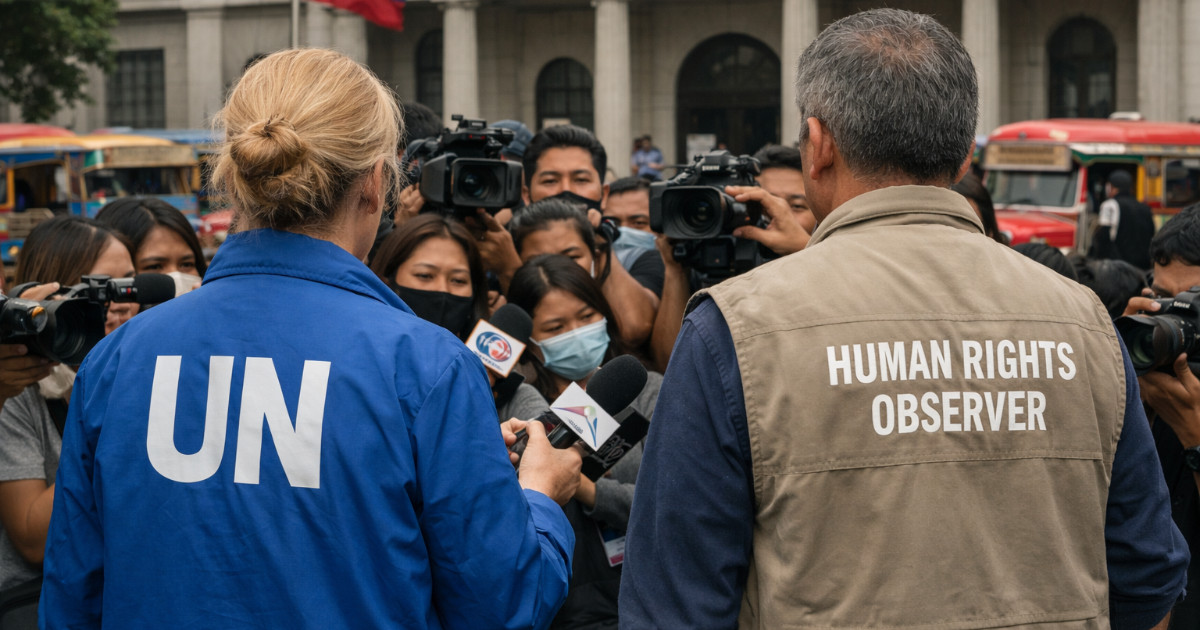
UN human rights experts urged Philippine courts to grant bail and release two journalists convicted on financing terrorism charges, citing lengthy pre‑trial detention and due process concerns. They warned red‑tagging threatens media freedom.Summary
MANILA, Philippines — United Nations human rights experts this week publicly called for the release of two Filipino journalists convicted on financing terrorism charges, saying their long detention and trial raise serious due process concerns and highlighting a broader pattern of “red‑tagging” that rights advocates say threatens media freedom.
The experts urged local courts to grant bail without delay, citing what they described as unconscionable time already spent in detention and potential violations of press freedom obligations under international law.
Red‑tagging involves publicly labelling journalists, activists, or critics as subversives or armed insurgents, a practice that press freedom groups have long warned puts targets at risk of harassment, intimidation, or violence and undermines independent reporting in the Philippines. Critics contend that the conviction of investigative journalist Frenchie Mae Cumpio and rights defender Marielle Domequil under the country’s anti‑terrorism provisions exemplifies how national security rhetoric can be used to stifle dissent.
Convictions spark fresh outcry from rights advocates
Cumpio, now 25, was convicted in January 2026 along with Domequil by the Tacloban City Regional Court on charges that include financing terrorism, carrying potential sentences of up to 18 years. UN experts said the length of pre‑trial detention, delayed proceedings, and limited exercise of presumption of innocence raise serious human rights concerns under the International Covenant on Civil and Political Rights.
Press freedom watchdogs have repeatedly documented how red‑tagging has become a political tool in the Philippines’ broader security context. Although the country climbed to 116th place in the 2025 World Press Freedom Index, it remains classed as “difficult” for journalists, with media workers facing legal harassment and threats even as civil society pushes for reform.
Continuing political rhetoric keeps red‑tagging in the spotlight
Recent statements from Philippine political figures have kept the issue in public focus. Vice President Sara Duterte’s remarks alleging links between certain political party blocs and the New People’s Army armed insurgency have reignited debate over what constitutes legitimate security concerns versus unfounded red‑tagging that could chill democratic participation.
Efforts to curb red‑tagging have included legal challenges and court rulings that define the practice as a threat to fundamental rights, and a 2025 campaign by domestic groups urging the Commission on Elections to treat red‑tagging as an election violation. Despite these, rights advocates caution that the underlying political dynamics and use of anti‑terrorism laws continue to pose challenges for independent journalism and civic space.
WHY THIS MATTERS: The Philippines’ red‑tagging controversy underscores how legal and political tactics can endanger journalists and blur lines between legitimate security policy and suppression of dissent. Pakistani media professionals should watch how international pressure, judicial rulings, and civil society advocacy intersect in Manila, offering insights into both threats to press freedom and strategies for defending independent reporting in environments where national security narratives dominate.
ATTRIBUTION: Based on publicly available UN statements and Philippine election and legal sources (March 2026)
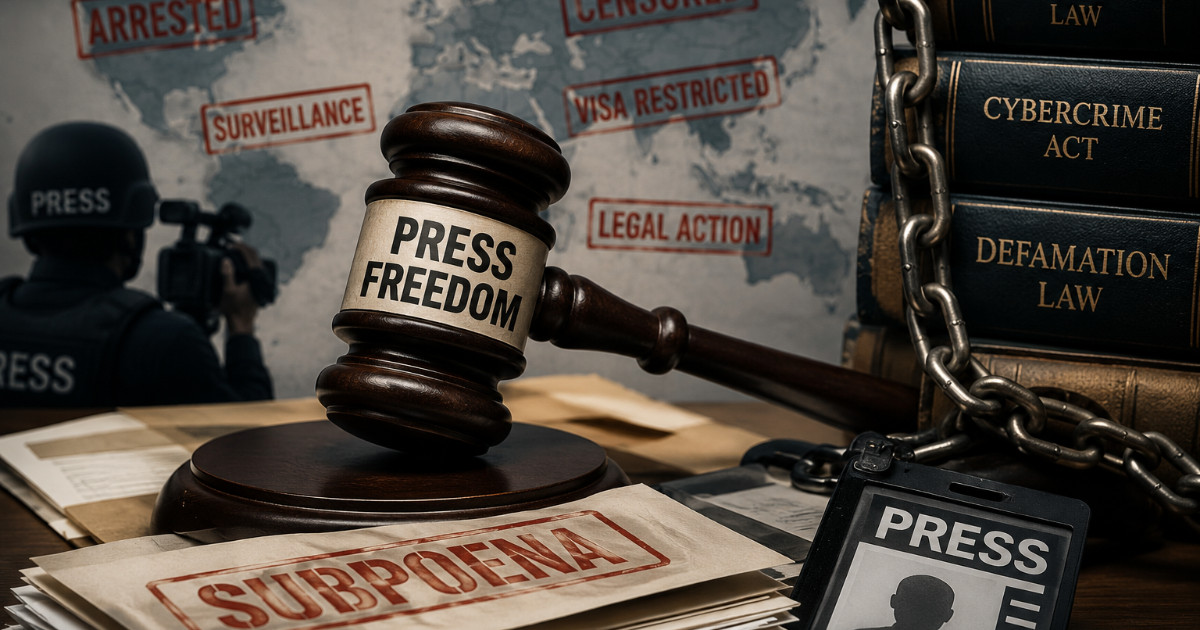
PHOTO: AI‑generated; for illustrative purposes only.
Key Points
- UN human rights experts urged courts to grant bail and release two detained journalists.
- They cited lengthy pre‑trial detention, delayed proceedings, and due process concerns under the ICCPR.
- Red‑tagging publicly labels journalists as subversives, increasing risks of intimidation, harassment, or violence.
- Journalist Frenchie Mae Cumpio and rights defender Marielle Domequil were convicted in January by a court on financing terrorism charges.
- Convictions carry potential sentences up to 18 years; rights groups say national security rhetoric is being used to stifle dissent.
Key Questions & Answers
What is red‑tagging?
Red‑tagging is publicly labeling journalists, activists, or critics as subversives or armed insurgents; it often leads to harassment, intimidation, or violence and undermines independent reporting.
Who are the journalists involved?
Investigative journalist Frenchie Mae Cumpio and rights defender Marielle Domequil were convicted by a Tacloban City court in January 2026 on financing terrorism charges.
What did UN experts call for?
UN human rights experts urged local courts to grant bail without delay and highlighted due process concerns over lengthy pre‑trial detention and delayed proceedings.
What are the broader implications for press freedom?
Rights advocates say the use of anti‑terror laws and red‑tagging signals a pattern that may stifle dissent, weaken press freedom, and endanger journalists.
Relevant Topics
Ask AI: Understand this story your way
AI EnabledDig deeper, ask anything — get instant context, background, and clarity.
Disclaimer: This feature is powered by AI and is intended to help readers explore and understand news stories more easily. While we strive for accuracy, AI-generated responses may occasionally be incomplete or reflect limitations in the underlying model. This feature does not represent the editorial views of JournalismPakistan. For our full, verified reporting, please refer to the original article.