
Pakistan warns media not to cross 'red line' on foreign policy
JournalismPakistan.com | Published: 10 March 2026 | JP Staff Report
Join our WhatsApp channel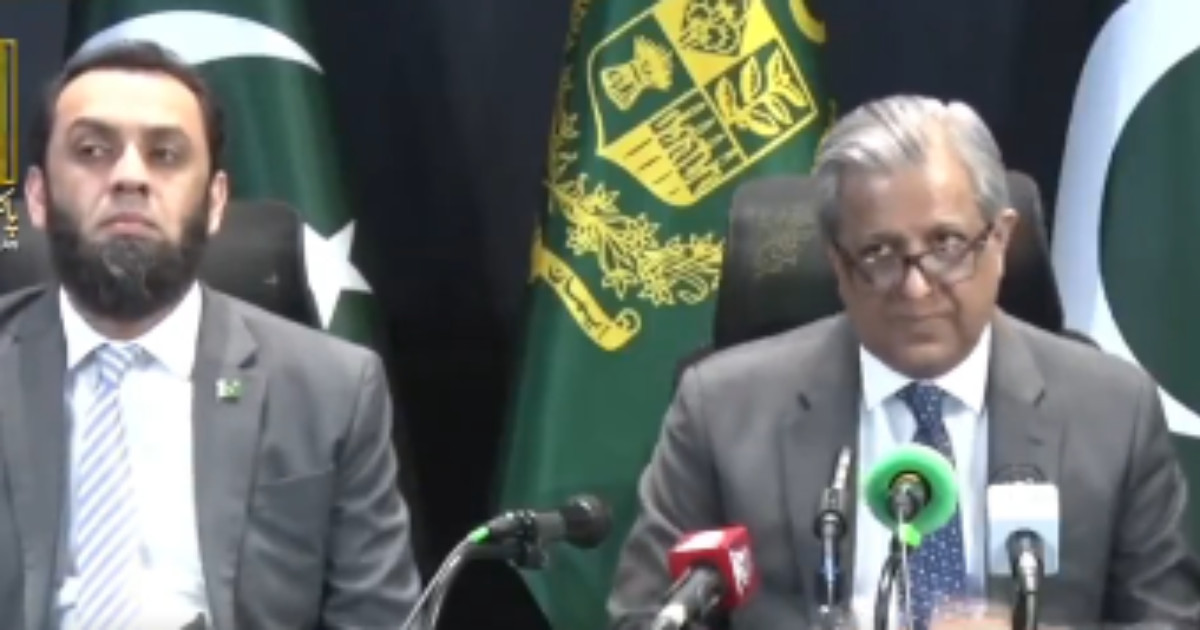
Law Minister Azam Nazeer Tarar warned journalists, commentators and social media users not to cross constitutional 'red lines' on Pakistan's foreign policy, saying freedom of expression is upheld but subject to Article 19 limits and possible legal action.Summary
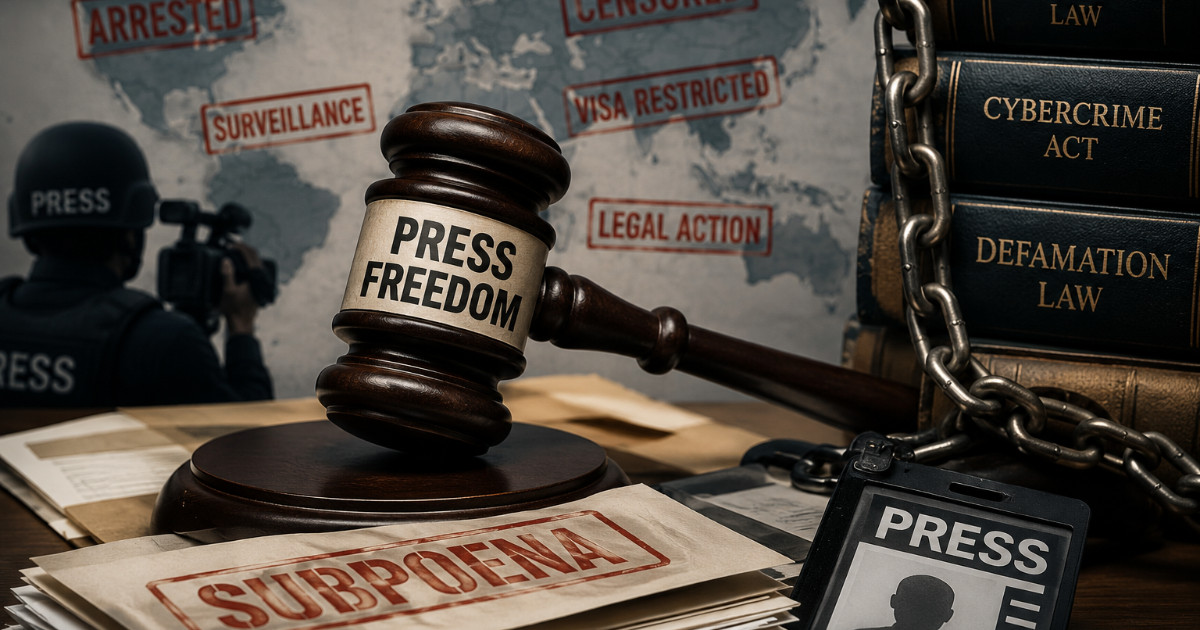
ISLAMABAD — Pakistan’s Law Minister Azam Nazeer Tarar on Tuesday cautioned journalists, commentators, and social media users against crossing what he described as constitutional “red lines” when discussing the country’s foreign policy, warning that legal action could follow if sensitive boundaries are breached.
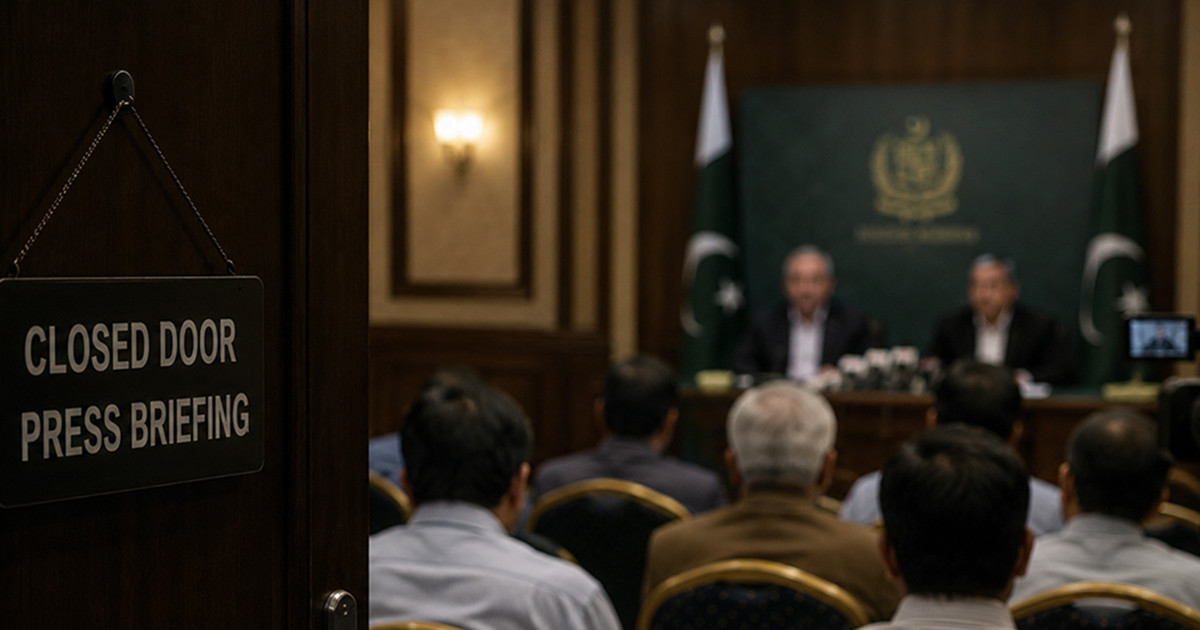
Speaking at a press conference in Islamabad alongside Information Minister Ataullah Tarar and Minister of State for Interior Talal Chaudhry, the law minister said the government supports freedom of expression but emphasized that it must remain within the limits defined by the Constitution.
Tarar said the public has the right to receive accurate information and express views, but warned that commentary on diplomatic matters, particularly involving relations with Gulf countries or other sensitive regional issues, requires extreme caution.
Government cites constitutional limits on speech
The minister referred to Article 19 of Pakistan’s Constitution, which guarantees freedom of expression but also allows restrictions in the interest of national security, public order, and relations with foreign states.
“Every Pakistani has the right to receive correct information and express their views,” Tarar said. “But we cannot cross constitutional boundaries. When those limits are breached, and legal proceedings begin, people later claim the action is unfair.”
He argued that debates framing Pakistan’s foreign policy in speculative terms or questioning relations with allied countries could create diplomatic misunderstandings or harm the country’s external relations.
Warning comes amid regional tensions
The warning comes amid heightened regional tensions following escalating conflict in the Middle East, which has placed additional pressure on countries like Pakistan that maintain diplomatic ties across the region.
Tarar said Pakistan’s foreign policy decisions should be left to the state and urged media commentators and analysts to avoid narratives that could be interpreted abroad as official government positions.
Officials at the press conference also stressed that commentary on electronic and social media platforms sometimes creates the impression internationally that such views represent Pakistan’s official stance, even when they originate from individual analysts or influencers.
Debate over speech and digital regulation
The remarks also come amid ongoing debate in Pakistan about the limits of online speech and the use of legal provisions such as the Prevention of Electronic Crimes Act (PECA), which authorities have used in cases involving digital content.
Media rights groups and civil society organizations have previously argued that such laws can be applied broadly and risk discouraging critical journalism or public debate.
Government officials, however, maintain that restrictions are necessary to counter misinformation and protect national security, particularly during periods of geopolitical tension.
WHY THIS MATTERS: Statements by senior officials about “red lines” in commentary on foreign policy can shape newsroom editorial decisions and influence how journalists frame international coverage. For Pakistani media professionals, the remarks signal potential legal and political sensitivities around discussing diplomatic alignments, particularly during regional conflicts. Understanding these boundaries is important for reporters covering foreign policy, security, and geopolitical issues.
ATTRIBUTION: Reporting by JournalismPakistan from a press conference addressed by Law Minister Azam Nazeer Tarar in Islamabad on March 10, 2026.
Key Points
- Law Minister Azam Nazeer Tarar cautioned media and social media users about constitutional "red lines" regarding foreign policy.
- The government affirmed support for freedom of expression while stressing limits under Article 19 of the Constitution.
- Officials warned that speculative commentary on diplomatic ties, especially with Gulf countries, could cause misunderstandings.
- Legal proceedings may follow if speech breaches provisions related to national security or foreign relations.
- Ministers urged the public and press to seek accurate information and exercise caution in diplomatic debates.
Key Questions & Answers
What did the law minister warn about?
He cautioned journalists, commentators and social media users not to cross constitutional "red lines" when discussing Pakistan's foreign policy.
Does this mean freedom of expression is being curtailed?
The government said it supports freedom of expression but it must operate within limits set by Article 19 of the Constitution.
Which topics are considered sensitive?
Officials singled out commentary on diplomatic relations, particularly with Gulf countries and allied states, as requiring extreme caution.
Will there be legal consequences for breaches?
The minister warned that legal proceedings could follow if constitutional or security-related boundaries are breached.
Relevant Topics
Ask AI: Understand this story your way
AI EnabledDig deeper, ask anything — get instant context, background, and clarity.
Disclaimer: This feature is powered by AI and is intended to help readers explore and understand news stories more easily. While we strive for accuracy, AI-generated responses may occasionally be incomplete or reflect limitations in the underlying model. This feature does not represent the editorial views of JournalismPakistan. For our full, verified reporting, please refer to the original article.