
Delhi HC warns press freedom is not a shield for irresponsible reporting
JournalismPakistan.com | Published: 18 July 2026 | JP Asia Desk
Join our WhatsApp channel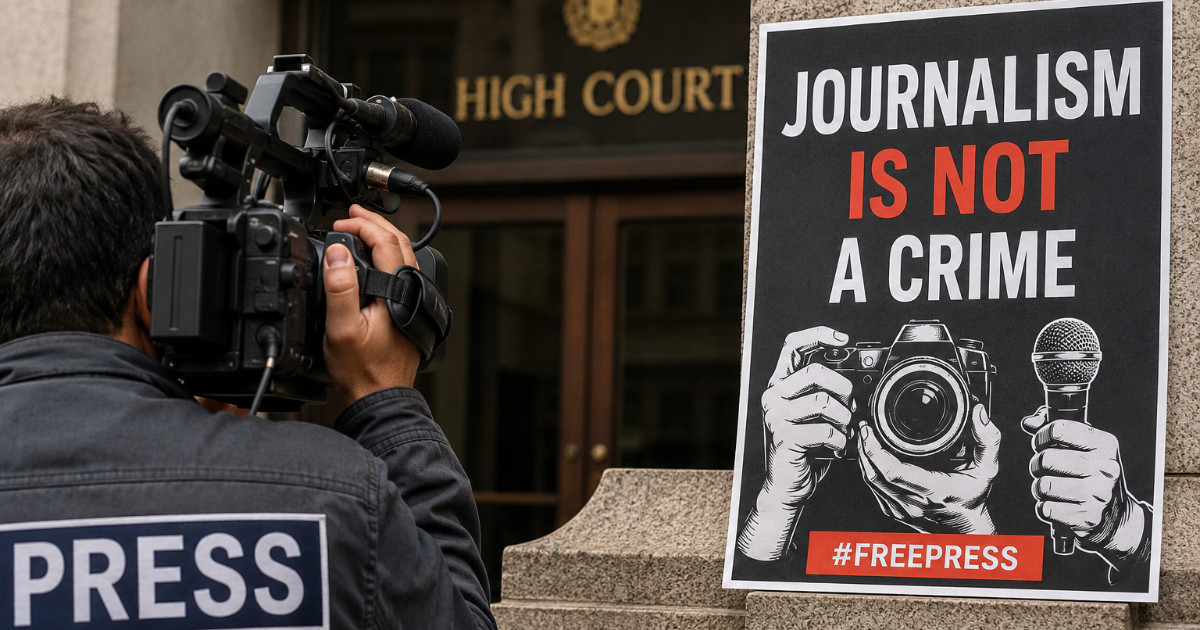
The Delhi High Court warned that press freedom cannot shield irresponsible journalism amid a surge of unverified online reports by self-styled reporters. The court urged an accountability framework that preserves press freedom while restoring public trust.Summary
NEW DELHI — The Delhi High Court has observed that press freedom cannot be used as a shield for irresponsible journalism, expressing concern over the growing number of "self-styled reporters" using digital platforms to publish unverified content. The court made the remarks while hearing a case, saying that the rapid spread of unchecked information online underscores the need for an accountability framework that safeguards both freedom of the press and public confidence in journalism.
The observations come at a time when India's digital news landscape is expanding rapidly, with thousands of online publishers and independent content creators operating alongside established media organizations. The court did not suggest curbing legitimate journalism but emphasized that constitutional protections for the media carry corresponding responsibilities.
Digital media under scrutiny
The court's comments are likely to contribute to ongoing discussions over how digital news platforms should be regulated without undermining editorial independence or freedom of expression. The rise of online-first journalism has broadened access to information but has also intensified concerns over misinformation, verification standards, and accountability.
Legal experts and media observers have long debated whether existing regulatory mechanisms adequately address the challenges posed by digital publishing while preserving the constitutional protections afforded to the press.
Balancing accountability and press freedom
The Delhi High Court's remarks stop short of proposing a specific regulatory model, but they highlight the judiciary's recognition of the tension between protecting press freedom and addressing irresponsible reporting in the digital era.
The observations may influence future legal and policy discussions on media regulation, particularly as governments, courts, and industry stakeholders seek ways to strengthen trust in journalism without restricting legitimate reporting.
WHY THIS MATTERS: The court's observations reflect a broader challenge confronting newsrooms worldwide: maintaining credibility in an increasingly fragmented digital information environment. For journalists and media organizations, the debate reinforces the importance of verification, editorial oversight, and professional standards as digital publishing continues to evolve.
ATTRIBUTION: Reporting by JournalismPakistan, based on a publicly available report by The Times of India published on July 17, 2026.
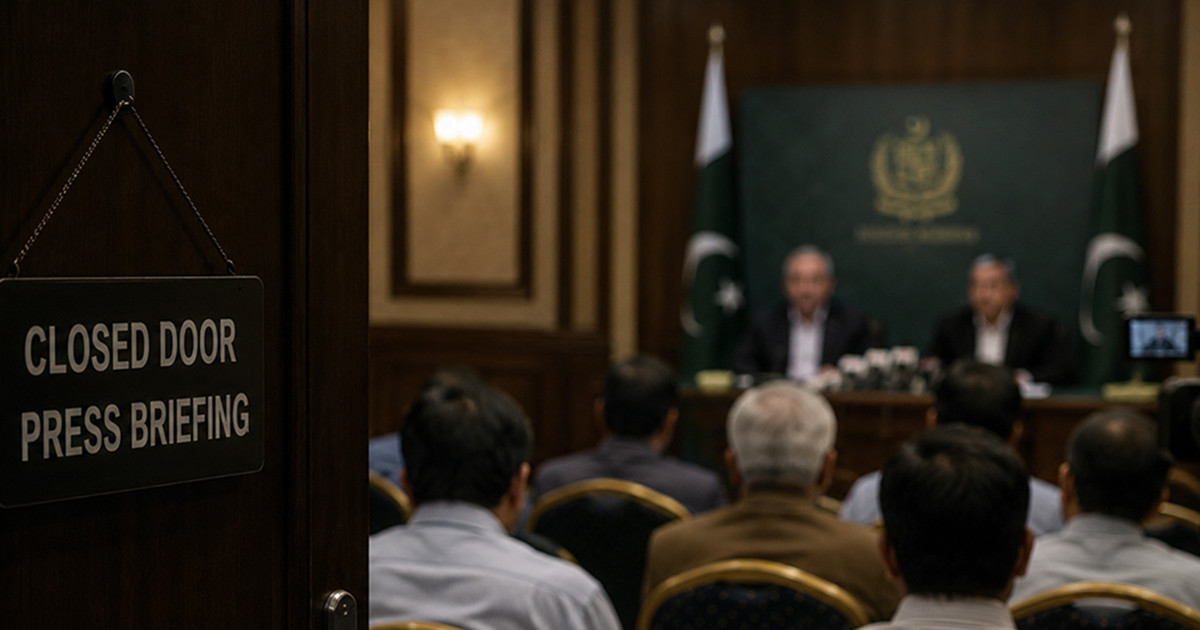
PHOTO: AI-generated; for illustrative purposes only.
Key Points
- Delhi High Court ruled press freedom is not a shield for irresponsible journalism.
- Court expressed concern over self-styled reporters publishing unverified content online.
- Judgment underscores the need for an accountability framework for digital publishers.
- Emphasis on balancing constitutional protections with media responsibilities and public trust.
- Remarks feed into wider debates on regulation, verification standards and editorial independence.
Key Questions & Answers
What did the Delhi High Court say?
The court said press freedom cannot be used to shield irresponsible journalism and stressed the need for accountability for digital publishers.
Did the court propose new regulations for digital media?
No specific regulations were prescribed; the court highlighted the need for an accountability framework without detailing statutory measures.
Who are referred to as "self-styled reporters"?
The term refers to independent online content creators and publishers who may post unverified reports without established editorial checks.
Will these remarks curb legitimate journalism?
The court clarified it did not seek to curb legitimate journalism but urged balancing press freedom with responsibilities to protect public confidence.
Relevant Topics
Ask AI: Understand this story your way
AI EnabledDig deeper, ask anything — get instant context, background, and clarity.
Disclaimer: This feature is powered by AI and is intended to help readers explore and understand news stories more easily. While we strive for accuracy, AI-generated responses may occasionally be incomplete or reflect limitations in the underlying model. This feature does not represent the editorial views of JournalismPakistan. For our full, verified reporting, please refer to the original article.