
Bangladesh urged to review cases of jailed journalists
JournalismPakistan.com | Published: 12 March 2026 | JP Asia Desk
Join our WhatsApp channel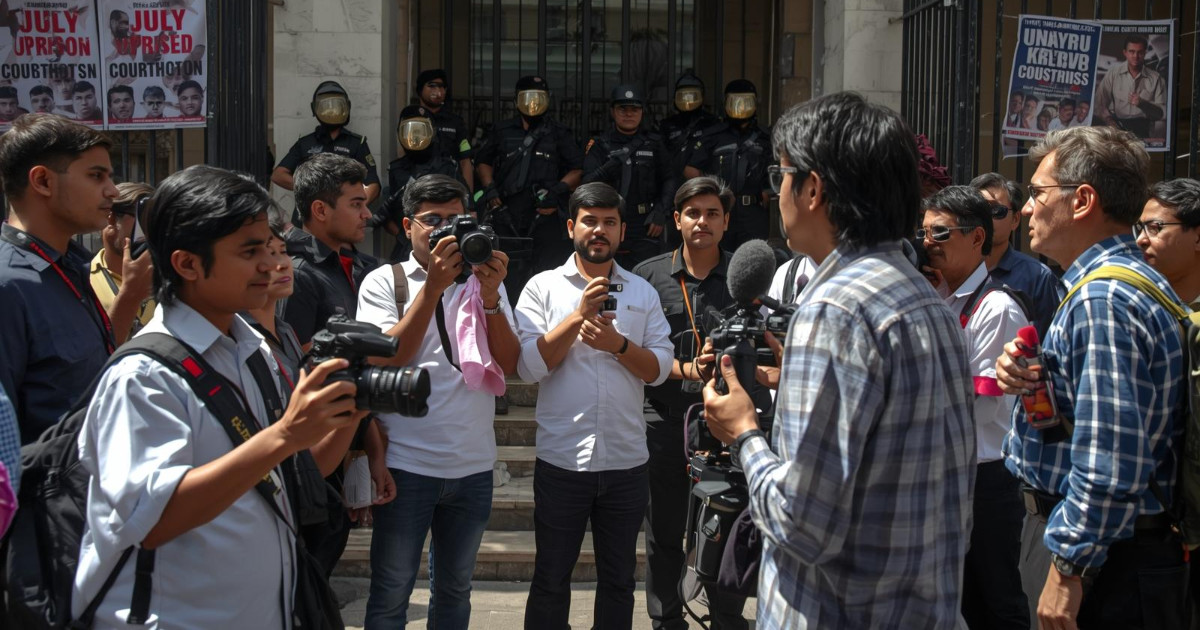
Press freedom organizations are calling on Bangladeshi authorities to review cases of reporters imprisoned after the July 2024 uprising, arguing that repeated bail denials and broad criminal charges risk undermining media freedom and due process.Summary
DHAKA — Press freedom organizations are urging the Bangladeshi government to review cases involving several journalists who have been imprisoned for more than a year after the country’s July uprising, warning that prolonged detention and repeated bail denials risk undermining media freedom and due process.
Advocacy groups say courts have continued to reject bail petitions in multiple cases linked to the political unrest that followed the mass protests of July 2024, when demonstrations escalated into a nationwide movement that eventually forced the resignation of then-Prime Minister Sheikh Hasina. Lawyers and media rights organizations argue that some journalists have been charged under broad criminal allegations, raising concerns that legal mechanisms are being used to extend detention.
Bail denials raise concerns about prolonged detention
International media watchdogs and journalist associations say several reporters remain behind bars despite ongoing legal challenges. According to media rights advocates, the charges filed against journalists in connection with the unrest range from alleged incitement to involvement in violent incidents during protests. Critics say the breadth of these accusations has complicated bail proceedings and prolonged court battles.
The Commonwealth Journalists Association and other groups have called on authorities to examine whether the cases against reporters meet the standards of due process and evidentiary requirements. They argue that journalists should not face extended pretrial detention without clear evidence linking them to criminal activity.
Investigations question some cases against reporters
Recent investigative findings have also raised questions about the legal basis of certain cases involving journalists. In one investigation submitted to a Chattogram court, the Police Bureau of Investigation reported that it found no evidence against 28 journalists who had been accused of kidnapping, assault, and publishing false news during the 2024 uprising.
The report said the plaintiff in that case failed to provide supporting evidence or appear before investigators despite repeated notices. The findings have added to calls from media advocates for a broader review of cases involving reporters linked to the unrest.
Political aftermath continues to shape press climate
The July uprising and its aftermath remain a defining moment in Bangladesh’s recent political history. The protests triggered widespread clashes, legal investigations, and hundreds of criminal cases connected to violence and political unrest. Journalists covering the events have found themselves entangled in some of these legal proceedings, particularly those accused of spreading misinformation or inciting unrest.
Press freedom advocates warn that the continued detention of journalists could have a chilling effect on investigative reporting and political coverage in the country. They say the outcome of the cases will be closely watched across South Asia, where tensions between national security narratives and press freedom protections remain a persistent challenge.
WHY THIS MATTERS: For Pakistani journalists, the Bangladesh cases illustrate how reporters covering political unrest can become entangled in criminal investigations long after protests end. The situation highlights the importance of legal preparedness, newsroom safety protocols, and press freedom advocacy when reporting on politically sensitive events. It also underscores how prolonged legal proceedings can indirectly deter investigative journalism across the region.
ATTRIBUTION: Based on a March 11, 2026, report by The Dhaka Tribune
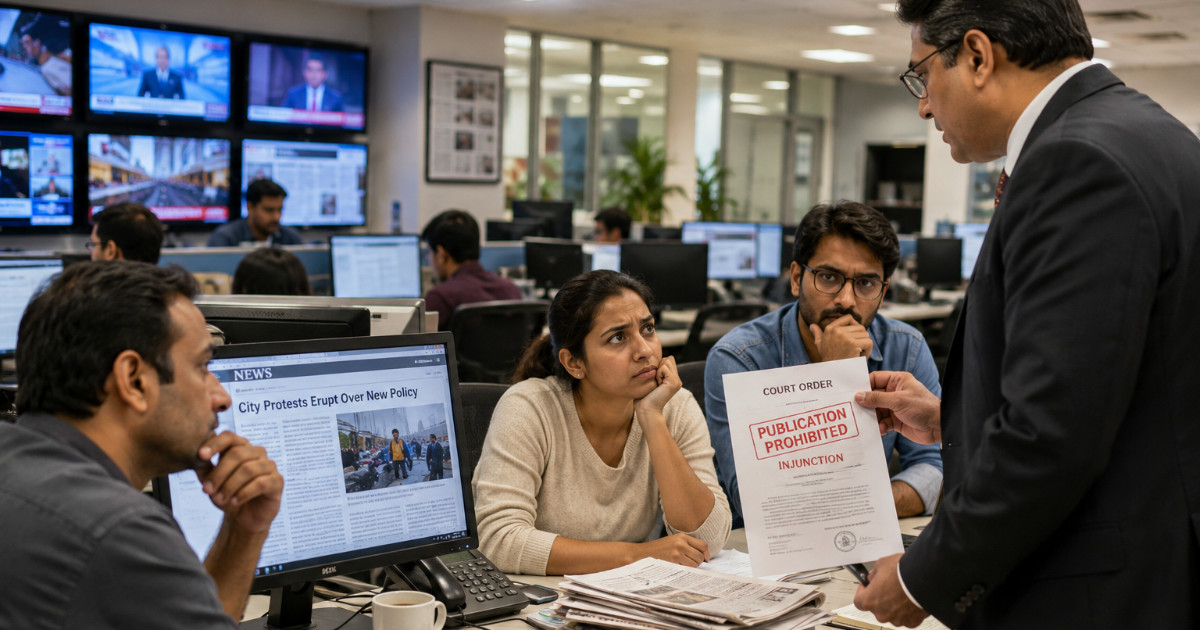
PHOTO: AI-generated; for illustrative purposes only.
Key Points
- Advocacy groups call for case reviews of journalists jailed after the July 2024 uprising.
- Court refusals of bail have left several reporters in prolonged pretrial detention.
- Charges cited include alleged incitement and alleged involvement in violent incidents.
- Groups warn broad accusations may be used to extend detention and complicate bail.
- Calls emphasize the need to assess evidentiary standards and due process protections.
Key Questions & Answers
Why are press freedom groups urging a review?
They say repeated bail denials and broad criminal accusations against journalists risk undermining media freedom and due process.
What kinds of charges have been filed?
Charges range from alleged incitement to purported involvement in violent incidents during the July 2024 protests.
What do groups want authorities to do?
They request that courts and officials re-examine evidence and ensure cases meet due process and evidentiary standards.
Relevant Topics
Ask AI: Understand this story your way
AI EnabledDig deeper, ask anything — get instant context, background, and clarity.
Disclaimer: This feature is powered by AI and is intended to help readers explore and understand news stories more easily. While we strive for accuracy, AI-generated responses may occasionally be incomplete or reflect limitations in the underlying model. This feature does not represent the editorial views of JournalismPakistan. For our full, verified reporting, please refer to the original article.