
China warns of retaliation over new US journalist visa limits
JournalismPakistan.com | Published: 18 July 2026 | JP Asia Desk
Join our WhatsApp channel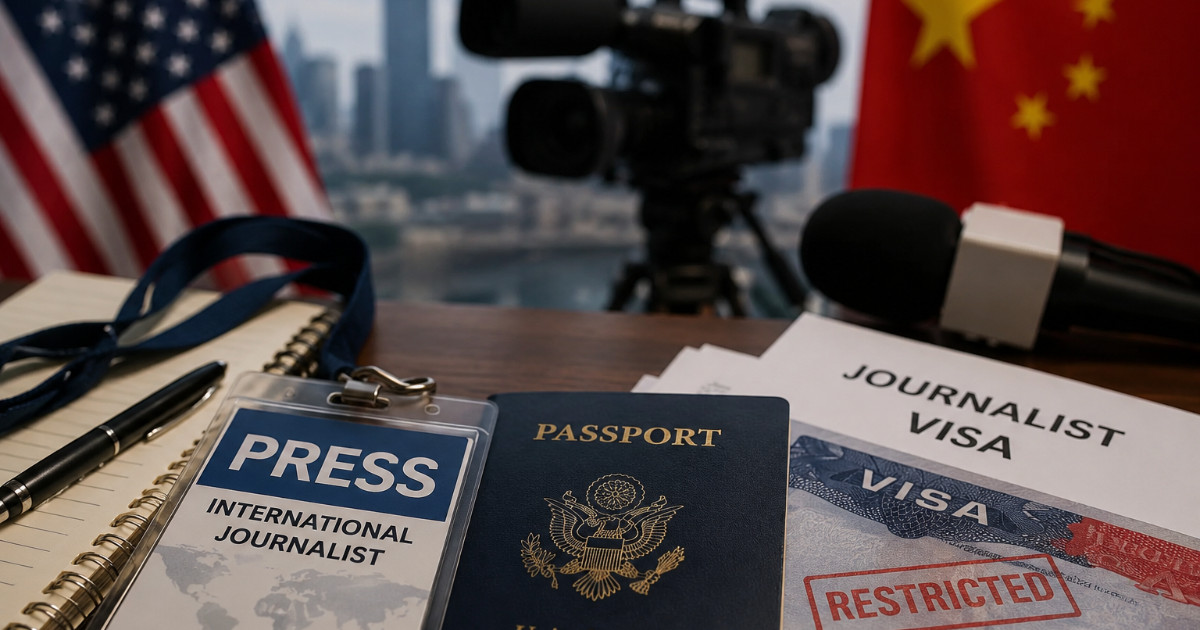
The US Department of Homeland Security replaced the open-ended 'duration of status' for foreign journalists with fixed-term visas, generally up to 240 days and typically 90 days for Chinese reporters. China called the move discriminatory and warned it may take reciprocal measures.Summary
WASHINGTON — China has warned it will consider reciprocal measures after the United States announced sweeping new limits on the length of visas issued to foreign journalists, a move that has drawn criticism from press freedom organizations and raised fresh concerns about cross-border newsgathering between the world's two largest economies.
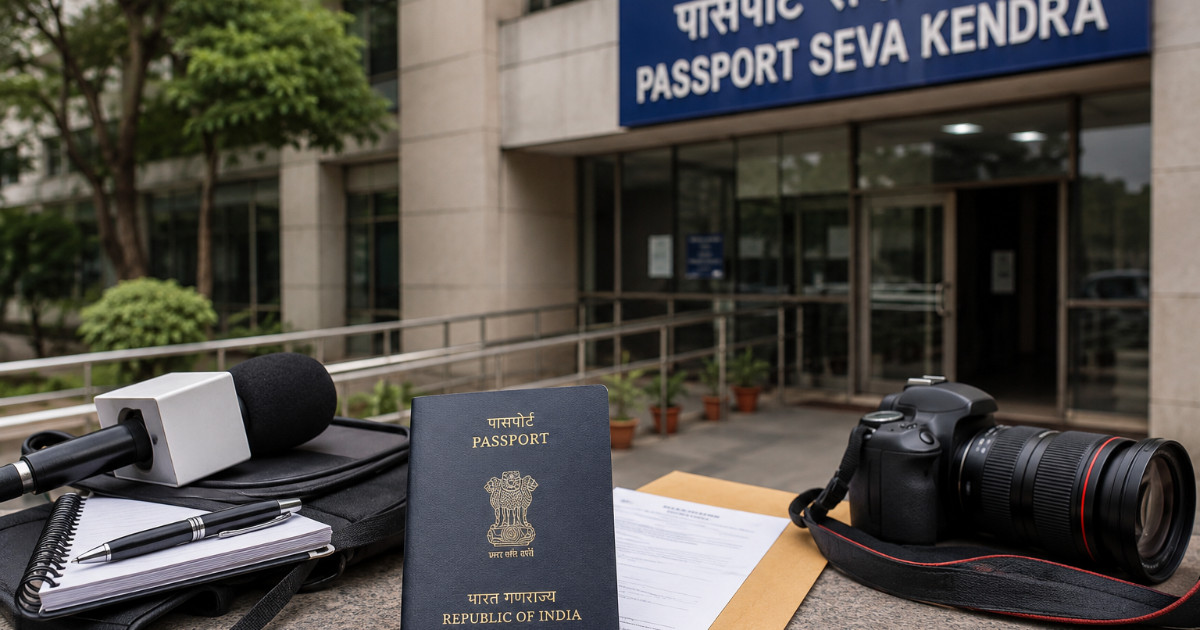
The new rule, issued by the U.S. Department of Homeland Security, replaces the long-standing "duration of status" system for foreign journalists with fixed visa periods. Under the regulation, most foreign journalists will receive visas valid for up to 240 days, while journalists from China will generally be limited to stays of 90 days. The visas remain renewable, but journalists will now have to undergo more frequent immigration reviews.
China condemns new policy
China's Foreign Ministry described the measures as discriminatory and urged Washington to withdraw them, warning that Beijing would take reciprocal action if the policy remains in place. Foreign Ministry spokesperson Lin Jian said the restrictions were not in the interests of either country and risked further damaging media exchanges at a time of already strained bilateral relations.
The visa changes are scheduled to take effect 60 days after publication in the Federal Register. U.S. officials said the revised policy is intended to strengthen oversight of visa holders and improve the government's ability to verify that foreign journalists continue to meet visa requirements. The Department of Homeland Security argued that replacing open-ended stays with fixed admission periods enhances national security screening while allowing legitimate journalists to apply for extensions.
Press freedom groups voice concern
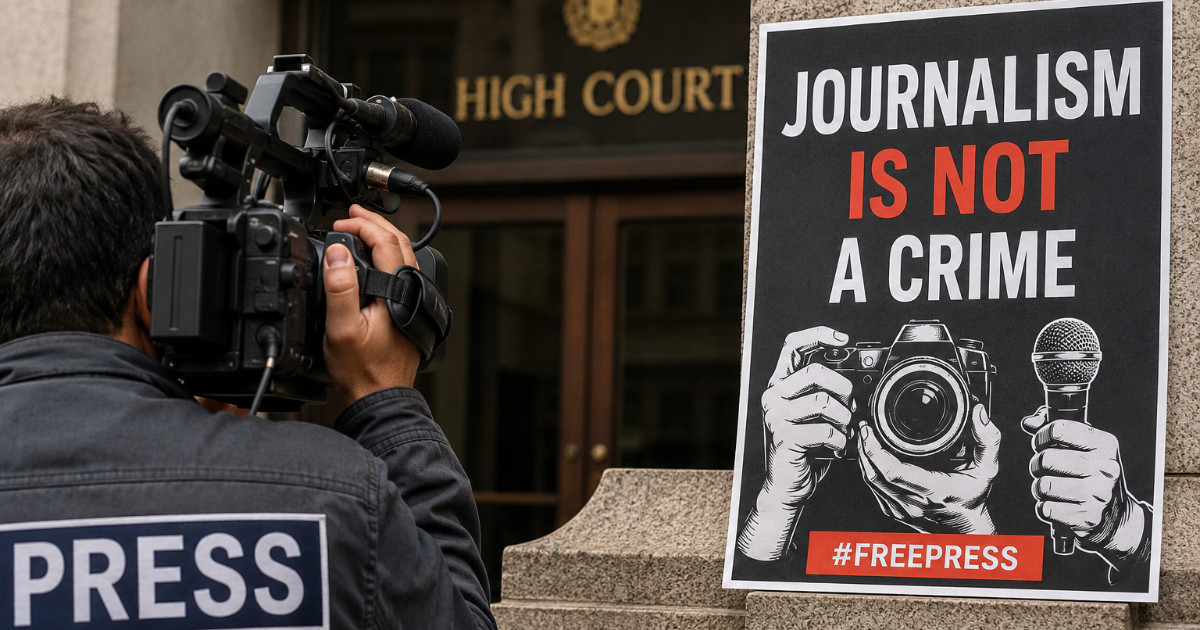
Media freedom organizations warned that the policy could have unintended consequences for international reporting. Reporters Without Borders said limiting journalists' ability to remain in the United States could undermine independent reporting and encourage governments elsewhere to impose similar restrictions on foreign correspondents. The Committee to Protect Journalists also criticized the move, arguing that it risks weakening press freedom and reducing international news coverage.
The latest dispute comes against the backdrop of years of tensions over media access between Washington and Beijing. During the COVID-19 pandemic, both governments imposed restrictions on journalists from the other country, leading to expulsions, visa limitations, and a sharp decline in the number of foreign correspondents able to report on the ground. Although some restrictions were later eased, access has remained more limited than before the diplomatic disputes began.
Wider implications for international reporting
The latest policy risks adding another obstacle for foreign correspondents covering the United States. More frequent visa renewals may create additional administrative burdens for international news organizations and could complicate long-term reporting assignments.
Analysts also warn that China's threat of reciprocal measures raises the possibility that American journalists working in China could face tighter visa conditions or additional reporting restrictions if Beijing follows through on its warning. Such measures would further reduce opportunities for independent reporting between the two countries and make cross-border journalism increasingly difficult.
WHY THIS MATTERS: The dispute highlights how immigration policy is increasingly affecting international journalism. For news organizations with foreign correspondents, visa certainty is essential for sustained reporting, while reciprocal restrictions can quickly reduce access, increase operational costs, and limit independent coverage of major global developments.
ATTRIBUTION: Reporting by JournalismPakistan, based on publicly available reports by the Associated Press (July 17, 2026) and Reuters (July 17, 2026).
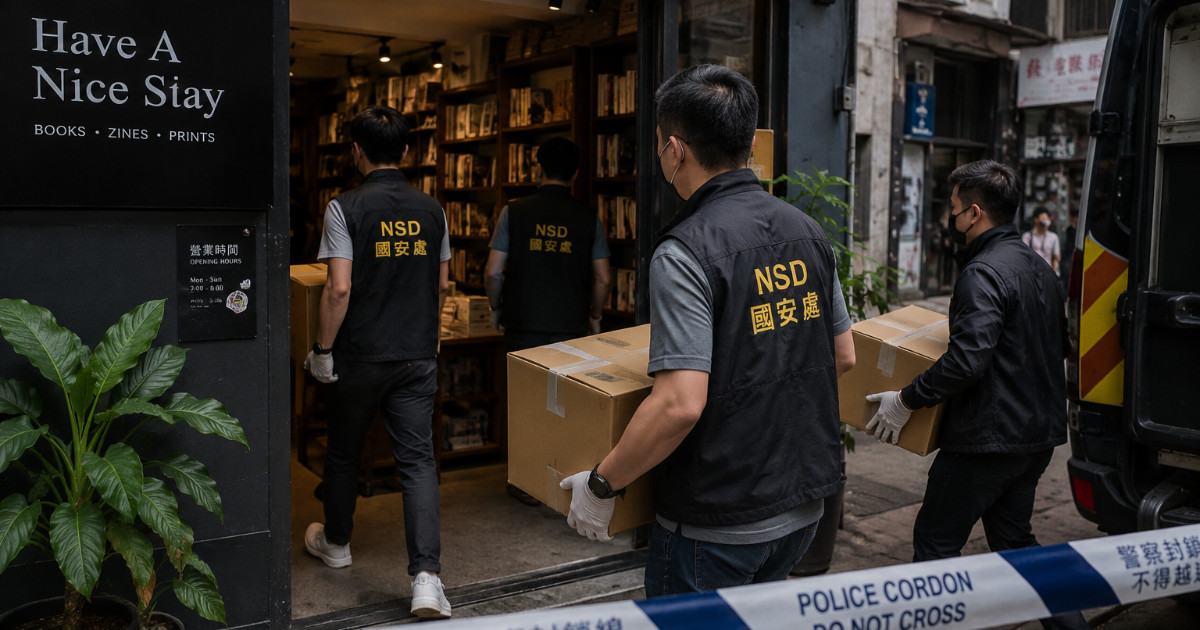
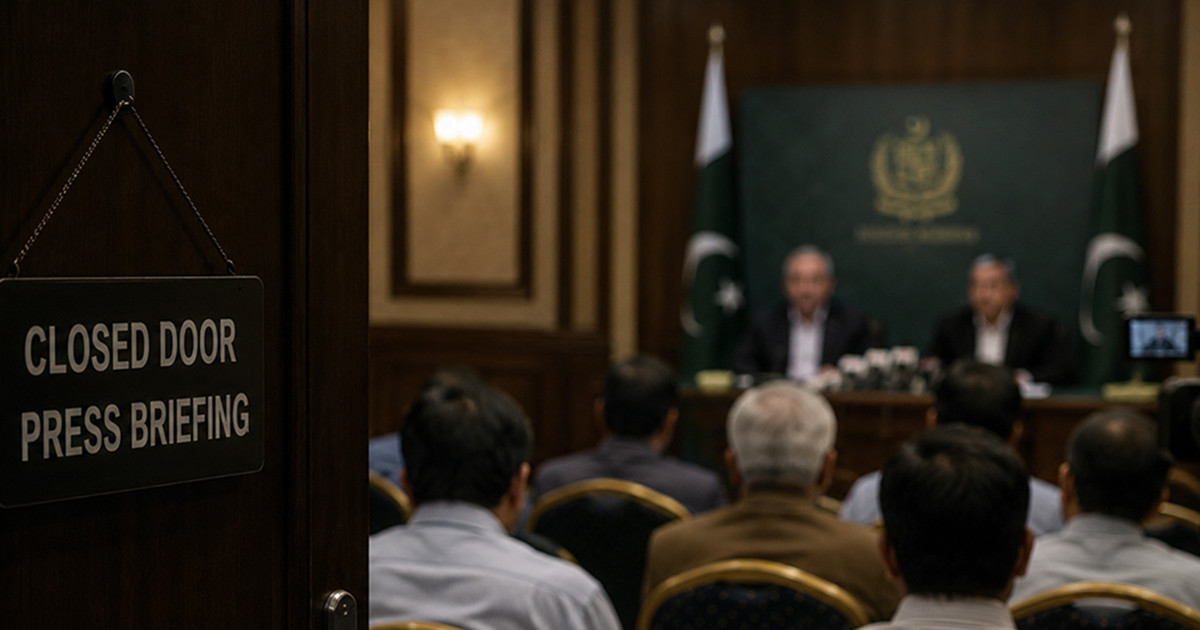
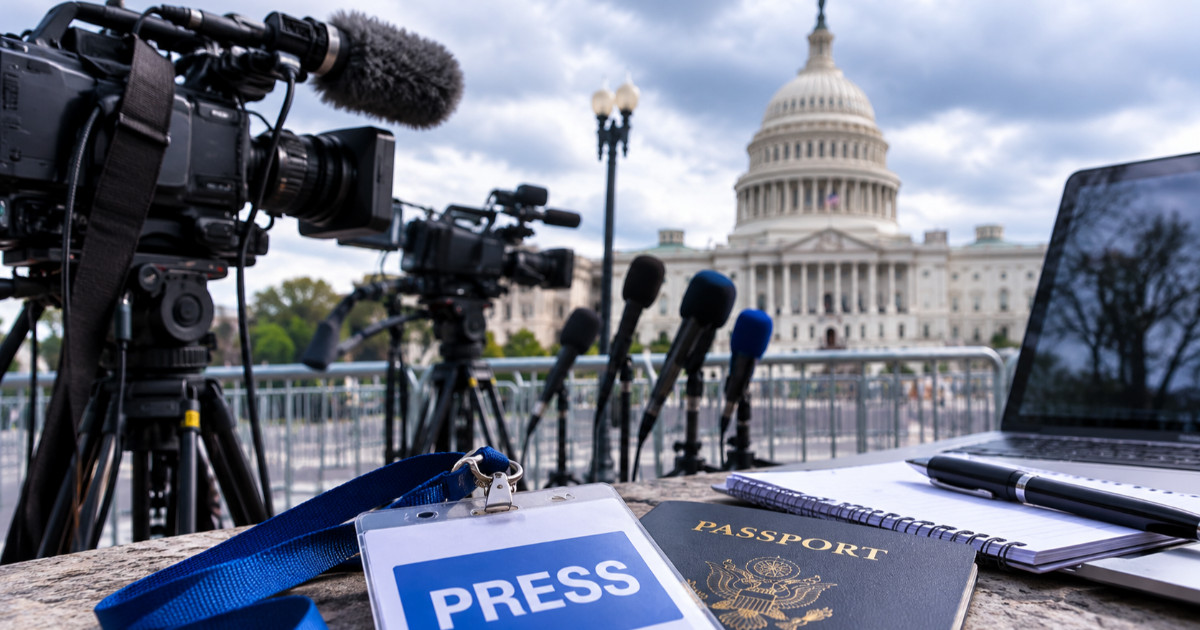
PHOTO: AI-generated; for illustrative purposes only
Key Points
- The US DHS replaced open-ended "duration of status" with fixed-term visas for foreign journalists.
- Most foreign journalists will receive visas valid up to 240 days, while Chinese journalists are generally limited to 90 days.
- Visas remain renewable but require more frequent immigration reviews and verification.
- China called the policy discriminatory and warned it would consider reciprocal measures.
- Rights groups have criticised the move, citing concerns about cross-border newsgathering and press freedom.
Key Questions & Answers
What change did the United States make to journalist visas?
The US replaced the open-ended "duration of status" for foreign journalists with fixed-term visas, typically up to 240 days and generally 90 days for Chinese reporters.
Why did the Department of Homeland Security introduce the new rule?
DHS said the change strengthens oversight of visa holders and improves the government's ability to verify that foreign journalists continue to meet visa requirements.
How has China reacted to the new US visa limits?
China called the measures discriminatory, urged the US to withdraw them, and warned it would consider reciprocal actions if the policy remains in place.
When will the new visa rules take effect?
The changes are scheduled to take effect 60 days after publication in the Federal Register; visas remain renewable but will face more frequent reviews.
Ask AI: Understand this story your way
AI EnabledDig deeper, ask anything — get instant context, background, and clarity.
Disclaimer: This feature is powered by AI and is intended to help readers explore and understand news stories more easily. While we strive for accuracy, AI-generated responses may occasionally be incomplete or reflect limitations in the underlying model. This feature does not represent the editorial views of JournalismPakistan. For our full, verified reporting, please refer to the original article.