.png)
Hanoi police charge journalist under broad anti‑state laws
JournalismPakistan.com | Published: 13 March 2026 | JP Asia Desk
Join our WhatsApp channel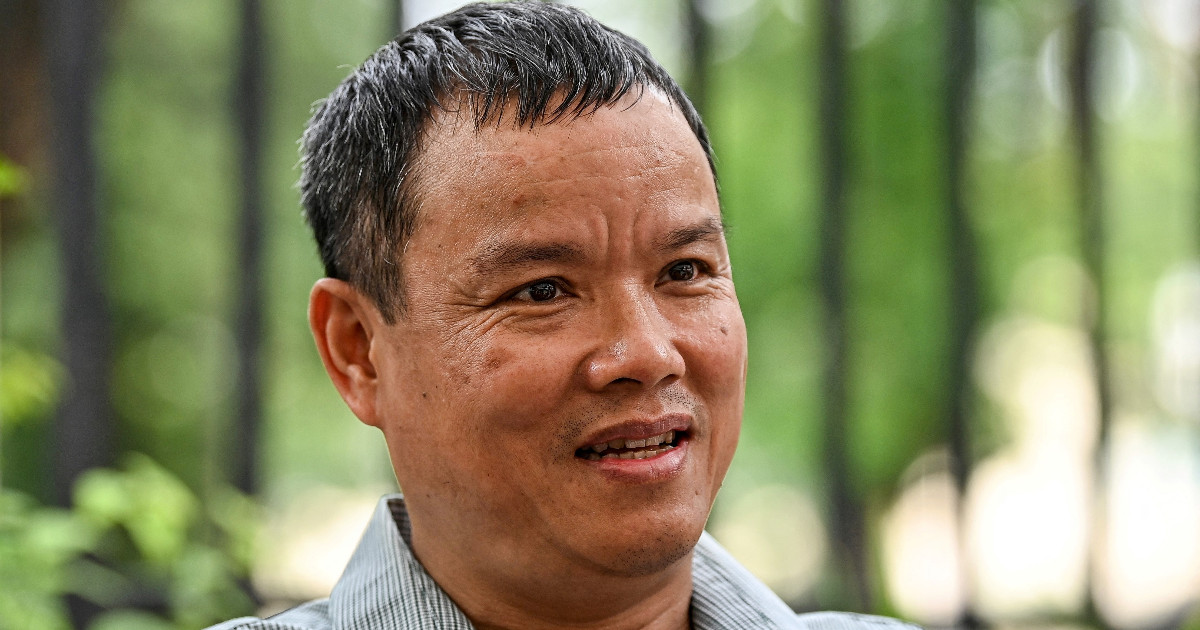
Hanoi police launched a criminal probe into journalist and blogger Le Anh Hung, accusing him of producing and sharing 'anti‑state' content under broad national security laws. The move underscores Vietnam's strict media controls and legal pressure on independent reporters.Summary
HANOI — Vietnam’s police have launched a criminal probe into prominent journalist and blogger Le Anh Hung on charges of making, storing, disseminating, or propagating content deemed “anti‑state,” in a fresh escalation in Hanoi’s long‑running crackdown on independent media voices.
Le Anh Hung, 52, a well‑known independent journalist and frequent contributor to Voice of America’s Vietnamese service, is accused under broad national security provisions that authorities routinely use to criminalize critical reporting. His blog posts, including recent commentary on a Hanoi city campaign against illegal markets, were cited by police as evidence of information “against the State of the Socialist Republic of Vietnam,” according to a statement on the Hanoi police’s official website.
Tight media controls in Vietnam’s one‑party state
Vietnam operates a tightly controlled media environment. Press freedom watchdogs have repeatedly warned that broad anti‑state and national security laws are used to criminalize legitimate journalism and criticism, contributing to the country’s persistently low rankings in global press freedom indices.
Hung’s legal troubles are not new: in August 2022, a Hanoi court convicted him in absentia and sentenced him to five years in prison under Article 331 of the penal code for “abusing democratic freedoms” to infringe upon state interests, a charge frequently applied to journalists and bloggers critical of the government. He was held in detention for years before that 2022 conviction and subjected to involuntary stays in a psychiatric hospital, according to the Committee to Protect Journalists.
Broader crackdown on journalists and critics
The move against Hung comes amid wider legal pressure on independent media and online voices in Vietnam. Amendments to the country’s press laws enacted in late 2025 widened state powers to compel journalists to disclose sources, a step watchdogs described as a further tightening of media control. Other independent journalists and bloggers have recently faced convictions or prison sentences for critical posts on social media platforms.
Vietnam’s restrictive approach reflects a longstanding policy: authorities regularly invoke anti‑state, cybersecurity, and national security laws to curb dissent and suppress reporting that challenges government narratives. This environment has kept Vietnam near the bottom of global press freedom rankings and made independent reporting a high‑risk profession.
WHY THIS MATTERS: Pakistani journalists and media organizations can draw lessons from this development about the risks associated with broad and vaguely defined laws that criminalize dissent and critical reporting. The case underscores the importance of understanding legal frameworks that govern press freedom, and it highlights trends in regional restrictions on source protection and online speech that could inform newsroom risk assessment and advocacy strategies in Pakistan.
ATTRIBUTION: Based on reporting by Bangkok Post (March 13, 2026) and publicly available data from the Committee to Protect Journalists.
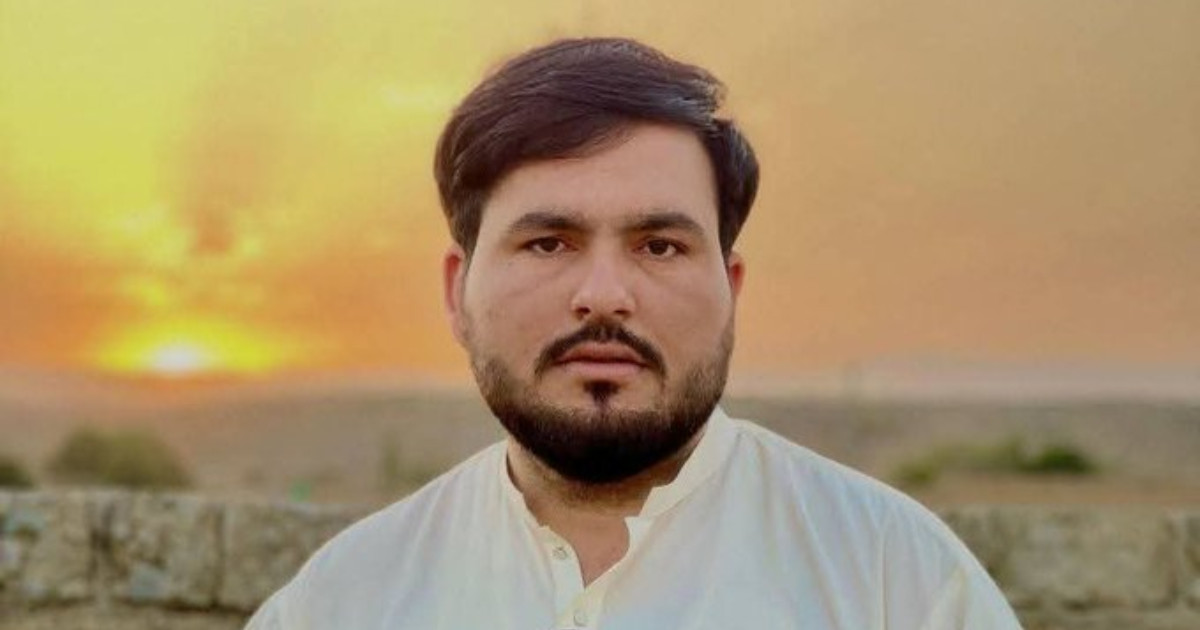
PHOTO: Le Anh Hung (AFP/circulated by Committee to Protect Journalists)
Key Points
- Hanoi police accused Le Anh Hung of making, storing and disseminating 'anti‑state' content.
- Authorities cited his blog posts, including commentary on a campaign against illegal markets.
- Hung is a frequent contributor to Voice of America's Vietnamese service.
- He was previously convicted in absentia in 2022 under Article 331 for 'abusing democratic freedoms.'
- Press freedom groups say broad national security laws are used to criminalize critical reporting.
Key Questions & Answers
What charges does Le Anh Hung face?
Police allege he made, stored and disseminated content deemed 'anti‑state' under broad national security provisions.
Has he faced legal action before?
Yes; in August 2022 a Hanoi court convicted him in absentia under Article 331 for 'abusing democratic freedoms' and sentenced him to five years.
Why are press freedom groups concerned?
They say Vietnam's broad anti‑state and national security laws are routinely used to criminalize legitimate journalism and silence critics.
What reporting did police cite as evidence?
Authorities pointed to his blog posts, including commentary on a Hanoi campaign targeting illegal markets, as examples of information against the state.
Relevant Topics
Ask AI: Understand this story your way
AI EnabledDig deeper, ask anything — get instant context, background, and clarity.
Disclaimer: This feature is powered by AI and is intended to help readers explore and understand news stories more easily. While we strive for accuracy, AI-generated responses may occasionally be incomplete or reflect limitations in the underlying model. This feature does not represent the editorial views of JournalismPakistan. For our full, verified reporting, please refer to the original article.