.png)
Press freedom review: Governments tighten the screws on journalists
JournalismPakistan.com | Published: 19 July 2026 | JP News Desk
Join our WhatsApp channel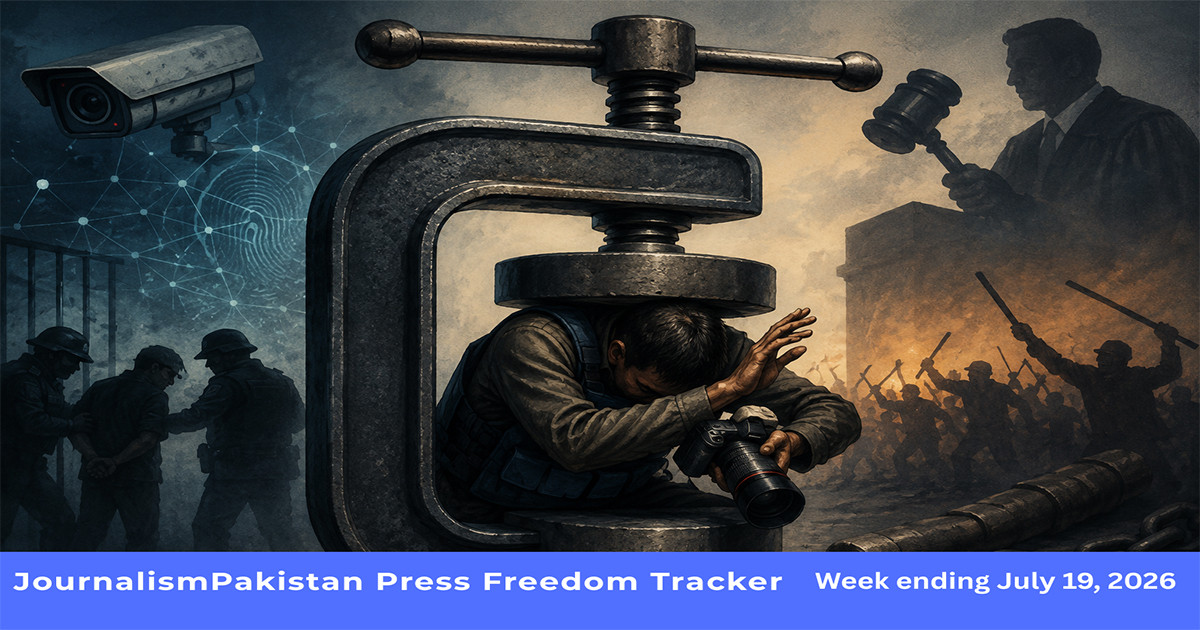
The Press Freedom Tracker records rising threats to journalists globally - arrests, legal suits, surveillance, visa curbs, attacks, economic hardship and regulatory measures - illustrating how state and non-state pressures are eroding independent journalism.Summary
Editor's note
This week's JournalismPakistan Press Freedom Tracker reflects the many ways press freedom is being tested across the world. Journalists faced arrests, legal action, surveillance concerns, physical attacks, visa restrictions, economic hardship, and growing political pressure. While some incidents involved direct state action, others highlighted how financial insecurity, strategic litigation, and regulatory measures continue to erode the environment in which independent journalism operates. The entries below underscore that threats to media freedom increasingly extend beyond censorship alone, affecting journalists' ability to report safely, independently, and without fear of retaliation.
Arrests, detentions, and kidnappings
MOROCCO — Authorities arrested French-Moroccan journalist Ali Lmrabet upon his arrival from Spain and placed him in pretrial detention while investigating allegations of disseminating false information and undermining constitutional institutions. CPJ called for his immediate release. (Committee to Protect Journalists, July 14, 2026)
HONG KONG — Police arrested freelance journalist Sum Wan-wah, bookseller Mandy Lau, and three others after raiding two independent bookstores over alleged seditious publications under the Safeguarding National Security Ordinance. The five remained in detention pending investigation. (Committee to Protect Journalists, July 16, 2026)
NIGERIA — Journalist Stanley Ugagbe was remanded to prison pending a September bail hearing after being charged under Nigeria's Cybercrimes Act and Penal Code over an investigative report. The Committee to Protect Journalists called for his immediate release and urged authorities to drop all charges against him and publisher Fejiro Oliver. (Committee to Protect Journalists, July 15, 2026)
Legal and regulatory pressure
UNITED STATES — The U.S. Justice Department issued grand jury subpoenas to four New York Times reporters over their reporting on alleged security vulnerabilities involving the new Air Force One aircraft. Press freedom advocates, including the Reporters Committee for Freedom of the Press, condemned the move as a significant threat to source protection and investigative journalism, warning it could deter whistleblowers. The Justice Department said it is investigating the source of classified leaks rather than targeting journalists. (AP, July 12, 2026)
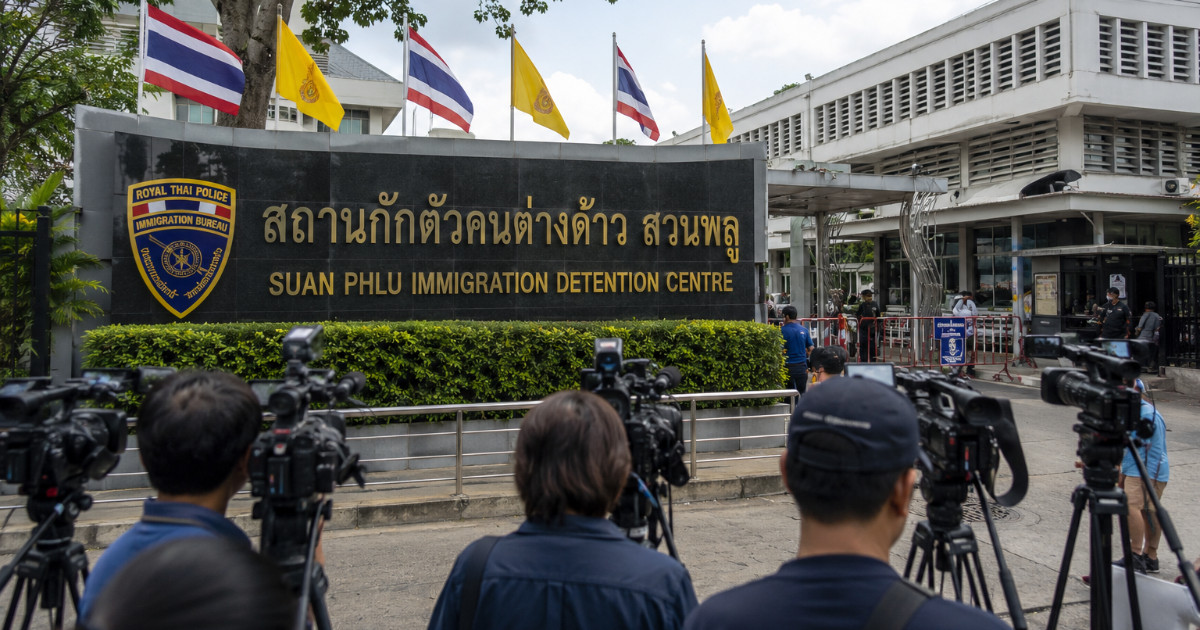
THAILAND — International press freedom organizations and a UN expert urged Thailand not to deport detained Chinese investigative journalist Bai Zhaodong to China, warning he faces a serious risk of political persecution and other human rights abuses if returned. (AFP, July 17, 2026; Reuters, July 16, 2026)
Digital rights and online censorship
PAKISTAN — A DRF USA report said Pakistan's expanding cyber-surveillance infrastructure poses increasing risks to journalists and other vulnerable groups, arguing that broad surveillance powers and inadequate oversight contribute to self-censorship and weaken press freedom. The report recommends stronger judicial oversight, greater transparency, and comprehensive data protection legislation. (DRF USA, Unveiling Cyber-Surveillance Technologies in South Asia, July 17, 2026)
Attacks, threats, harassment, and killings
ISRAEL / OCCUPIED WEST BANK — Four Israeli settlers were arrested after attacking CNN and other journalists covering an event near Sinjil in the occupied West Bank. Police recovered weapons, including clubs and a knife, while journalists' vehicles were damaged during the assault. (CNN, July 12, 2026)
PAKISTAN — Nine cases involving journalists were documented across Pakistan during June 2026, including an arrest under PECA, criminal proceedings, death threats, assaults, newsroom intimidation, and regulatory action. Six of the incidents allegedly involved state actors, while investigations remained ongoing in several cases. (Freedom Network Pakistan Press Club Safety Hubs Network, June 2026)
INDONESIA — The Committee to Protect Journalists and five partner organizations called on President Prabowo Subianto to order a new investigation into the 2024 murder of journalist Rico Sempurna Pasaribu and his family. The groups urged authorities to examine the alleged involvement of Army Corporal Herman Bukit and ensure a transparent judicial process. (CPJ joint statement, July 16, 2026)
Economic pressure and media viability
PAKISTAN — A JournalismPakistan investigation highlighted the growing financial pressures facing district journalists in Punjab, many of whom have taken second jobs after months of delayed or irregular salaries. Journalists and media experts interviewed for the investigation warned that economic insecurity can undermine editorial independence, increase vulnerability to political and commercial pressure, and leave reporters without institutional protection. The findings add a labor rights dimension to Pakistan's broader press freedom challenges. (JournalismPakistan, July 14, 2026)
Access to information and reporting restrictions
UNITED STATES — The Trump administration introduced new restrictions on I visas for foreign journalists, limiting the duration of stay and adding new review requirements. CPJ warned the policy could allow visa decisions to be influenced by journalists' reporting and called for its withdrawal. (CPJ, July 16, 2026)
PAKISTAN — Senior journalists criticized the exclusion of energy reporters from a government briefing on proposed petroleum pricing reforms, arguing that restricting access prevented reporters from questioning ministers on a matter of significant public interest. The criticism was expressed through public posts on X following the event. (JournalismPakistan, based on public X posts, July 17, 2026)
CHINA — China warned it could take reciprocal measures after the United States introduced shorter visa durations for foreign journalists, including 90-day visas for most Chinese correspondents. Press freedom groups cautioned that the policy could restrict international reporting and encourage retaliatory measures affecting foreign correspondents. (Associated Press, July 17, 2026)
Policy and court developments
KENYA — The International Federation of Journalists said Kenya's Supreme Court ruling on the killing of Pakistani journalist Arshad Sharif confirms the shooting was unlawful but warned that the absence of prosecutions or accountability amounts to impunity. The Pakistan Federal Union of Journalists also condemned the lack of justice, calling the killing "an attack on press freedom everywhere" and expressing solidarity with Sharif's widow, Javeria Siddique, and journalists working under threat. (IFJ, July 15, 2026)
SINGAPORE — The Singapore High Court ordered Bloomberg and reporter Low De Wei to pay S$460,000 (US$356,000) in damages after ruling that a December 2024 article about luxury property transactions involving two ministers was defamatory. The Committee to Protect Journalists warned the decision could have a chilling effect on public interest journalism and called on officials to stop using defamation laws against the media. (CPJ, July 15, 2026)
GEORGIA — Tbilisi City Court fined independent broadcaster Formula TV GEL10,000 (about US$3,800) and ordered it to retract parts of an investigative report after finding it guilty of "false denunciation" against pro-government filmmaker Goga Khaindrava. Formula TV plans to appeal, arguing the ruling sets a dangerous precedent for investigative journalism. The International Press Institute urged Georgian authorities to end legal action against the broadcaster and protect journalistic source confidentiality. The case comes amid mounting legal and financial pressure on critical media. (OC Media; International Press Institute, July 2026)
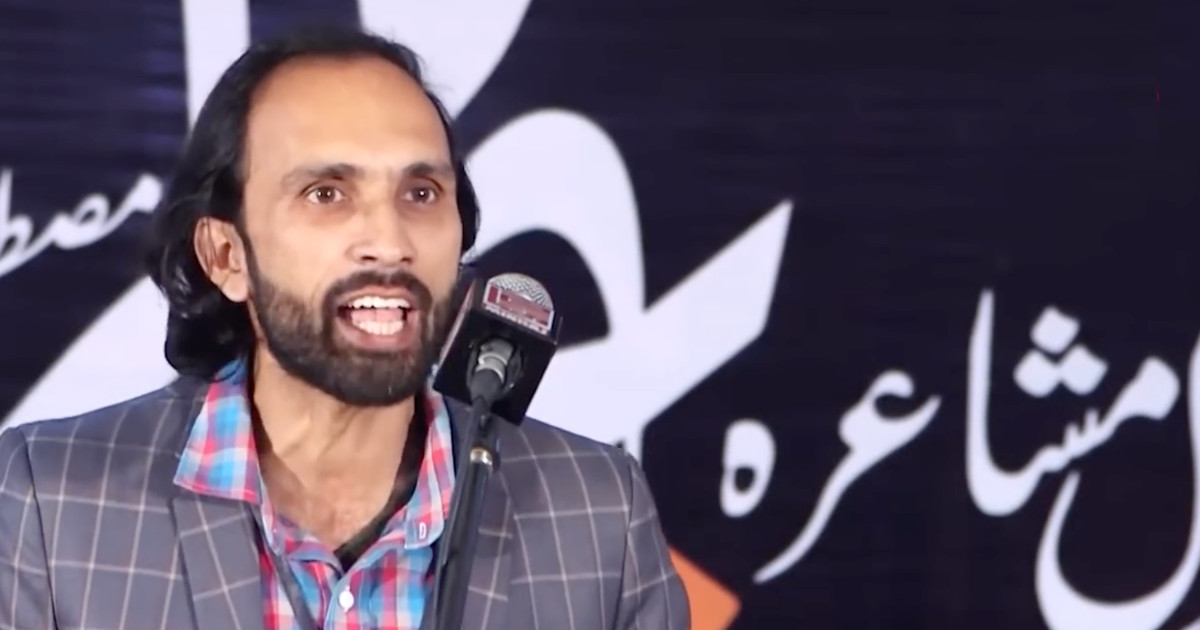
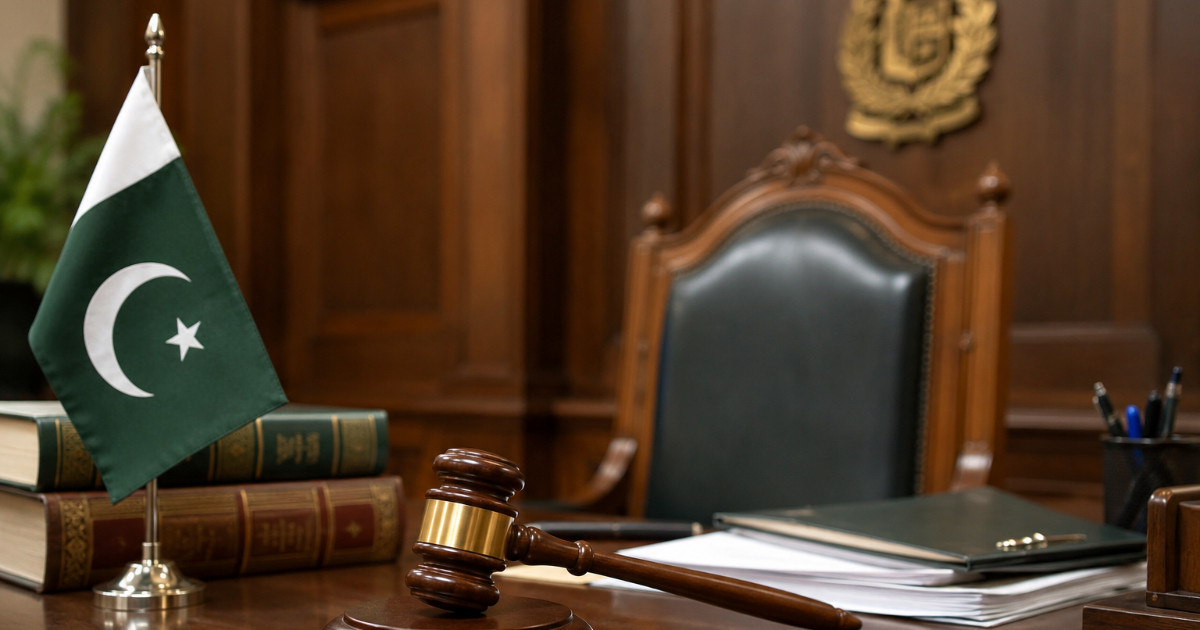
PAKISTAN — A Lahore court rejected the post-arrest bail application of journalist, television anchor, and podcast host Rehan Tariq, who was earlier sent to judicial remand after six days in National Cyber Crime Investigation Agency custody over podcast remarks that led to charges under the Pakistan Penal Code and the Prevention of Electronic Crimes Act (PECA). His defense argued the ruling departs from established judicial precedents on bail and has challenged the decision. (Mian Dawood Law Associates on X, July 14, 2026; statement, July 16, 2026)
INDIA — The Delhi High Court said press freedom cannot be used to shield irresponsible journalism, expressing concern over unverified content published by "self-styled reporters" on digital platforms while emphasizing the need to balance accountability with media freedom. (The Times of India, July 18, 2026)
Media labor and union activity
PAKISTAN — The Pakistan Federal Union of Journalists rejected PEMRA's decision endorsing punitive action against lower-level Geo News employees, arguing the regulator exceeded its authority and violated constitutional protections relating to employment and due process. (PFUJ statement, July 12, 2026)
Media operations and industry pressures
No confirmed entries this week.
Press freedom review
This week's developments illustrate how governments are increasingly relying on legal mechanisms, surveillance, visa controls, and regulatory powers to shape the media environment, while journalists continue to face arrests, violence, and financial insecurity. Several cases demonstrate that press freedom is being challenged not only through direct censorship but also through prolonged legal proceedings, defamation lawsuits, and policies that may discourage investigative reporting. Meanwhile, attacks on journalists in conflict areas and calls for accountability in long-standing murder cases underscore the continuing risks faced by media workers worldwide.
Global context
The week's incidents span Africa, Asia, Europe, the Middle East, and North America, highlighting that pressures on journalism are neither isolated nor confined to authoritarian states. Democracies and emerging economies alike continue to grapple with tensions between national security, legal accountability, and press freedom. At the same time, concerns over surveillance technologies, shrinking newsroom resources, and barriers to reporting reinforce broader international warnings that independent journalism faces growing structural challenges beyond traditional censorship.
SUGGESTED TAGS: Press Freedom Tracker, press freedom, journalists, journalism, media freedom, CPJ, IFJ, censorship, arrests of journalists, digital surveillance, online censorship, legal threats, attacks on journalists, media regulation, Pakistan media, Hong Kong, Morocco, Nigeria, Thailand, United States, China, Singapore, Kenya, Indonesia, India, Georgia, journalism safety
ATTRIBUTION: Compiled by JournalismPakistan
PHOTO: AI-generated; for illustrative purposes.
Key Points
- Documented incidents include arrests, detentions and kidnappings of journalists.
- Legal action and strategic litigation are used to intimidate and silence reporters.
- Surveillance, visa restrictions and regulatory measures limit journalists' ability to work.
- Economic hardship and advertising pressures increase media vulnerability.
- Physical attacks and political pressure further erode independent reporting.
Key Questions & Answers
What does the tracker document?
It records incidents and trends harming press freedom, including arrests, lawsuits, surveillance, visa restrictions, economic pressures and regulatory actions against journalists.
Which recent cases are highlighted?
Reports cite arrests in Morocco and Hong Kong and detention of a Nigerian journalist, among other examples documented by rights groups and the press freedom tracker.
How do threats extend beyond censorship?
Threats also include strategic litigation, economic coercion, surveillance, visa curbs and regulatory steps that hinder journalists' independence and safety.
Who monitors and reports these incidents?
Organizations like the Committee to Protect Journalists and JournalismPakistan compile incidents, monitor trends and call for protections for media workers.
Relevant Topics
Ask AI: Understand this story your way
AI EnabledDig deeper, ask anything — get instant context, background, and clarity.
Disclaimer: This feature is powered by AI and is intended to help readers explore and understand news stories more easily. While we strive for accuracy, AI-generated responses may occasionally be incomplete or reflect limitations in the underlying model. This feature does not represent the editorial views of JournalismPakistan. For our full, verified reporting, please refer to the original article.