
Thailand urged to halt deportation of Chinese journalist
JournalismPakistan.com | Published: 18 July 2026 | JP Asia Desk
Join our WhatsApp channel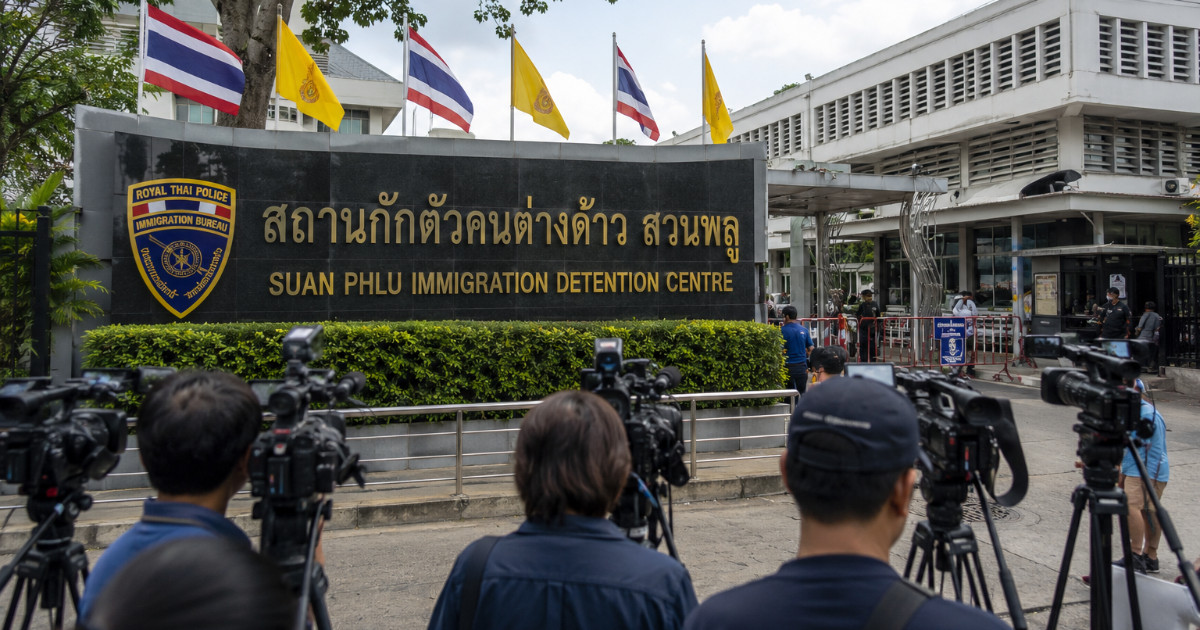
Nearly 60 international press freedom and human rights groups, with a UN expert, urged Thailand to halt deportation of Chinese journalist Bai Zhaodong and allow him to travel to a safe third country; Bai has been held in Bangkok after China sought his extradition.Summary
BANGKOK —International pressure is mounting on Thailand to halt the possible deportation of Chinese investigative journalist Bai Zhaodong after a coalition of press freedom and human rights organizations warned he faces a serious risk of political persecution if returned to China.
The latest appeals come as nearly 60 international organizations, joined by a United Nations independent expert, urged Thai authorities to allow Bai to travel to a safe third country rather than send him back to China. The case has become a closely watched test of Thailand's commitment to protecting journalists and upholding international human rights obligations amid growing diplomatic pressure from Beijing.
International campaign intensifies
Bai, an investigative journalist who reported on corruption involving Chinese officials, has been held in immigration detention in Bangkok since January after being prevented from leaving Thailand. China has formally requested his extradition, saying he is wanted on charges including extortion and bribery.
Chinese authorities have denied that the case is politically motivated, telling Reuters that China protects freedom of expression in accordance with the law and that Bai is wanted on criminal allegations rather than for his journalism.
Press freedom advocates dispute that account, arguing the charges stem from Bai's investigative reporting into alleged corruption and financial fraud involving officials. Reporters Without Borders (RSF) and Safeguard Defenders say he fled China in late 2023 after facing surveillance, interrogations, criminal proceedings, and other reprisals linked to his reporting.
NGOs and the UN raise concerns
On July 17, a coalition of more than 50 press freedom and human rights organizations led by RSF and Safeguard Defenders issued a joint appeal urging Thailand not to forcibly return Bai to China. The groups said he faces a credible risk of arbitrary detention, enforced disappearance, torture, and political persecution if deported.
The following day, United Nations Special Rapporteur Andrea Bolanos Vargas publicly echoed those concerns, urging Thailand to respect its international obligations and refrain from returning the journalist. The coordinated intervention elevated the case from a bilateral dispute into a broader international press freedom issue.
The renewed advocacy follows criticism of Thailand's earlier deportation of Uyghur detainees to China, with rights organizations arguing that the handling of Bai's case will be closely scrutinized by the international community.
Cross-border implications
The case underscores growing concerns among press freedom organizations about the use of extradition requests and immigration procedures against journalists working in exile. Advocacy groups argue that governments should carefully assess whether criminal charges against exiled reporters are genuinely criminal in nature or are linked to their journalistic work.
No decision on Bai's deportation had been publicly announced as of July 18.
WHY THIS MATTERS: The Bai Zhaodong case highlights the increasing vulnerability of exiled journalists who seek refuge outside their home countries but remain exposed to cross-border legal and diplomatic pressure. For news organizations, it also illustrates the growing intersection of immigration law, extradition procedures, and press freedom in an era when investigative reporting can carry transnational risks.
ATTRIBUTION: Reporting by JournalismPakistan, based on publicly available reports by Reuters (July 16, 2026), Reporters Without Borders (July 17, 2026), and AFP (July 18, 2026).
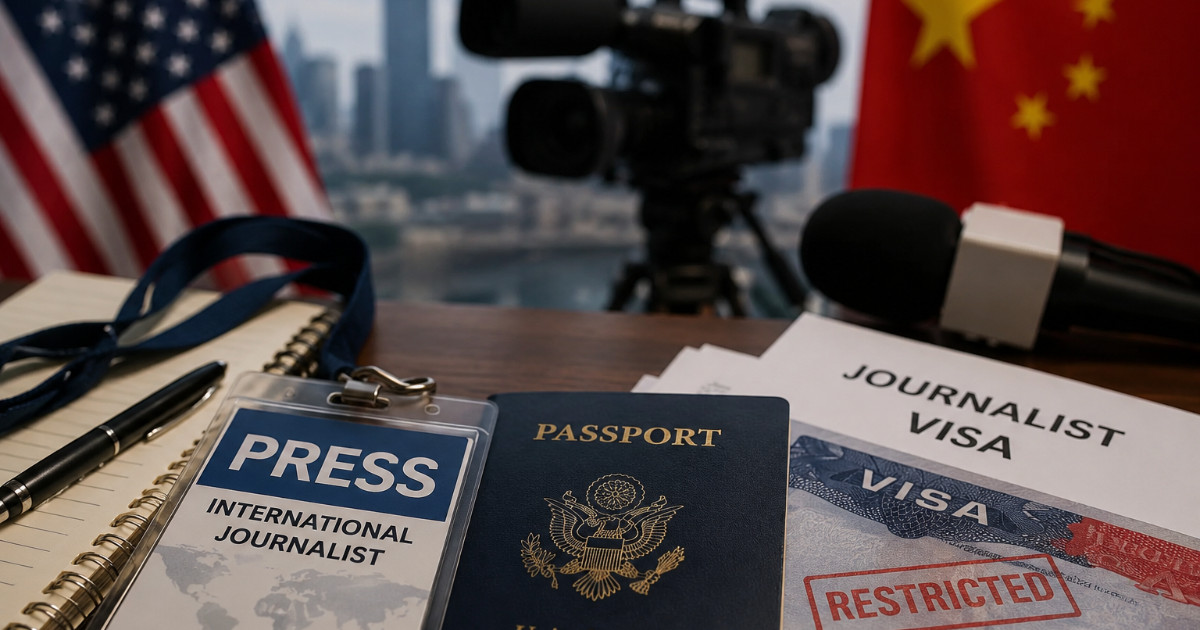
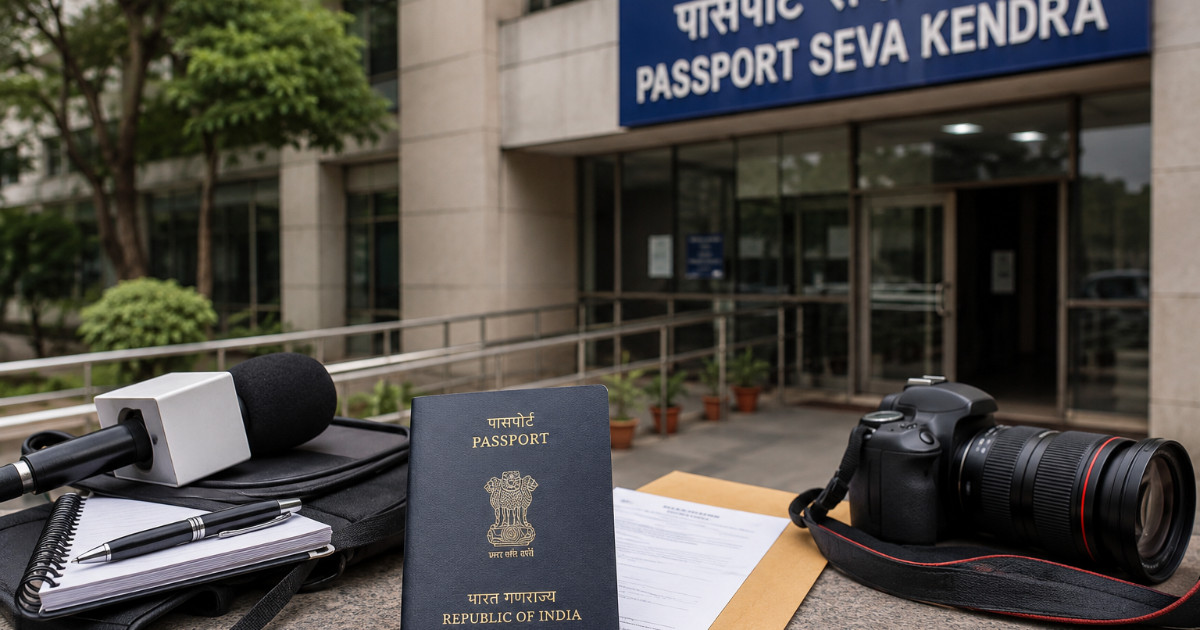
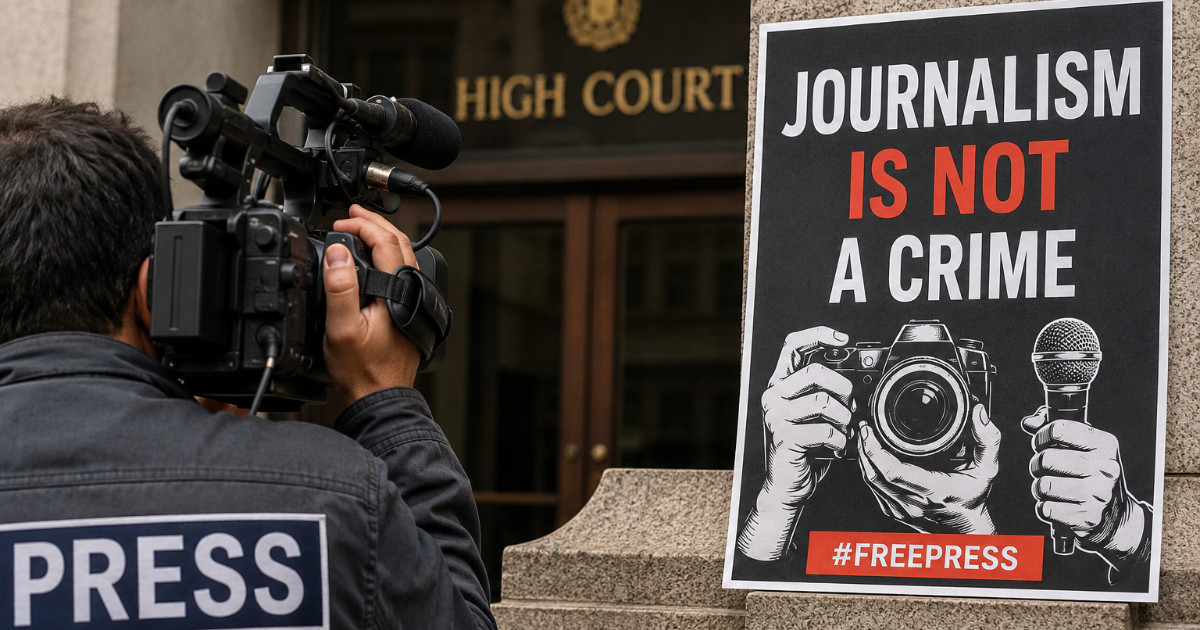
PHOTO: AI-generated; for illustrative purposes only
Key Points
- Nearly 60 international press freedom and human rights organisations have called on Thailand to halt the deportation.
- A UN independent expert has joined appeals urging that Bai be allowed to travel to a safe third country.
- Bai Zhaodong has been held in Bangkok immigration detention after being prevented from leaving Thailand.
- China has requested his extradition on charges including extortion and bribery.
- Press freedom groups say the charges are linked to Bai's investigative reporting into alleged official corruption.
Key Questions & Answers
Who is Bai Zhaodong?
Bai Zhaodong is a Chinese journalist known for investigative reporting, including coverage of alleged corruption involving officials.
Why are international groups urging Thailand to act?
Nearly 60 press freedom and human rights organisations and a UN expert warn Bai faces a serious risk of political persecution if returned to China and ask Thailand to allow him to travel to a safe third country.
What does China say about the case?
Chinese authorities say Bai is wanted on criminal allegations such as extortion and bribery and deny the case is politically motivated.
What do press freedom advocates claim?
Advocates argue the charges stem from Bai's reporting on alleged corruption and say his return could amount to political persecution.
Relevant Topics
Ask AI: Understand this story your way
AI EnabledDig deeper, ask anything — get instant context, background, and clarity.
Disclaimer: This feature is powered by AI and is intended to help readers explore and understand news stories more easily. While we strive for accuracy, AI-generated responses may occasionally be incomplete or reflect limitations in the underlying model. This feature does not represent the editorial views of JournalismPakistan. For our full, verified reporting, please refer to the original article.