.png)
UAE charges 20 over videos of Iranian missile strikes
JournalismPakistan.com | Published: 13 March 2026 | JP Middle East Desk
Join our WhatsApp channel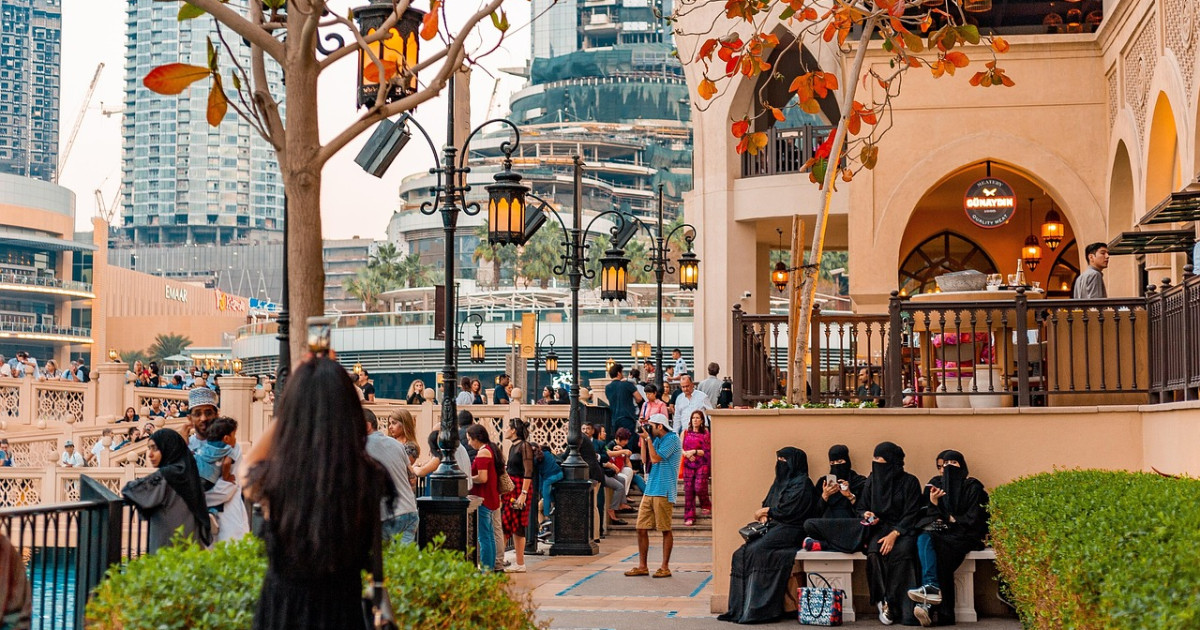
UAE authorities charged about 20 people, including a British tourist, under UAE's cybercrime laws for filming and sharing videos of Iranian missile strikes in Dubai. Observers say the broad digital-security rules could chill journalists and residents.Summary
DUBAI — Authorities in the United Arab Emirates have charged about 20 people, including a British tourist, for filming and sharing videos of Iranian missile strikes over Dubai, highlighting the legal risks of documenting security incidents in the Gulf state.
The charges were filed under the UAE’s strict cybercrime laws, which prohibit distributing content deemed harmful to national security, public order, or the country’s reputation. Officials allege the individuals used digital platforms to circulate videos and commentary related to the missile attacks that were widely shared on social media during the regional crisis.
The case has drawn attention from media advocates and legal observers who say the enforcement of broad digital-security provisions could affect journalists, citizen reporters, and ordinary residents documenting unfolding events.
Cybercrime laws and wartime information controls
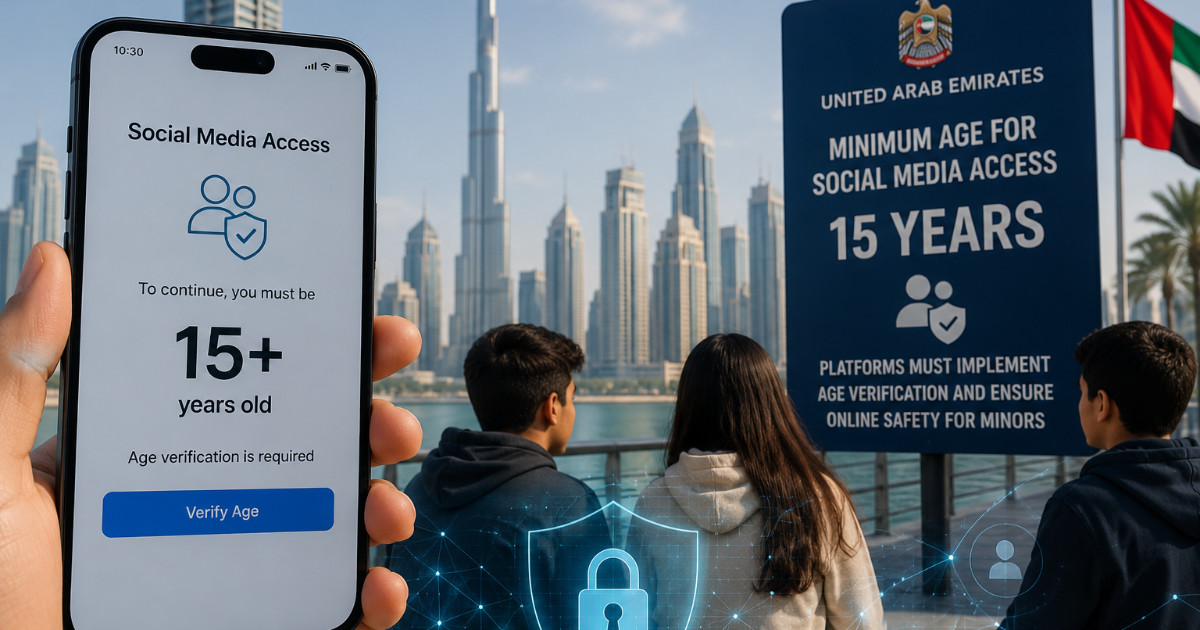
The United Arab Emirates has some of the region’s most stringent laws governing online content. Authorities have repeatedly warned residents and visitors that filming or sharing footage of missile strikes, drone incidents, or sensitive security locations can be treated as a criminal offense.
Officials argue that such restrictions are necessary to prevent public panic, stop the spread of misinformation, and protect national security during periods of military tension. Public advisories issued in early March warned that publishing images or videos of attack sites or circulating unverified information could lead to prosecution.
Penalties under the cybercrime framework can include fines of up to 200,000 dirhams (about $54,000), prison sentences of up to two years, and possible deportation for foreign nationals convicted of offenses linked to spreading misleading or harmful digital content.
Implications for journalists and eyewitness reporting
Media freedom advocates say the charges illustrate the difficult environment for journalists and eyewitnesses attempting to document breaking news in parts of the Middle East, particularly during military crises.
In situations where missile interceptions, explosions, or debris are visible in populated areas, residents and tourists often record footage using mobile phones and share it online in real time. However, under UAE law, even reposting or commenting on widely circulating content may be considered a violation if authorities determine it harms public security or spreads rumors.
Analysts say the situation creates a tension between real-time documentation of major events and governments’ efforts to control the flow of sensitive information during conflicts. The crackdown also comes amid regional tensions following missile and drone attacks linked to the ongoing confrontation involving Iran, Israel, and the U.S.
WHY THIS MATTERS: For Pakistani journalists and digital reporters, the case underscores the legal risks of documenting security incidents in countries with strict cybercrime laws. Many Pakistani media workers travel or work in Gulf states, where filming sensitive sites or sharing real-time footage during crises can lead to prosecution. Newsrooms covering the region should ensure reporters understand local digital-security regulations before publishing eyewitness material.
ATTRIBUTION: Based on reporting by The Guardian (March 12, 2026) and an official advisory issued by the UAE Attorney General reported by The National (March 6, 2026).
PHOTO: By Olga Ozik from Pixabay
Key Points
- UAE charged about 20 people, including a British tourist, for filming and sharing videos of Iranian missile strikes.
- Prosecutions were brought under the country's strict cybercrime laws targeting content seen as harmful to national security or public order.
- Officials contend restrictions are needed to prevent panic, curb misinformation and protect national security during tensions.
- Media advocates and legal observers warn that broadly worded digital-security provisions could affect journalists and citizen reporters.
- Public advisories warned that publishing images or unverified information about attack sites could lead to prosecution.
Key Questions & Answers
Who was charged?
About 20 people, including a British tourist, were charged for filming and sharing videos of the missile strikes.
Under what laws were the charges filed?
The charges were filed under the UAE's cybercrime laws, which prohibit distributing content deemed harmful to national security, public order or the country's reputation.
Why does the UAE restrict sharing such footage?
Authorities say restrictions prevent public panic, curb misinformation and help protect national security during periods of military tension.
Could journalists be affected?
Yes; media advocates say the broad digital-security provisions could chill reporting by journalists, citizen reporters and ordinary residents.
Relevant Topics
Ask AI: Understand this story your way
AI EnabledDig deeper, ask anything — get instant context, background, and clarity.
Disclaimer: This feature is powered by AI and is intended to help readers explore and understand news stories more easily. While we strive for accuracy, AI-generated responses may occasionally be incomplete or reflect limitations in the underlying model. This feature does not represent the editorial views of JournalismPakistan. For our full, verified reporting, please refer to the original article.