.png)
What is prior restraint in journalism and media law?
JournalismPakistan.com | Published: 19 July 2026 | JP Staff Report
Join our WhatsApp channel
Prior restraint denotes government measures that prevent publication or broadcast before material reaches the public. It examines why courts and regulators face hard choices between free expression, privacy and public order, especially in South Asia.Summary
ISLAMABAD — The debate over press freedom continues to intensify as governments around the world introduce new laws, issue court orders, or pressure media organizations over sensitive reporting. In recent years, journalists have faced increasing scrutiny over stories involving national security, elections, corruption, online misinformation, and public protests. In some cases, authorities have sought to prevent information from being published before it reaches the public, bringing renewed attention to the concept of prior restraint.
The issue has also gained relevance in South Asia, where discussions about digital regulation, national security, and online speech have become increasingly prominent. Courts, regulators, and governments are frequently asked to balance freedom of expression with concerns about public order, privacy, and security. Understanding prior restraint helps readers distinguish between restrictions imposed before publication and legal consequences that may follow after material has already been published.
Prior restraint is widely regarded as one of the most significant concepts in media law because it directly concerns whether information can be prevented from reaching the public in the first place.
What does prior restraint mean?
Prior restraint refers to government action that prohibits or restricts the publication or broadcast of information before it is made public. Unlike penalties imposed after publication, prior restraint attempts to stop speech or reporting before audiences can see, hear, or read it.
The restriction may come through court injunctions, executive orders, licensing requirements, regulatory directives, or other official measures that prevent media organizations, publishers, broadcasters, or individuals from distributing specific content.
In democratic legal systems, prior restraint is generally viewed as an extraordinary measure because it limits freedom of expression before any alleged harm has occurred. Courts in many countries have held that governments face a very high legal threshold before they can justify preventing publication.
This does not mean governments can never seek prior restraint. In limited circumstances, courts may consider temporary restrictions involving highly sensitive national security information, the identities of minors, ongoing criminal investigations, or classified intelligence. Even then, judges often require compelling evidence that publication would cause immediate and serious harm.
The concept differs from defamation lawsuits, criminal prosecutions, or regulatory fines that occur after publication. Those are considered subsequent penalties rather than prior restraint because the information has already entered the public domain.
Why it matters now
Prior restraint remains highly relevant as journalism increasingly moves onto digital platforms where information spreads within seconds. Governments seeking to control sensitive information may attempt to block publication before it appears online rather than respond afterward.
The growth of artificial intelligence, social media platforms, encrypted communications, and citizen journalism has further complicated the issue. Authorities may argue that rapid digital distribution increases the potential harm caused by false information or leaked documents, while journalists and press freedom advocates often contend that preventive censorship can suppress legitimate public-interest reporting.
The concept also intersects with broader debates over platform regulation and online speech. While governments have introduced laws aimed at addressing misinformation, hate speech, terrorism-related content, and election integrity, critics frequently examine whether enforcement mechanisms amount to prior restraint by preventing lawful expression before publication.
International press freedom organizations, including the Committee to Protect Journalists, Reporters Without Borders, and the International Press Institute, regularly monitor cases where authorities seek to block reporting through court orders, licensing decisions, or administrative restrictions rather than addressing concerns after publication.
For news organizations, prior restraint presents significant editorial and legal challenges. Editors may have to decide whether to challenge government orders in court, delay publication while legal proceedings continue, or modify reporting to comply with judicial rulings. These decisions can affect investigative journalism, public accountability, and the public's access to information.
Real-world examples
One of the best-known international examples comes from the United States during the publication of the Pentagon Papers in 1971. The U.S. government sought court orders preventing The New York Times and The Washington Post from publishing classified documents concerning the Vietnam War.
The dispute reached the U.S. Supreme Court in the landmark case New York Times Co. v. United States. The Court ruled that the government had failed to meet the heavy burden required to justify prior restraint, allowing publication to continue. The decision has since become one of the most frequently cited judicial precedents supporting press freedom and limiting government attempts to suppress publication in advance.
Another example can be found in various national security and privacy disputes in democratic countries, where courts have occasionally issued temporary injunctions preventing publication while legal arguments are considered. Such orders are typically subject to judicial review and may later be lifted if the legal standard for prior restraint is not met.
In Pakistan, discussions about prior restraint have arisen in cases involving restrictions on television broadcasts, media coverage of judicial proceedings, and regulatory directives issued by the Pakistan Electronic Media Regulatory Authority (PEMRA). Pakistani courts have also heard petitions involving broadcast restrictions and media coverage, reflecting the continuing tension between constitutional protections for freedom of expression and concerns relating to public order, national security, or the administration of justice.
The broader South Asian region has also witnessed debates over government directives affecting digital news platforms and online content. While the legal frameworks differ from country to country, the underlying question remains similar: under what circumstances, if any, should authorities prevent information from being published before the public has an opportunity to evaluate it?
Understanding prior restraint enables readers to better interpret media controversies involving court orders, government directives, and publication bans. As journalism continues to evolve across digital platforms and governments develop new regulatory approaches, recognizing the distinction between preventive censorship and post-publication accountability remains essential for understanding press freedom and the role of an independent media.
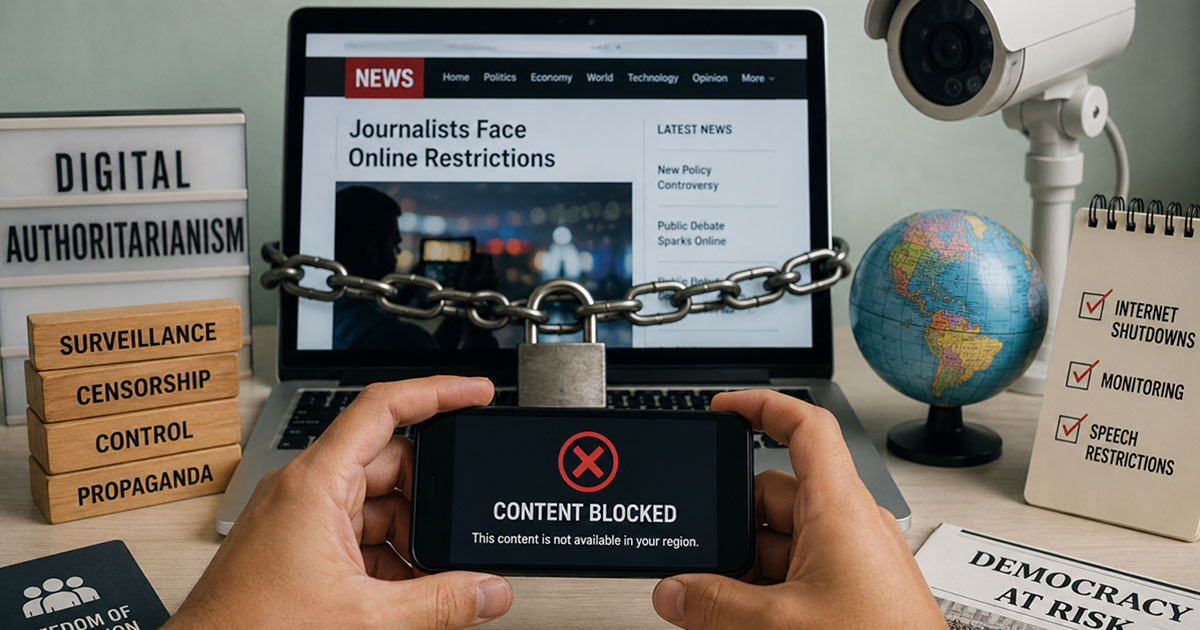
PHOTO: AI-generated; for illustrative purposes
Key Points
- Prior restraint prohibits publication or broadcast of information before it reaches the public.
- It can take the form of court injunctions, gag orders, licensing controls or government directives.
- Courts apply strict legal tests and often require a compelling state interest to justify prior restraint.
- Commonly cited exceptions include national security, incitement to violence, contempt and privacy protection.
- Digital regulation and national security debates have increased the relevance of prior restraint in South Asia.
Key Questions & Answers
What is prior restraint?
Prior restraint is any government action that seeks to stop information from being published or broadcast before it becomes public, such as injunctions or official bans.
How does prior restraint differ from penalties after publication?
Prior restraint prevents publication in advance; post-publication penalties punish or remedy speech after it has been published, such as fines or defamation judgments.
When can courts legally impose prior restraint?
Courts may allow prior restraint in limited cases where there is a compelling state interest-for example imminent harm, national security risks, or to prevent contempt of court-but standards are typically strict.
Why is prior restraint a concern for journalists?
It directly limits information reaching the public, can chill reporting, and may be used to shield officials from scrutiny, making it a central issue for press freedom and accountability.
Ask AI: Understand this story your way
AI EnabledDig deeper, ask anything — get instant context, background, and clarity.
Disclaimer: This feature is powered by AI and is intended to help readers explore and understand news stories more easily. While we strive for accuracy, AI-generated responses may occasionally be incomplete or reflect limitations in the underlying model. This feature does not represent the editorial views of JournalismPakistan. For our full, verified reporting, please refer to the original article.