.png)
Press freedom review: Global threats to journalism continue to mount
JournalismPakistan.com | Published: 12 July 2026 | JP News Desk
Join our WhatsApp channel
Press freedom is under growing strain globally, with reports of arrests, detentions and kidnappings of journalists and regulatory or legal action against media outlets. Layoffs and limits on information access are further weakening independent journalism.Summary
Editor’s note
This week's JournalismPakistan Press Freedom Tracker highlights the wide range of pressures confronting journalists and media organizations worldwide. Arrests and detentions continued in several countries, regulatory action against media outlets remained a concern, and newsroom layoffs underscored the growing economic challenges facing journalism. At the same time, restrictions on access to information, attacks on media organizations, and legal developments affecting press freedom demonstrated that the environment for independent journalism remains fragile across many regions.
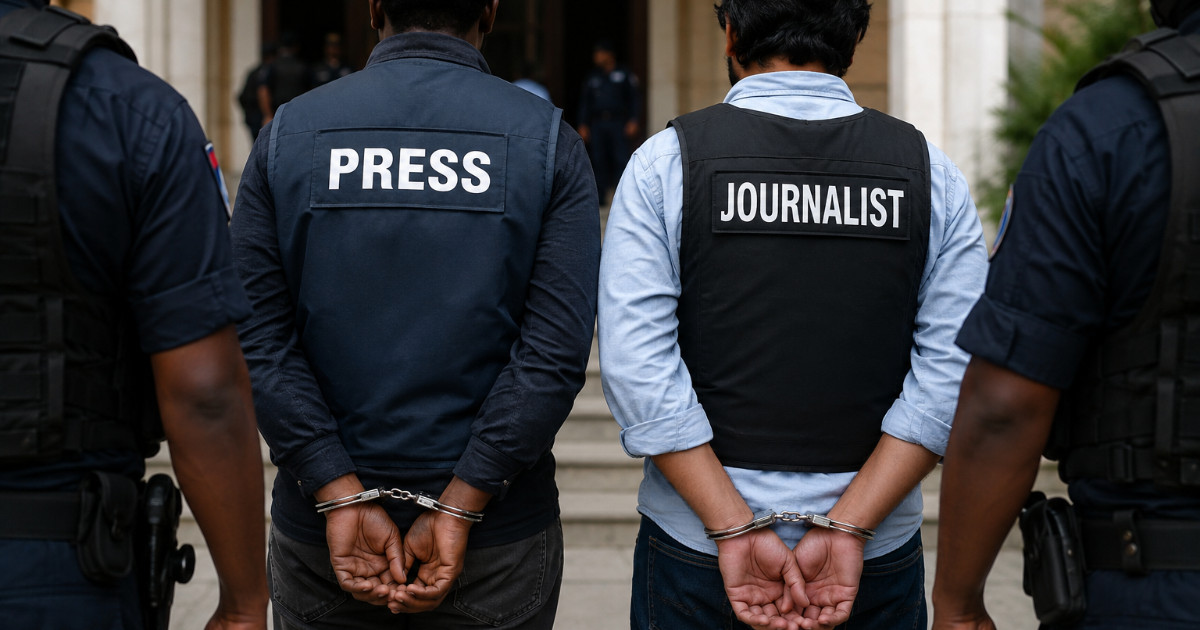
Arrests, detentions, and kidnappings
TURKEY — Turkish authorities detained more than 200 people, including journalists, and expanded bans on public demonstrations ahead of the NATO summit in Ankara, prompting renewed concern from press freedom and human rights organizations over restrictions on reporting and freedom of expression. (Reuters, July 5–6, 2026)
PAKISTAN — The Committee to Protect Journalists (CPJ) called for the immediate release of journalist Syed Farhad Ali Shah, who was detained without charge under the Maintenance of Public Order Ordinance after reporting on protests in Pakistan-administered Kashmir. CPJ said no FIR has been registered, and the journalist has not been produced before a court. (CPJ, July 8, 2026)
SOMALIA — The National Union of Somali Journalists (NUSOJ) condemned the arrest and continued detention of journalist Suways Ahmed by Puntland authorities, describing the detention as politically motivated and calling for her immediate release. Press freedom groups said she was arrested in Garowe on July 2 following critical reporting and remains in custody. (Horn Observer, July 11, 2026; NUSOJ, July 2026)
NIGERIA — Journalist Zainab Sodiq was released after being detained by the Department of State Services over drone equipment. IPI Nigeria welcomed her release and urged authorities to ensure journalists can report without intimidation. (The Sun Nigeria, July 11, 2026)
Legal and regulatory pressure
PAKISTAN — Podcast host and television anchor Rehan Tariq was placed on six days' physical remand after being charged under PECA and blasphemy-related provisions over a podcast episode. The allegations remain under investigation and have not been adjudicated by the courts. (Daily Pakistan, July 8, 2026)
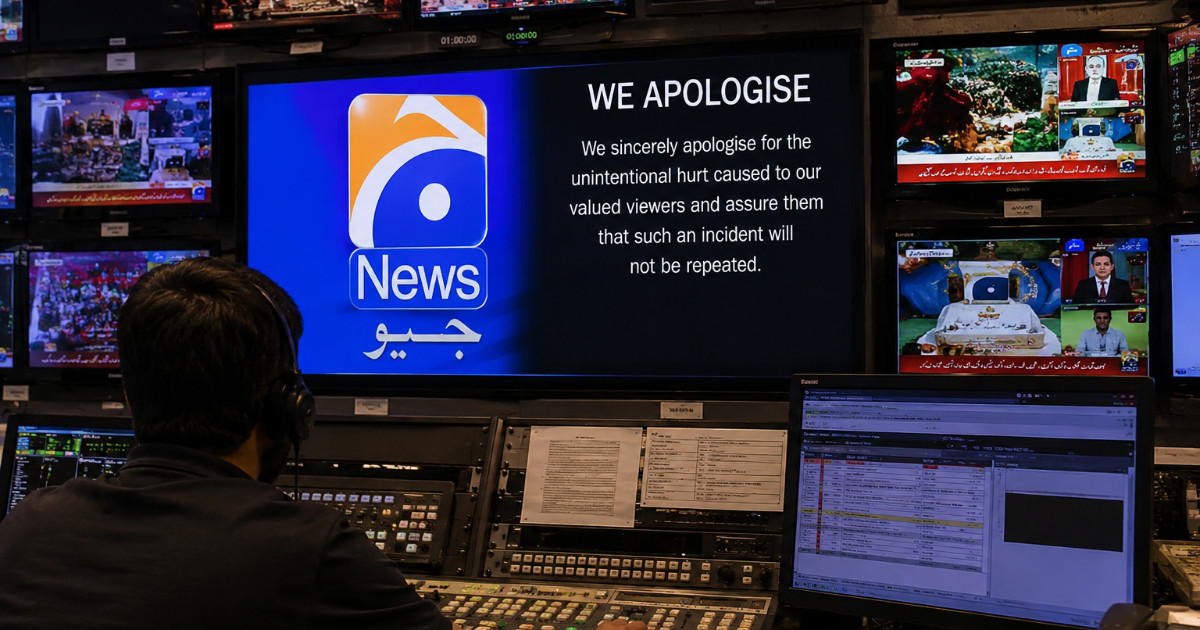
PAKISTAN — Geo News resumed broadcasting on July 12 after completing a 15-day suspension imposed by PEMRA over alleged religious visualization during a Muharram transmission. While restoring the channel's transmission, the regulator upheld its earlier decision, maintained a Rs10 million fine, and ordered the broadcaster to dismiss those held responsible for the program. PEMRA also directed all television channels to establish editorial monitoring committees and warned that future violations could result in stricter penalties, including license cancellation. The suspension had drawn criticism from the Committee to Protect Journalists, which had called for the broadcaster's license to be restored. (PEMRA, July 11, 2026)
Attacks, threats, harassment, and killings
ISRAEL — Reporters Without Borders (RSF) condemned the vandalism of the Haaretz offices in Tel Aviv after a masked man attacked the newspaper's premises, marking the second assault on an Israeli media outlet within days following a similar incident at Channel 12. In a July 9 post on X, RSF said the attacks were creating "a climate of fear" for journalists and called on Israeli authorities to protect media organizations and bring those responsible to justice. (RSF, July 9, 2026)
Economic pressure and media viability
PAKISTAN — Rohi TV's new management dismissed 36 employees, including reporters, anchors, editors, and technical staff. Press freedom advocates and journalist representatives called for their reinstatement, saying the layoffs deepen the economic pressures facing media workers. (JournalismPakistan reporting, July 2026)
Access to information and reporting restrictions
IRAN — International news organizations covering the funeral of Iran's late Supreme Leader faced significant reporting restrictions, relying on remote reporting, official sources, and extensive verification as access remained tightly controlled during one of the region's biggest political events. (Reuters, July 6, 2026)
PAKISTAN — The Press Association of Supreme Court said journalists covering Pakistan's apex court were prevented from setting up a temporary media workspace following the removal of the court's press room, alleging worsening restrictions on access and reporting conditions. (Press Association of Supreme Court letter, July 7, 2026)
Policy and court developments
ISRAEL — Israel's government formally rejected a Supreme Court ruling on appointments to the commercial television regulator, prompting warnings from journalists' organizations that the move could undermine the independence of broadcast oversight and increase political influence over major television channels, including Channel 13. Legal experts described the standoff as an unprecedented constitutional confrontation with implications for media independence. (Reuters, July 6, 2026)
SOUTH KOREA — A new law permitting punitive damages against news organizations and social media influencers found to have knowingly spread false information has taken effect, alongside faster content-removal obligations for major online platforms. Journalist groups and civil liberties advocates warned that the legislation could encourage self-censorship and excessive moderation. (AP, July 7, 2026)
PAKISTAN — A Karachi court sentenced Atif Zaman to two death penalties for the 2019 murders of television anchor Mureed Abbas and businessman Khizar Hayat. The court also issued permanent arrest warrants for absconding co-accused Adil Zaman. (Court information, July 9, 2026)
Press freedom review
This week's developments reflect a press freedom landscape shaped by multiple forms of pressure rather than a single dominant trend. Journalists continued to face detention in countries including Pakistan, Turkey, and Somalia, while regulatory measures remained a prominent concern through legal action against media figures and broadcasters. Economic instability also persisted, with newsroom layoffs highlighting the financial vulnerability of many media organizations. Meanwhile, attacks on media premises and growing restrictions on access to information illustrated the continuing challenges journalists face in carrying out their work safely and independently.
Global context
The reporting period reinforces a broader international pattern in which threats to press freedom increasingly extend beyond physical attacks. Governments continue to rely on legal mechanisms, regulatory sanctions, administrative restrictions, and access controls alongside traditional forms of repression. At the same time, economic pressures and newsroom downsizing remain significant risks to independent journalism, particularly in developing media markets. Together, these trends underscore the importance of sustained monitoring of both direct and indirect threats to media freedom worldwide.
For additional context, readers can review last week's Tracker.
SUGGESTED TAGS: Press Freedom Tracker, Press Freedom, Journalists, Media Freedom, Journalism, CPJ, Reporters Without Borders, NUSOJ, Pakistan, Turkey, Somalia, Nigeria, Israel, Iran, South Korea, PECA, PEMRA, Geo News, Rohi TV, Mureed Abbas, Media Regulation, Press Freedom Violations, Journalist Safety, Media Layoffs, Access to Information, Digital Rights
ATTRIBUTION: Compiled by JournalismPakistan
PHOTO: AI-generated; for illustrative purposes.
Key Points
- Arrests, detentions and kidnappings of journalists reported in multiple countries.
- Regulatory and legal pressure targets media outlets and limits reporting.
- Newsroom layoffs underline growing economic threats to journalism.
- Restrictions on access to information hinder independent reporting.
- Incidents highlighted in Turkey, Pakistan and Somalia.
Key Questions & Answers
What are the main threats to press freedom reported?
The tracker cites arrests, detentions and kidnappings of journalists, regulatory action against media outlets, attacks on organisations, and newsroom layoffs.
Which countries are mentioned?
Recent examples include Turkey, Pakistan and Somalia, where authorities have detained journalists or restricted reporting.
How do economic pressures affect journalism?
Layoffs and financial strain weaken newsrooms, reduce reporting capacity and make independent journalism more vulnerable.
Who raises concerns about these actions?
Press freedom and human rights organisations, including unions and groups like the Committee to Protect Journalists, have highlighted and condemned these measures.
Relevant Topics
Ask AI: Understand this story your way
AI EnabledDig deeper, ask anything — get instant context, background, and clarity.
Disclaimer: This feature is powered by AI and is intended to help readers explore and understand news stories more easily. While we strive for accuracy, AI-generated responses may occasionally be incomplete or reflect limitations in the underlying model. This feature does not represent the editorial views of JournalismPakistan. For our full, verified reporting, please refer to the original article.