.jpg)
US tightens visa rules for foreign journalists
JournalismPakistan.com | Published: 17 July 2026 | JP Global Monitoring
Join our WhatsApp channel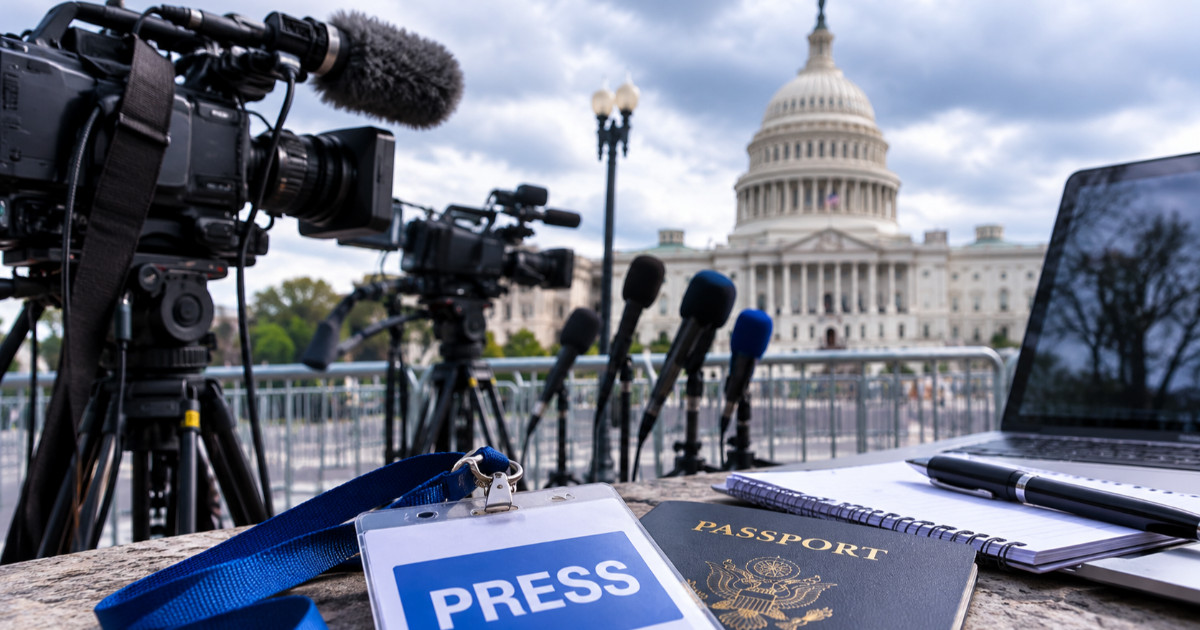
Washington's final rule limits most foreign correspondents to stays of up to 240 days and generally restricts Chinese nationals to 90 days, replaces the decades-old 'duration of status' system, increases vetting for applications and renewals, and takes effect 60 days after publication.Summary
WASHINGTON — The Committee to Protect Journalists (CPJ) has condemned the Trump administration's decision to impose new restrictions on visas for foreign correspondents, warning that the policy could undermine press freedom by allowing immigration authorities to scrutinize journalists' reporting as part of the visa process.
CPJ said the new rules replace a decades-old framework that allowed international media representatives to remain in the United States for the duration of their assignments without fixed time limits. The organization described the move as another escalation in what it says is a pattern of measures affecting press freedom under the current administration.
New limits for foreign correspondents
A public inspection version of the final rule became available on July 16 and is scheduled for publication in the Federal Register on July 17. The rule will take effect 60 days after publication. According to the Department of Homeland Security (DHS), more than 37,000 admissions were recorded under the non-immigrant I visa category for foreign media representatives during fiscal year 2024.
Under the new policy, most foreign journalists will be limited to stays of up to 240 days, while Chinese nationals will generally be restricted to 90 days. The rule also introduces additional scrutiny during both initial visa applications and renewals, replacing the "duration of status" system that had been in place since 1985.
CPJ urges reversal
Jose Zamora, CPJ's regional director for the Americas, said the restrictions would allow authorities to deny access based on their assessment of a journalist's reporting, a development the organization said was inconsistent with democratic commitments to press freedom.
The DHS first proposed the changes in 2025 as part of a broader overhaul affecting student, exchange visitor, and media visas. CPJ said it joined other organizations in submitting public comments opposing the proposal and has urged Congress to ensure that visa decisions are not influenced by the content of a journalist's work. It also called on the administration to rescind the policy.
WHY THIS MATTERS: The United States has long been a major base for international news organizations covering global affairs. Tighter visa controls could make it more difficult for foreign correspondents to maintain long-term reporting operations and may encourage other governments to adopt similar restrictions on international media.
ATTRIBUTION: Reporting by JournalismPakistan, based on publicly available statements by the Committee to Protect Journalists issued on July 16, 2026.
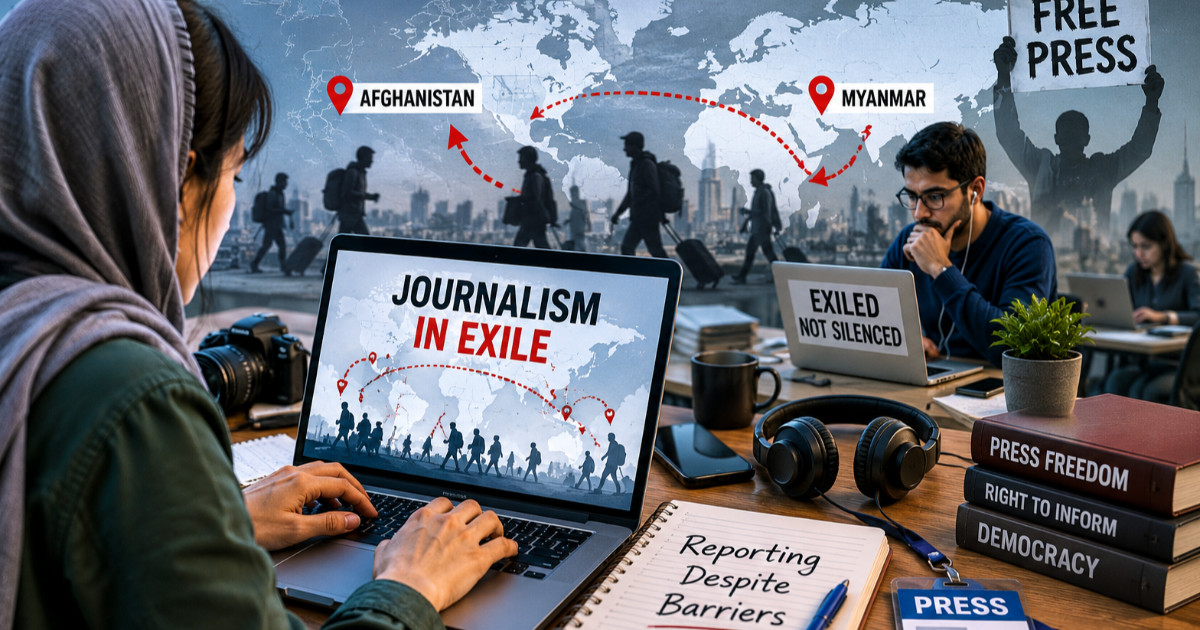
PHOTO: AI-generated; for illustrative purposes only.
Key Points
- Final rule replaces the long-standing "duration of status" system with fixed time limits for foreign correspondents.
- Most journalists will be limited to stays of up to 240 days; Chinese nationals generally to 90 days.
- Rule introduces increased scrutiny at initial visa applications and at renewals.
- Public inspection posted July 16 with publication scheduled; rule takes effect 60 days after Federal Register publication.
- CPJ condemned the change as a threat to press freedom; DHS recorded over 37,000 admissions under the I visa in FY2024.
Key Questions & Answers
What does the new rule change?
The rule ends the "duration of status" framework and sets fixed stay limits for foreign correspondents while adding greater vetting at visa application and renewal.
Who is affected by the restrictions?
Foreign media representatives entering on the I visa are affected; most will face a 240-day limit while Chinese nationals are generally limited to 90 days.
When will the rule take effect?
The final rule is scheduled for Federal Register publication and will take effect 60 days after that publication date.
Why has the Committee to Protect Journalists (CPJ) criticized the rule?
CPJ says the restrictions and added scrutiny could allow immigration authorities to review reporting and access, undermining press freedom and independent journalism.
Relevant Topics
Ask AI: Understand this story your way
AI EnabledDig deeper, ask anything — get instant context, background, and clarity.
Disclaimer: This feature is powered by AI and is intended to help readers explore and understand news stories more easily. While we strive for accuracy, AI-generated responses may occasionally be incomplete or reflect limitations in the underlying model. This feature does not represent the editorial views of JournalismPakistan. For our full, verified reporting, please refer to the original article.