
Between the bench and the bullet: Pakistan's court reporters face growing risks
JournalismPakistan.com | Published: 3 July 2026 | Muhammad Faizan Aslam Khan
Join our WhatsApp channel
Reporters covering Pakistan's courts say their work has become riskier as political cases dominate dockets and legal changes to PECA increase uncertainty and restrict access. Journalists warn ordinary litigants' cases are often overlooked.Summary
ISLAMABAD — For generations, court reporters have occupied a unique place in journalism. They serve as the public's eyes and ears inside courtrooms, documenting legal proceedings that shape politics, governance, and the rights of ordinary citizens.
Today, many journalists covering Pakistan's courts believe that role has become considerably more challenging.
"Court reporting has always required caution," says Zeeshan Syed, a court reporter with Neo News who has covered the Islamabad courts for a decade. "But after the latest amendments to the Prevention of Electronic Crimes Act (PECA), practicing journalism has become far more difficult."
His concerns are echoed by fellow reporters who describe a profession transformed by political polarization, legal uncertainty, and increasing restrictions on access to information.
Hashir Waraich, a court reporter for Channel 24 in Islamabad, says the nature of court reporting has changed significantly over the past few years.
"Court reporting was never easy," he says, "but it has never been this restricted."
According to Waraich, political litigation now dominates court proceedings and media coverage, while cases involving ordinary citizens often remain pending for years with little public attention.
"The judiciary itself appears increasingly aware of media scrutiny," he says. "Remarks and verdicts in high-profile political cases quickly become breaking news and trend on social media, while justice for ordinary litigants remains largely invisible."
Growing restrictions inside courtrooms
Reporters say access to courts has become more tightly controlled, making it increasingly difficult to gather information and report accurately.
In 2025, the Islamabad High Court prohibited journalists and visitors from recording videos or taking photographs inside court premises, reinforcing restrictions that many reporters say have narrowed their ability to document proceedings.
Journalists also point to changes in the Islamabad High Court's Practice and Procedure Rules that have reduced public access to court documents.
While written orders remain available in district courts, reporters say interim orders and day-to-day hearing orders in the Islamabad High Court are no longer routinely uploaded to the court's website, limiting the availability of official records that traditionally formed the backbone of court reporting.
"The written order is often the most important document for a court reporter," Waraich explains. "Without timely access to these documents, it becomes much harder to verify proceedings and report accurately."
Access restrictions have also extended to some high-profile hearings. During proceedings involving former Prime Minister Imran Khan, journalists without special entry passes issued by court authorities were denied access to the courtroom, according to Waraich.
Although he says he has not personally been instructed to suppress coverage, he believes tighter access controls have complicated journalists' work.
The fear of legal consequences
For many court reporters, the greatest concern is no longer simply obtaining information; it is the potential consequences of publishing it.
Syed says reporters covering sensitive judicial proceedings often weigh the possibility of contempt of court proceedings alongside cybercrime investigations.
"The fear of contempt can sometimes outweigh even the fear of cybercrime cases," he says.
He also expresses concern over reports that information from politically sensitive cases occasionally appears on anonymous social media accounts before or immediately after official court announcements, creating confusion about the flow of judicial information. While these claims remain difficult to verify independently, they contribute to growing unease among reporters covering high-profile litigation.
Many journalists interviewed for this story say the cumulative effect of legal uncertainty, restricted access, and political sensitivity has fundamentally altered how court reporting is practiced in Pakistan.
Instead of focusing solely on accurately conveying court proceedings, they say they increasingly find themselves assessing legal risks before filing stories.
For a profession built on transparency and public accountability, reporters argue that such caution inevitably affects how justice is reported, and how it is understood by the public.
Violence on the beat
For court reporters, legal pressure is only one part of the challenge. Many also face the risk of physical violence while covering proceedings involving politically sensitive cases, high-profile criminal trials, or confrontations outside courtrooms.
Senior journalist Aoun Raza of ABN News, who has reported extensively from the Islamabad High Court, district and sessions courts, anti-terrorism courts, accountability courts, and special tribunals, describes court reporting as one of the country's most hazardous journalistic assignments.
"Throughout my career, I have faced threats, pressure, and extremely dangerous situations," he says.
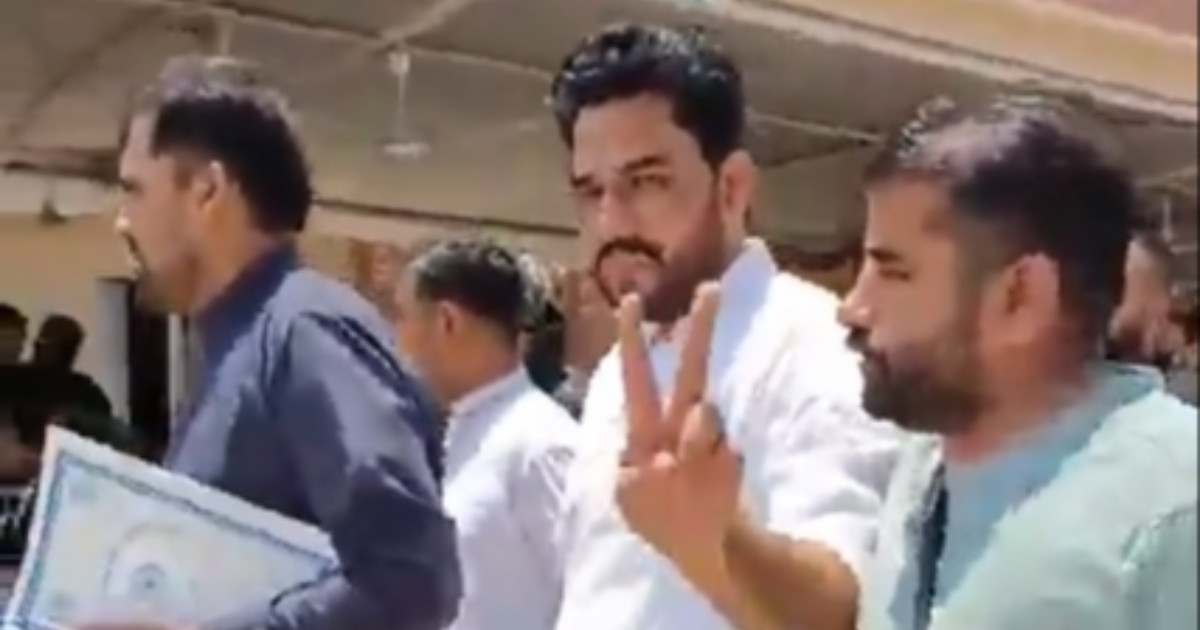
One of the most widely reported incidents occurred on February 1, 2023, when former Prime Minister Imran Khan appeared before the Islamabad High Court. During the hectic coverage, several journalists, including court reporters Saqib Bashir and Zeeshan Syed, were allegedly assaulted by Islamabad Police.
The incident triggered widespread condemnation from journalist organizations and bar councils. The Islamabad inspector general suspended the station house officer of Shalimar Police Station, while Islamabad High Court Chief Justice Aamer Farooq summoned the chief commissioner and inspector general of police to explain the incident. The federal information minister also issued a public apology.
For Raza, however, the dangers have not been limited to clashes involving law enforcement.
He recalls being attacked by associates of a former senior police officer while covering a high-profile murder case at Islamabad's district courts.
"It was an extremely difficult and dangerous situation," he says. "Instead of panicking, I focused on ensuring my safety and immediately sought help from fellow journalists and the security personnel present."
Another incident occurred in April 2024, when Raza says he was assaulted by associates of an accused during court proceedings in another murder case involving a former police officer. Lawyers, police personnel, and fellow journalists intervened and rescued him.
Although he sought legal action after the attack, the dispute was later resolved after the accused apologized through his organization's management.
"Even after this incident, I did not step back from my responsibilities," Raza says. "I simply became more cautious because bringing the truth to light remains journalism's greatest responsibility."
A climate shaped by PECA
While journalists in Pakistan have long worked under political and legal pressure, many court reporters believe the 2025 amendments to the Prevention of Electronic Crimes Act (PECA) have significantly heightened the risks associated with their work.
Passed in January 2025, the amendments introduced new provisions criminalizing the deliberate dissemination of false information online, expanded the government's regulatory authority over digital platforms, and created new bodies to oversee online content.
Media organizations, journalists, and rights groups have criticized the amendments, arguing that vague definitions and expanded enforcement powers could discourage legitimate reporting and restrict freedom of expression.
Syed, who has personally faced legal action under PECA, says the law has intensified an already difficult working environment.
"Journalists have been under pressure since PECA was introduced in 2016," he says. "But after the latest amendments, practicing journalism has become far more difficult."
He believes the law has created an atmosphere in which journalists increasingly worry that reporting on sensitive issues could result in investigations or legal proceedings.
Numbers that concern journalists
Even before the 2025 amendments, PECA had been invoked in cases involving journalists.
According to data compiled by the Pakistan Press Foundation, approximately 36 cases were registered against around 30 journalists under PECA during 2024. Following the 2025 amendments, the organization reported a further increase in legal proceedings, including more than 60 PECA-related cases against journalists in Punjab during the early months of the year, alongside several arrests and investigations linked to online speech.
While no official data isolates cases involving court reporters specifically, journalists say the overall trend has reinforced concerns that legal action can follow reporting on politically sensitive matters.
The figures, they argue, have contributed to a growing sense of caution within newsrooms as well as among individual reporters covering the judiciary.
Newsroom caution
Beyond legal challenges, several journalists interviewed for this story say editorial decisions inside media organizations have also become more conservative.
Hussain Chaudhry, a senior court reporter and former president of the Islamabad High Court Journalists Association, says internal censorship has become an increasingly significant obstacle.
"Many stories never reach the public because they are censored internally," he says. "Reporters are discouraged from pursuing sensitive court matters even when the information is accurate and verifiable."
According to Chaudhry, coverage of court proceedings has declined substantially in recent years as editors weigh legal, political, and commercial considerations before deciding whether to publish or broadcast sensitive stories.
The result, he says, is that many developments inside courtrooms receive far less public attention than they once did, despite their significance for governance, accountability, and the rule of law.
Seeking protection and accountability
Journalists covering Pakistan's courts say improving their safety will require more than legal reforms. They argue that meaningful protection depends on stronger institutional support, greater transparency, and consistent enforcement of laws designed to safeguard media workers.
Chaudhry says the Islamabad High Court Journalists Association filed a petition in 2021 seeking stronger legal protections for journalists and the effective implementation of the Journalist Protection Act.
Among its demands were the establishment of an independent commission to address threats against journalists and legal safeguards to protect freedom of expression.
Although the government later constituted the Commission for the Protection of Journalists and Media Professionals under the 2021 law, many reporters remain unconvinced that it has delivered meaningful results.
A notification issued in November 2025 announced a 12-member commission comprising representatives from the Ministries of Information and Human Rights, among other officials. However, journalists interviewed for this story questioned the body's effectiveness, citing limited transparency and uncertainty about its mandate.
Chaudhry believes greater engagement between state institutions and the media is essential.
"We need dialogue, training, and collective advocacy," he says. "Only then can journalists perform their duties without constantly worrying about their safety or legal consequences."
Press freedom under scrutiny
Pakistan continues to face criticism from international media freedom organizations over the environment in which journalists operate.
In the 2025 World Press Freedom Index published by Reporters Without Borders (RSF), Pakistan ranked 158th out of 180 countries, reflecting longstanding concerns about censorship, violence against journalists, legal pressures, and restrictions on independent reporting.
Former Islamabad High Court Bar Association President Riasat Ali Azad says a free press remains essential to a functioning democracy.
"Freedom of expression is a constitutional right," he says. "But in practice, journalists continue to face legal cases, censorship, harassment, and economic insecurity."
He argues that an independent media is indispensable to ensuring judicial accountability and public confidence in the justice system.
The battle over courtroom reporting
Court reporting itself has become the subject of legal disputes.
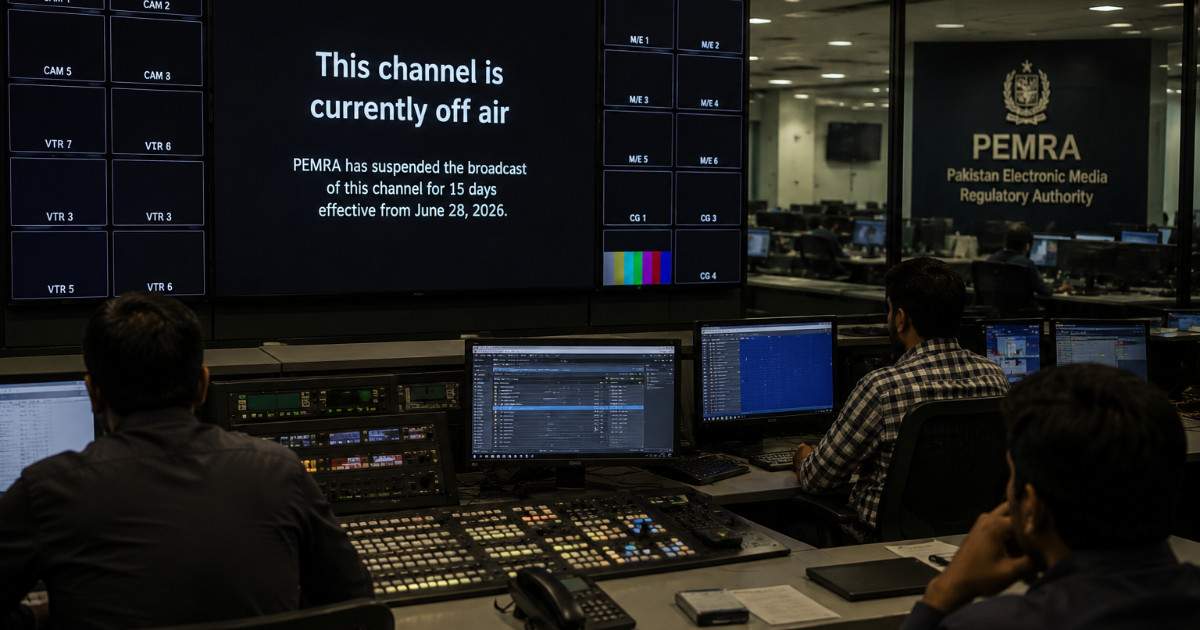
In May 2024, the Pakistan Electronic Media Regulatory Authority (PEMRA) directed television channels to report only final court decisions, restricting the broadcast of judges' observations made during hearings.
The directive prompted court reporters in Karachi to challenge the restrictions before the Sindh High Court.
The court subsequently suspended the implementation of the disputed clauses, allowing journalists to continue reporting routine court proceedings while the matter remained under judicial consideration.
During the hearings, however, the chief justice of the Sindh High Court emphasized that journalists also bear a responsibility to report judicial proceedings accurately and avoid presenting judges' remarks in a misleading context.
For court reporters, the case underscored the continuing tension between judicial transparency and concerns over how court proceedings are portrayed in the media.
Reporting under threat
The risks associated with court reporting are not confined to Islamabad.
On May 29, 2025, Muhammad Hanif Bazai, a reporter with Neo News in Quetta, was covering a lawyers' strike at the district court complex when he interviewed a woman who criticized the protest, saying repeated adjournments had delayed her son's case and forced her to travel long distances at considerable personal expense.
Bazai says several lawyers confronted the woman during the interview before turning their attention toward him. He alleges that one lawyer threatened and attempted to assault him while he was reporting from the scene.
Other lawyers intervened and prevented the situation from escalating.
The incident was later reported to the Balochistan Union of Journalists, which responded by boycotting coverage of lawyers' activities for several months. According to Bazai, the dispute was eventually resolved after representatives of the legal community visited the Quetta Press Club, apologized, and assured journalists that similar incidents would not recur.
While Bazai praised journalist organizations for supporting him, he says some bar representatives were initially reluctant to acknowledge the incident before later engaging in dialogue.
A profession under pressure
For Pakistan's court reporters, the challenge extends beyond covering legal proceedings. It involves navigating a landscape shaped by political polarization, evolving media regulations, security concerns, and growing caution within newsrooms.
Despite those pressures, the journalists interviewed for this story say they remain committed to reporting from the courts because judicial proceedings directly affect citizens' rights, government accountability, and the rule of law.
Their experiences suggest that the future of court reporting will depend not only on journalists' resilience but also on the willingness of state institutions, the judiciary, media organizations, and civil society to uphold the principles of transparency and press freedom.
As Pakistan's legal and political landscape continues to evolve, court reporters remain on the front line of documenting justice—often working between the bench and the bullet.
ABOUT THE WRITER: Muhammad Faizan Aslam Khan has been a journalist since 2021, covering politics, human rights, the judiciary, and climate change.
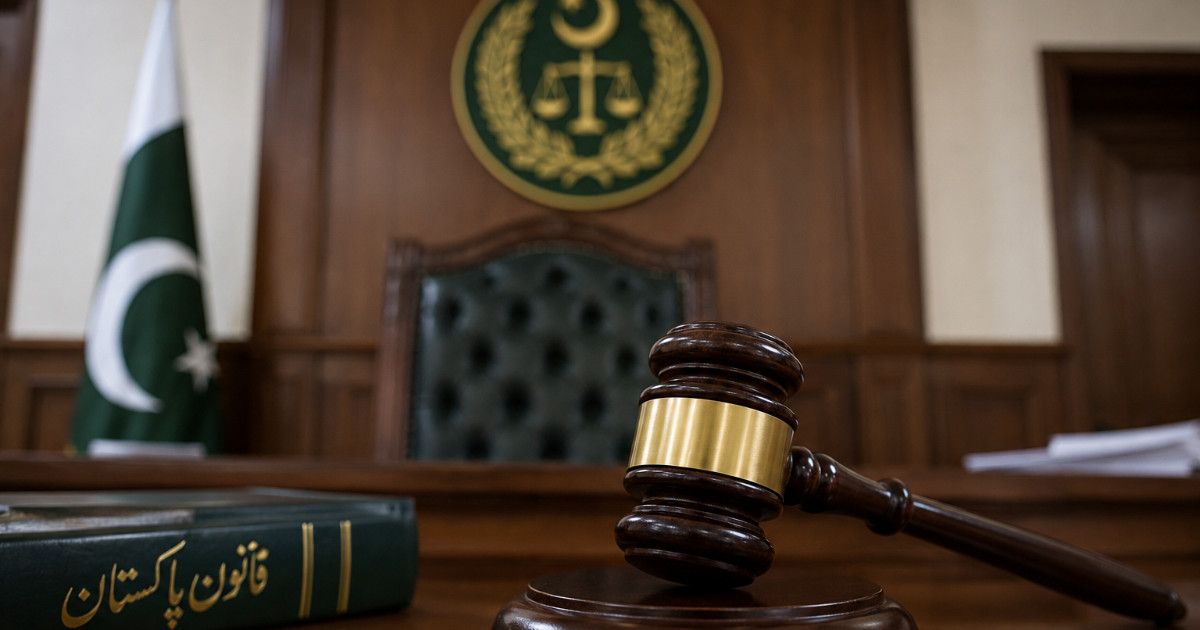
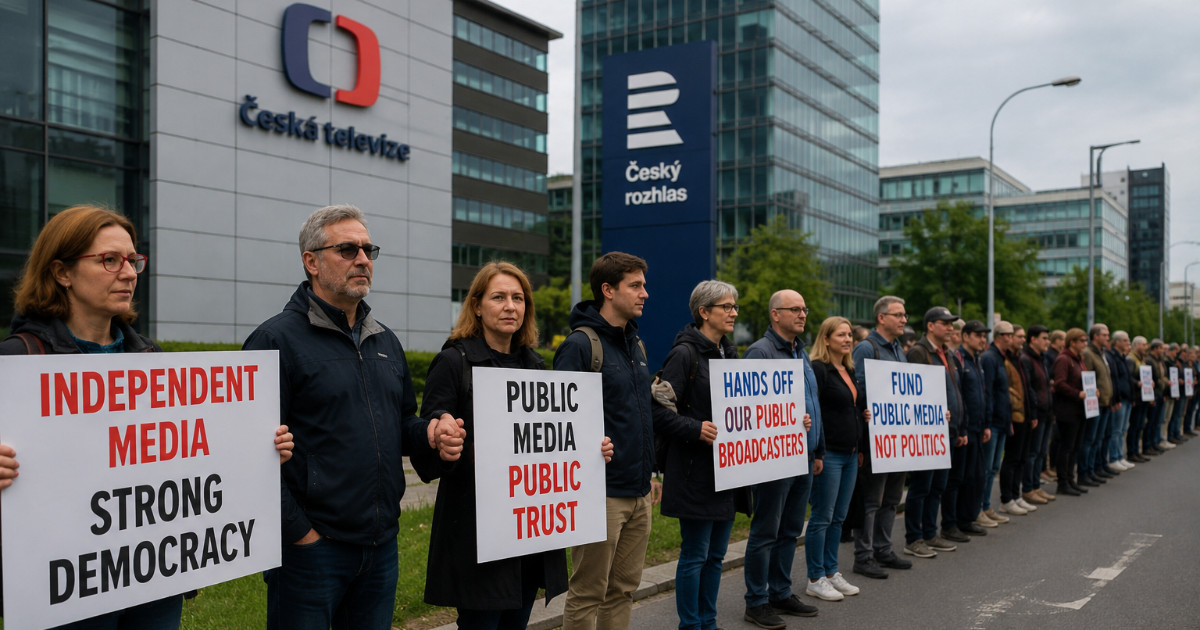
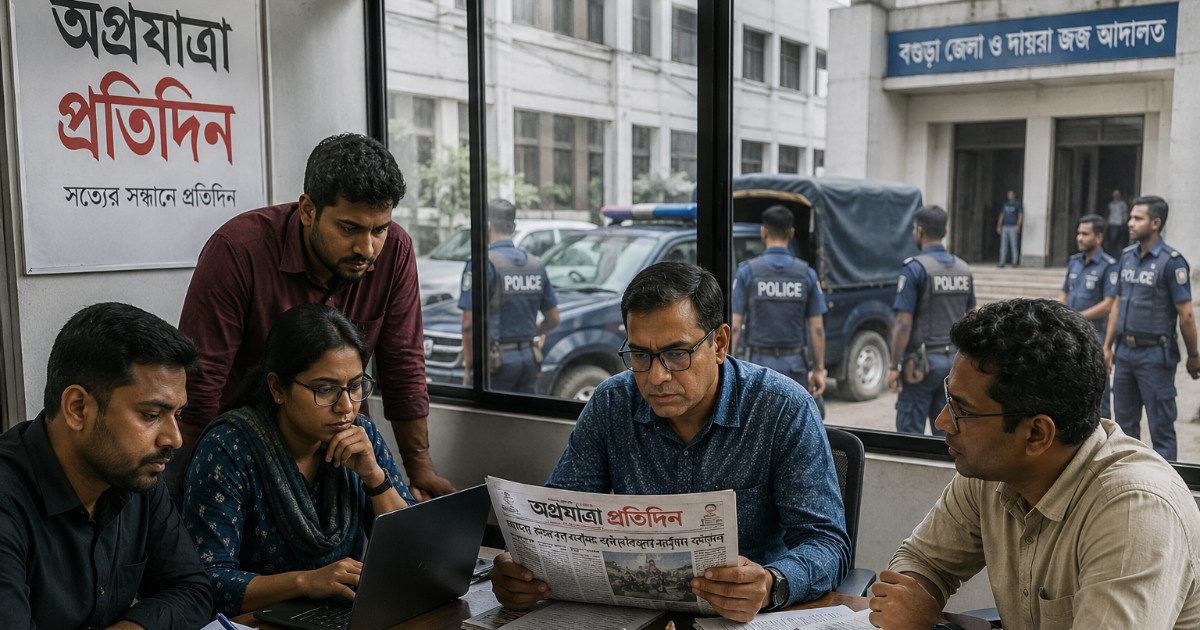
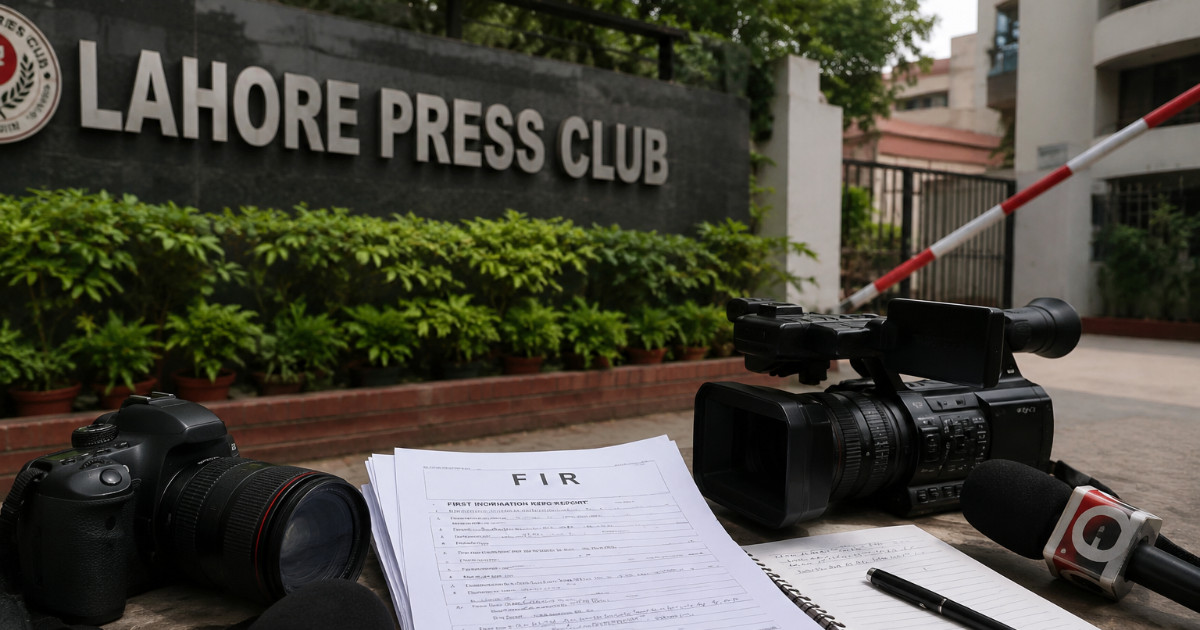
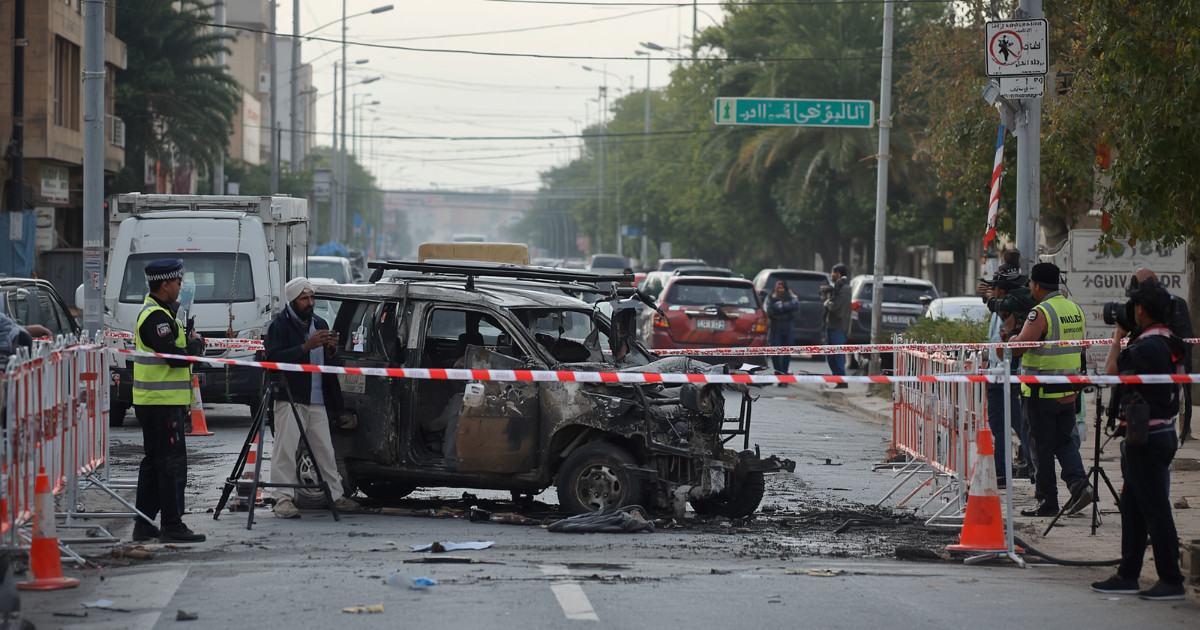
PHOTO: AI-generated; for illustrative purposes only
Key Points
- Court reporters act as the public's eyes inside courtrooms but face growing obstacles.
- Amendments to PECA and other legal uncertainties complicate reporting on trials.
- Political litigation now dominates media coverage, sidelining ordinary litigants.
- Restrictions on access and rising polarization increase risks for journalists.
- Reporters report heightened scrutiny of high-profile cases and reduced transparency overall.
Key Questions & Answers
Why are court reporters in Pakistan feeling more at risk?
Reporters say increasing political polarization, legal uncertainty and tighter laws have limited access to courts and made reporting more legally and physically risky.
How have changes to PECA affected court reporting?
Amendments to PECA are seen by many reporters as increasing legal ambiguity and potential liability, which discourages open coverage and leads to self-censorship.
Are ordinary citizens' court cases getting less attention?
Yes. Journalists say political cases get the bulk of coverage and social attention, while civil and lower-profile criminal cases often remain neglected.
What safeguards exist for court reporters?
Safeguards include newsroom legal support, press freedom bodies and professional associations, but reporters say these measures are often insufficient against new legal and political pressures.
Relevant Topics
Ask AI: Understand this story your way
AI EnabledDig deeper, ask anything — get instant context, background, and clarity.
Disclaimer: This feature is powered by AI and is intended to help readers explore and understand news stories more easily. While we strive for accuracy, AI-generated responses may occasionally be incomplete or reflect limitations in the underlying model. This feature does not represent the editorial views of JournalismPakistan. For our full, verified reporting, please refer to the original article.