
JP analysis: Legal pressure on journalists grows worldwide
JournalismPakistan.com | Published: 19 July 2026 | JP Staff Report
Join our WhatsApp channel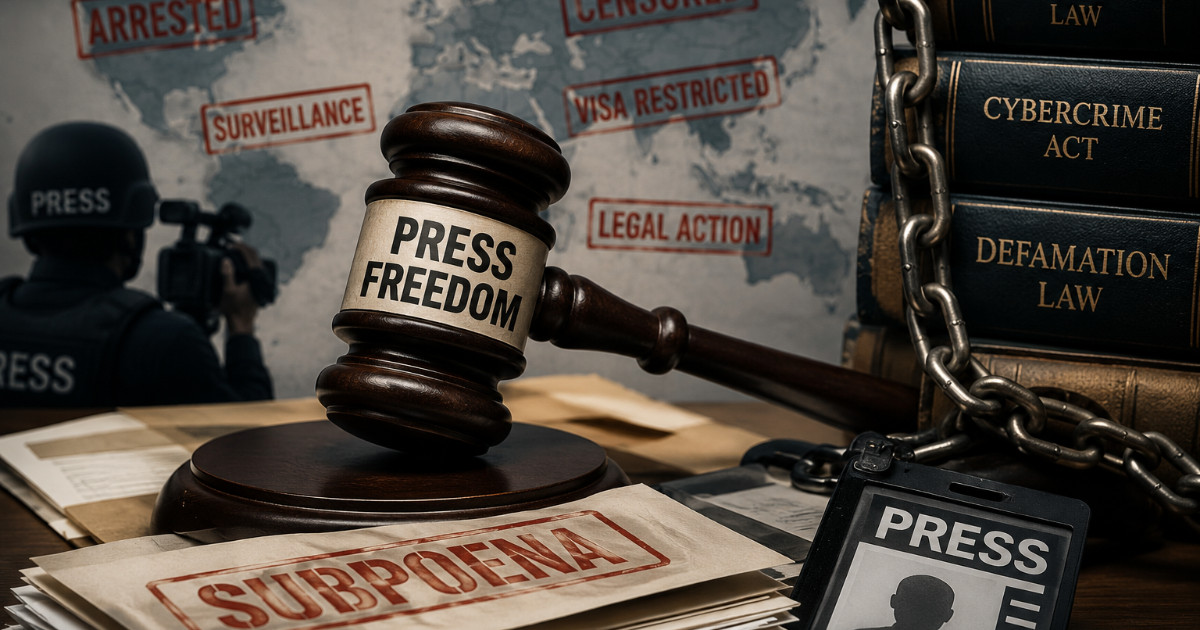
JournalismPakistan's Press Freedom Tracker shows governments worldwide increasingly using courts, surveillance, visa restrictions and regulations to pressure journalists. US grand jury subpoenas to New York Times reporters illustrate a shift toward legal and administrative tactics.Summary
This analysis is based on incidents documented in JournalismPakistan's weekly Press Freedom Tracker published on July 19, 2026.
ISLAMABAD — Governments around the world are increasingly relying on legal action, regulatory powers, surveillance, visa restrictions, and prolonged court proceedings, not just arrests and censorship, to pressure journalists, according to a JournalismPakistan analysis of major press freedom developments documented over the past week.
While arrests and physical attacks remain serious threats to journalists, a growing number of governments are increasingly relying on courts, surveillance powers, visa restrictions, regulatory action, and defamation laws to shape the media environment, according to JournalismPakistan's latest Press Freedom Tracker.
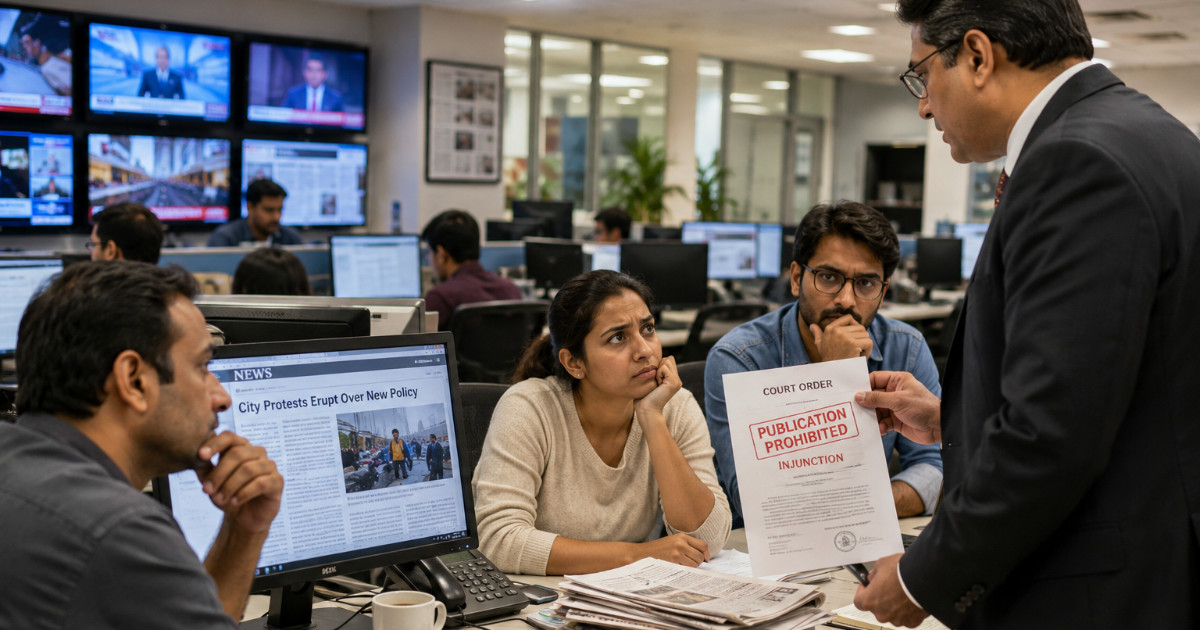
The weekly review, covering developments from around the world, suggests that many of today's threats to independent journalism are becoming less overt but no less consequential. Rather than shutting down media organizations outright, authorities are increasingly turning to legal mechanisms that can prolong investigations, burden news organizations with costly litigation, discourage confidential sources, or restrict reporters' ability to work freely.
Legal pressure replaces traditional tactics
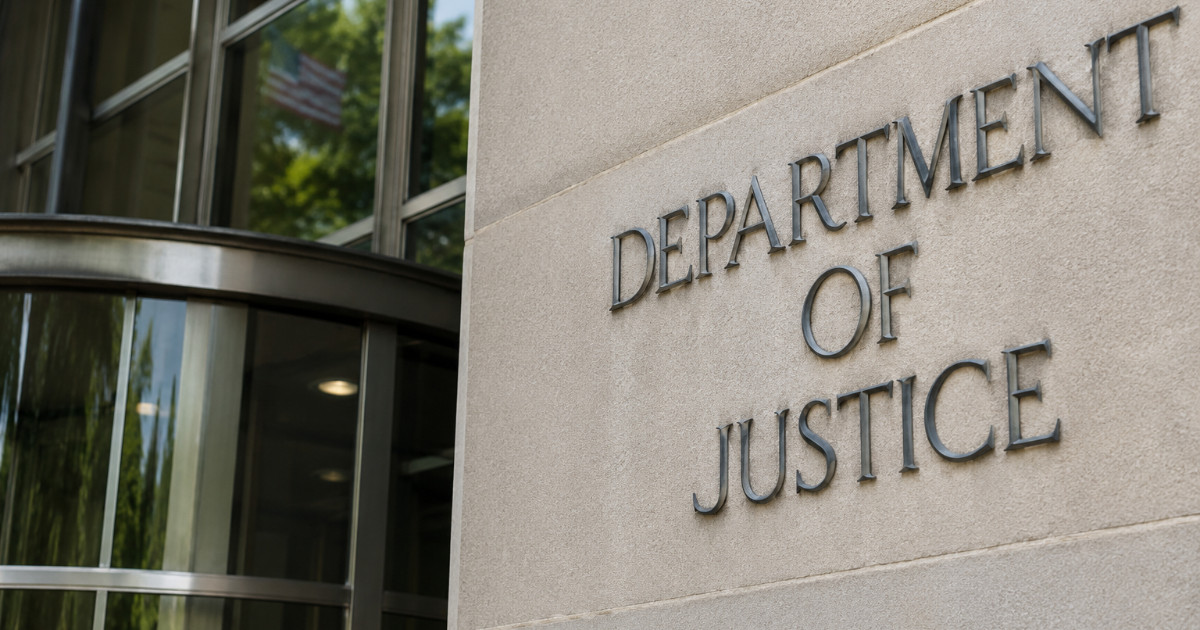
One of the most closely watched developments came from the United States, where the Justice Department issued grand jury subpoenas to four New York Times reporters as part of a classified leak investigation. Press freedom advocates warned the move could undermine source protection, even as officials insisted the investigation targeted the source of the leaks rather than journalists themselves.
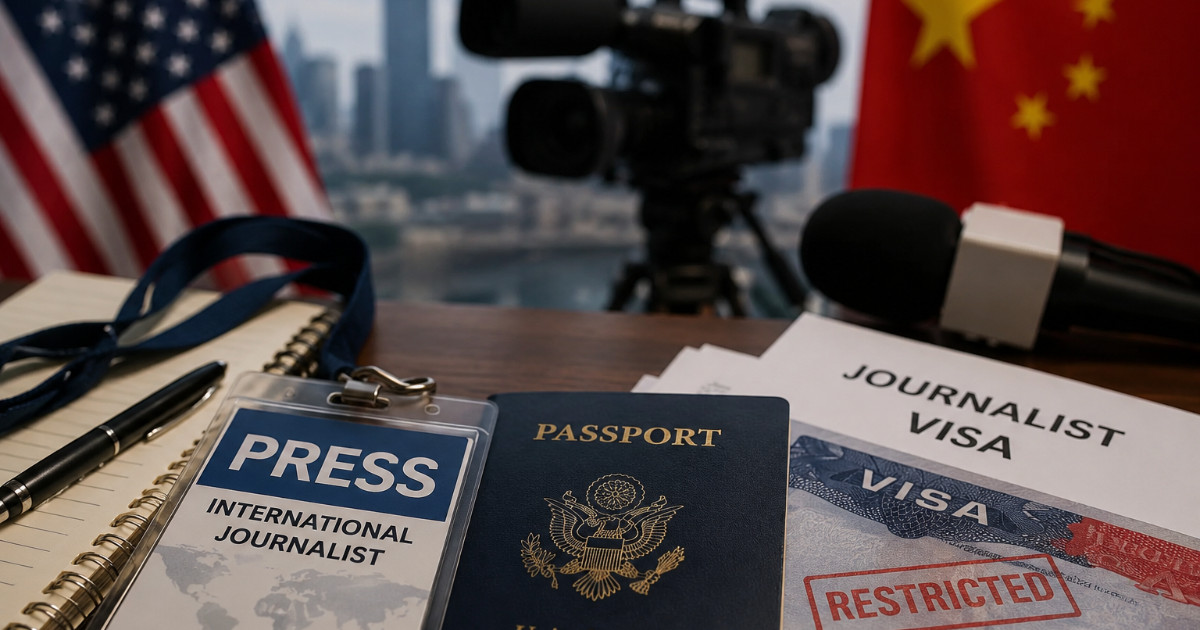
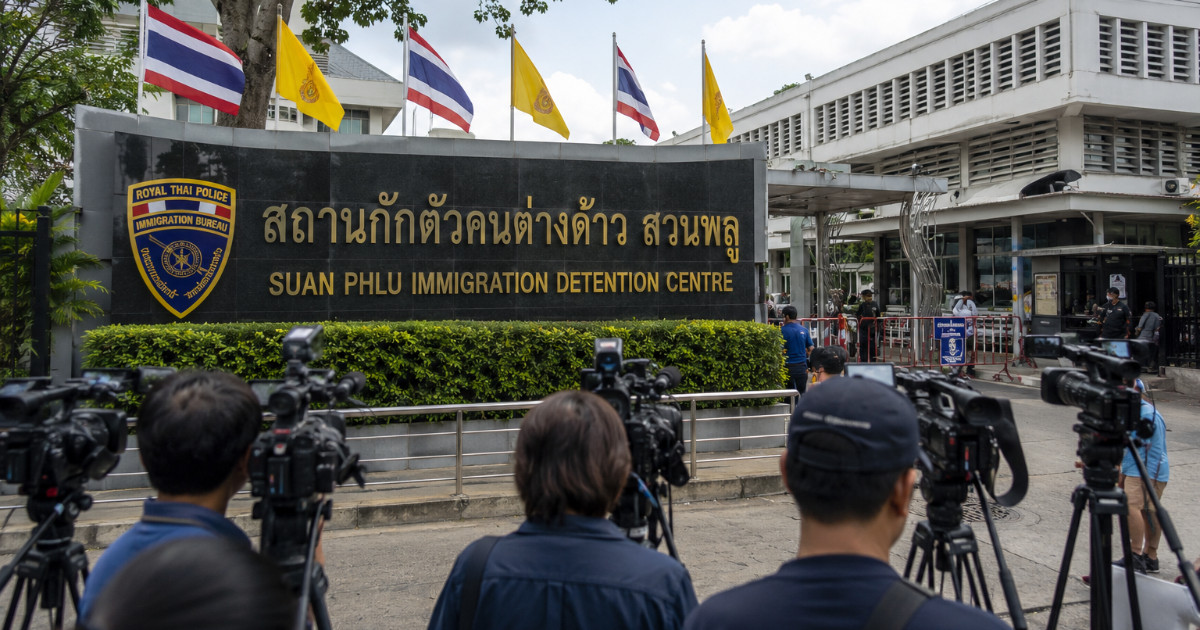
The week's developments also reflected the growing internationalization of press freedom concerns. Thailand faced calls from international organizations not to deport a detained Chinese investigative journalist because of fears of political persecution, while new U.S. restrictions on foreign journalist visas prompted concerns about reciprocal measures affecting international correspondents. China subsequently warned it could respond with similar restrictions, raising fears of additional barriers to cross-border reporting.
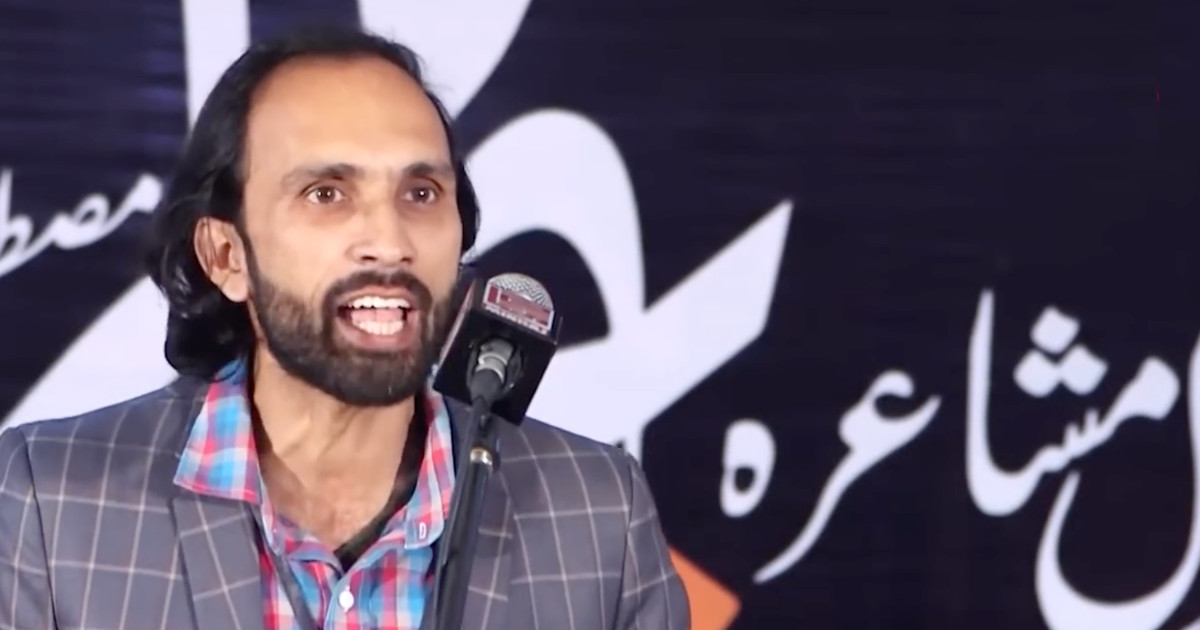
In Asia, Pakistan featured prominently across several categories. A new report warned that expanding cyber-surveillance capabilities risk encouraging self-censorship among journalists, while separate developments highlighted continuing legal proceedings against journalists, restrictions on media access, and concerns over worsening economic conditions for reporters working outside major cities.
Arrests and attacks continue
Traditional press freedom violations also remained widespread.
Authorities in Morocco detained journalist Ali Lmrabet, Hong Kong police arrested a freelance journalist and others in connection with alleged seditious publications, while Nigerian journalist Stanley Ugagbe remained in custody pending a bail hearing under the country's Cybercrimes Act.
Elsewhere, violence against journalists persisted. Israeli settlers were arrested after attacking journalists covering events in the occupied West Bank, while international press freedom organizations renewed calls for Indonesia to reopen the investigation into the killing of journalist Rico Sempurna Pasaribu.
Courts shape the media landscape
Courtrooms also continued to shape the global media landscape. Singapore's High Court ordered Bloomberg and one of its reporters to pay substantial damages in a defamation case, Georgia's Formula TV faced financial penalties over an investigative report, and India's Delhi High Court stressed that press freedom carries responsibilities alongside legal protections.
Taken together, the developments suggest that the global contest over press freedom is increasingly being fought through legal institutions, regulatory frameworks, and administrative powers rather than through censorship alone.
JournalismPakistan's Press Freedom Tracker noted that the week's incidents stretched across Africa, Asia, Europe, the Middle East, and North America, demonstrating that pressures on journalism now cut across political systems and regions.
A changing global threat
The pattern observed this week does not suggest that arrests and physical attacks have declined. Rather, it indicates that governments are increasingly supplementing traditional methods of pressure with legal, administrative, and technological tools that can constrain journalism over longer periods.
The complete roundup, documenting all confirmed press freedom developments tracked during the week, is available in JournalismPakistan's latest Press Freedom Tracker.
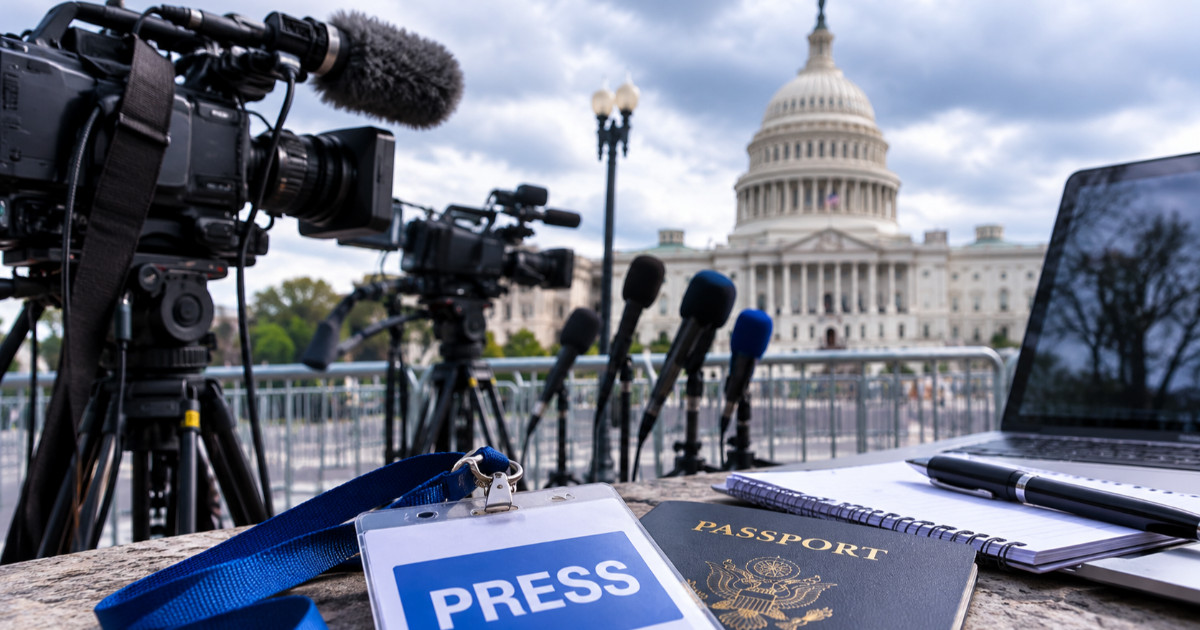
PHOTO: AI-generated; for illustrative purposes only.
Key Points
- Governments increasingly use courts, prolonged investigations and regulations to influence media environments.
- Surveillance and visa restrictions are being used alongside legal measures to restrict reporters' work.
- Defamation laws and regulatory actions can burden newsrooms with costly litigation.
- US grand jury subpoenas to New York Times reporters highlight the international trend toward legal pressure.
- These tactics can prolong cases, discourage sources and chill independent reporting without overt censorship.
Key Questions & Answers
What do you mean by "legal pressure" on journalists?
Legal pressure refers to the use of courts, subpoenas, prolonged investigations, defamation suits, licensing and regulatory actions to constrain or intimidate journalists without using direct bans or physical attacks.
Why are governments using these tactics more often?
Authorities often prefer legal and administrative tools because they can be less visible, prolong oversight, impose financial and operational burdens, and discourage sources while avoiding clear international condemnation.
How do these measures affect reporting?
They can delay investigations, increase legal costs, limit access to sources, prompt self-censorship and weaken news organisations' ability to pursue accountability journalism.
Are there recent examples of this trend?
Yes. The Justice Department's grand jury subpoenas to New York Times reporters and other cases documented in JournalismPakistan's Press Freedom Tracker are cited as examples of legal pressure replacing more overt censorship.
Relevant Topics
Ask AI: Understand this story your way
AI EnabledDig deeper, ask anything — get instant context, background, and clarity.
Disclaimer: This feature is powered by AI and is intended to help readers explore and understand news stories more easily. While we strive for accuracy, AI-generated responses may occasionally be incomplete or reflect limitations in the underlying model. This feature does not represent the editorial views of JournalismPakistan. For our full, verified reporting, please refer to the original article.