
India probes TV journalists over Iranian warship filming
JournalismPakistan.com | Published: 10 March 2026 | JP Asia Desk
Join our WhatsApp channel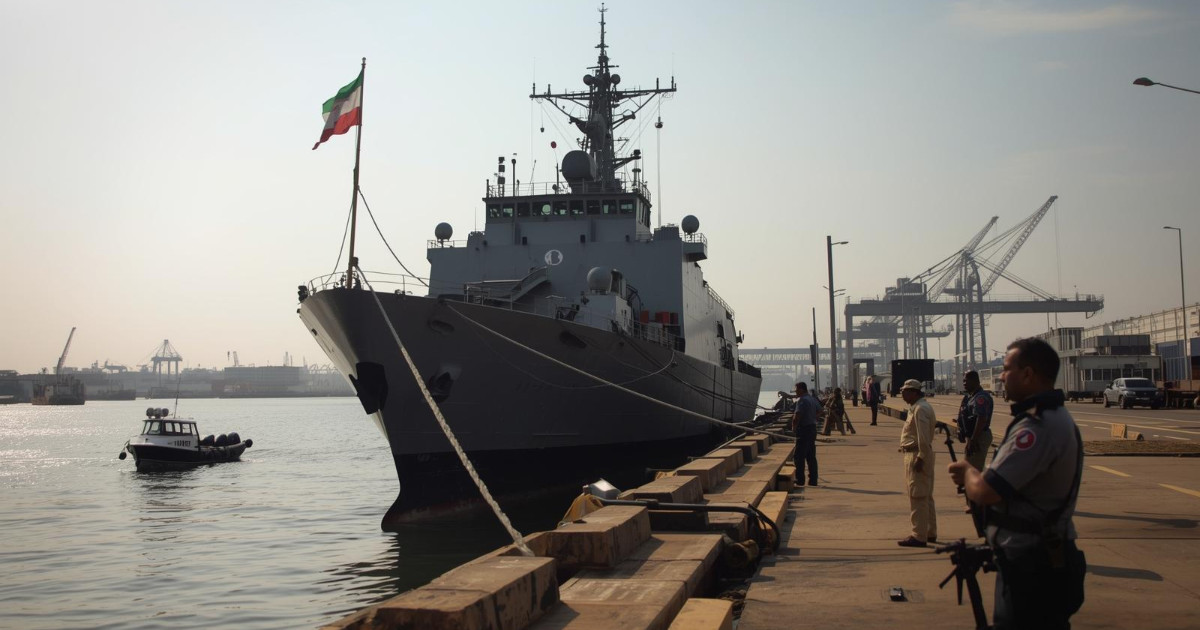
Two Republic TV journalists were detained on March 7 near Cochin port and face investigation under the Official Secrets Act for allegedly filming the Iranian naval vessel IRIS Lavan in a restricted area; rights groups warn this could chill press freedom.Summary
KOCHI — Two journalists from India’s Republic TV are facing investigation under the country’s Official Secrets Act after authorities accused them of filming an Iranian naval vessel inside a restricted area at Cochin Port. This case has raised concerns about press freedom.
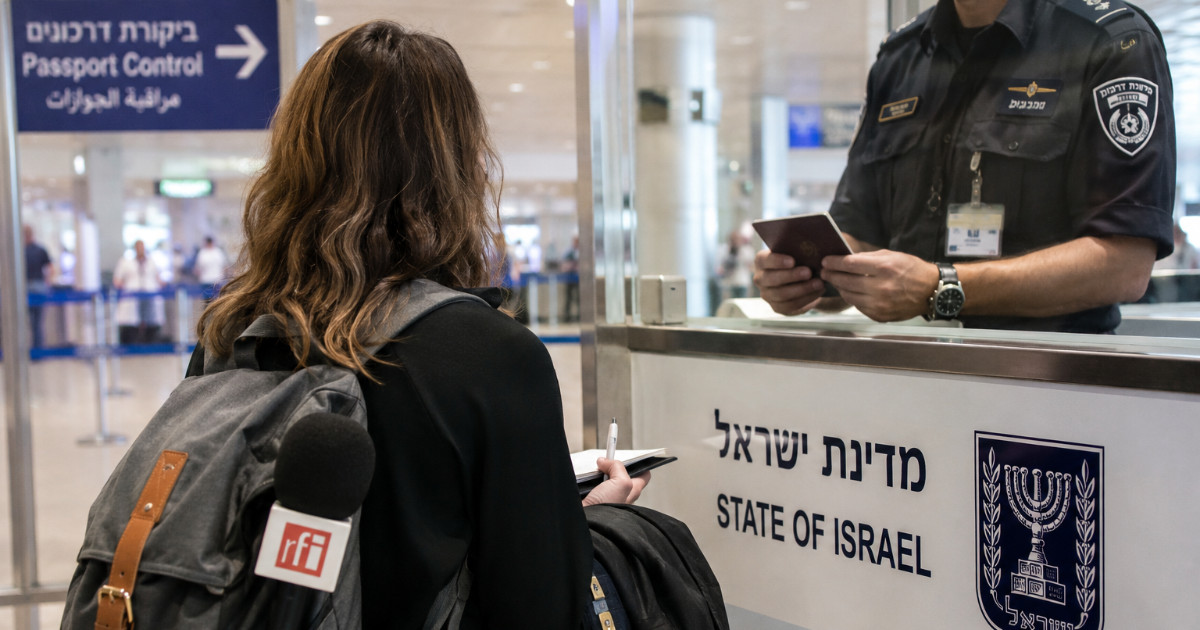
Reporter C.G. Shankar and cameraman S. Mani were detained on March 7 along with a boat driver after security personnel intercepted them near the high-security Southern Coil Berth in Kochi, in the southern Indian state of Kerala. Authorities allege the trio entered a prohibited zone by boat to capture footage of the Iranian naval ship IRIS Lavan, which had recently docked at the port.
The vessel had been granted permission by India to dock at Kochi earlier in March after Iran requested assistance due to technical issues with the ship. Officials say the docking was approved as a humanitarian measure amid rising regional tensions involving Iran.
Charges under colonial-era secrecy law raise alarm
Following their detention by the Central Industrial Security Force, the journalists were handed over to Kerala Harbour Police, who registered a case under sections of the Official Secrets Act and provisions related to criminal trespass. Authorities claim the journalists attempted to photograph or film the vessel and circulate the material in a way that could threaten national security.
The Official Secrets Act, introduced during British colonial rule and still in force in India, criminalizes collecting or communicating information that could affect national security or relations with foreign governments. Conviction under the law can carry a penalty of up to three years in prison, a fine, or both.
Bail plea pending in Kochi court
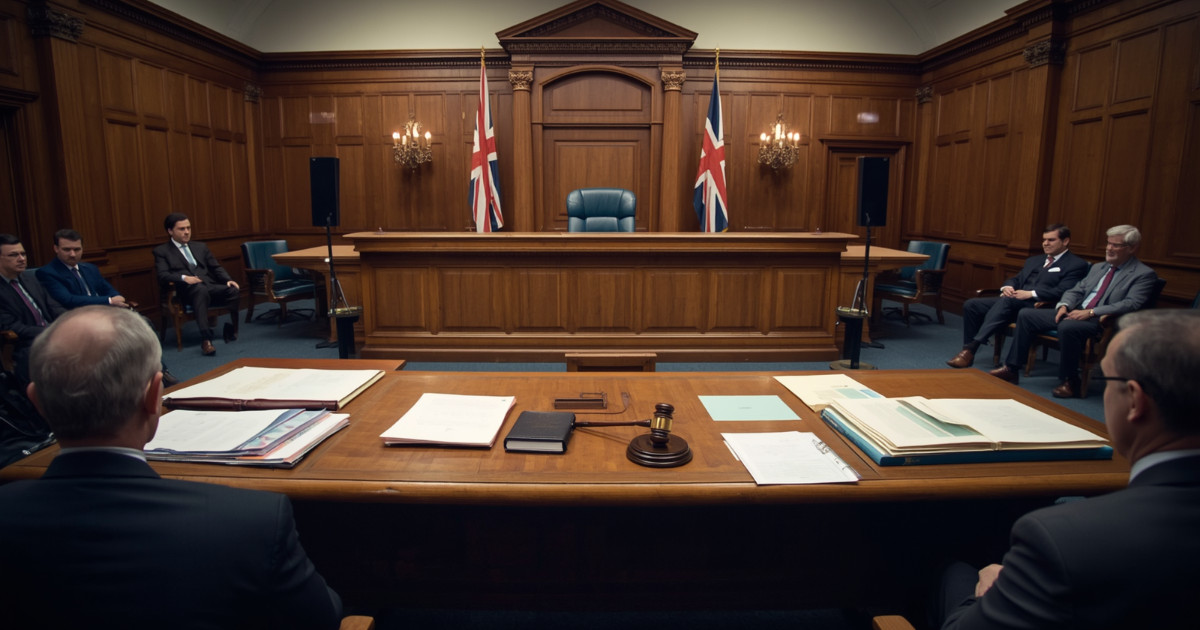
Shankar and Mani have filed bail applications before the Judicial First Class Magistrate-I Court in Kochi. The court heard arguments from both sides and reserved its order after the hearing, according to Indian media reports.
Defense lawyers argued that no sensitive or objectionable footage had been recorded and that the presence of the Iranian ship had already been widely reported in the media. Prosecutors, however, maintain that entering a restricted port zone and attempting to film a foreign naval vessel without authorization violates security regulations.
The case has drawn criticism from the Committee to Protect Journalists, which called on Indian authorities to drop the potential charges and avoid using espionage-related laws against journalists.
Regional tensions add sensitivity to the incident
The presence of the Iranian vessel IRIS Lavan in Kochi has attracted international attention. The ship arrived after another Iranian warship, IRIS Dena, was reportedly sunk in the Indian Ocean during escalating hostilities involving the United States, Israel, and Iran.
Security around the port and nearby naval facilities has been tightened because such installations are considered sensitive defense sites where photography or videography is prohibited without official clearance.
The outcome of the case could influence how Indian authorities balance national security concerns with media access to defense-related developments.
WHY THIS MATTERS: The use of national security laws against journalists covering military or strategic developments is a recurring concern across South Asia. For Pakistani journalists, the case highlights the legal risks of reporting on defense-related issues without official authorization. It also underscores the importance of newsroom protocols for covering sensitive security beats while avoiding potential legal exposure.
ATTRIBUTION: Based on a March 10, 2026, report by the Committee to Protect Journalists and reporting by The Indian Express (March 9, 2026).
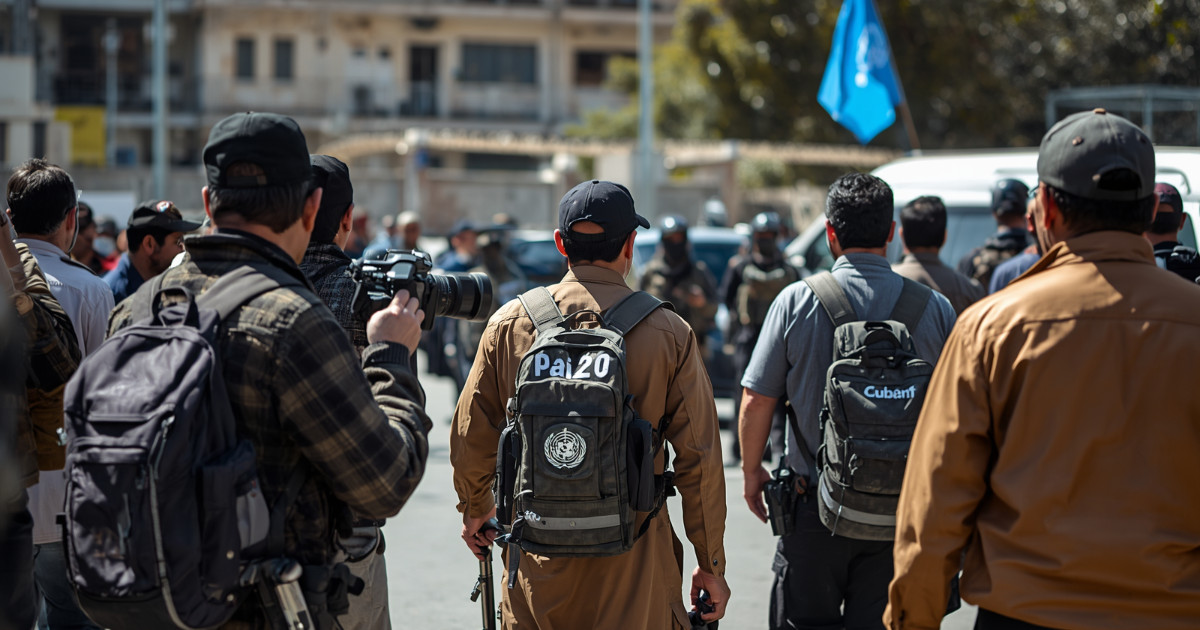
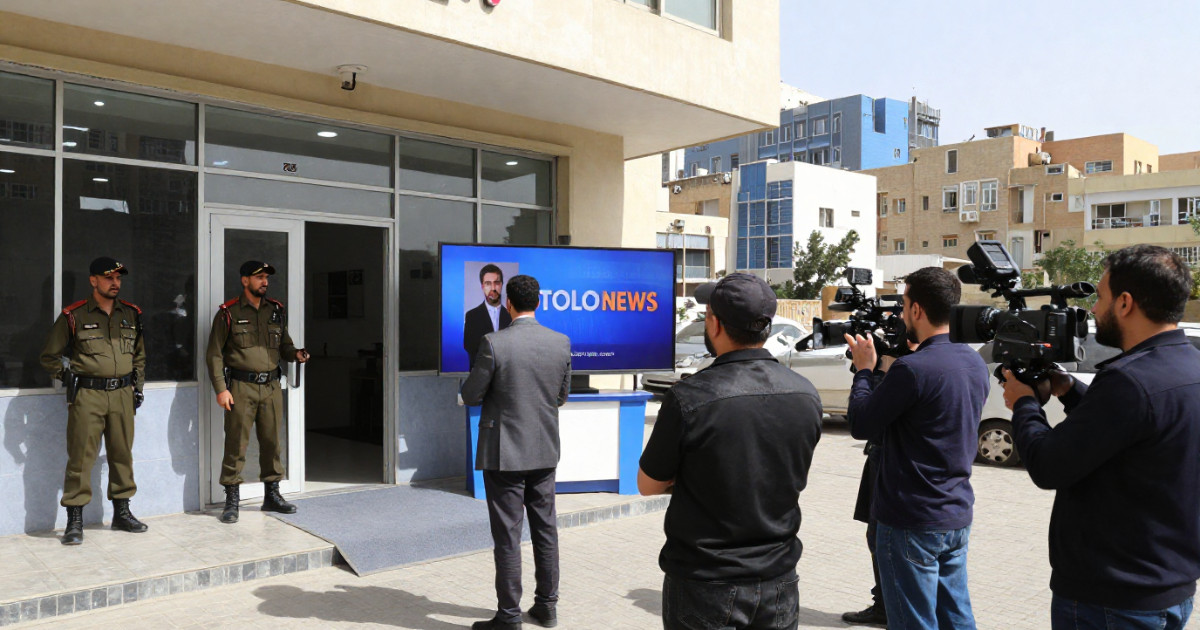
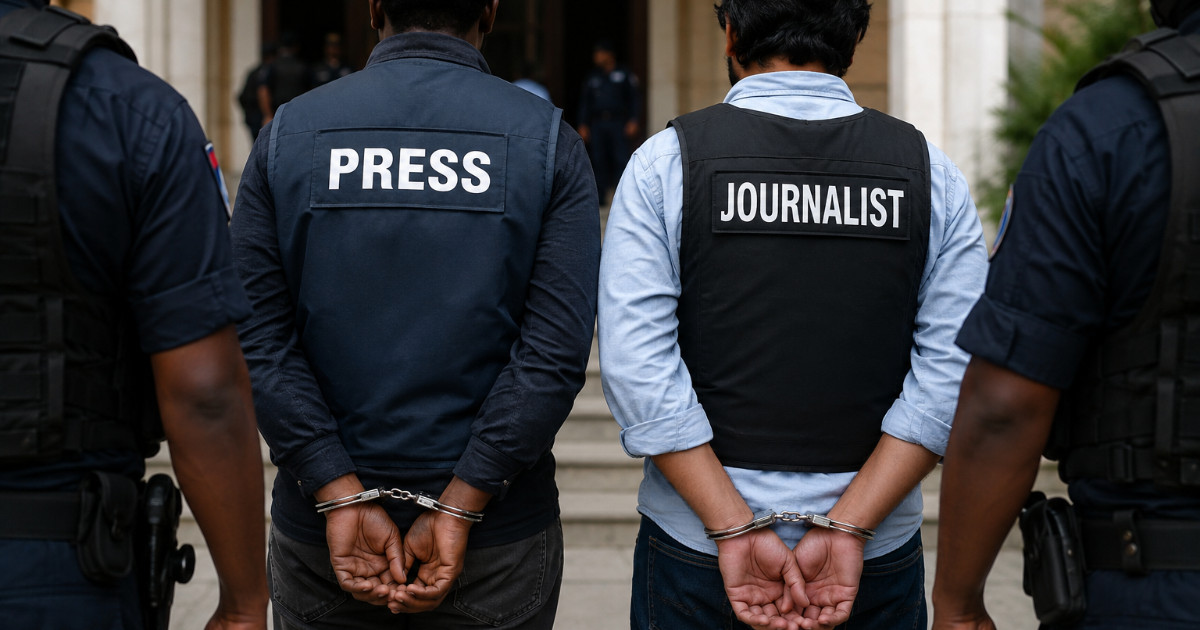
PHOTO: AI-generated; for illustrative purposes only.
Key Points
- Two Republic TV journalists, reporter C.G. Shankar and cameraman S. Mani, were detained on March 7 near Cochin port.
- Authorities allege they entered a prohibited zone by boat to film the Iranian naval vessel IRIS Lavan.
- The ship had been allowed to dock at Kochi for technical assistance after Iran requested help; officials described the stop as humanitarian.
- Kerala Harbour Police registered cases under the Official Secrets Act and provisions for criminal trespass.
- The arrests have prompted concerns among rights groups about press freedom and the use of colonial-era secrecy laws.
Key Questions & Answers
What are the journalists accused of?
They are accused of entering a restricted area by boat and filming the Iranian naval vessel IRIS Lavan; authorities say the footage could threaten national security.
Which laws have been invoked?
Kerala Harbour Police registered cases under sections of the Official Secrets Act and provisions related to criminal trespass; the Official Secrets Act criminalizes certain collection or communication of sensitive information.
Why had the Iranian ship docked at Kochi?
Officials say IRIS Lavan was granted permission to dock after Iran requested technical assistance; authorities described the docking as a humanitarian measure.
Why are press freedom groups concerned?
Critics warn that using the Official Secrets Act against journalists can chill reporting on security-related matters and deter investigative coverage.
Relevant Topics
Ask AI: Understand this story your way
AI EnabledDig deeper, ask anything — get instant context, background, and clarity.
Disclaimer: This feature is powered by AI and is intended to help readers explore and understand news stories more easily. While we strive for accuracy, AI-generated responses may occasionally be incomplete or reflect limitations in the underlying model. This feature does not represent the editorial views of JournalismPakistan. For our full, verified reporting, please refer to the original article.