
Chilling effect in media: The unseen pressure behind newsroom decisions
JournalismPakistan.com | Published: 18 April 2026 | JP Staff Report
Join our WhatsApp channel
Across global newsrooms, journalists face a chilling effect where threats of lawsuits, regulatory action, arrests or online harassment prompt self-censorship; this indirect restraint alters editorial judgment and narrows public access to reporting.Summary
ISLAMABAD — Across global newsrooms, courts, and social media platforms, journalists and citizens increasingly describe a subtle but powerful constraint on speech: the fear that saying or publishing something controversial may trigger legal trouble, harassment, or professional consequences. This phenomenon is widely known as the “chilling effect,” and it continues to shape how information is reported and shared in both established and emerging democracies.
In recent years, debates over digital regulations, defamation laws, online content moderation, and national security frameworks have intensified this concern. From Europe’s evolving platform rules to South Asia’s expanding cybercrime enforcement, media professionals say the boundaries of permissible speech are becoming harder to predict. The result is not always direct censorship, but a quieter form of restraint that can influence editorial decisions long before a story is published.
What does chilling effect mean
The chilling effect refers to the discouragement of legitimate expression or reporting due to fear of legal punishment, retaliation, harassment, or other negative consequences. In journalism, it does not necessarily involve formal censorship or an explicit order to remove content. Instead, it operates indirectly by creating uncertainty about what might trigger consequences.
When journalists or media organizations anticipate lawsuits, regulatory action, arrests, financial penalties, or online harassment, they may choose to avoid certain topics altogether. This self-censorship is at the core of the chilling effect. It can occur even when laws are not actively enforced, as the perception of risk alone can be enough to alter behavior.
The concept is often discussed in relation to protections for freedom of expression, including constitutional guarantees in various countries and international human rights frameworks such as Article 19 of the Universal Declaration of Human Rights. However, the chilling effect is not limited to formal legal systems. It can also emerge through platform policies, workplace pressures, or public backlash amplified by social media.
Why it matters now
The chilling effect has become increasingly relevant in today’s media environment, where journalism operates under overlapping pressures. Digital platforms have expanded the reach of reporting, but they have also increased exposure to rapid public criticism, coordinated online harassment, and algorithm-driven shifts in visibility. At the same time, governments across multiple regions have introduced or strengthened laws regulating online speech, misinformation, and cyber conduct.
In such an environment, newsrooms often face difficult editorial calculations. A story that may be legally defensible could still invite costly litigation, regulatory scrutiny, or targeted harassment campaigns. Smaller independent outlets are particularly vulnerable, as they may lack the legal and financial resources to withstand prolonged disputes. Even large media organizations sometimes adjust coverage strategies to avoid prolonged legal uncertainty.
The chilling effect also intersects with broader concerns about press freedom and democratic accountability. When journalists avoid investigating sensitive issues due to perceived risks, it can reduce public access to information and limit scrutiny of powerful institutions. This does not always occur through overt suppression; instead, it can result from cumulative caution within editorial decision-making processes.
Real-world examples
Internationally, the chilling effect has been widely discussed in relation to defamation litigation and strategic lawsuits against public participation, often referred to as SLAPP cases. In several jurisdictions, investigative journalists have reported scaling back coverage of corporate or political actors due to the threat of expensive legal action, even when reporting is based on verified public records or court filings. Courts in parts of the United States and Europe have increasingly recognized this issue, with some introducing anti-SLAPP protections aimed at preventing abuse of the legal system to silence reporting.
Another example can be seen in evolving content regulation frameworks affecting major technology platforms. In the European Union, digital governance rules such as the Digital Services Act have prompted ongoing debate about how platforms moderate content. While intended to address harmful material and improve accountability, media analysts have noted that unclear enforcement standards can lead to over-removal of legitimate content, as platforms seek to avoid regulatory penalties. This cautious approach can indirectly limit the visibility of news reporting on sensitive issues.
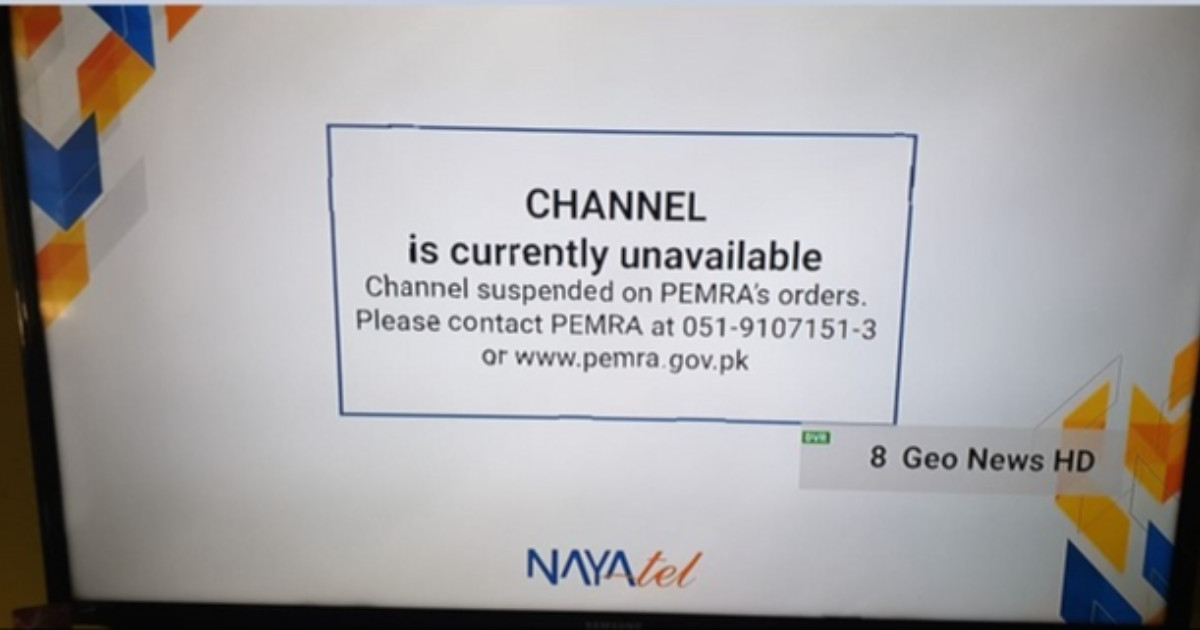
In Pakistan and broader South Asia, the chilling effect has been frequently referenced in discussions around cybercrime enforcement and media regulation. Journalists and digital publishers have at times expressed concern that provisions under cybercrime laws and related regulatory frameworks may be applied broadly, creating uncertainty about what constitutes permissible reporting or commentary online. Cases involving online speech investigations and notices issued to journalists or commentators have contributed to perceptions of risk, particularly in politically sensitive reporting environments. Media organizations in the region often operate with heightened legal caution when covering governance, security, or public accountability issues, reflecting the broader impact of this uncertainty.
Why the chilling effect shapes modern news decisions
Understanding the chilling effect is essential for interpreting how modern journalism operates under legal, political, and digital pressures. It highlights that restrictions on information are not always visible or direct; they can also emerge through fear, uncertainty, and risk management within newsrooms and among individual journalists. As media systems continue to evolve alongside technology and regulation, recognizing the chilling effect helps explain why certain stories are pursued aggressively while others remain underreported, even in open information environments.
RELATED JOURNALISM TERMS: You may also find the following JournalismPakistan explainers useful:
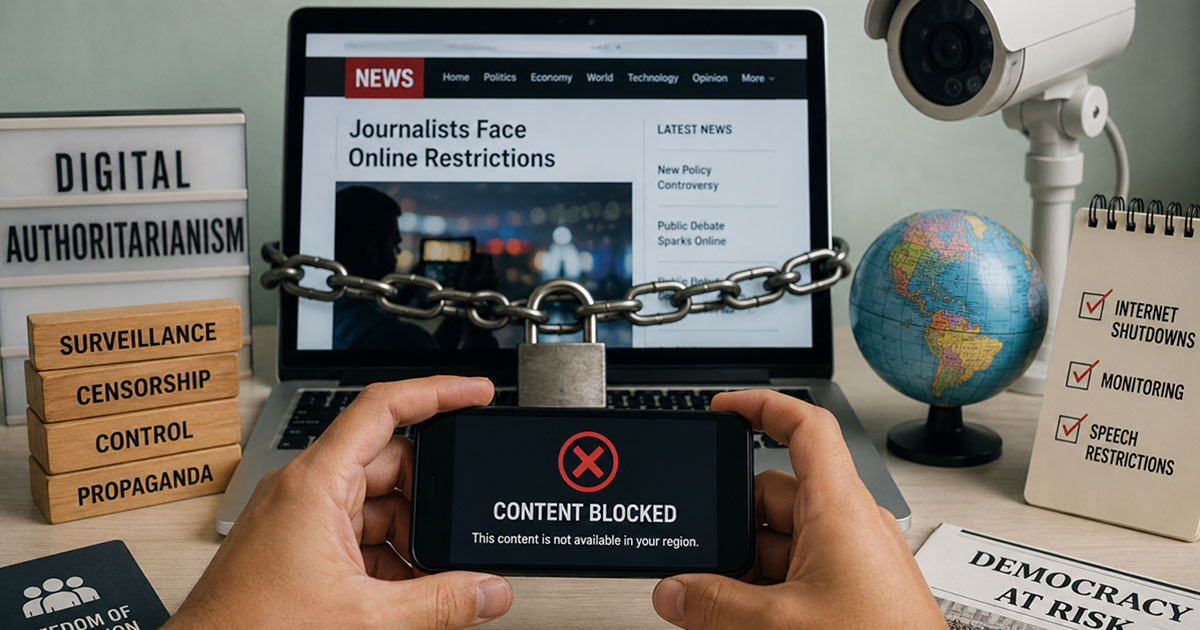
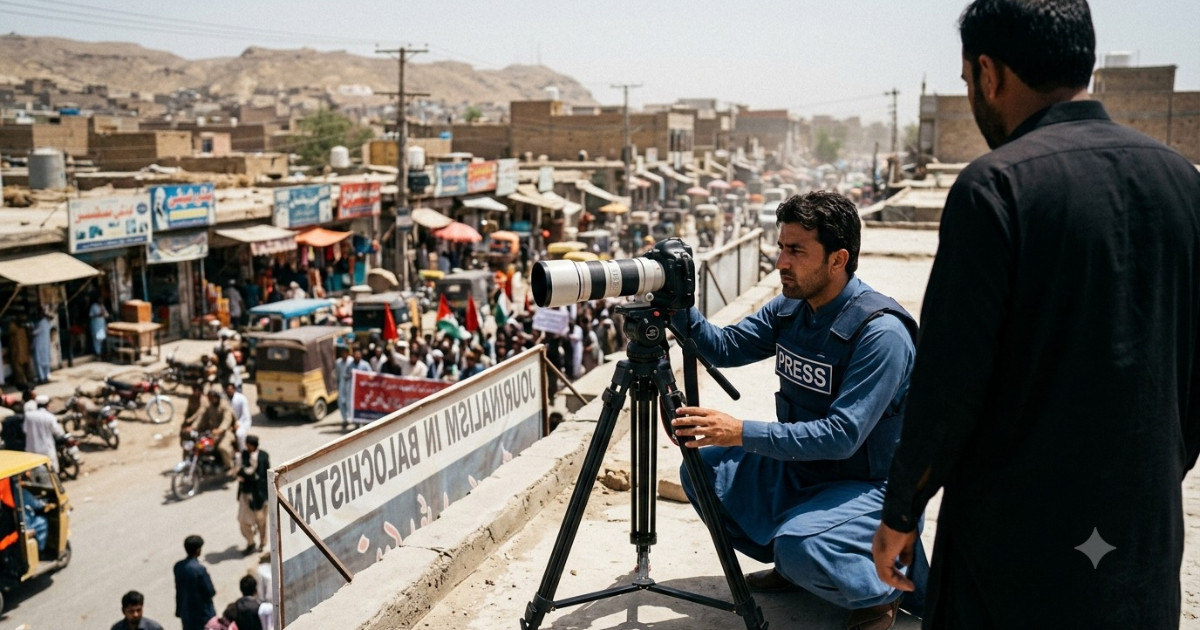
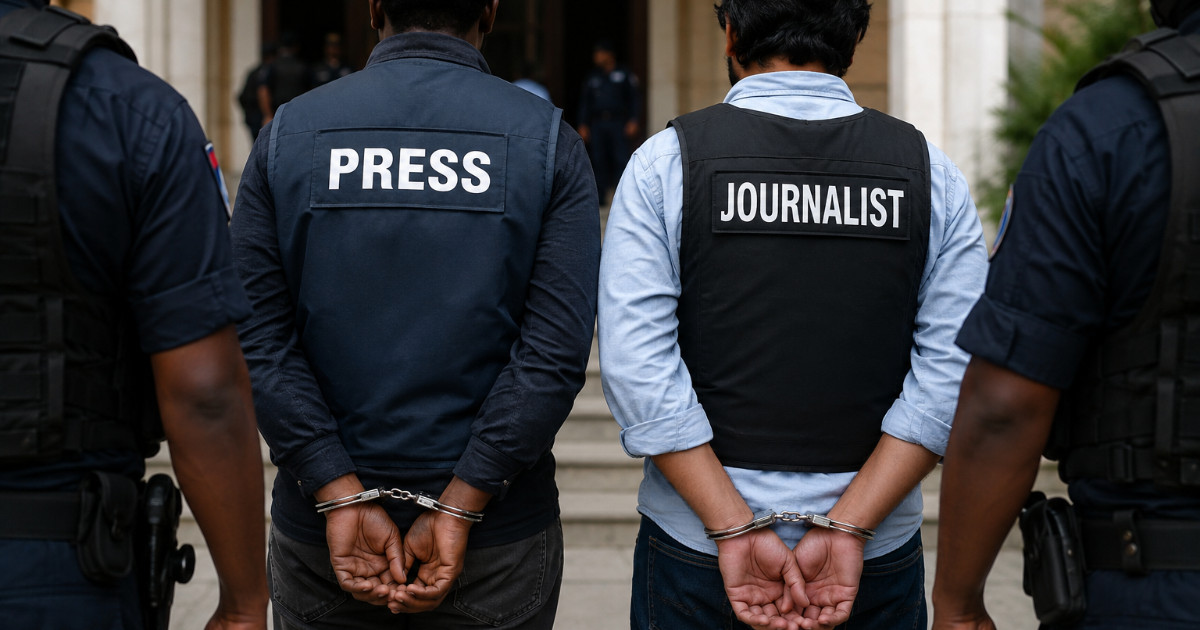
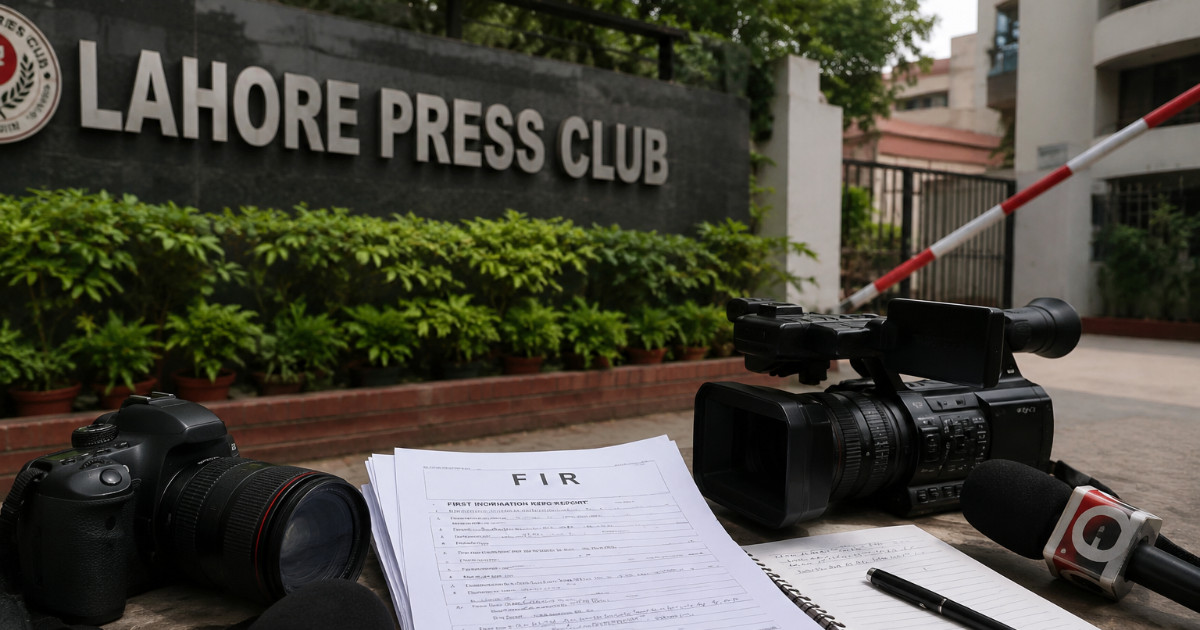
PHOTO: AI-generated; for illustrative purposes.
Key Points
- Chilling effect: fear of legal, regulatory or online reprisals that discourages legitimate reporting.
- Mechanism: uncertainty about laws and platform rules often leads to pre-publication self-censorship.
- Scope: impacts both established and emerging democracies amid evolving digital regulations.
- Consequences: editorial choices are shaped before publication, narrowing public access to information.
- Responses: reporters and outlets use legal checks, redaction or avoidance of sensitive topics to mitigate risks.
Key Questions & Answers
What is the chilling effect?
The chilling effect is the discouragement of lawful expression due to fear of legal, professional or online consequences; in journalism it often results in self-censorship rather than explicit censorship.
How does it appear in newsrooms?
Editors and journalists may avoid sensitive topics, water down reporting or delay publication because of perceived legal risks, regulatory uncertainty or risk of harassment.
Which laws or rules contribute to it?
Defamation statutes, broad cybercrime or national security laws, and unclear content moderation policies on digital platforms are commonly cited drivers.
What are the risks for the public?
When reporters self-censor, the public may receive less information on important or controversial issues, undermining transparency and accountability.
Relevant Topics
Ask AI: Understand this story your way
AI EnabledDig deeper, ask anything — get instant context, background, and clarity.
Disclaimer: This feature is powered by AI and is intended to help readers explore and understand news stories more easily. While we strive for accuracy, AI-generated responses may occasionally be incomplete or reflect limitations in the underlying model. This feature does not represent the editorial views of JournalismPakistan. For our full, verified reporting, please refer to the original article.