.png)
Asia-Pacific press freedom falls as legal pressure deepens
JournalismPakistan.com | Published: 30 April 2026 | JP Asia Desk
Join our WhatsApp channel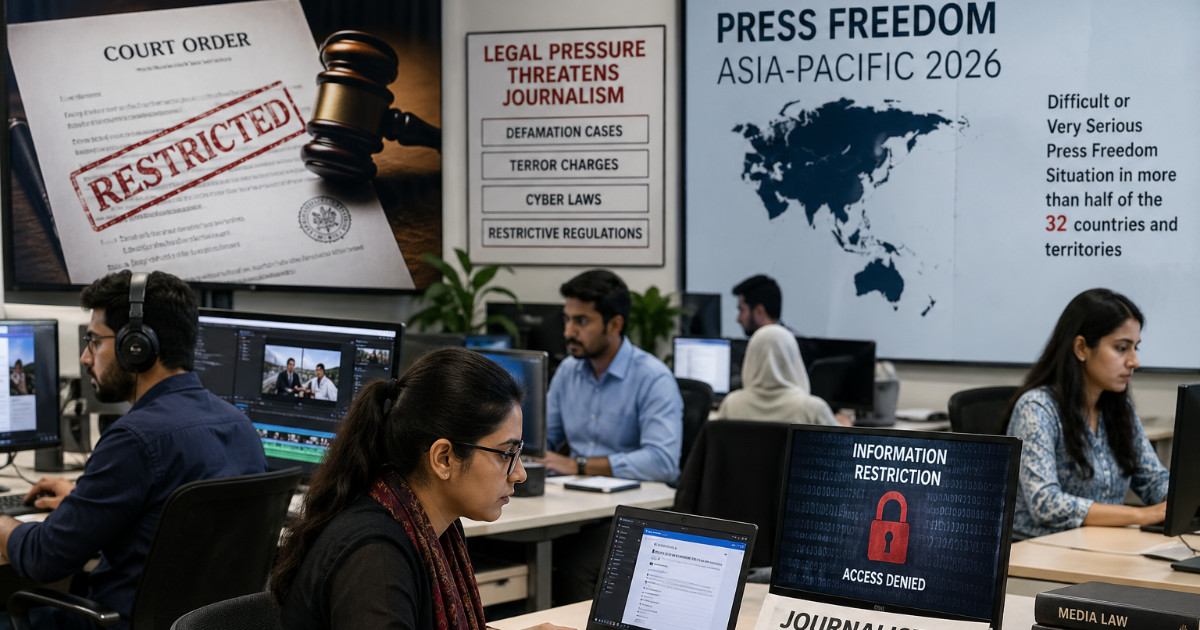
RSF says Asia-Pacific press freedom is deteriorating, with over half of 32 territories classed difficult or very serious. Pakistan rose slightly but journalists still face legal cases, regulatory pressure and self-censorship.Summary
ISLAMABAD — Press freedom across the Asia-Pacific region has continued to deteriorate, with Pakistan among the countries where journalists face persistent legal pressure, political interference, and tightening control over information flows. According to Reporters Without Borders (RSF) World Press Freedom Index 2026 framework data, more than half of the 32 countries and territories assessed in the region are classified as having “difficult” or “very serious” press freedom situations, underscoring one of the world’s most restrictive media environments.
RSF notes that legal and regulatory systems are increasingly being used to constrain journalism rather than protect it, contributing to long-term structural pressure on independent reporting across the region.
Pakistan shows a slight improvement in ranking
In Pakistan, RSF data for 2026 places the country at 153rd out of 180, marking a marginal improvement from 158th in the previous assessment. Despite this upward shift, the overall environment for journalists remains under strain due to continued legal pressure, regulatory constraints, and challenges to editorial independence.
Legal pressure and newsroom constraints
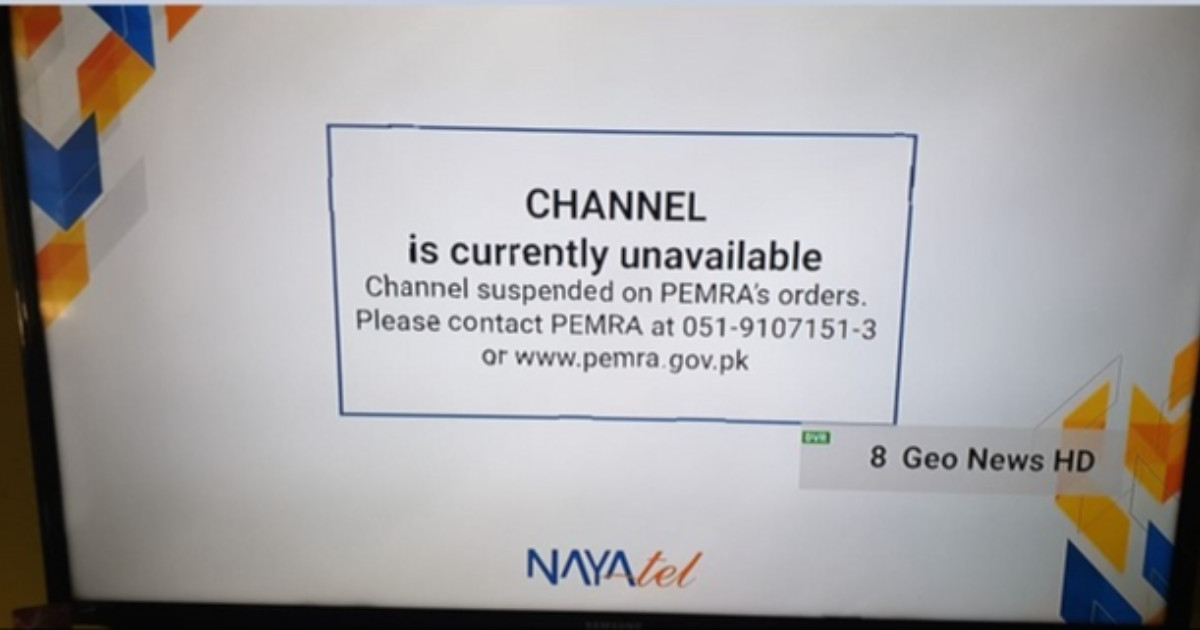
The report highlights that Pakistan’s media continues to operate in a climate where legal cases, regulatory actions, and informal pressures contribute to self-censorship in newsrooms. Journalists and media organizations frequently face uncertainty over content boundaries, particularly in politically sensitive reporting.
Across the wider region, similar patterns are emerging as governments expand the use of legal frameworks to manage media narratives, often under national security or public order justifications.
At the bottom of the regional ranking, North Korea and China remain the most restrictive environments, where independent journalism is either absent or heavily criminalized under state control systems.
China’s expanding information control model
China continues to be identified as the world’s largest jailer of journalists, with state security legislation frequently used to detain media professionals and restrict reporting.
As many as 121 journalists are currently imprisoned in China, reflecting the scale of repression documented by RSF.
RSF also notes that China’s model of information control is increasingly influencing other countries in the region through the adoption of similar legal and digital governance frameworks.
Expansion of restrictive laws across the region
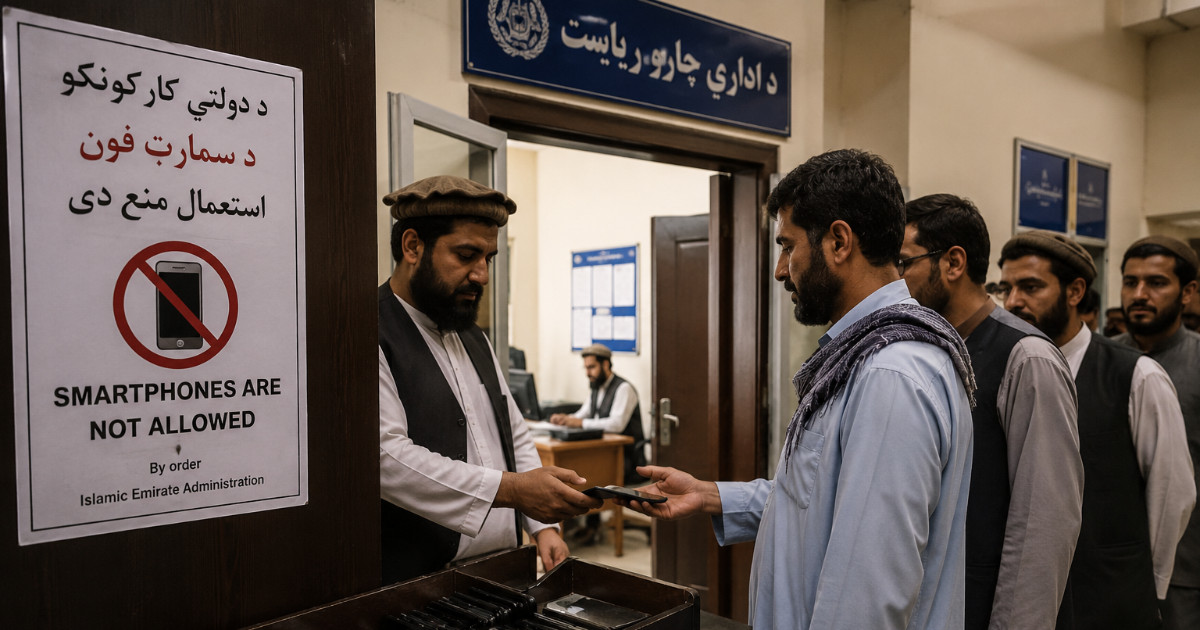
In Vietnam and Myanmar, cybersecurity and national security laws have become central tools for online censorship and surveillance of journalists. In Afghanistan, media regulations imposed since the Taliban’s return to power continue to restrict independent reporting and tightly control public narratives.
These developments reflect a broader regional shift toward legal mechanisms that regulate journalism more directly than in previous years.
Criminalization of journalism in South and Southeast Asia
In India, journalists continue to face judicial harassment through defamation laws and national security provisions. In the Philippines, terrorism-related charges remain a major tool used against reporters, with long-term detention cases such as journalist Frenchie Mae Cumpio cited as emblematic of “red-tagging” practices.
In Indonesia, Singapore, Malaysia, and Thailand, strategic lawsuits against public participation (SLAPPs) are increasingly used by political and economic actors to pressure journalists financially and legally, often discouraging investigative reporting.
Press freedom under strain even in democracies
Even established democracies in the region face growing challenges. In Japan, state secrecy laws continue to restrict access to information and contribute to self-censorship among journalists. In South Korea, government efforts to curb misinformation have raised concerns among press freedom groups about balancing regulation with free expression.
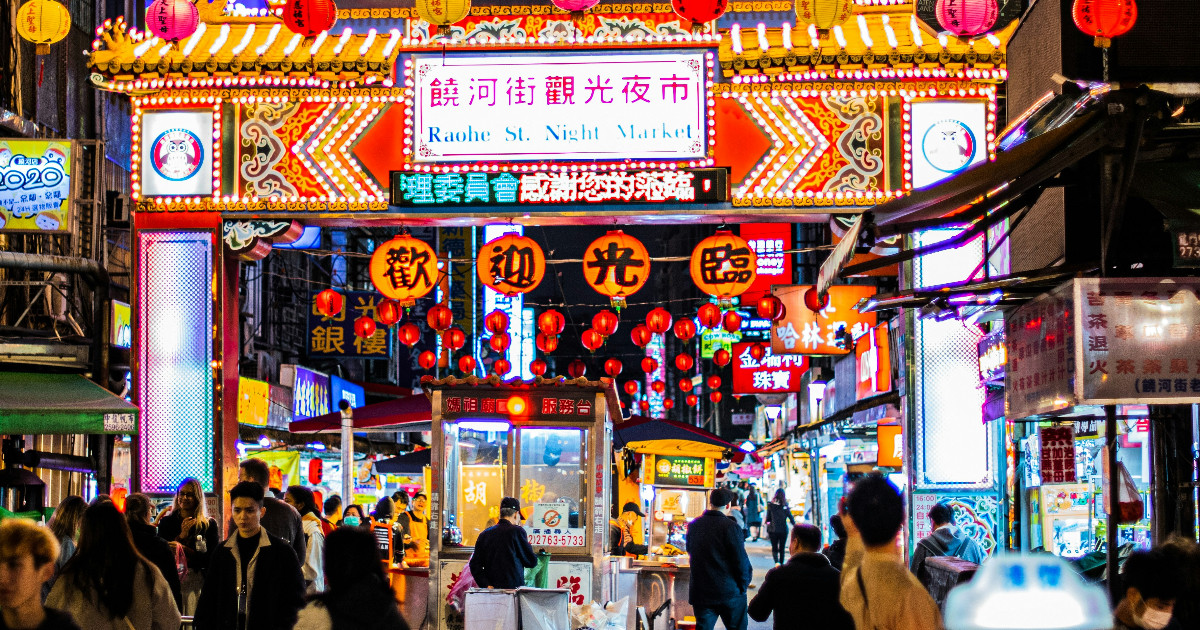
New Zealand remains the highest-ranked country in the region, although it has experienced a decline. Taiwan, Timor-Leste, and Australia continue to offer comparatively stronger protections for journalists, despite ongoing structural pressures.
WHY THIS MATTERS: For Pakistani journalists and media organizations, the findings highlight that even modest changes in ranking do not necessarily reflect improved working conditions on the ground. The persistence of legal and regulatory pressure signals ongoing risks to editorial independence, newsroom safety, and access to information. It also underscores the need for stronger legal protections and institutional safeguards for independent journalism in Pakistan.
ATTRIBUTION: Reporting by JournalismPakistan, based on publicly available data and findings from Reporters Without Borders World Press Freedom Index 2026 framework and country datasets (April 30, 2026).
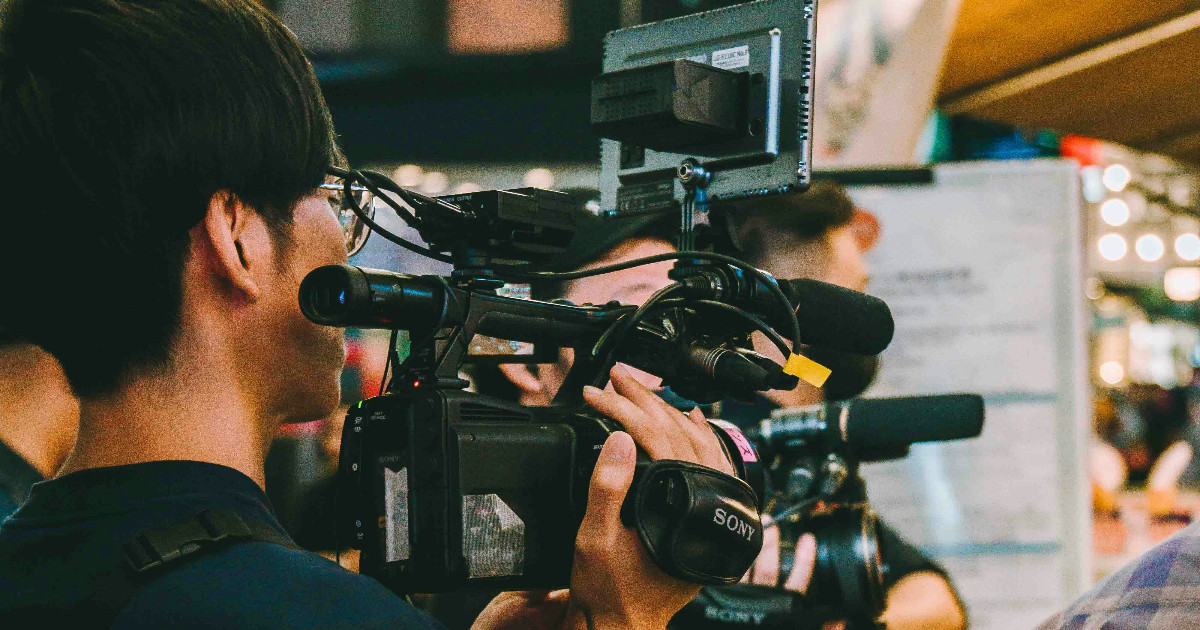
PHOTO: AI-generated; for illustrative purposes only.
Key Points
- RSF data shows press freedom in the Asia-Pacific is declining, with over half of 32 territories rated difficult or very serious.
- Legal and regulatory systems are increasingly used to constrain journalism across the region.
- Pakistan moved up slightly in the ranking (from 158 to 153) but the media environment remains under strain.
- Journalists and outlets in Pakistan face legal cases, regulatory actions and informal pressures that fuel self-censorship.
- Similar patterns of political interference and shrinking editorial independence are reported across multiple countries in the region.
Key Questions & Answers
What does the RSF report say about press freedom in the Asia-Pacific?
RSF finds the region is worsening overall, with more than half of the 32 assessed territories classified as having difficult or very serious press freedom situations.
How did Pakistan fare in the RSF ranking?
Pakistan improved marginally to 153rd out of 180 in the latest assessment, up from 158th previously, but challenges for journalists persist.
What kinds of pressures do journalists in Pakistan face?
Journalists face legal cases, regulatory actions, informal pressures and uncertainty over content boundaries, contributing to self-censorship.
Are other countries in the region experiencing the same trends?
Yes. RSF notes that legal and regulatory measures, political interference and information controls are increasingly common across the Asia-Pacific.
Relevant Topics
Ask AI: Understand this story your way
AI EnabledDig deeper, ask anything — get instant context, background, and clarity.
Disclaimer: This feature is powered by AI and is intended to help readers explore and understand news stories more easily. While we strive for accuracy, AI-generated responses may occasionally be incomplete or reflect limitations in the underlying model. This feature does not represent the editorial views of JournalismPakistan. For our full, verified reporting, please refer to the original article.