
Kuwait releases journalist after Iran war coverage case
JournalismPakistan.com | Published: 26 April 2026 | JP Middle East Desk
Join our WhatsApp channel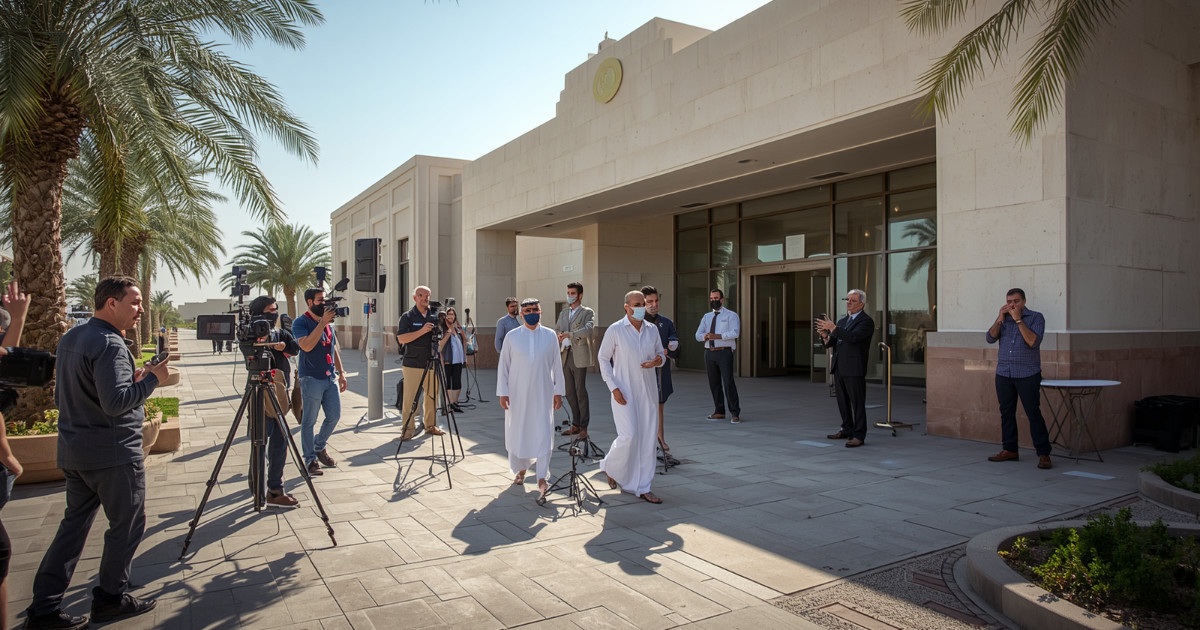
Ahmed Shihab-Eldin was released and left Kuwait after nearly two months detained over social-media posts about the Iran war, a case that raised concerns about use of 'false information' and security laws to curb digital reporting in the Gulf.Summary
KUWAIT CITY — U.S.-Kuwaiti journalist Ahmed Shihab-Eldin has been released and has left Kuwait after nearly two months in detention over social media posts related to coverage of the Iran war, in a case that has raised concerns about press freedom and digital reporting in the Gulf.
Authorities had detained Shihab-Eldin under laws criminalizing the spread of “false information” and alleged national security violations, citing his online commentary and reporting during the conflict. His detention drew attention from media watchdogs and press freedom advocates, who warned that the case reflected an expanding use of broadly defined legal provisions against journalists.
Legal case highlights growing wartime restrictions
Shihab-Eldin’s acquittal marks a rare reversal in a region where prosecutions tied to online speech have increasingly targeted both journalists and ordinary users. Publicly available legal filings and statements indicate that prosecutors argued his posts risked undermining national stability during a sensitive geopolitical moment.
The case unfolded alongside heightened wartime information controls across Gulf states, where authorities have tightened restrictions on filming, publishing, or sharing content related to regional conflicts. Journalists and citizen reporters have faced warnings or penalties for disseminating unverified or unofficial information.
Digital reporting faces increased scrutiny
Media analysts say the case illustrates how digital journalism, particularly via platforms such as X and Instagram, has come under intensified scrutiny during periods of conflict. In several Gulf countries, existing cybercrime and national security laws have been used to regulate real-time reporting and curb narratives that diverge from official accounts.
Shihab-Eldin’s release does not signal a broader policy shift, according to regional observers, who note that similar legal frameworks remain in place and continue to pose risks for journalists operating online.
The incident also highlights the blurred lines between professional journalism and citizen reporting in the digital age, where individuals sharing conflict-related content can face the same legal consequences as accredited media professionals.
Broader implications for press freedom in the Gulf
Press freedom organizations have repeatedly documented how wartime conditions often lead to tighter information control measures, particularly in strategically sensitive regions. While governments cite national security concerns, critics argue that such restrictions can limit transparency and hinder independent reporting.
Shihab-Eldin’s case underscores the legal uncertainty journalists face when covering conflicts from or within countries that maintain strict controls over information flows, especially when reporting intersects with geopolitics.
WHY THIS MATTERS: The case highlights how broadly worded cybercrime and national security laws can be applied to digital journalism, a trend Pakistani journalists should closely monitor, as similar legal frameworks exist locally. It also underscores the importance of verification and editorial safeguards when reporting on conflict, particularly on social media platforms where legal exposure may be higher.
ATTRIBUTION: Reporting by JournalismPakistan, based on publicly available legal filings and reporting by regional and international media outlets in April 2026.
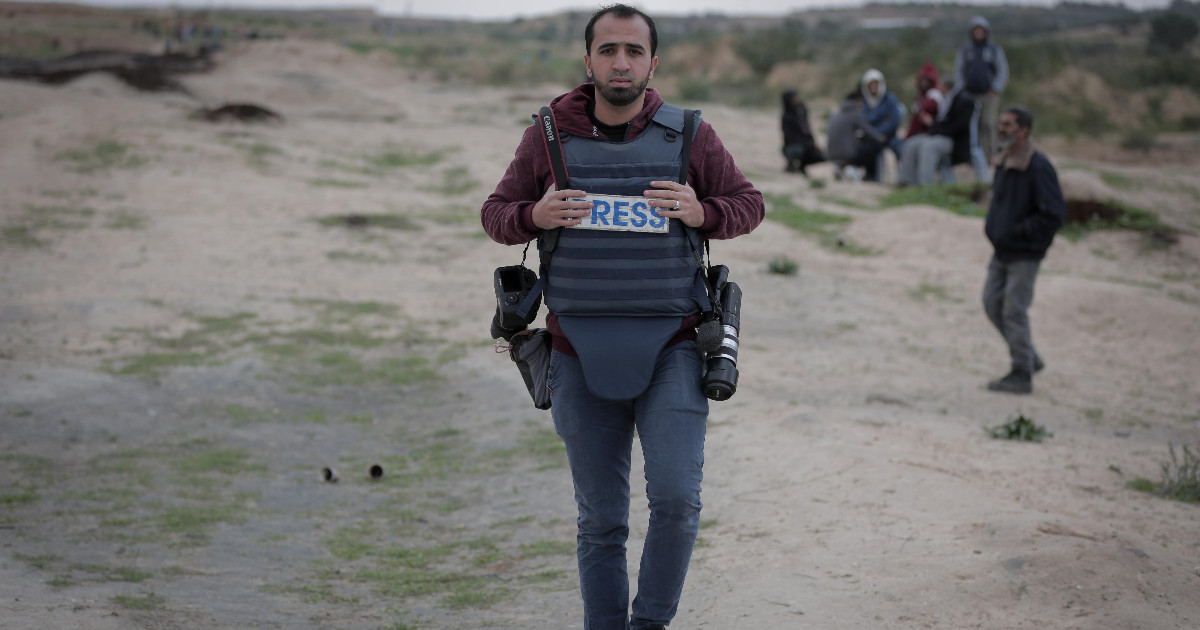
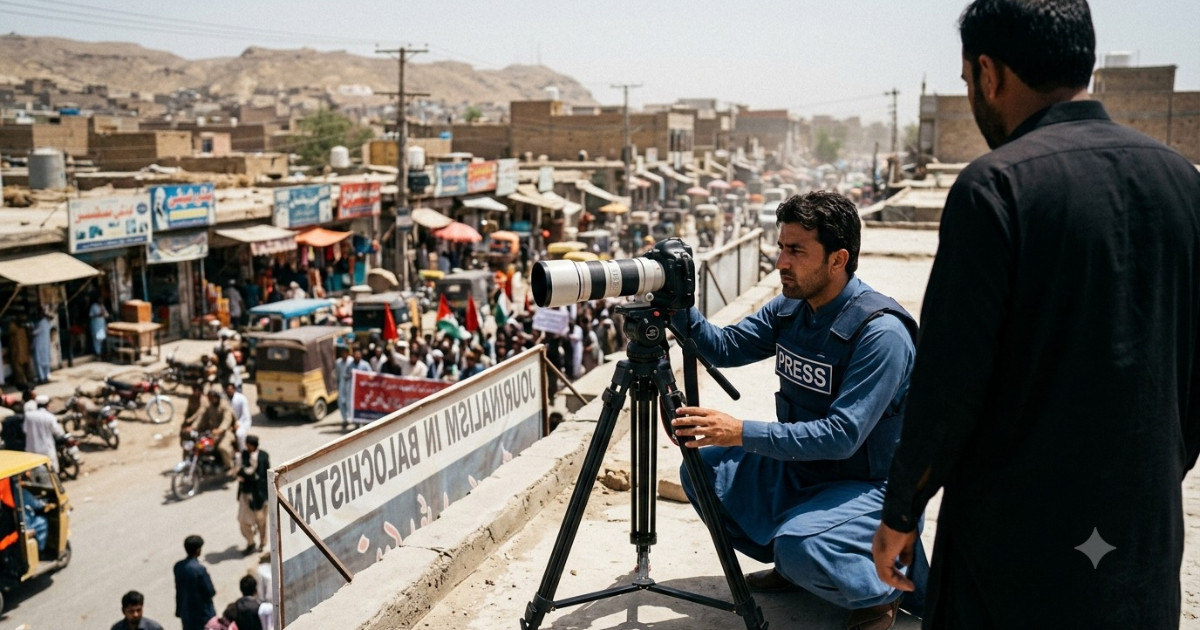
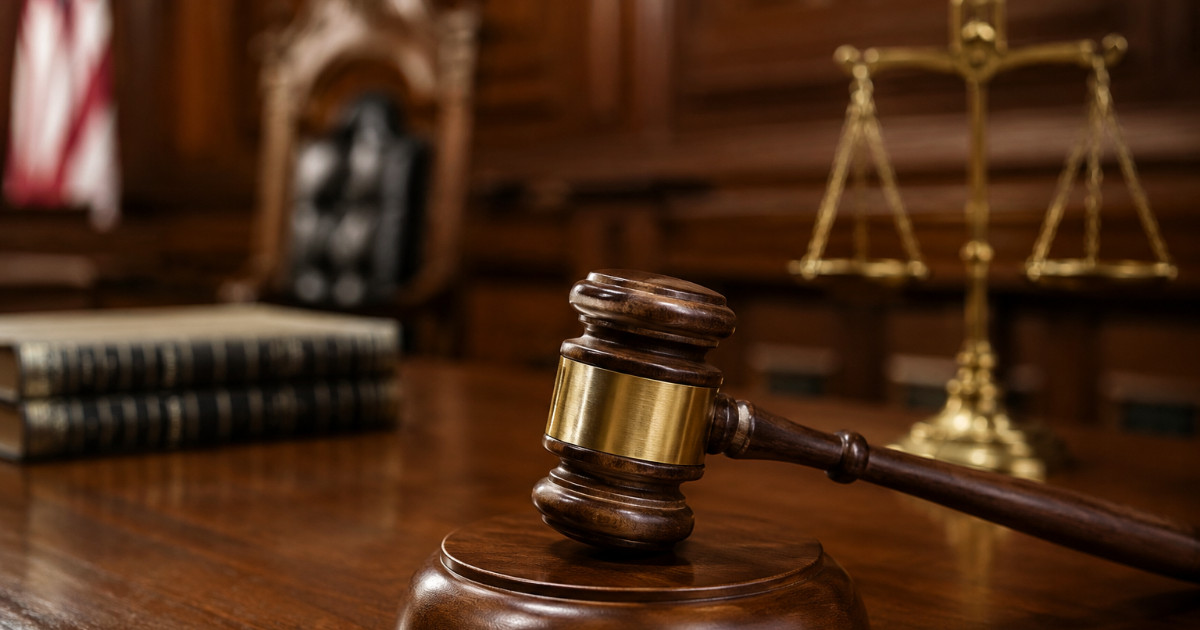
PHOTO: AI-generated; for illustrative purposes only.
Key Points
- Ahmed Shihab-Eldin detained nearly two months over social-media commentary on the Iran war.
- Authorities cited laws against spreading 'false information' and alleged national security violations.
- He was released, acquitted, and has left Kuwait.
- Case raised concerns from media watchdogs about expanding use of broad legal provisions.
- Highlights tightening wartime controls and increased scrutiny of digital reporting across the Gulf.
Key Questions & Answers
Who is Ahmed Shihab-Eldin?
He is a U.S.-Kuwaiti journalist and digital reporter who was detained in Kuwait over social-media posts related to coverage of the Iran war.
What were the charges against him?
Authorities accused him of spreading 'false information' and alleged national security violations tied to his online commentary and reporting.
What happened to him?
He was detained for nearly two months, later released, acquitted, and has left Kuwait.
Why does the case matter for press freedom?
Media groups say it shows how broadly written laws are being used to police online speech and curb digital reporting, especially during wartime.
Relevant Topics
Ask AI: Understand this story your way
AI EnabledDig deeper, ask anything — get instant context, background, and clarity.
Disclaimer: This feature is powered by AI and is intended to help readers explore and understand news stories more easily. While we strive for accuracy, AI-generated responses may occasionally be incomplete or reflect limitations in the underlying model. This feature does not represent the editorial views of JournalismPakistan. For our full, verified reporting, please refer to the original article.