
Global press freedom hits historic low, RSF reports
JournalismPakistan.com | Published: 30 April 2026 | JP Global Monitoring
Join our WhatsApp channel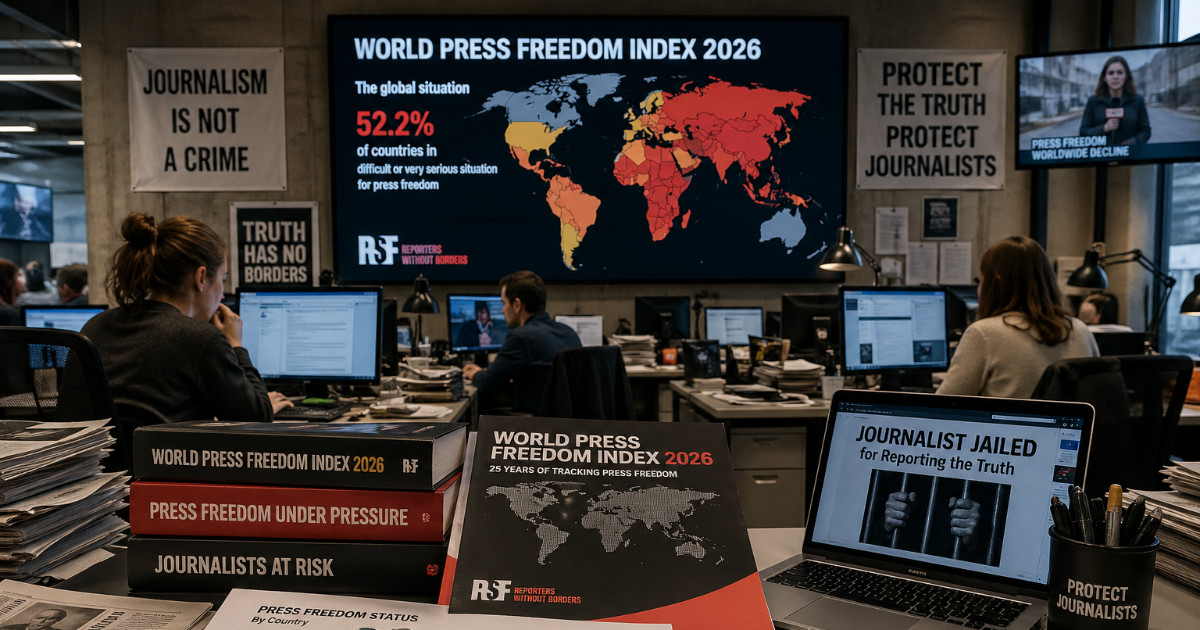
The 2026 World Press Freedom Index from Reporters Without Borders finds press freedom at its lowest in 25 years, with 52.2% of 180 countries now rated 'difficult' or 'very serious'. It flags legal pressures, vague disinformation laws and strategic lawsuits.Summary
PARIS—Global press freedom has reached its lowest level in 25 years, with more than half of the world’s countries now classified as having a “difficult” or “very serious” situation for journalists, according to the 2026 World Press Freedom Index released by Reporters Without Borders (RSF).
The report, which evaluates 180 countries and territories, found that 52.2 percent now fall into these two worst categories, an unprecedented figure since the index began in 2001. The global average score has also dropped to its lowest point, reflecting what RSF describes as a steady erosion of the right to information.
The findings highlight a dramatic shift from 2002, when just 13.7 percent of countries were rated in the same categories, and about 20 percent of the global population lived in nations with “good” press freedom conditions. Today, less than 1 percent of the world’s population enjoys such an environment.
Legal pressures intensify against journalists
RSF identified the legal environment as the fastest-deteriorating indicator in the past year, with declines recorded in more than 60 percent of countries. The organization said governments are increasingly using national security laws, anti-terrorism legislation, and vague “disinformation” statutes to criminalize journalism.
Countries such as India, Egypt, and Georgia saw notable drops tied to legal pressures, while similar trends were observed in democratic states, including Japan and the Philippines. The report also pointed to the growing use of strategic lawsuits against public participation (SLAPPs), which burden journalists with costly legal battles.
RSF warned that such “lawfare” tactics are becoming a global norm, often bypassing traditional press laws to target investigative reporting and restrict public-interest journalism.
Conflict zones and authoritarian regimes worsen conditions
Armed conflict remains a major factor behind declining press freedom in several regions. Countries like Iraq, Sudan, and Yemen continue to rank near the bottom due to ongoing violence, while the war in Gaza has had a particularly severe impact, with more than 220 journalists reported killed since October 2023.
Authoritarian regimes also continue to suppress independent media. China, North Korea, and Eritrea remain among the worst performers, with Eritrea ranked last for the third consecutive year. Russia and Iran also rank near the bottom, reflecting crackdowns and restrictive legal frameworks.
However, the report noted a significant improvement in Syria, which rose 36 places following political changes after the fall of Bashar al-Assad’s government in late 2024.
Americas see a sharp decline amid political pressure
The Americas recorded one of the steepest regional declines, driven by a mix of political hostility and violence against journalists. The United States dropped seven places to 64th, with RSF citing increased pressure on media and cuts to international broadcasting services.
Latin American countries also saw notable declines. Ecuador and Peru were impacted by journalist killings, while El Salvador and Argentina dropped amid growing government hostility toward the press.
RSF said organized crime and political actors are increasingly responsible for threats to journalists in the region, contributing to a deteriorating media environment.
WHY THIS MATTERS: The global trend of using legal tools to restrict journalism mirrors challenges faced in Pakistan, particularly under laws related to national security and digital regulation. Pakistani media organizations can draw lessons on the risks of legal overreach and the importance of safeguarding editorial independence. The report also highlights the need for stronger protections against both state pressure and economic vulnerabilities in the media sector.
ATTRIBUTION: Reporting by JournalismPakistan, based on the RSF World Press Freedom Index 2026 report and publicly available statements from RSF (April 2026).
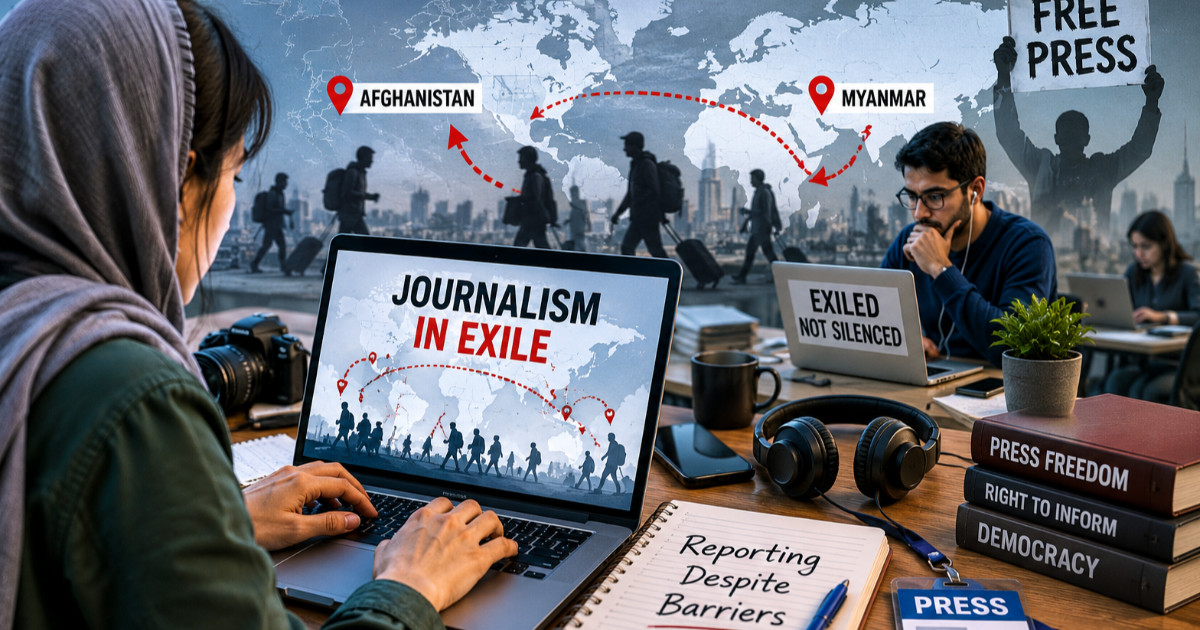
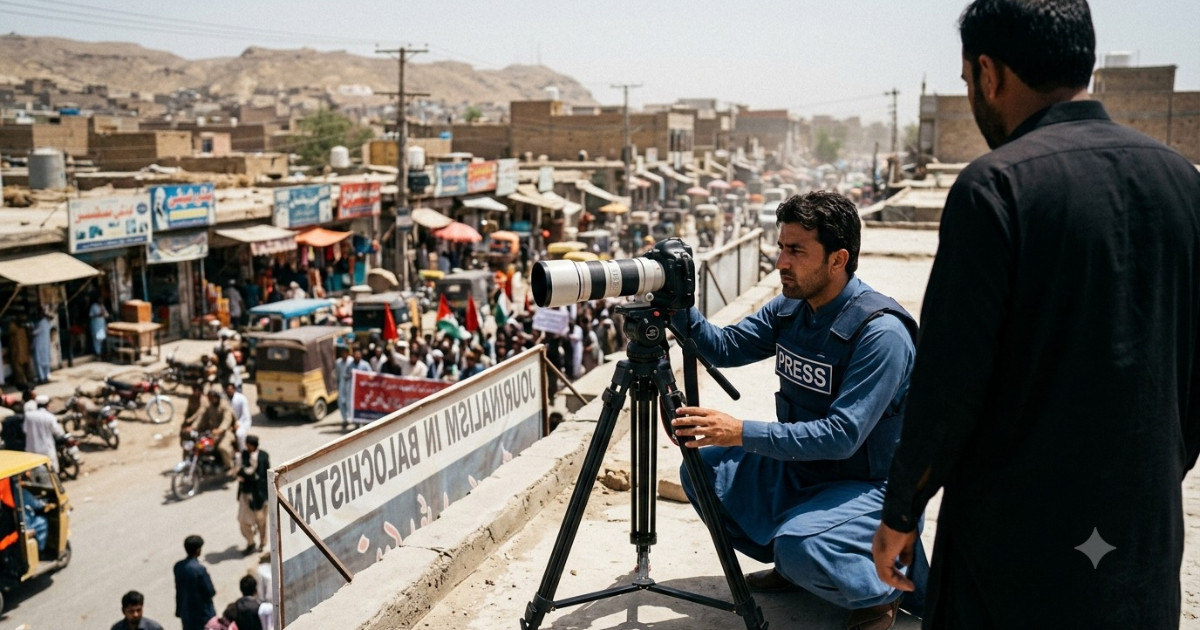
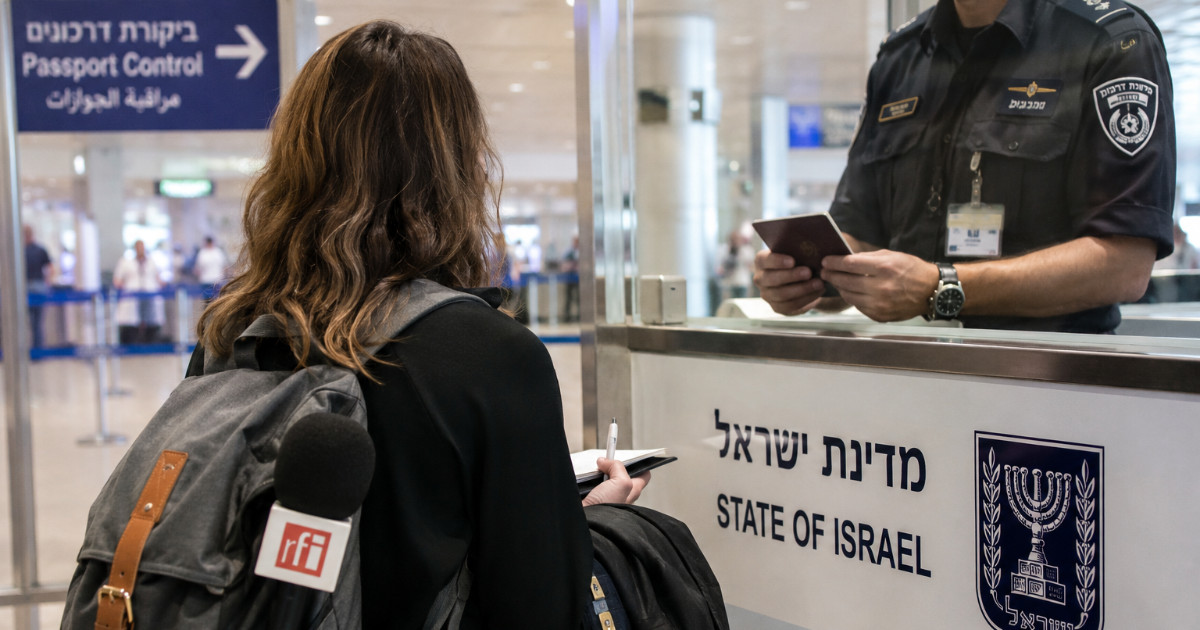
PHOTO: AI-generated; for illustrative purposes only.
Key Points
- RSF's 2026 index evaluates 180 countries and records the lowest global press freedom in 25 years.
- 52.2% of countries are now classified as having a 'difficult' or 'very serious' situation for journalists.
- Legal environment showed the fastest deterioration, with declines in over 60% of countries.
- Governments increasingly use national security, anti‑terror and vague disinformation laws to criminalize journalism.
- Examples of notable drops include India, Egypt, Georgia, and democratic declines in Japan and the Philippines.
Key Questions & Answers
What does the World Press Freedom Index measure?
The index assesses conditions for journalism across 180 countries, measuring legal, political and economic factors that affect media independence and safety.
What are the main findings of the 2026 report?
The report records the lowest global score in 25 years, with 52.2% of countries rated 'difficult' or 'very serious' and a rapid decline in legal protections.
How are legal pressures affecting journalists?
RSF notes a rise in the use of national security, anti‑terror and vague 'disinformation' statutes, along with strategic lawsuits, to silence or criminalize reporting.
Which countries saw notable declines?
RSF highlights drops in countries including India, Egypt and Georgia, and warns of similar negative trends in some democratic states such as Japan and the Philippines.
Relevant Topics
Ask AI: Understand this story your way
AI EnabledDig deeper, ask anything — get instant context, background, and clarity.
Disclaimer: This feature is powered by AI and is intended to help readers explore and understand news stories more easily. While we strive for accuracy, AI-generated responses may occasionally be incomplete or reflect limitations in the underlying model. This feature does not represent the editorial views of JournalismPakistan. For our full, verified reporting, please refer to the original article.