.png)
Journalists at war with themselves: A crisis no one will win
JournalismPakistan.com | Published: 30 April 2026 | JP Staff Report
Join our WhatsApp channel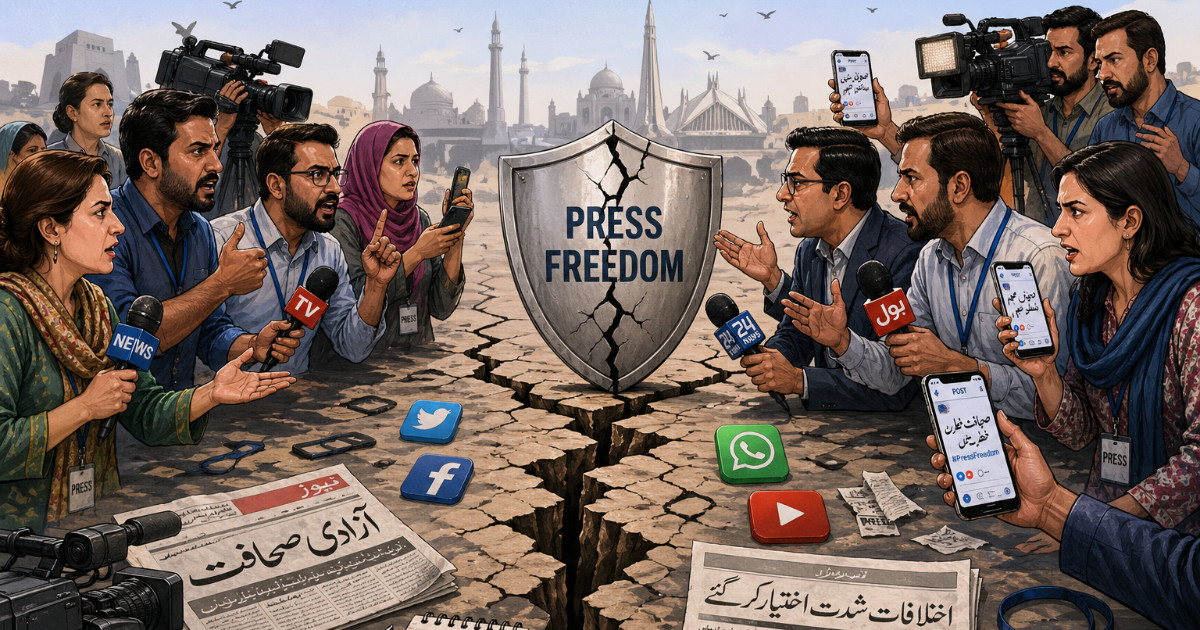
A dispute over a National Press Club logo and an Islamabad event has split journalists, press clubs and unions. Competing statements, social media attacks and the dismissal of a TV team have prompted calls for formal investigation.Summary
ISLAMABAD — Pakistan’s journalistic community is facing renewed scrutiny after a dispute involving senior journalist Matiullah Jan, press club officials, and rival journalist groups escalated into a public confrontation marked by competing statements, social media campaigns, and institutional friction.
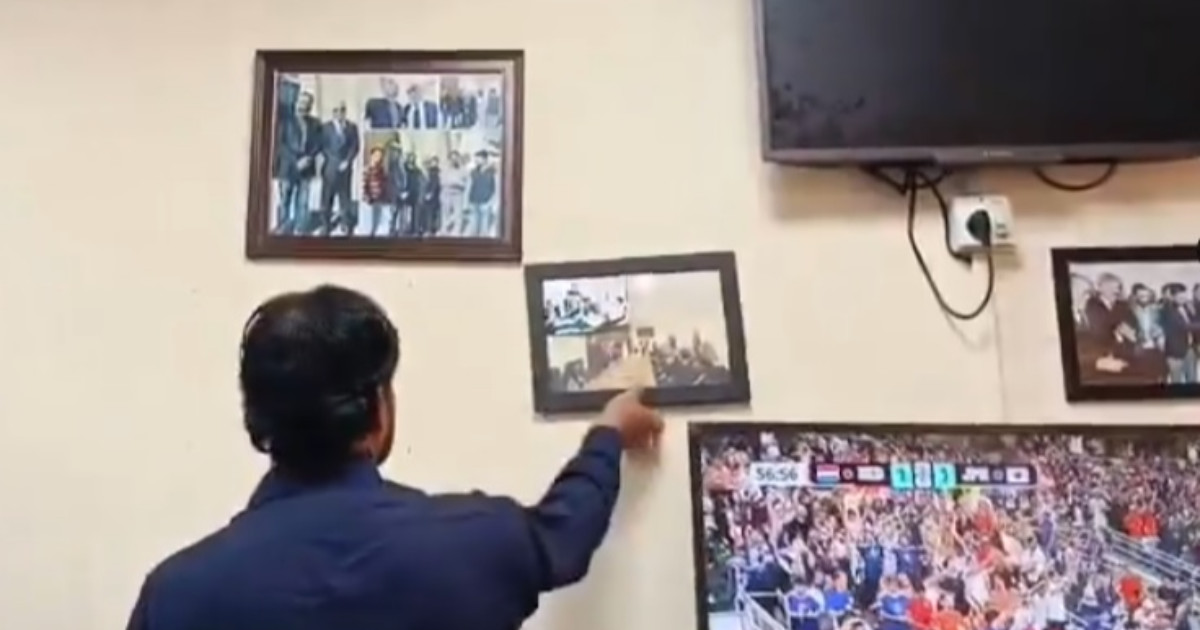
The controversy stems from an event held in Islamabad for visiting foreign journalists, where questions were raised by officials of the National Press Club over the alleged use of its logo without formal approval and the absence of prior authorization for the gathering. The issue has since spiraled into a broader conflict, drawing in journalist unions, press club representatives, and media figures, each presenting sharply differing accounts of what transpired.
A dispute that spiraled into a spectacle
The Pakistan Federal Union of Journalists (PFUJ) leadership publicly questioned procedural aspects of the event, while the Rawalpindi-Islamabad Union of Journalists (RIUJ) issued a statement condemning the dismissal of Matiullah Jan and members of his team from a private television channel. The RIUJ also suggested that if any wrongdoing occurred, it should be subject to formal investigation rather than public condemnation.
At the same time, the union criticized Jan’s recent conduct on social media, describing his remarks about fellow journalists as excessively harsh, reflecting a growing pattern where professional disagreements are increasingly aired in public forums rather than resolved within institutional mechanisms.
Institutions reduced to factions
The situation intensified after a detailed response attributed to the Jago Group, circulated by journalist Asad Toor on social media, challenged the formation and neutrality of an investigative committee set up by the National Press Club. The statement alleged that several members of the committee had already expressed opinions on the matter online, raising concerns about impartiality.
The response further argued that the event in question had been organized with the knowledge of press club officials and aimed at presenting a positive image of Pakistan to foreign journalists covering regional developments. It also highlighted internal divisions within the press club’s governing body, including claims that some members distanced themselves from the proceedings.
Social media as an accelerant
What might once have remained a contained institutional disagreement has instead unfolded in real time across social media platforms, with competing narratives, allegations, and rebuttals gaining traction. Statements from unions, press club officials, and journalist groups have been amplified online, often accompanied by pointed criticism and counter-accusations.
This shift underscores the growing role of digital platforms in shaping intra-media discourse, where speed and visibility often outpace verification and restraint. The result is a highly visible fragmentation within a profession that traditionally advocates for accountability and cohesion in public life.
The real cost to press freedom
While the immediate dispute centers on procedural disagreements and personal conduct, its broader implications extend to press freedom itself. Pakistan’s media landscape is already navigating legal pressures, economic instability, and concerns over journalist safety. Public infighting risks weakening collective advocacy at a time when unity is often critical.
There is no publicly available evidence confirming that Jan’s dismissal from his media organization was directly linked to the controversy. However, the timing has added to concerns about job insecurity within the industry and the vulnerability of journalists amid institutional disputes.
Why this moment demands restraint
The absence of a unified response to internal conflicts raises questions about the effectiveness of existing mechanisms within journalist bodies to address grievances. As factions become more pronounced, the ability of the media community to present a cohesive front on issues of press freedom may be diminished.
The episode also reflects a deeper challenge: balancing transparency with responsibility. While accountability within the profession is essential, the manner in which disputes are conducted can influence public trust and institutional credibility.
WHY THIS MATTERS: For Pakistani journalists, this episode highlights how internal divisions can dilute collective efforts to defend press freedom and professional standards. Public disputes, especially when amplified online, risk undermining credibility at a time when the media already faces external pressures. Strengthening internal accountability mechanisms and fostering restraint in public discourse are critical for maintaining institutional integrity.
ATTRIBUTION: Reporting by JournalismPakistan, based on publicly available statements from the Rawalpindi-Islamabad Union of Journalists (April 30, 2026), social media posts circulated by journalist Asad Toor (April 29–30, 2026), and official remarks attributed to PFUJ representatives (April 2026).
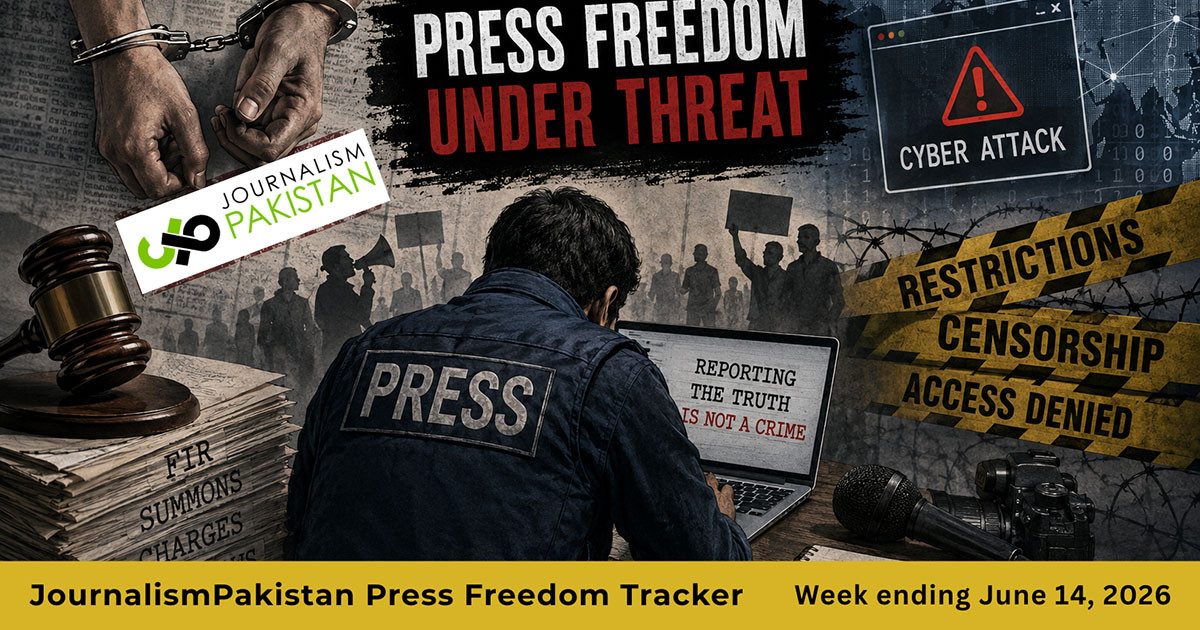
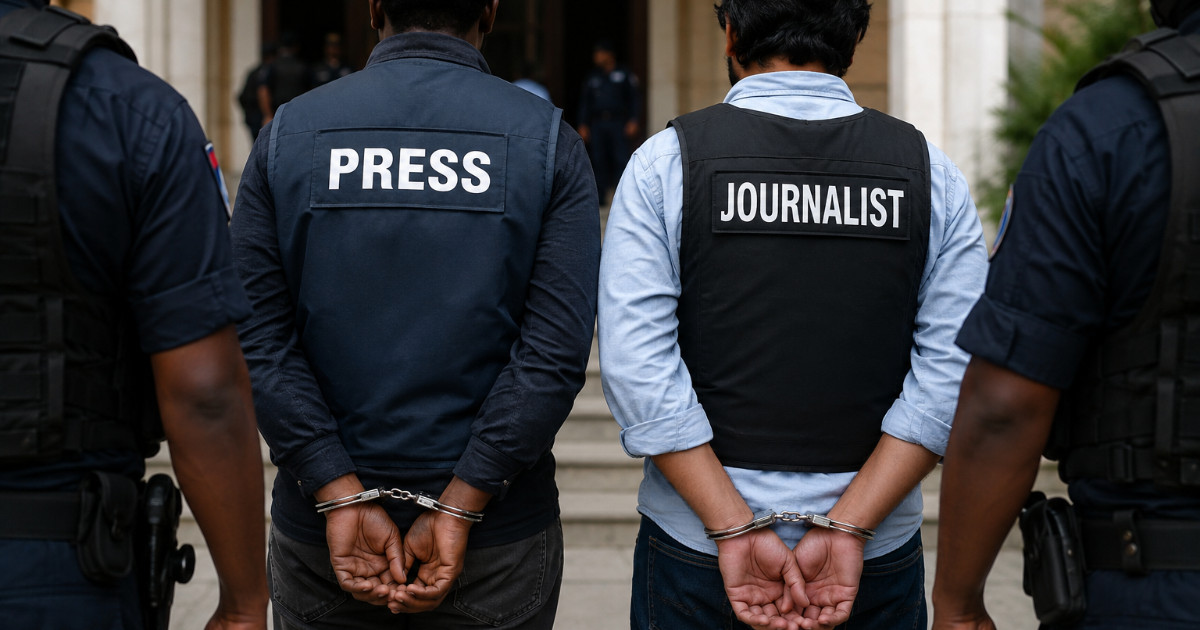
PHOTO: AI-generated; for illustrative purposes only.
Key Points
- Event in Islamabad criticized for using National Press Club logo without approval.
- PFUJ and RIUJ issued conflicting statements, deepening institutional rifts.
- Dismissal of Matiullah Jan and his team from a private channel drew union attention.
- Social media campaigns intensified personal attacks and public dispute.
- Calls for formal investigations rather than public condemnation have been urged.
Key Questions & Answers
What sparked the controversy?
The dispute began after an Islamabad event for visiting foreign journalists raised questions about use of the National Press Club logo and the lack of prior authorization, leading to competing claims and public backlash.
Which journalist groups are involved?
Key participants include the Pakistan Federal Union of Journalists (PFUJ), the Rawalpindi-Islamabad Union of Journalists (RIUJ), press club officials and various media figures aligned with differing accounts.
What role did social media play?
Social media amplified the conflict through campaigns and sharp personal attacks that moved disagreements from institutional channels into the public sphere.
What are stakeholders demanding?
Many stakeholders are urging formal investigations and procedural reviews rather than public condemnation, seeking institutional mechanisms to resolve the allegations and disputes.
Relevant Topics
Ask AI: Understand this story your way
AI EnabledDig deeper, ask anything — get instant context, background, and clarity.
Disclaimer: This feature is powered by AI and is intended to help readers explore and understand news stories more easily. While we strive for accuracy, AI-generated responses may occasionally be incomplete or reflect limitations in the underlying model. This feature does not represent the editorial views of JournalismPakistan. For our full, verified reporting, please refer to the original article.