
Zambia cancels RightsCon 2026 days before start
JournalismPakistan.com | Published: 30 April 2026 | JP Global Monitoring
Join our WhatsApp channel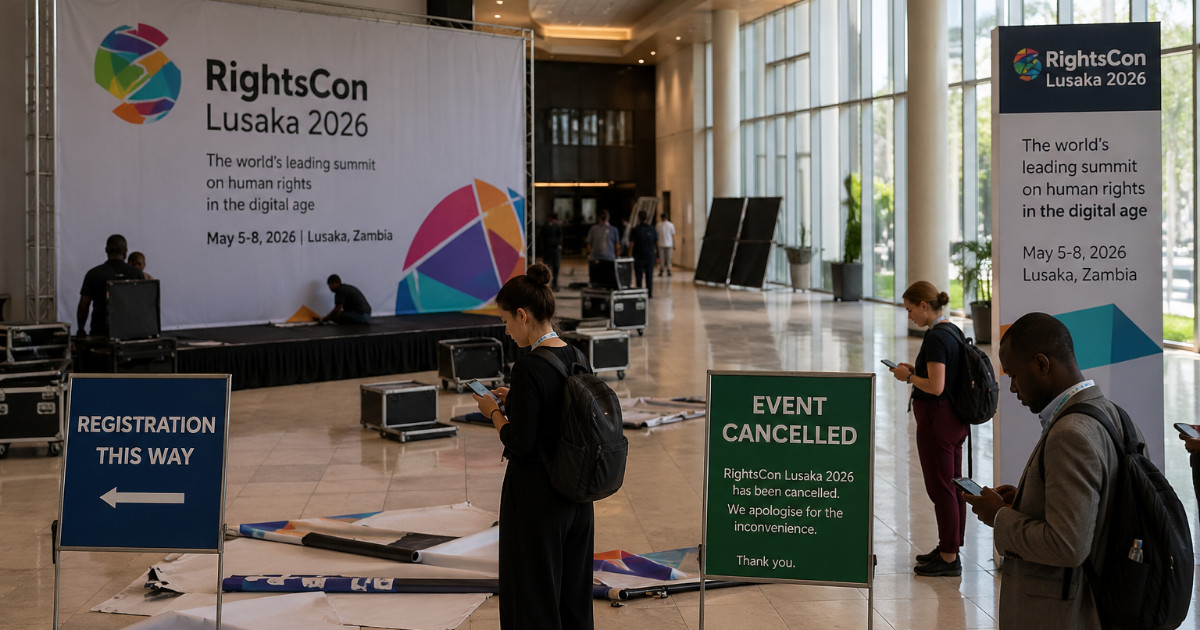
Zambia cancelled RightsCon 2026 in Lusaka just days before the May 5-8 event, citing national values and diplomatic protocols but giving no detailed public explanation. The abrupt decision forced attendees to cancel travel and drew criticism for silencing regional digital rights voices.Summary
LUSAKA—The Zambian government has abruptly cancelled RightsCon 2026 just days before it was due to begin in Lusaka, triggering widespread concern among digital rights advocates and media freedom groups worldwide.
The conference, organized by Access Now, was scheduled for May 5–8 and expected to draw more than 5,000 participants, including journalists, technologists, policymakers, and civil society leaders. Officials scrapped the event roughly five days before its opening, leaving attendees scrambling to cancel travel and logistics.
Sudden move sparks global backlash
Zambia’s Ministry of Technology and Science said the decision was taken to ensure alignment with “national values” and “diplomatic protocols,” and to maintain a “balanced” platform. However, organizers and observers say the move effectively shut down a major forum focused on freedom of expression, online rights, and digital governance.
Participants had planned to address a range of issues, including internet shutdowns, surveillance, and protections for journalists operating in hostile digital environments. Reports indicate authorities raised concerns about specific themes and speakers, though no detailed public explanation was provided.
Blow to regional digital rights momentum
The cancellation carries particular significance as this was to be the first time RightsCon was hosted in Sub-Saharan Africa. The event had been seen as an opportunity to amplify regional voices and spotlight challenges facing journalists and activists across the continent.
Advocacy groups have described the move as a setback for open dialogue, arguing that cancelling a conference dedicated to rights and freedoms underscores growing restrictions in civic space. Some observers have linked the decision to broader regional trends involving tighter controls on expression, including digital regulation and limitations on civil society activity.
The fallout has also highlighted the vulnerability of global convenings in politically sensitive environments, where last-minute state intervention can disrupt months of planning and international collaboration.
Wider implications for press freedom
Media freedom advocates warn that the cancellation reflects an increasingly constrained environment for discussions around online expression and accountability. Journalists covering digital rights issues often rely on such platforms to share reporting, build networks, and coordinate responses to emerging threats.
The incident has drawn criticism from international civil society organizations, which argue that restricting such gatherings risks isolating local voices and weakening global cooperation on media freedom challenges.
WHY THIS MATTERS: The abrupt cancellation underscores how quickly governments can restrict platforms for dialogue on digital rights, an issue highly relevant to Pakistan, where debates over online regulation and press freedom are intensifying. For Pakistani journalists, it highlights the importance of safeguarding independent forums and building resilient networks that can operate even when physical events are disrupted.
ATTRIBUTION: Reporting by JournalismPakistan, based on publicly available statements from Access Now (April 2026) and reporting by Tech Policy Press and Index on Censorship (April 2026).
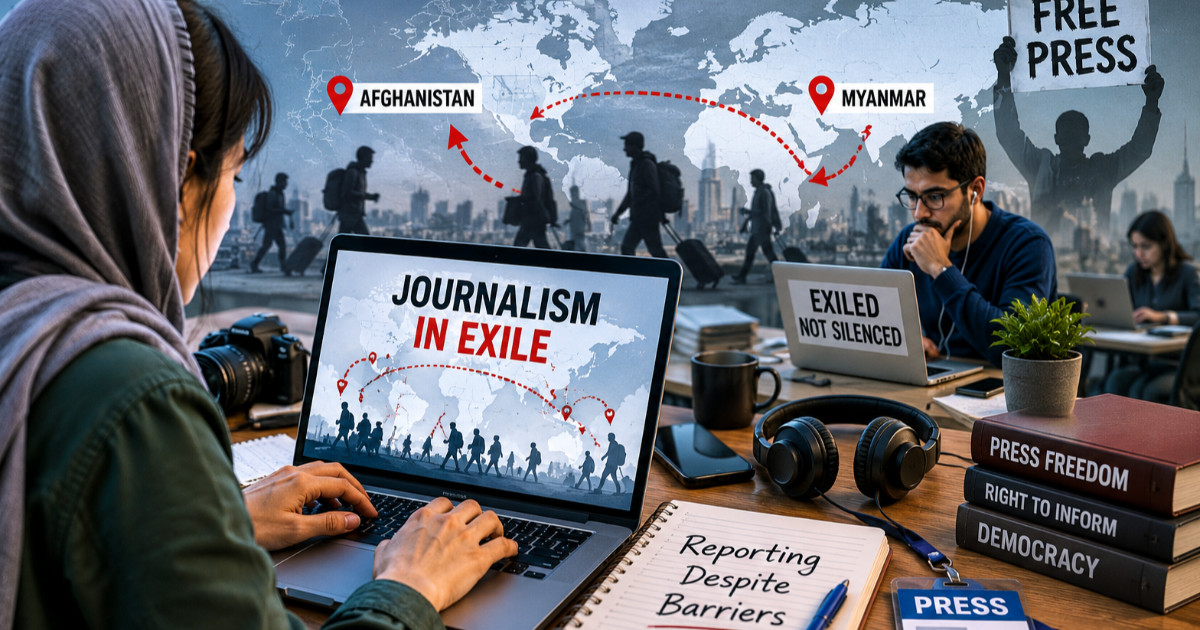
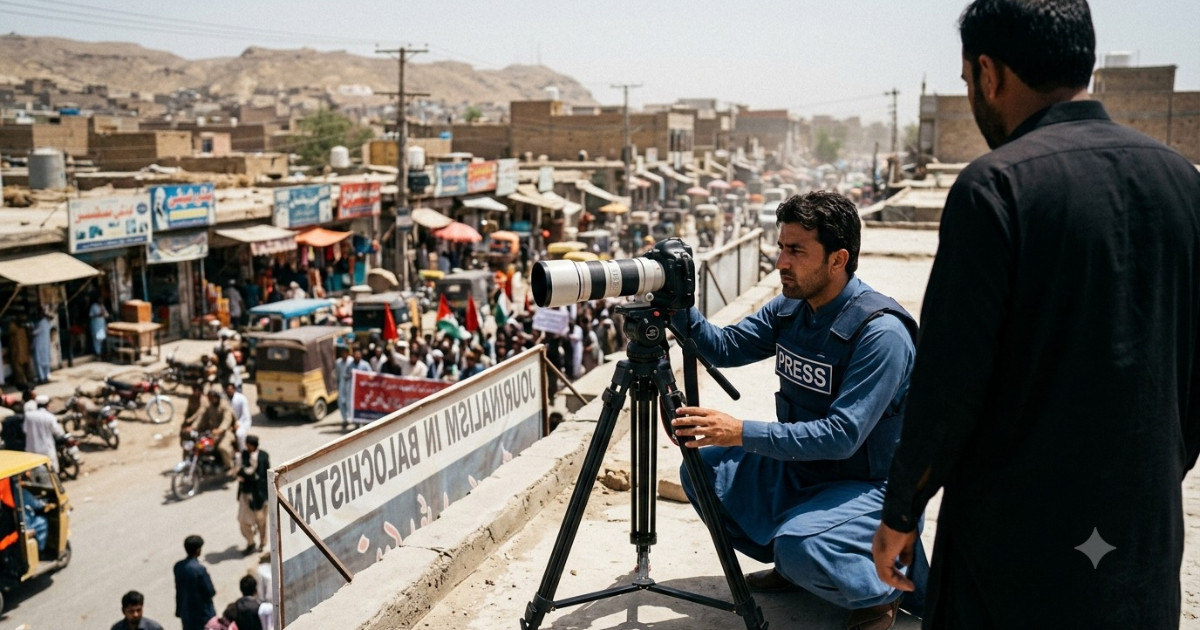
PHOTO: AI-generated; for illustrative purposes only.
Key Points
- The government cancelled RightsCon 2026 just days before the Lusaka start date.
- Access Now organized the conference, which was expected to attract over 5,000 participants.
- Officials cited national values and diplomatic protocols without a detailed public explanation.
- Attendees, including journalists and technologists, were forced to cancel travel and logistics.
- The event was set to be the first RightsCon in Sub-Saharan Africa, amplifying regional voices.
- The abrupt move prompted international backlash from digital rights and media freedom groups.
Key Questions & Answers
Why was RightsCon 2026 cancelled?
Zambian authorities said the decision aimed to align the event with national values and diplomatic protocols, but they did not provide a detailed public explanation about specific concerns.
Who organized the conference?
RightsCon 2026 was organized by the digital rights group Access Now.
How many people were expected to attend?
Organizers had expected more than 5,000 participants, including journalists, technologists, policymakers, and civil society leaders.
Will the conference be rescheduled?
As of the cancellation announcement, organizers had not publicly confirmed any rescheduling plans.
Relevant Topics
Ask AI: Understand this story your way
AI EnabledDig deeper, ask anything — get instant context, background, and clarity.
Disclaimer: This feature is powered by AI and is intended to help readers explore and understand news stories more easily. While we strive for accuracy, AI-generated responses may occasionally be incomplete or reflect limitations in the underlying model. This feature does not represent the editorial views of JournalismPakistan. For our full, verified reporting, please refer to the original article.