.png)
Press freedom review: No end to threats to journalism worldwide
JournalismPakistan.com | Published: 5 April 2026 | JP Staff Report
Join our WhatsApp channel
The Press Freedom Tracker warns of growing threats to independent journalism worldwide, citing arrests, prosecutions, layoffs, internet restrictions and violence; cases in Malaysia, Tunisia and Hungary highlight rising legal and physical risks.Summary
Editor's note
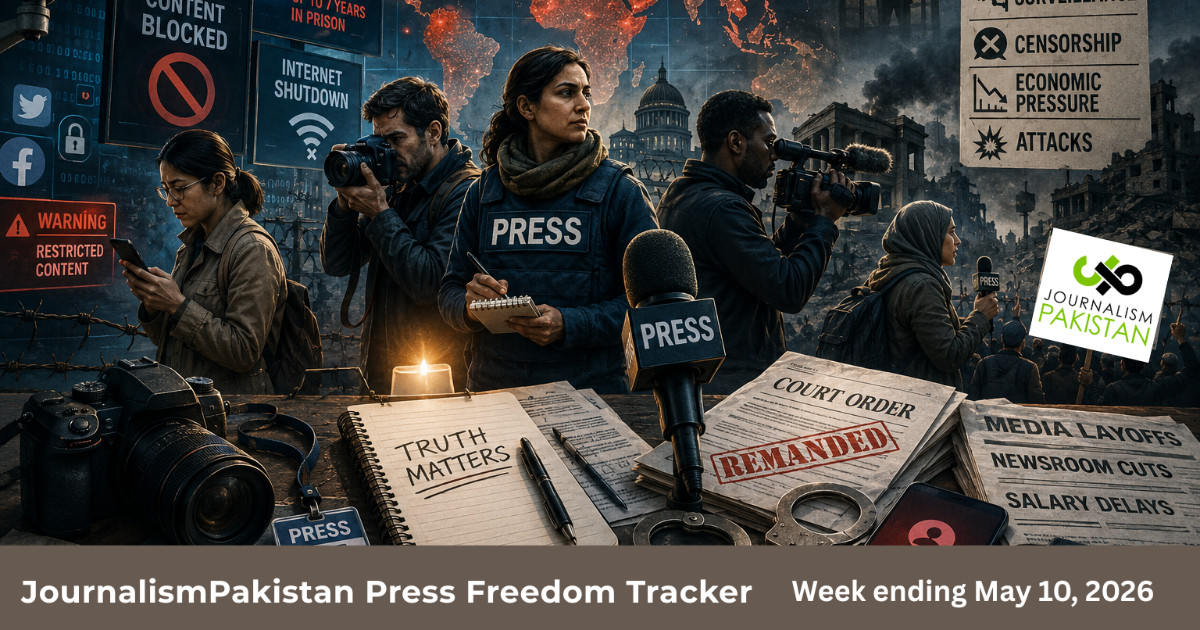
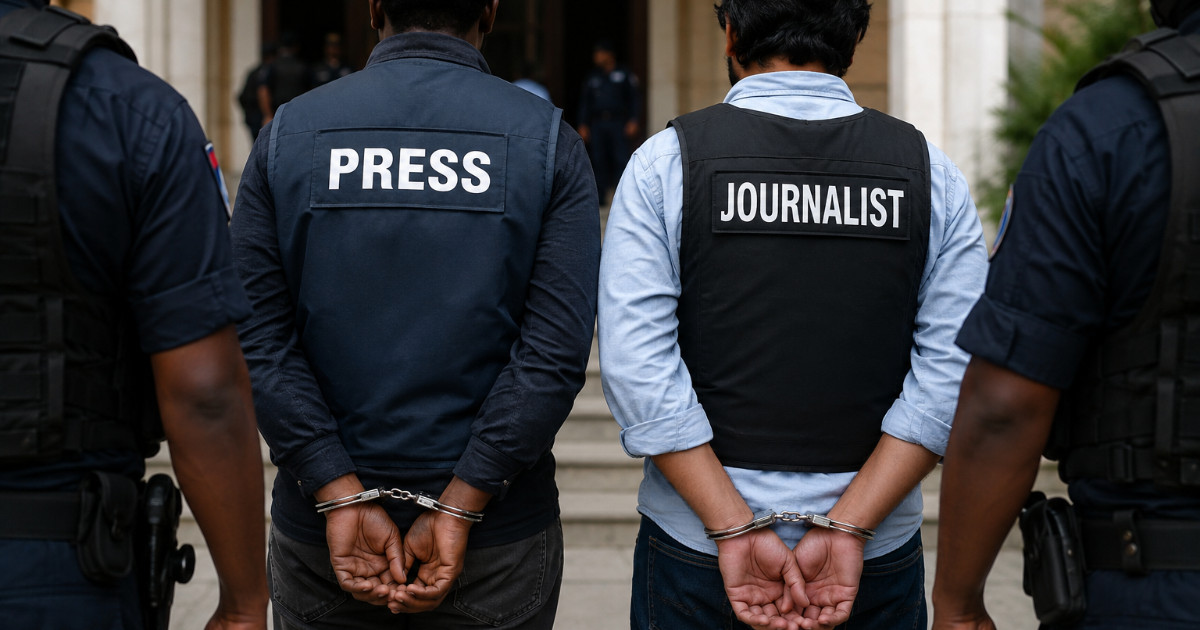
This edition of the Press Freedom Tracker highlights an increasingly hostile environment for journalism worldwide, shaped by legal threats, economic pressures, internet restrictions, and violence against media workers. From journalists facing detention and prosecution to newsroom layoffs, digital crackdowns, and attacks linked to regional conflicts, the challenges confronting independent reporting continue to deepen. Together, these developments point to growing risks for press freedom and for those working to keep the public informed.
Arrests, detentions, and kidnappings
MALAYSIA—Journalist Kalidas Subramaniam was detained for more than 24 hours and charged with criminal trespass after entering a construction site to report on undocumented migrant labor. He was later released on bail, and police continue to investigate the case. (Committee to Protect Journalists, April 1, 2026; Malaysiakini, March 31, 2026)
Legal and regulatory pressure
TUNISIA—A court sentenced Inhiyaz editor Ghassen Ben Khelifa to two years in prison on charges of publishing “false news,” prompting condemnation from journalists’ unions over increasing legal pressure on independent media. (Reuters, March 31, 2026)
HUNGARY—Investigative journalist Szabolcs Panyi was charged with espionage following reporting on Russian influence ahead of parliamentary elections. Authorities allege coordination with a foreign country. A preliminary investigation is ongoing, with potential prison sentences ranging from 8 to 15 years. (Reuters, April 1, 2026; Committee to Protect Journalists statement, April 1, 2026)
PAKISTAN—The Federal Board of Revenue issued a draft social media tax framework requiring creators with more than 50,000 subscribers to declare income, with penalties for underreporting and provisions covering non-resident Pakistan-source income. (Arab News, April 2, 2026)
Attacks, threats, and harassment
IRAN—Al Araby TV’s Tehran office was hit by an Israeli missile, injuring 10 staff members and halting live broadcasts. The strike damaged the building and disrupted news operations in the city. (CGTN; Kurdistan 24, March 29, 2026)
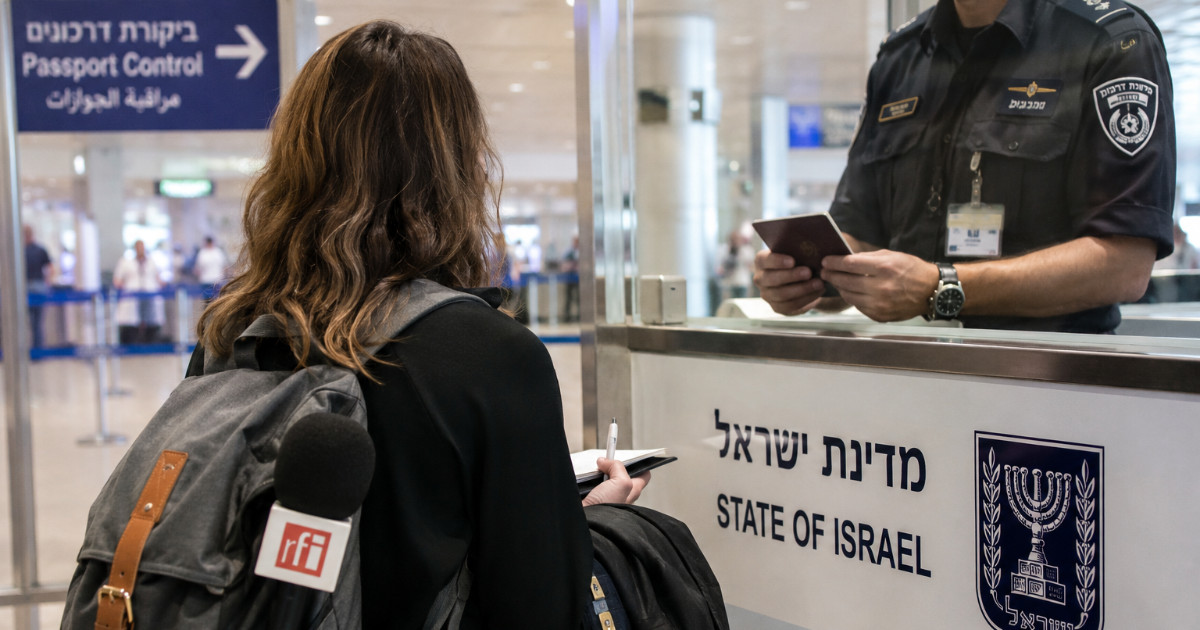
ISRAEL—Soldiers from a West Bank battalion detained and assaulted a CNN news crew, including placing a photojournalist in a chokehold and damaging equipment. The Israel Defense Forces withdrew the battalion for retraining and dismissed one implicated soldier. (The Washington Post; Israel Defense Forces public statement, March 30, 2026)
Censorship and digital restrictions
IRAN—A nationwide internet blackout entered its 30th day, severely restricting journalists’ and citizens’ access to global information networks. Reporters are relying on VPNs, encrypted messaging, and diaspora contacts to continue reporting. (AFP, March 29, 2026)
INDONESIA—Authorities summoned Meta and Google over alleged noncompliance with restrictions on under-16 social media use, raising concerns about tighter state control over digital platforms and potential downstream effects on content visibility. (Reuters, March 30, 2026)
Policy and court developments
UNITED STATES—A federal judge raised concerns that revised Pentagon press access rules, including escort requirements and workspace restrictions, may violate a prior court order and hinder journalists’ newsgathering. (Reuters; The Guardian, March 30, 2026)
VIETNAM—Journalist Huynh Ngoc Tuan was sentenced to eight years and six months in prison under Article 117 for social media posts deemed anti-state. He is being held at Dak Lak Provincial Police Detention Center. Tuan had previously served 10 years for critical writings and reportedly had limited access to legal counsel and family during the trial. (Committee to Protect Journalists, April 2, 2026; state media, April 2, 2026)
PAKISTAN—The Supreme Court blocked an Anti-Terrorism Court from framing charges against journalist Matiullah Jan and ordered the Islamabad High Court to expedite its review of the case. The decision followed a petition challenging the ATC’s jurisdiction and the applicability of terrorism laws. (Dawn, April 2, 2026)
Media labor and union activity
PAKISTAN—Former The Nation reporter Israr Ahmed Rajpoot protested outside a media executive’s office in Islamabad, alleging Rs6.2 million in unpaid salaries and long-pending dues after months of delays. (Video statement on X, March 2026)
PAKISTAN—Aaj TV laid off journalists and media staff nationwide without notice and delayed February and March salaries, prompting condemnation from unions and threats of protests and legal action. (Karachi Union of Journalists statement, March 31, 2026)
Media operations and industry pressures
QATAR—Al Jazeera has opened a secret backup broadcast studio in Doha to safeguard operations against cyber and kinetic threats amid regional conflict, ensuring continuity of news coverage if primary facilities are disrupted. (New York Post, April 2, 2026; AOL News, April 2, 2026)
PAKISTAN—Urdu News, a Saudi-owned outlet, laid off multiple staff members across Pakistan amid financial difficulties, including senior journalists Bashir Chaudhry and Waheed Murad, highlighting growing job insecurity in the media sector. (JournalismPakistan, April 3, 2026)
Press freedom and journalist safety
MIDDLE EAST—The UN human rights chief reported rising arrests, censorship, and restrictions on journalists across the region amid Iran–U.S.–Israel tensions, highlighting growing impediments to independent reporting and access to information. (UN Office of the High Commissioner for Human Rights statement, April 1, 2026)
Global context
Pressures on journalism continue to intensify globally, with a marked rise in legal actions, digital restrictions, and safety risks linked to geopolitical tensions and regulatory shifts. From taxation frameworks targeting digital creators to prolonged internet shutdowns and conflict-related attacks, the operating environment for journalists remains increasingly complex and constrained.
For additional context, readers can review last week’s Press Freedom Tracker.
(This Press Freedom Tracker is produced by JournalismPakistan, which verifies, curates, and synthesizes reporting from credible international media outlets, press freedom organizations, and official statements. Where applicable, JournalismPakistan’s original reporting is included alongside external sources. The tracker provides a clear, accurate, and accountable record of developments affecting journalists and media worldwide.)
Key Points
- Journalists face arrests and detentions while reporting, including a Malaysian reporter charged after investigating migrant labour conditions.
- Legal action is rising against independent media, exemplified by a Tunisian editor sentenced for publishing "false news".
- Serious criminal charges, such as espionage allegations against a Hungarian investigative journalist, signal heightened judicial risk.
- Economic pressures are prompting newsroom layoffs and cuts, weakening resources for independent reporting.
- Internet restrictions and conflict-related attacks compound threats, increasing both digital and physical dangers for media workers.
Key Questions & Answers
What main threats to press freedom does the review identify?
The review cites legal prosecutions, arrests, economic pressures, internet restrictions and violence as the primary, compounding threats to journalism worldwide.
Which countries are cited as recent examples?
The tracker highlights incidents in Malaysia, Tunisia and Hungary among others, illustrating arrests, sentencing and criminal charges against journalists.
How do these developments affect journalists and newsrooms?
They increase legal and physical risks for reporters, reduce newsroom capacity through layoffs, and constrain reporting via digital controls and censorship.
What immediate risks should the public be aware of?
Risks include criminalisation of reporting, restricted access to information online, and violence or intimidation that can curtail independent news coverage.
Relevant Topics
Ask AI: Understand this story your way
AI EnabledDig deeper, ask anything — get instant context, background, and clarity.
Disclaimer: This feature is powered by AI and is intended to help readers explore and understand news stories more easily. While we strive for accuracy, AI-generated responses may occasionally be incomplete or reflect limitations in the underlying model. This feature does not represent the editorial views of JournalismPakistan. For our full, verified reporting, please refer to the original article.