
Vietnamese journalist sentenced to eight years under propaganda law
JournalismPakistan.com | Published: 2 April 2026 | JP Asia Desk
Join our WhatsApp channel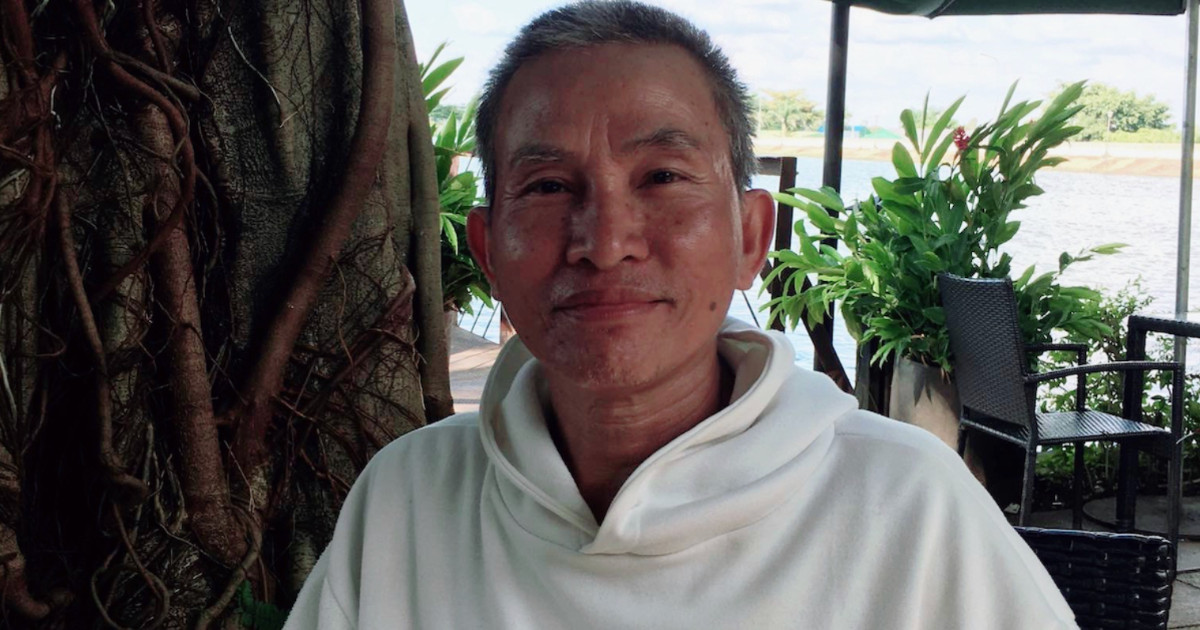
Huynh Ngoc Tuan was sentenced to eight years and six months under Vietnam's Article 117 after authorities said 11 live videos and 21 Facebook posts amounted to propaganda against the state. He was arrested in October 2025 and held incommunicado before a closed trial.Summary
BANGKOK—The Committee to Protect Journalists condemned Thursday’s sentencing of Vietnamese journalist Huynh Ngoc Tuan to eight years and six months in prison under Article 117, a criminal provision barring “propagandizing against the state.”
Tuan’s conviction stems from 11 live videos and 21 Facebook posts deemed defamatory, spreading false information, and undermining trust in the Communist Party and government, according to his daughter, Huynh Thuc Vy, and state media reports.
Authorities target outspoken journalists
Tuan, known for commentary on politics, human rights, and international affairs, was arrested on October 7, 2025, in Buon Ho town, Dak Lak province. He was held incommunicado without access to lawyers or family until a one-day closed trial on April 2, 2026, which his family was not informed about in advance. Vy said it is unclear whether Tuan will appeal the ruling, which also includes five years of probation.
The journalist and his family have faced years of harassment, including surveillance, home raids, confiscation of equipment, and travel restrictions. Vy herself spent nearly three years in prison for blogging, including a post defacing a Vietnamese flag.
Health concerns add urgency
Tuan, who previously served 10 years in prison for critical writings, has severe diabetes requiring daily insulin, and is currently held at the Dak Lak Provincial Police Detention Center. Vietnam holds 17 journalists in prison, ranking among the world’s harshest jailers of press professionals.
WHY THIS MATTERS: This case highlights the continued use of vague propaganda laws to silence independent reporting in Southeast Asia, a cautionary example for Pakistani journalists covering sensitive political or human rights issues. It underscores the importance of digital security, legal preparedness, and international advocacy when reporting under restrictive regimes.
ATTRIBUTION: Information cited from a publicly available report by the Committee to Protect Journalists (April 2, 2026) and state media coverage published April 2, 2026.
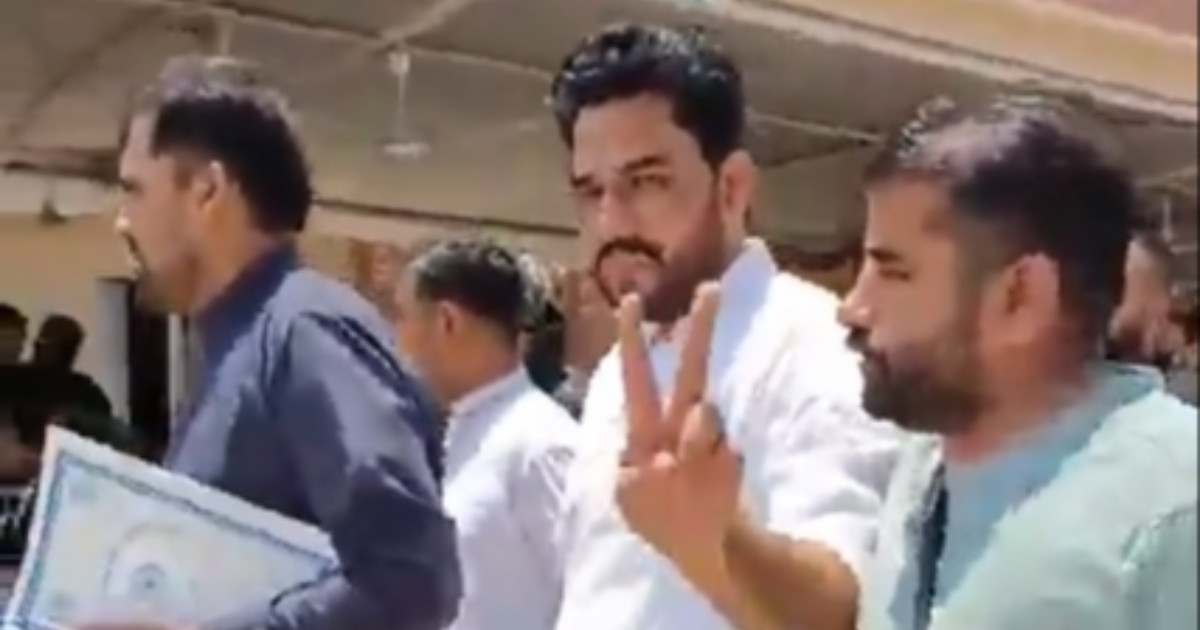
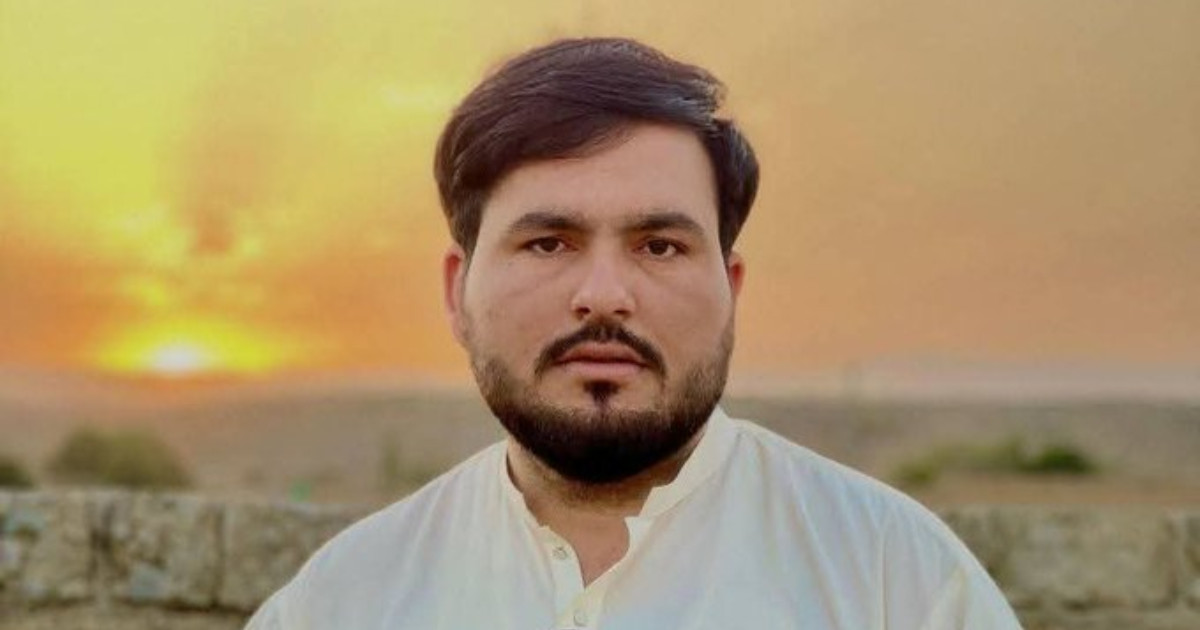
PHOTO: Huynh Ngoc Tuan (Photo: Courtesy of Tuan’s family/Circulated by CPJ)
Key Points
- Journalist Huynh Ngoc Tuan received an eight-year, six-month prison term under Article 117 for alleged propaganda tied to social media.
- Authorities cited 11 live videos and 21 Facebook posts as the basis for the conviction.
- Tuan was arrested on October 7, 2025, held incommunicado and tried in a one-day closed hearing on April 2, 2026.
- The sentence includes five years of probation; it is unclear whether an appeal will be filed.
- His family reports long-term harassment and he has severe diabetes requiring daily insulin while detained in Dak Lak.
Key Questions & Answers
What was Huynh Ngoc Tuan convicted of?
He was convicted under Article 117 for allegedly propagandizing against the state based on social media videos and posts.
When and where was he arrested?
He was arrested on October 7, 2025, in Buon Ho town, Dak Lak province, and held without access to lawyers or family before trial.
What sentence did he receive?
He was sentenced to eight years and six months in prison, plus five years of probation.
Are there concerns about his health in detention?
Yes; Tuan has severe diabetes requiring daily insulin and is currently held at the Dak Lak Provincial Police Detention Center.
Relevant Topics
Ask AI: Understand this story your way
AI EnabledDig deeper, ask anything — get instant context, background, and clarity.
Disclaimer: This feature is powered by AI and is intended to help readers explore and understand news stories more easily. While we strive for accuracy, AI-generated responses may occasionally be incomplete or reflect limitations in the underlying model. This feature does not represent the editorial views of JournalismPakistan. For our full, verified reporting, please refer to the original article.